
The Story
Why it exists.
The beginning
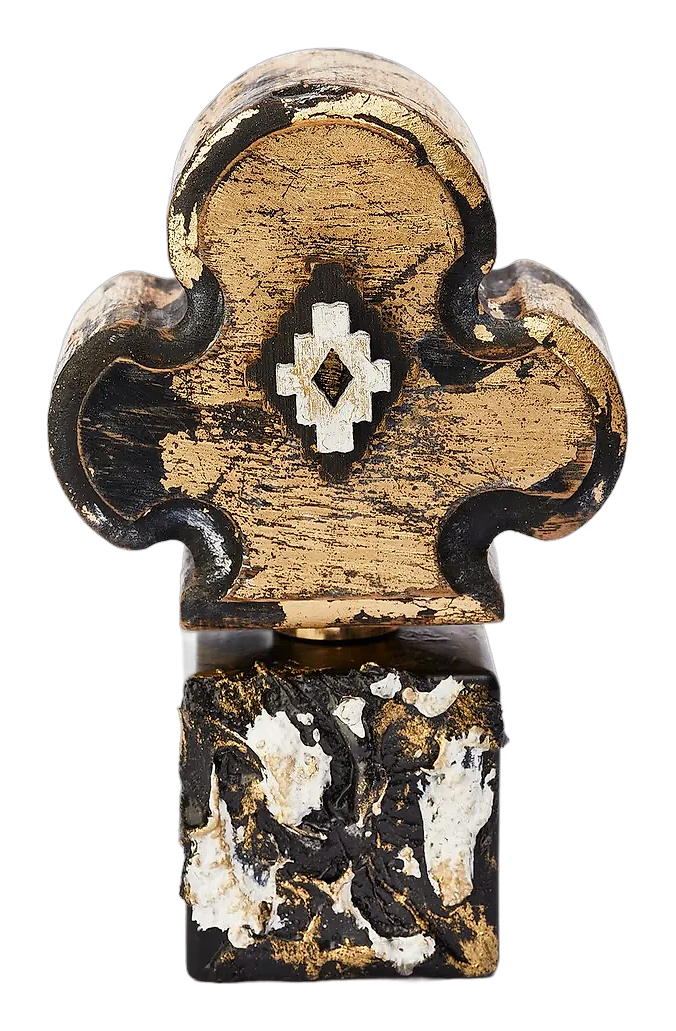
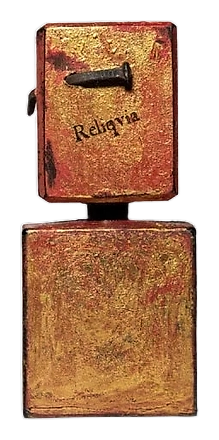
Giovanni Festa built Philokalia, Afterlife Potion as an olfactory memorial. The name itself references the Philokalia, a collection of spiritual texts from the Eastern Orthodox tradition, and the 'Afterlife' framing suggests something passed through, transformed, carried forward. The fragrance is described as a tribute to those who fell on battlefronts, perished in communist prisons, toiled at the Danube-Black Sea Canal, not as historical reference, but as felt weight. This is what the brand does: it makes fragrance into testimony. The brief was clear: create something that honors sacrifice without sentimentality. The composition needed to feel ancient and immediate at once, heavy with meaning but not heavy-handed. What emerged is a fragrance that opens with luminous white florals, tuberose absolute, jasmine absolute, then descends through resin and smoke into something darker, more animalic, more true.
The heart of this fragrance is where it earns its name. Cypriol, white oud, costus, spikenard, materials that smell like earth, like ritual, like something pulled from the walls of a monastery. Labdanum adds a leathery balsamic depth that makes the florals feel less like a garden and more like a memory of a garden. Costus is the unusual choice here: a material with a goaty, animalic edge that most perfumers avoid because it's polarizing. Giovanni Festa didn't avoid it. He built around it. The base layers incense and resins with amber, warm but not sweet, then adds castoreum and civet. These animalics are not decorative. They're structural.
The evolution
The opening announces itself with the florals, tuberose absolute leading, jasmine absolute following close behind. Both are creamy, almost medicinal in their intensity. For the first twenty minutes, this reads as an unexpectedly lush floral. Then the incense arrives. Not a whisper of smoke, a wall of it. Frankincense, resins, the whole liturgical weight of it. The heart develops over the next two hours. White oud emerges, then costus, then spikenard, earthy, slightly bitter, grounding the sweetness that came before. The jasmine never fully disappears, but it transforms, becoming part of the larger structure rather than leading it. This is when the fragrance becomes what it is: a conversation between beauty and darkness. The drydown is where the animalics take over completely. Castoreum and civet add a waxy, animalic depth that feels almost sacred. Amber holds everything together. The sillage stays strong through hour five, then gradually settles into something more intimate, the kind of presence that only someone standing close would detect.
Cultural impact
White florals like tuberose and jasmine have held sacred ground across countless traditions. In Indian culture, jasmine flowers grace temples and altars, symbolizing divine love and purity. Tuberose carries associations with both sensuality and mourning in Victorian flower language, often featured in funeral arrangements. The Greek roots of Philokalia speak to love of beauty and the good, reflecting how these notes have been treasured through millennia. Fragrances built on these accords often carry an otherworldly presence, bridging the boundary between the living and the afterlife. The After Life Potion channels this rich history, using heady white blooms to create something that feels both ancient and modern.