The Story
Why it exists.
The beginning
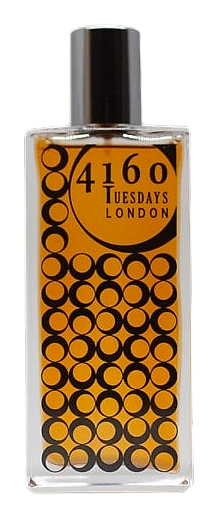
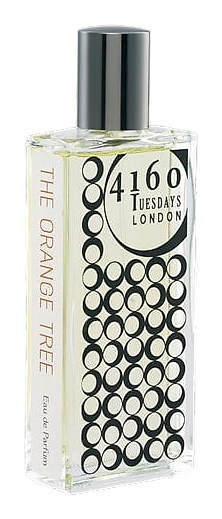
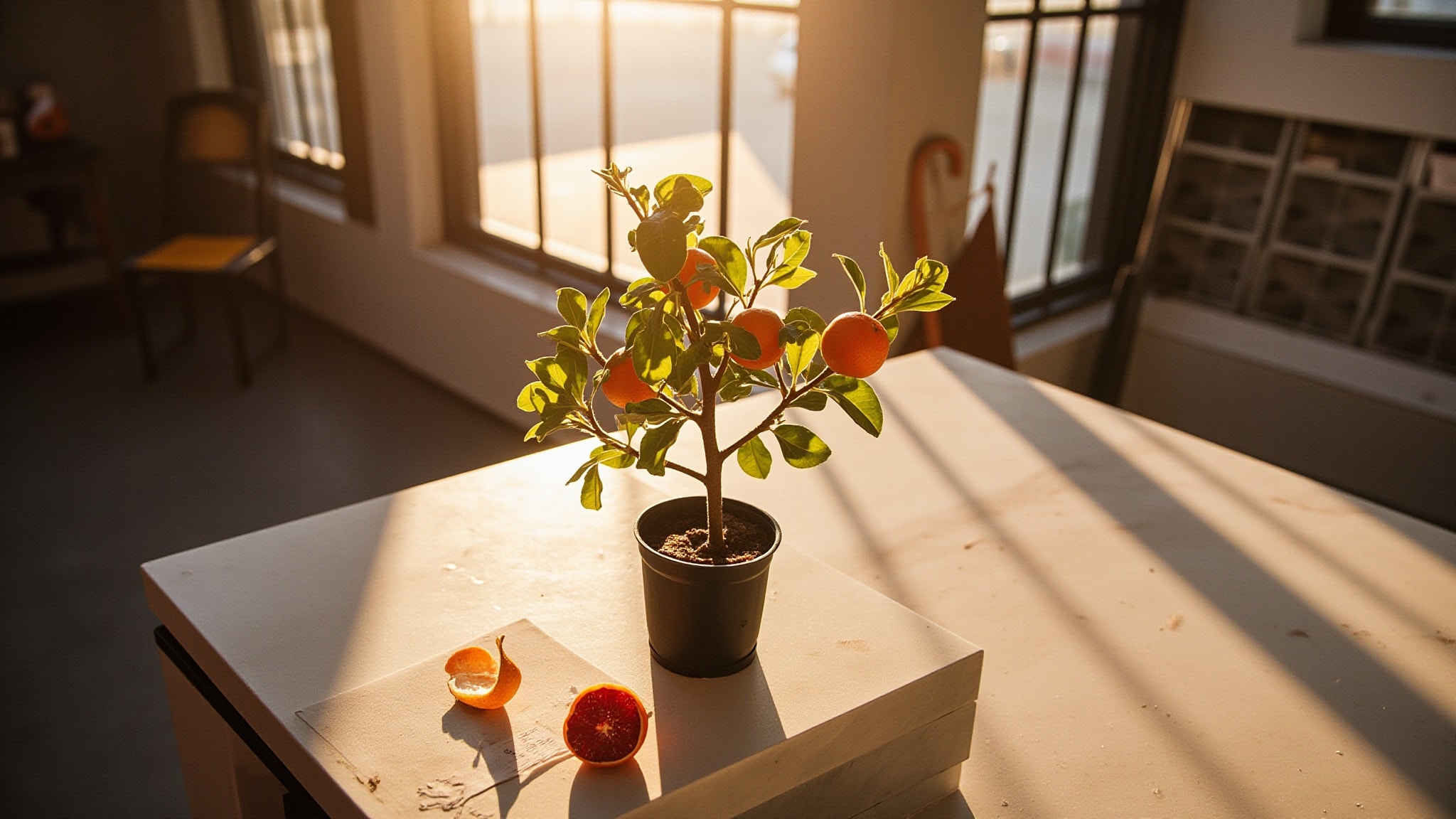
The Orange Tree started as an emergency. Sarah McCartney's studio was commissioned to scent a very exclusive gathering, and the hosts had bought tiny orange trees hoping they'd fill the room. They couldn't do it fast enough. So McCartney built the aroma instead, layering orange leaf, orange blossom, and the fruit in multiple forms until the room carried the unmistakable presence of standing under the canopy. The guests noticed. Then everyone at the studio wanted a bottle. Then the customers. So McCartney guided the formula through the proper procedures and launched it properly in 2020. The fragrance that began as a room-fresher became a proper perfume because the scent wouldn't stay put. The composition draws its power from restraint.
What separates this from the dozens of citrus fragrances on the market is its loyalty to a single plant. McCartney used three orange varieties at the top for the fruit's complexity, then bitter orange leaf and orange blossom in the heart for the vegetative, almost herbal side. The woody base draws its character from the orange tree itself, carrying a dry, papery quality that recalls the tree's quieter textures rather than the typical heavy resins. Most citrus scents are built around the peel and call it a day. This one smells like roots. That commitment shows in the way the notes interact.
The evolution
The first thirty seconds are loud, almost aggressive. Clementine, sweet orange, and blood orange hit together, and the blood orange's tartness gives the opening a slight edge, like the juice running down your wrist before you've finished peeling. There's no softness yet, just fruit and acid. As the opening settles, the top notes deepen rather than disappear. The bitter orange leaf arrives and shifts the whole thing from fruity to leafy, slightly herbal, with that sharp green bitterness that comes from crushed stems. Orange blossom joins it, but quietly, more about texture than scent, giving the heart a sun-warmed quality. This is the phase that smells most like an actual tree, the moment where the fruit feels less like something you eat and more like something that grew. The drydown is unhurried. The citrus and floral layers thin gradually, leaving a papery, woody trace in their wake.
Cultural impact
The Orange Tree stands out in the citrus category because of how thoroughly it commits to its botanical subject. The scent doesn't just nod at orange and move on. It follows the fruit into the leaf, the blossom, and the wood, creating a portrait rather than a sketch. The brand describes how the fragrance transports wearers to specific places: beneath orange trees in Seville, Sicily, and California, where the whole tree, not just the fruit, is the point. That sense of place runs through every phase of the scent.
The House
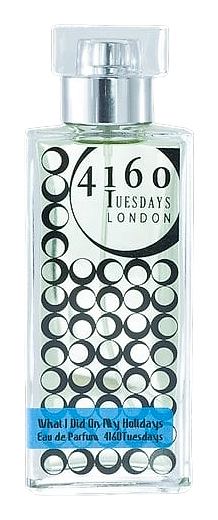
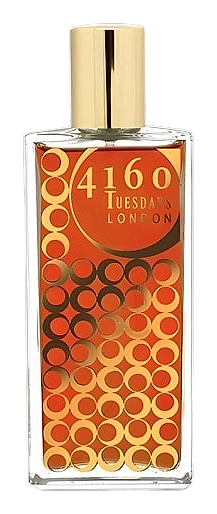
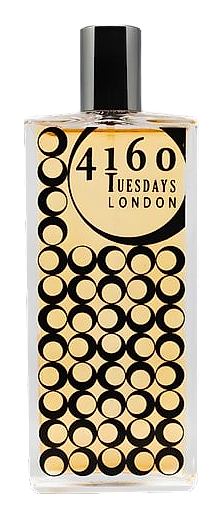
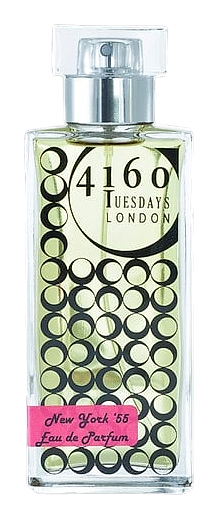
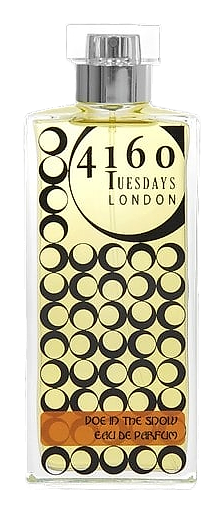
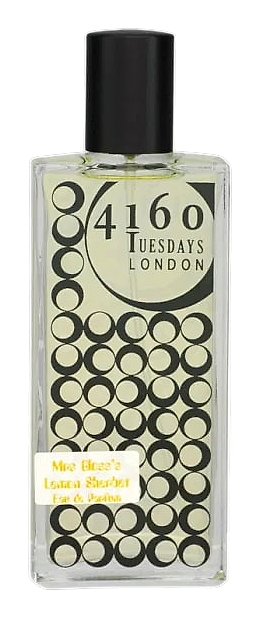
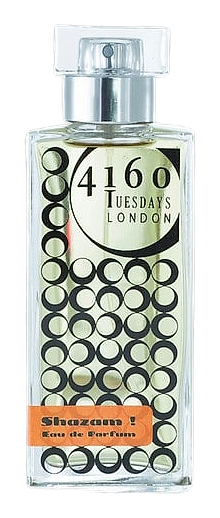
4160 Tuesdays4160 Tuesdays is an artisan perfume house rooted in West London. Founded in 2011 by Sarah McCartney, the studio blends experimental scent work with a hands‑on teaching ethos. Each fragrance is formulated in small batches, allowing the brand to explore playful concepts such as My Eau My! (2023) and Kiss Me Quick(ly) (2018). Beyond the bottles, 4160 Tuesdays runs in‑person workshops and the online scent school Scenthusiasm, inviting both novices and seasoned noses to create their own aromas. The brand’s catalogue includes Old Sport (2016), Both Sides of Clouds (2020), and a series of 2025 releases that illustrate its continual drive toward fresh olfactory narratives.
The Creator
Sarah McCartneyPatchouli fascinates McCartney. Put it in a blend and it often smells like chocolate, a phenomenon she attributes to the nose communicating differently with the brain than other senses.