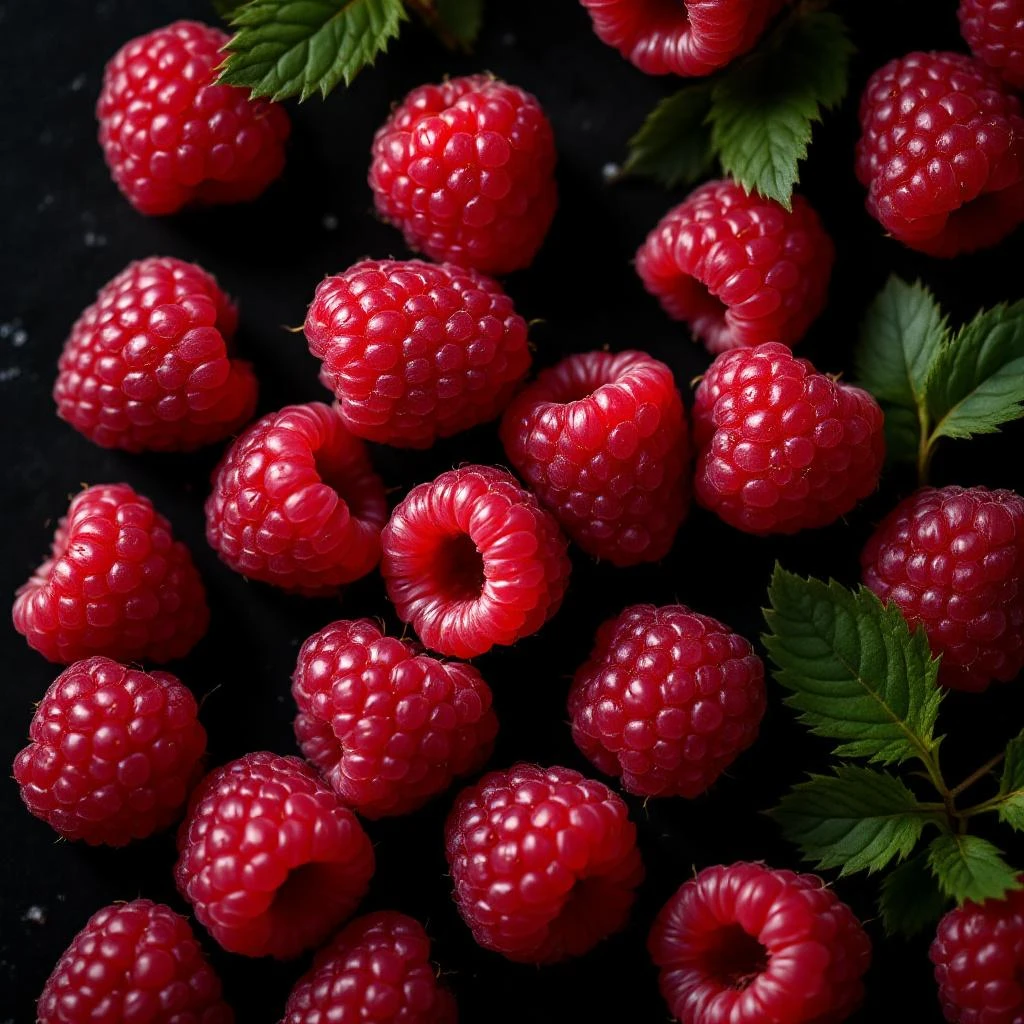
Yumberry
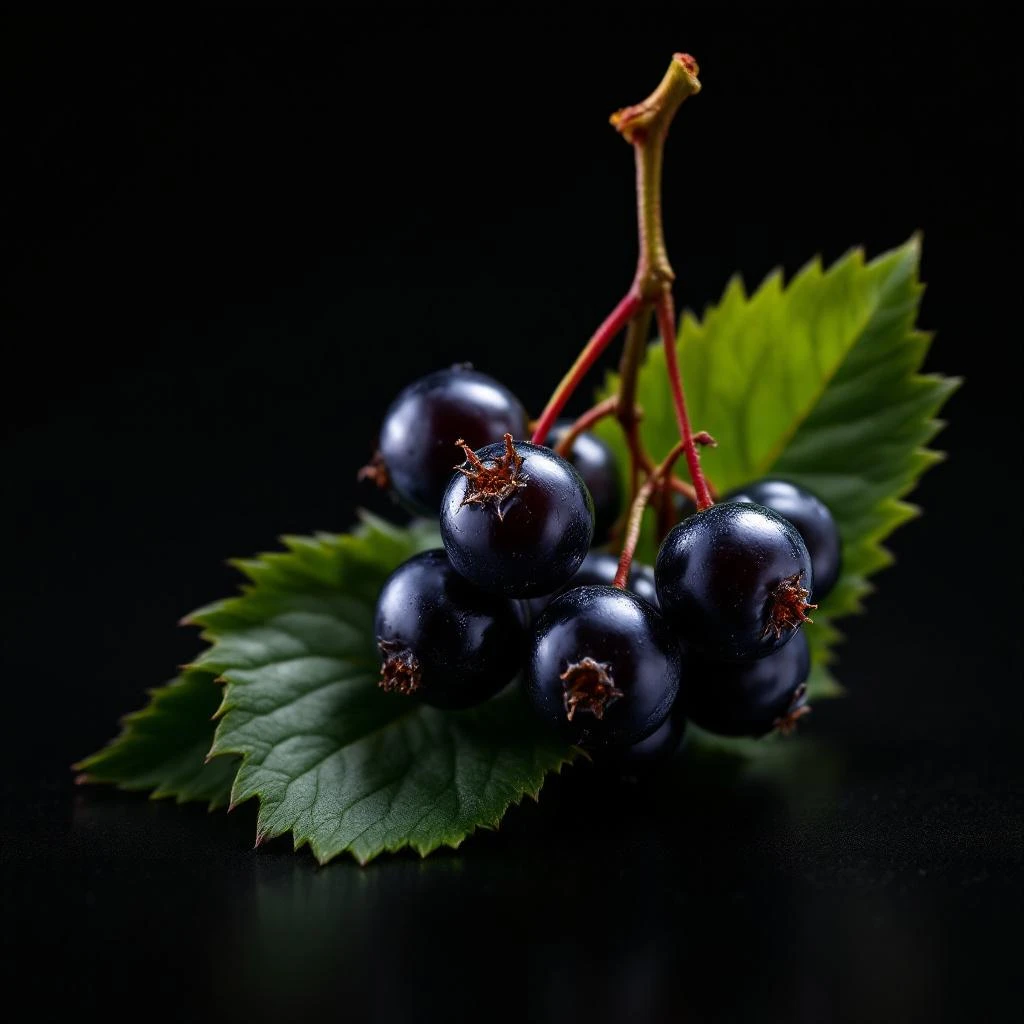
Yumberry brings a luminous, sun-ripened sweetness to fragrance compositions. This modern perfumery note captures the essence of a berry that has been cherished in East Asian gardens for centuries, translating its vibrant freshness into liquid form.
Character
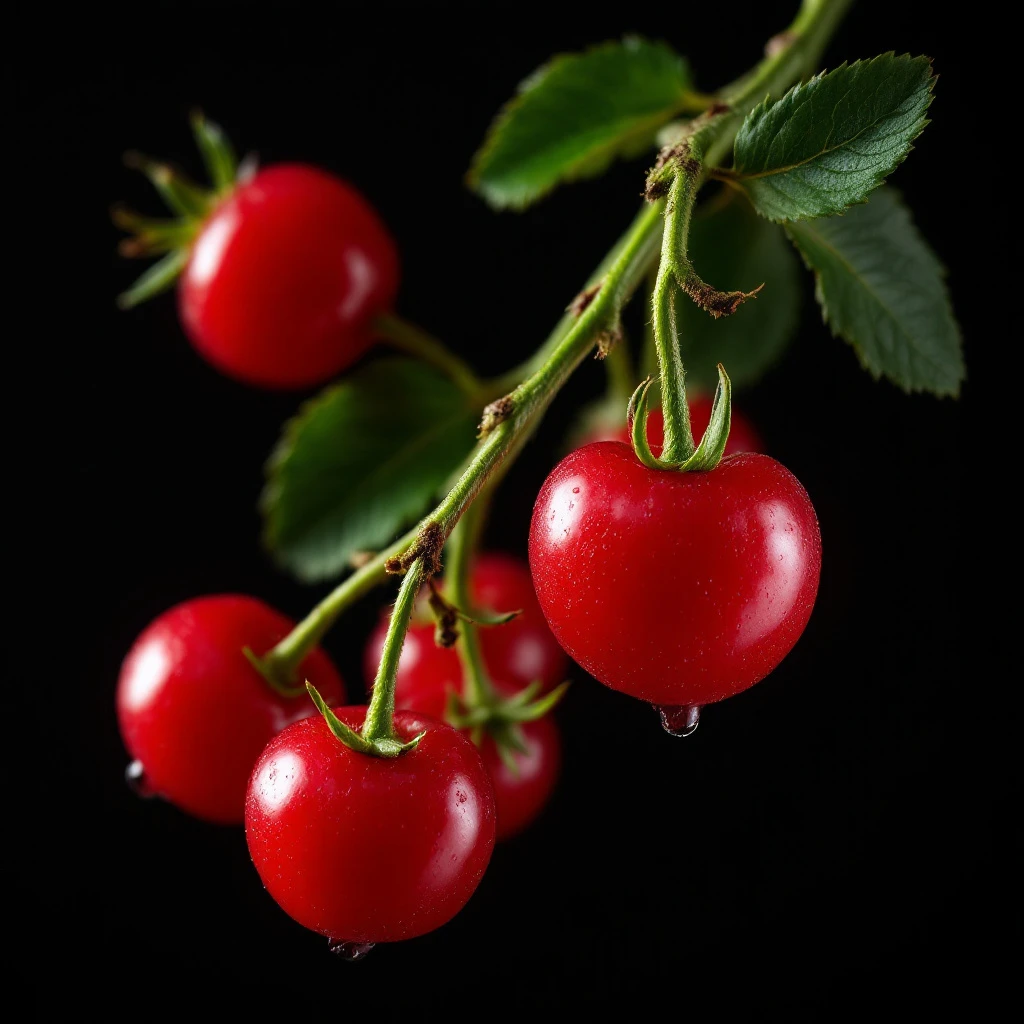
How it smells
Bright, sun-kissed sweetness in every drop
The same compounds that give yumberry its signature aroma also appear naturally in ripe strawberries, creating an unexpected kinship between these distant fruits.



Origin
China
Yumberry, or Myrica rubra, originated in the mountain regions of southern China where it has grown wild for over two millennia. Chinese cultivation records document yumberry orchards dating to the Han Dynasty, making it one of the oldest cultivated fruits in East Asia.
For centuries, the berry served purposes beyond the kitchen, appearing in traditional medicine and local preparations. Western perfumery only discovered yumberry in recent decades, as globalization opened access to ingredients once confined to regional markets.
The name itself represents a creative rebranding for international audiences, derived from yangmei, the fruits Mandarin Chinese name. This modern naming strategy mirrors how perfumers have historically adapted ingredients for new markets, much as the Mesopotamians developed solvent extraction around 1200 BCE to capture aromatic compounds previously unavailable to them.
Wears it best
Fragrances featuring Yumberry
Brands
Brands known for Yumberry
Good to know
Questions, answered
The essentials on Yumberry in perfumery: how it smells, where it comes from, and how it behaves on skin.
What does yumberry smell like in perfume?
Yumberry delivers a bright, jammy sweetness with subtle tart undertones. It reads as a sophisticated strawberry-raspberry hybrid with a refreshing quality that lifts heart and top notes.
Is yumberry a natural or synthetic ingredient?
Yumberry in perfumery is produced through biotechnology. The delicate fruit cannot survive traditional extraction methods, so producers cultivate its signature aromatic compounds using microbial fermentation.
How long has yumberry been used in fragrances?
Yumberry emerged as a perfumery ingredient within the last two decades. Its introduction parallels the broader industry shift toward biotech-produced ingredients that replicate fragile natural profiles.
What type of fragrances typically feature yumberry?
Yumberry appears most often in fruity florals and contemporarycitrus compositions. Its brightness makes it ideal for summer scents, womens fragrances, and any formula seeking a modern, accessible sweetness.
Can yumberry replace other berries in perfumery?
Yumberry works alongside rather than replaces traditional berry notes. It complements raspberry and strawberry while offering a unique tartness that adds dimension to fruit-forward compositions.
Does yumberry have any traditional perfumery history?
No. While yumberry has 2000 years of culinary history in China, its use in Western perfumery is entirely modern, beginning only as global ingredient access expanded.
Is yumberry considered sustainable as an ingredient?
Biotech production of yumberry is considered more sustainable than attempting to extract the delicate fruit. It requires less land and water while eliminating seasonal harvest limitations.
What chemistry defines yumberrys aroma?
The profile comes from specific sulfur compounds and esters, particularly ethyl 2-methylbutyrate, which create its characteristic bright, fruity signature when produced through biotech methods.