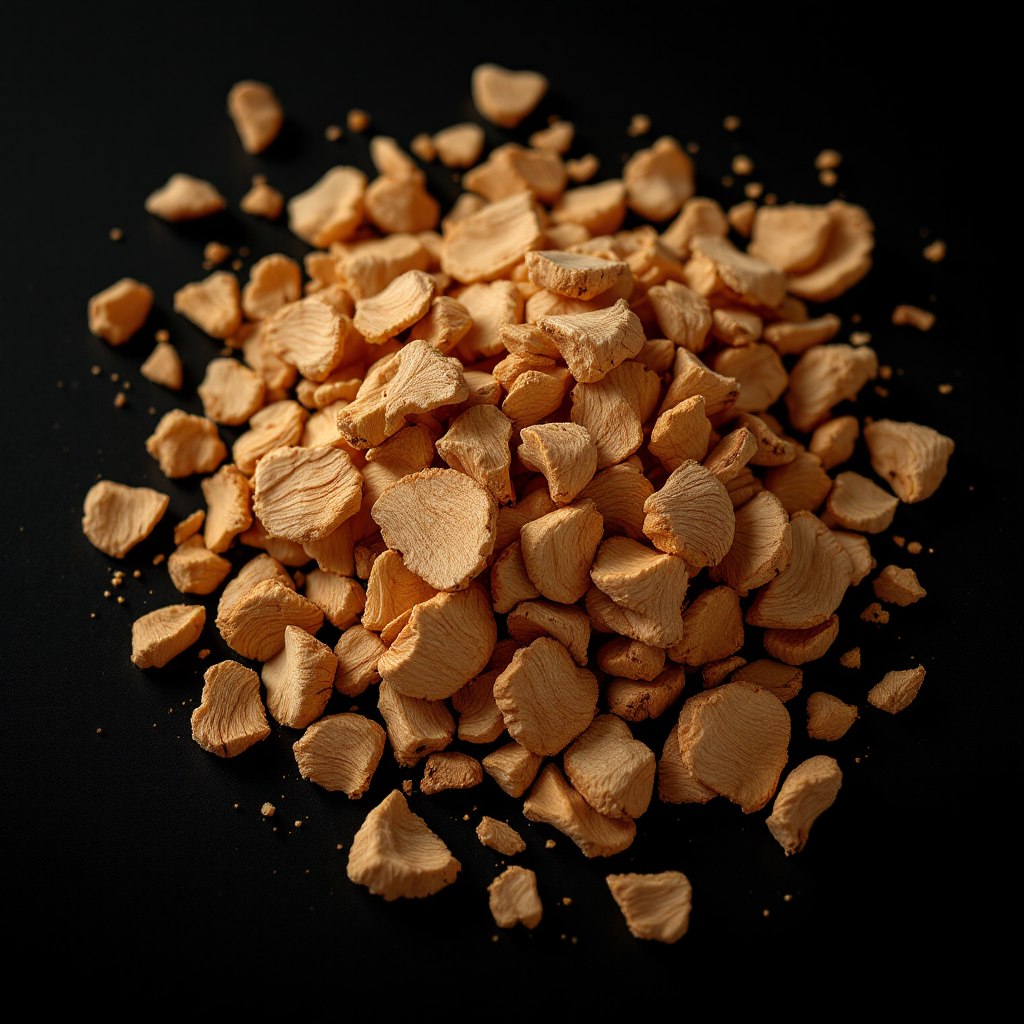
Siberian Fir Needle
Siberian fir needle oil captures the crisp, resinous character of a frozen Russian forest. Its sharp pine aroma carries a clean, balsamic sweetness that instantly transports you to snow-covered evergreen groves, making it a staple in fresh, woody fragrances.
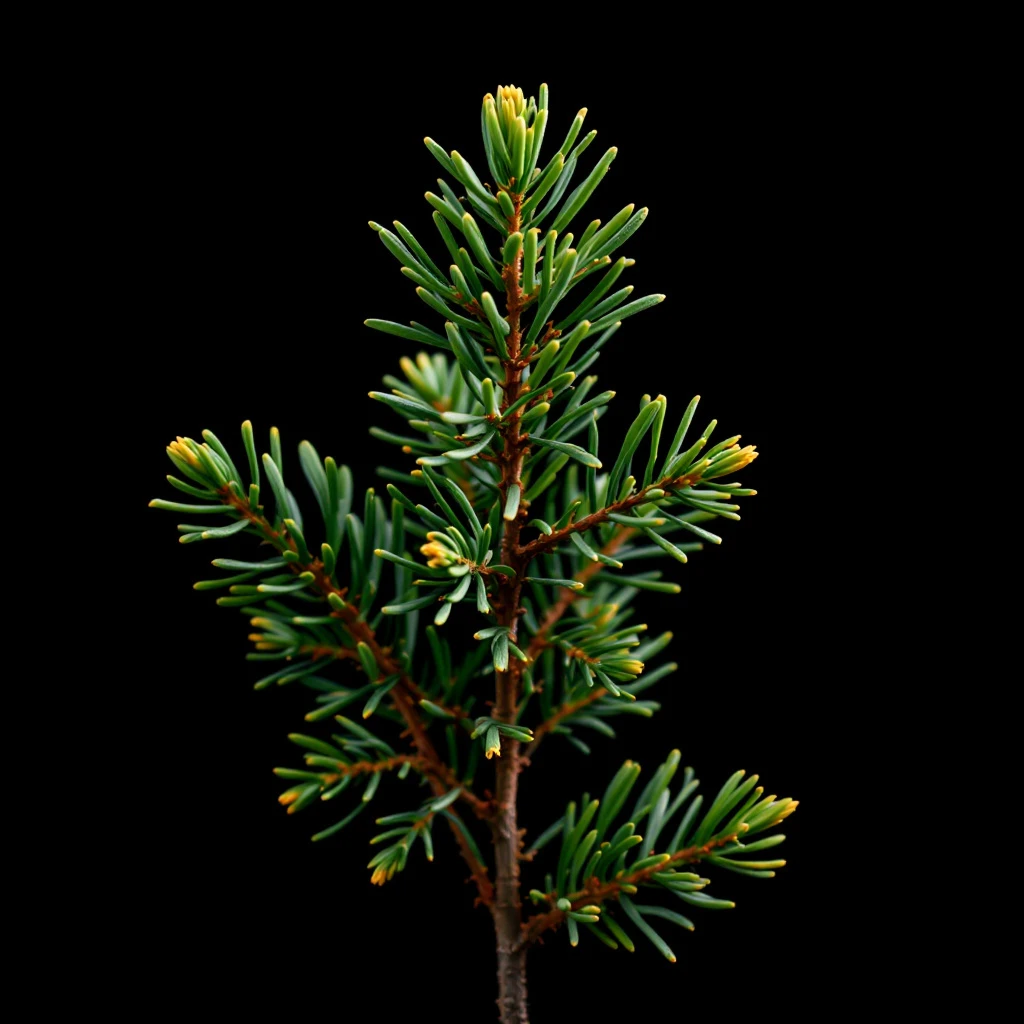
Character
How it smells
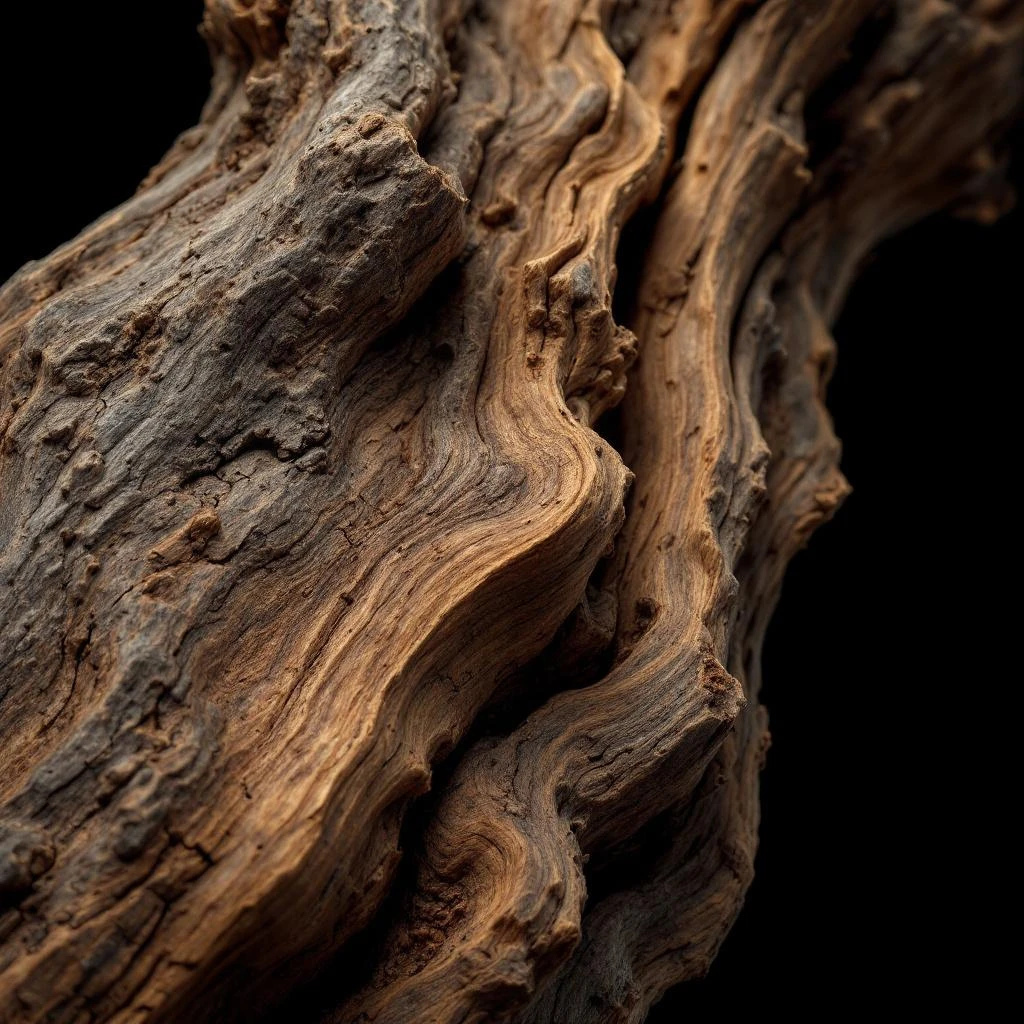
Crisp evergreen from the frozen forests of Siberia
Abies sibirica can survive temperatures dropping to minus 60 degrees Celsius, concentrating aromatic compounds in its needles to extreme levels.





Origin
Russia
Siberian fir holds deep cultural significance across Russia, Mongolia, and northern China, where indigenous peoples long used fir needle preparations in traditional medicine and ritual smudging. Russian traders introduced the essential oil to European markets in the 18th century, where perfumers immediately valued its intense green-pine character for masculine and forest-themed compositions. The vast taiga forests of Siberia, covering millions of hectares, provided an abundant natural resource that fueled early Russian essential oil trade.
During the Soviet era, state-run botanical research programs cultivated standardized cultivation methods for Abies sibirica, recognizing both its commercial value and ecological importance. Contemporary perfumers continue sourcing primarily from wild-harvested stands in Siberia and Kazakhstan, maintaining centuries-old relationships between harvesters and the boreal forest.
Wears it best
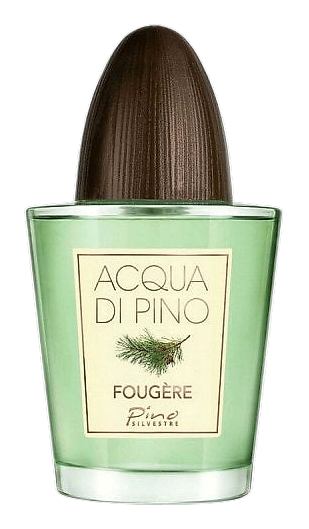
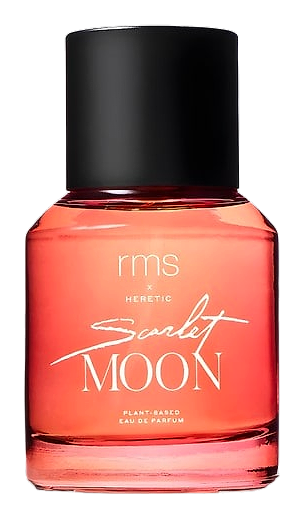
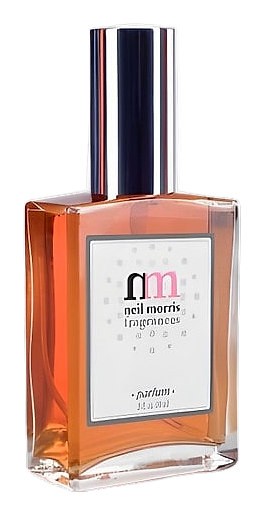
Fragrances featuring Siberian Fir Needle
Brands
Brands known for Siberian Fir Needle
Good to know
Questions, answered
The essentials on Siberian Fir Needle in perfumery: how it smells, where it comes from, and how it behaves on skin.
What does Siberian fir needle oil smell like?
It opens with a sharp, fresh pine aroma that evokes standing among snow-covered evergreen trees. The scent carries a clean, balsamic sweetness with subtle camphoraceous undertones and a crisp, resinous finish.
Where does Siberian fir needle oil come from?
Abies sibirica grows wild across the Siberian and Mongolian taiga, with commercial production concentrated in Russia's Irkutsk region and eastern Kazakhstan. The trees thrive in cold climates at latitudes above 55 degrees north.
How is Siberian fir needle oil produced?
Producers harvest needles and young twigs, then run them through steam distillation for four to six hours. The live steam carries volatile compounds from the plant material, which then condense into essential oil after cooling.
What chemicals give Siberian fir its characteristic aroma?
Alpha-pinene typically comprises 30 to 40 percent of the oil, with significant amounts of bornyl acetate, limonene, beta-pinene, and camphene contributing to its fresh, resinous character.
Is Siberian fir needle oil sustainable?
Wild-harvested stands in the taiga require careful rotational cutting to prevent overharvesting. Certified producers limit annual extraction to maintain healthy forest ecosystems and tree regeneration rates.
What fragrance families use Siberian fir needle?
It appears most often in fougere, chypre, and aromatic masculine compositions. Niche houses also use it in forest, outdoor, and winter seasonal fragrances for its authentic evergreen character.
How does cold weather affect Siberian fir needle oil quality?
Trees growing in extreme cold produce needles with higher concentrations of protective aromatic compounds, resulting in oil with more intense pine character and greater fragrance depth.
Can Siberian fir needle oil be synthesized?
Pinene and bornyl acetate are available as isolated aroma chemicals, but natural Siberian fir oil contains dozens of trace compounds that create its full, complex forest character no synthetic blend fully replicates.