Yucca
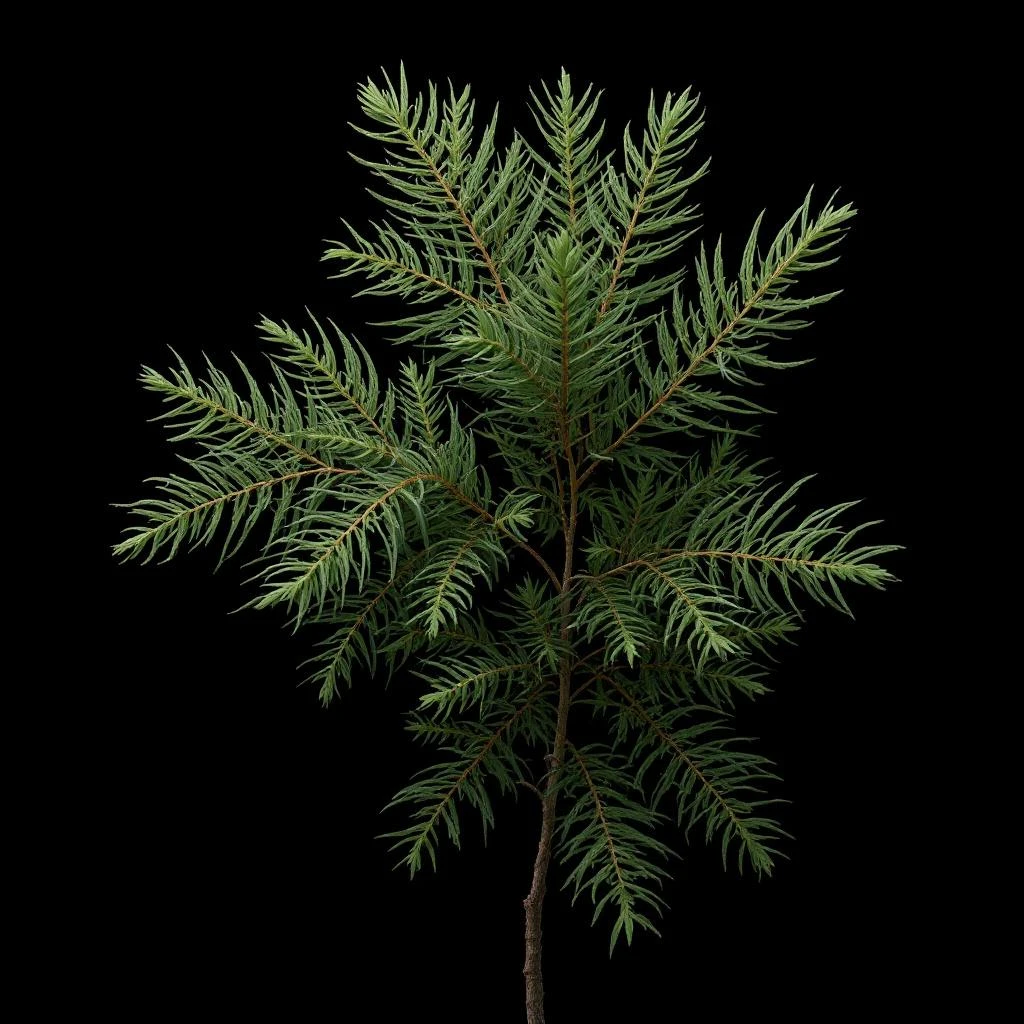
Yucca brings a quiet strength to fragrance. Native to the arid landscapes of North and Central America, this desert plant has transitioned from sacred cleansing ritual to a nuanced perfumery ingredient, valued for its green, slightly soapy character that grounds and stabilizes scent compositions.
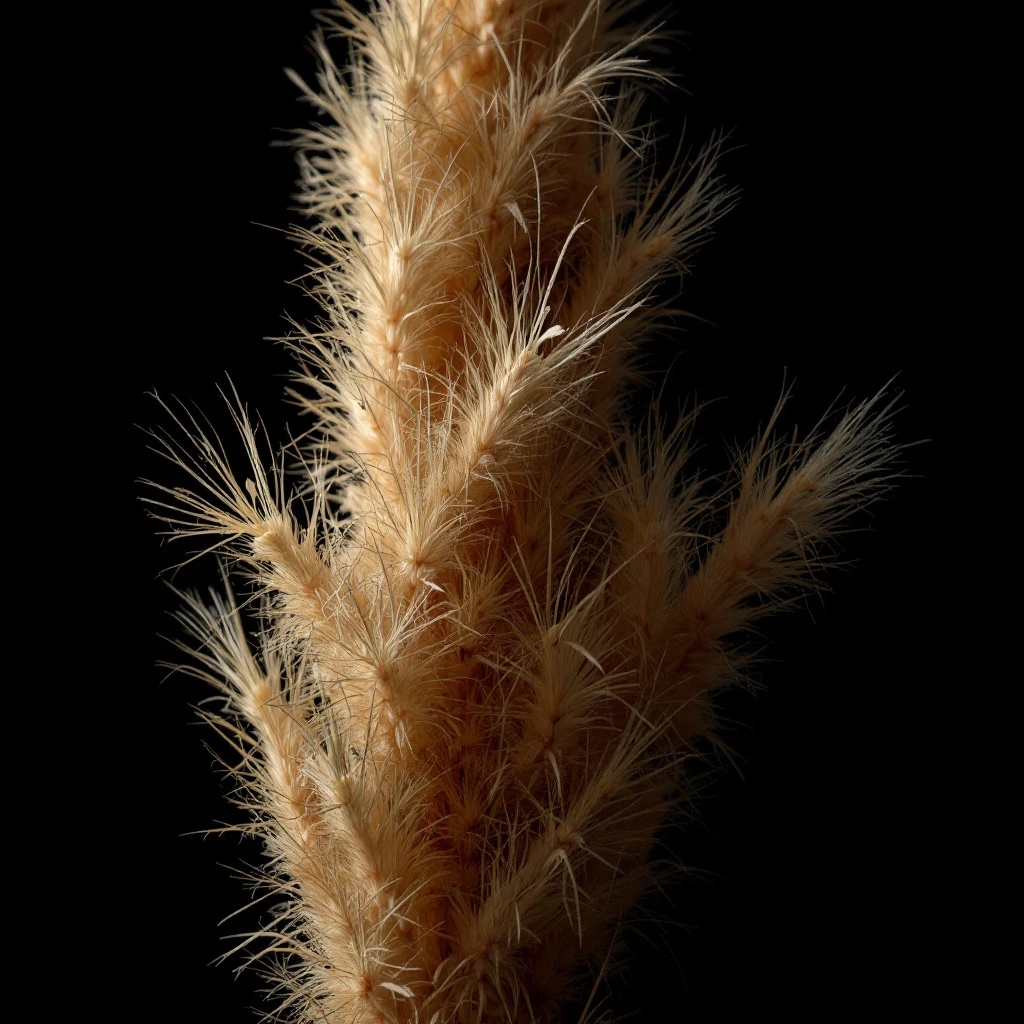
Character
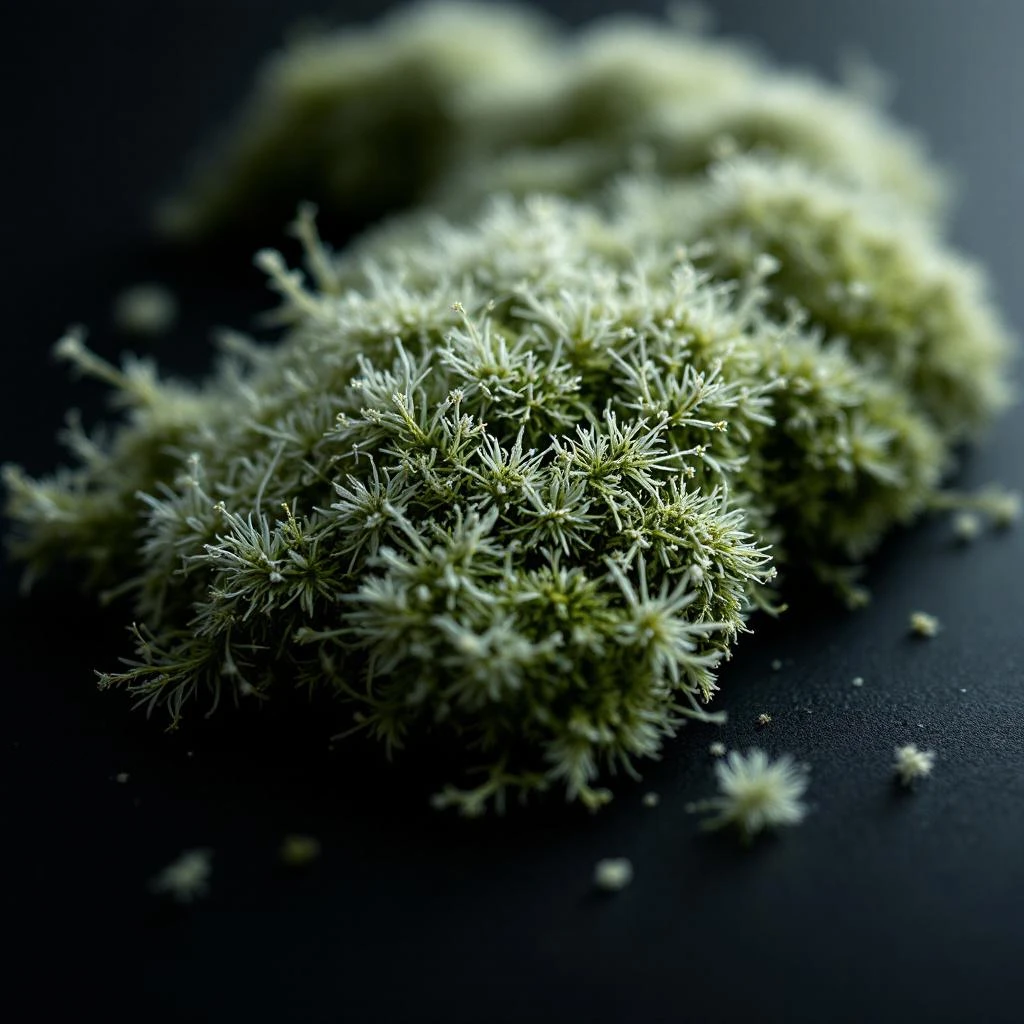
How it smells
Desert strength in every note.
Native Americans used yucca root to create a natural shampoo, and the word 'soap' appears in no indigenous language except when describing this plant.


Origin
United States
For centuries, indigenous peoples of the American Southwest and Mexico harvested yucca for practical purposes long before perfumery existed. They converted the plant's roots into shampoo and soap, a use so effective that Spanish colonists adopted the practice, calling it 'soap plant.' The plant held ceremonial significance in many tribes, used in ritual purification.
When perfumers began exploring North American botanical ingredients in the late 19th and early 20th centuries, yucca extract found its place as a fixative and scent modifier rather than a starring note. Its contribution to fragrance remains subtle but meaningful, embodying a bridge between indigenous knowledge and modern perfumery practice.
Wears it best
Fragrances featuring Yucca
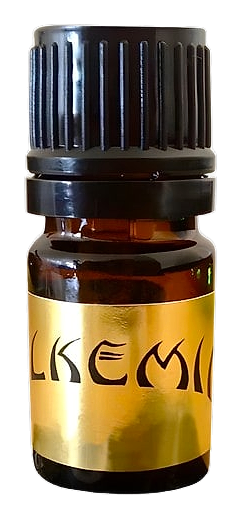
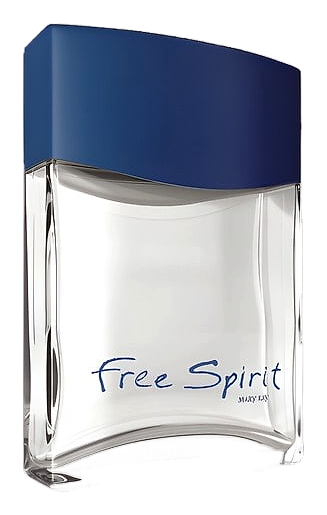
Brands
Brands known for Yucca
Good to know
Questions, answered
The essentials on Yucca in perfumery: how it smells, where it comes from, and how it behaves on skin.
What does yucca smell like in perfume?
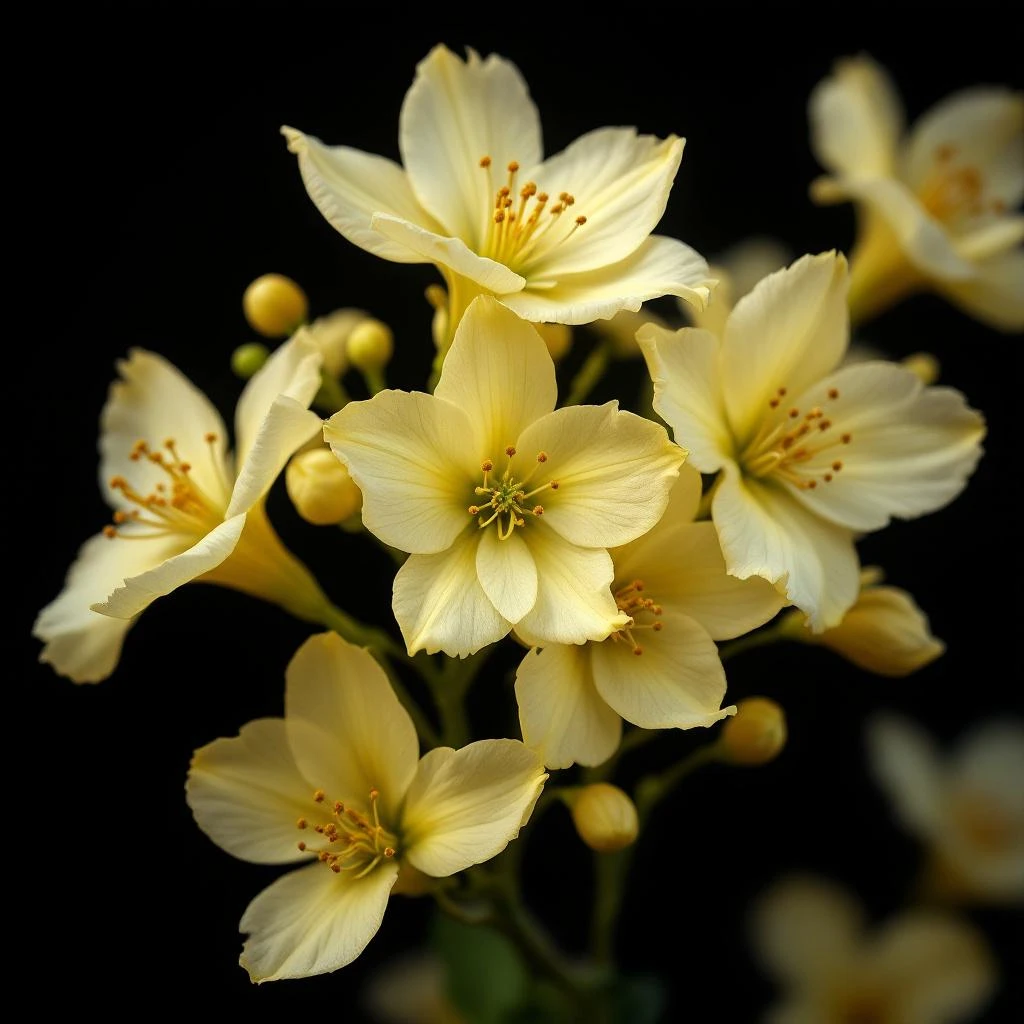
Yucca extract offers a clean, green scent with subtle soapy undertones and faint floral hints from the blossoms. It functions as a supporting note that adds freshness and helps compositions feel more natural rather than overtly synthetic.
Is yucca a natural fragrance ingredient?
Yes, yucca provides a natural alternative to synthetic fresh notes. The extract derives from plant material through solvent extraction, making it suitable for natural and botanical fragrance lines seeking clean, green aromatic profiles.
What part of the yucca plant is used in perfumery?
Perfumers primarily use the roots, which contain high concentrations of saponins, the compounds responsible for the plant's natural cleansing properties and distinctive fresh character.
Does yucca appear in men's or women's fragrances?
Yucca works across gender categories because it contributes a clean, versatile freshness. You will find it more frequently in fresh and aquatic fragrance families, where its natural green quality enhances the overall composition.
What extraction method produces yucca extract?
Solvent extraction yields yucca absolute from the plant material. Some producers prefer supercritical CO2 extraction for a more complete aromatic capture, though both methods aim to isolate the saponins and volatile compounds that give yucca its characteristic scent.
Where does commercial yucca for perfumery originate?
The primary botanical sources grow across the southwestern United States and northern Mexico, where arid conditions concentrate the plant's saponin content and aromatic compounds.
How does yucca function in a fragrance formula?
Yucca extract serves as a fixative and modifier in perfumery. It helps top notes linger longer while contributing its fresh, clean character that makes compositions feel more grounded and natural.
Has yucca been used historically in perfumery?
Yucca entered perfumery relatively recently compared to ancient ingredients like frankincense or myrrh. Its use emerged alongside 20th-century interest in North American botanicals, though indigenous peoples had utilized the plant for cleansing purposes for centuries.





