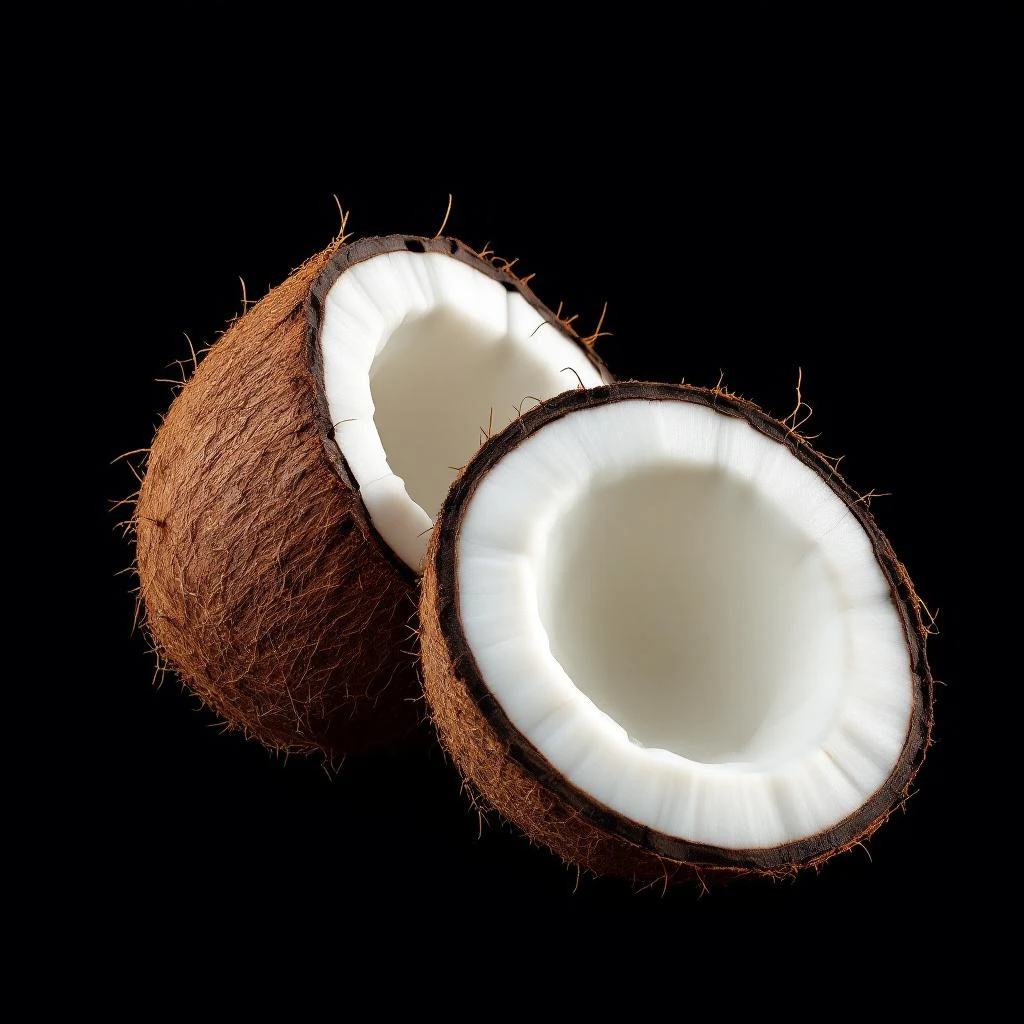
Wine Grape
Wine grapes contribute fermented, jammy, and subtly sulfurous notes to perfumery. The ingredient captures the rich complexity of crushed grape must and aged wine lees.
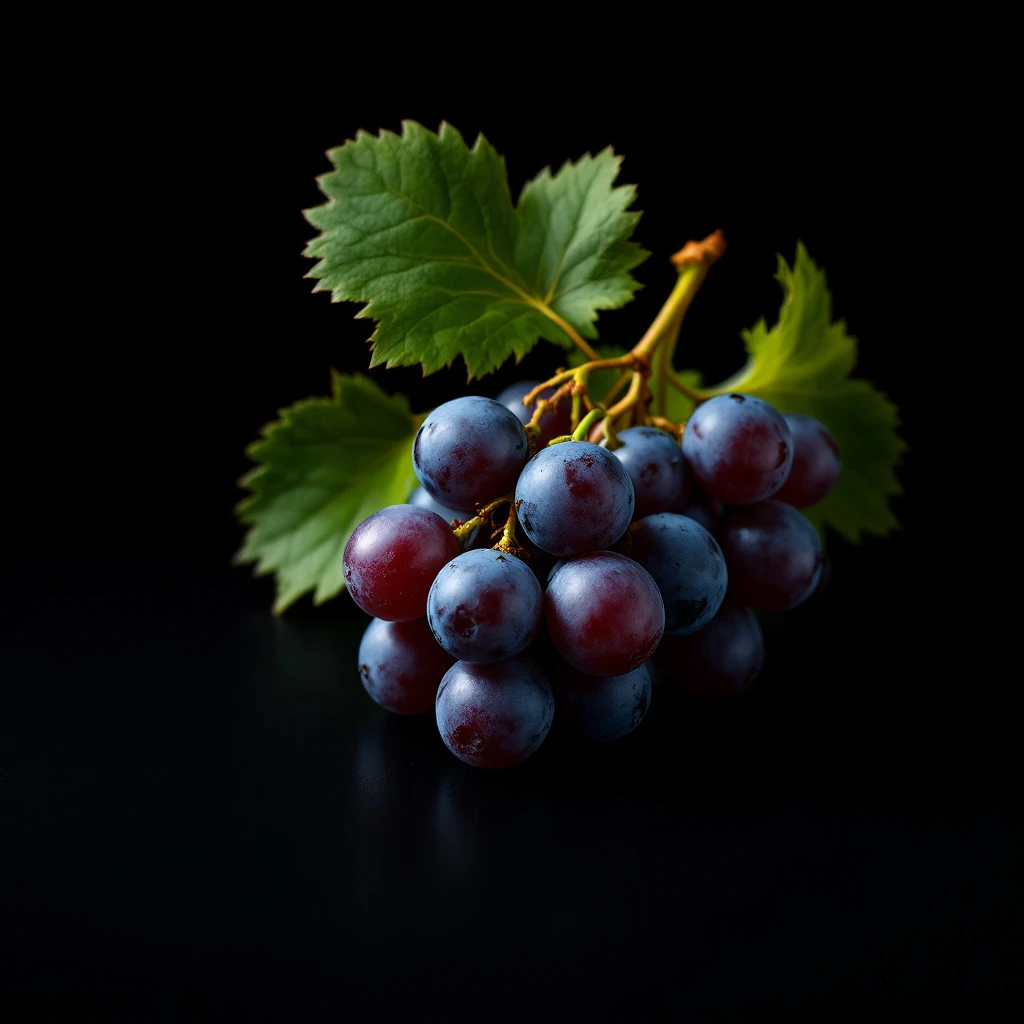
Character
How it smells
The essence of fermented fruit, captured.
Cognac essential oil, a grape-derived perfumery ingredient, is extracted from wine lees left behind after cognac production.







Origin
France
The first documented use of grapes in perfumery dates to ancient Egypt around 2000 BCE, where they appeared in Kyphi—a sacred incense formulation combining mashed grapes with honey, myrrh, and wine. These pastille-like fumum perfumes served both ritualistic and funerary purposes, marking wine grapes as one of civilization's earliest aromatic materials. The ancient Greeks and Romans later developed sophisticated winemaking techniques that deepened understanding of grape aromatics.
During the Middle Ages, Arabian alchemists refined distillation methods that would eventually allow for more precise extraction of wine-derived scents. The modern perfumery application crystallized in France's Cognac region, where distillers discovered that wine lees—a byproduct of cognac production—yielded a distinctive aromatic oil. This cognac essential oil became a valued ingredient in 19th-century French perfumery, prized for its smooth, winey character and subtle sulfurous undertones that added depth to amber and oriental compositions.
Today, cognac oil remains the primary wine grape-derived ingredient used in fine perfumery, connecting contemporary formulations to an unbroken lineage stretching back four millennia.
Wears it best
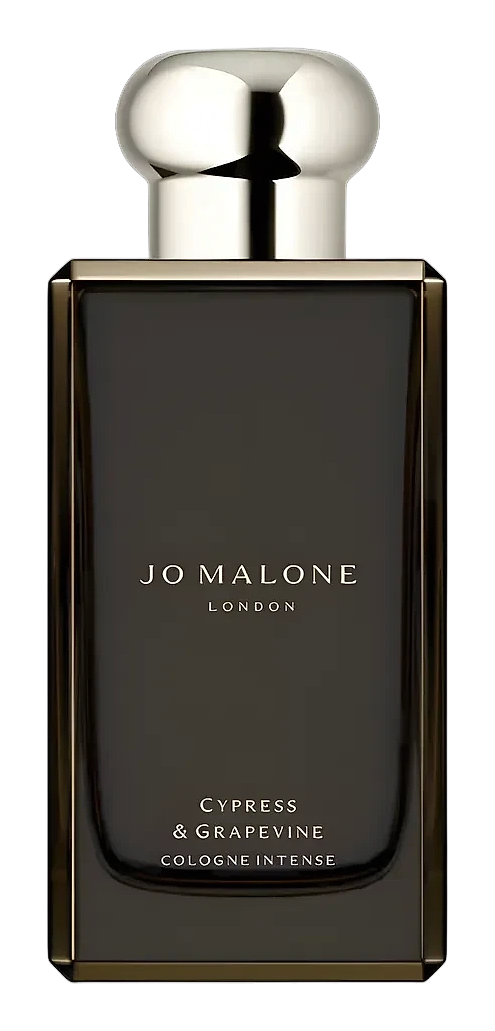
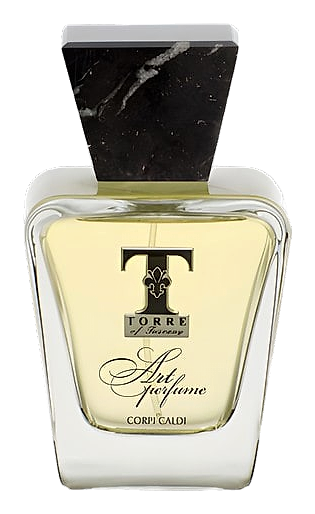
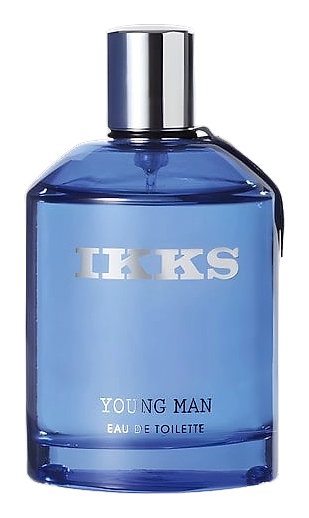
Fragrances featuring Wine Grape
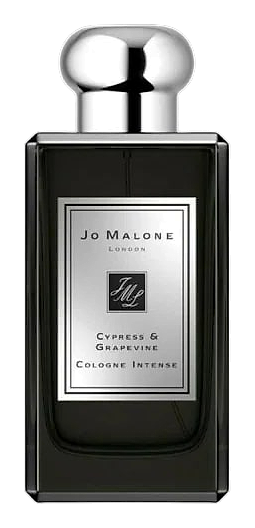
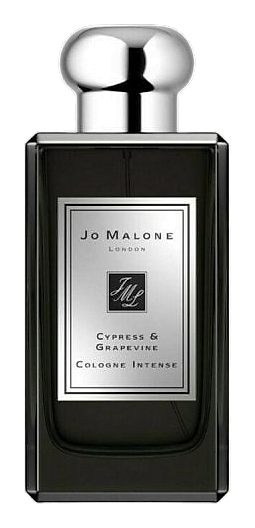
Brands
Brands known for Wine Grape
Good to know
Questions, answered
The essentials on Wine Grape in perfumery: how it smells, where it comes from, and how it behaves on skin.
What does wine grape smell like in perfume?
Wine grape delivers rich, winey notes with jammy fruit and subtle fermented undertones. Cognac oil adds smooth, slightly sulfurous warmth that enhances amber and oriental compositions.
Is wine grape natural or synthetic?
Wine grape is natural. Cognac essential oil comes from wine lees, a byproduct of cognac production that would otherwise go to waste.
What part of the grape plant is used in perfumery?
Perfumers use wine lees—sediment remaining after winemaking. Grapes are pressed and fermented, then the leftover byproduct provides the aromatic material.
What extraction method produces wine grape oil?
Hydrodistillation extracts cognac essential oil from wine lees. Steam passes through the fermented sediment, carrying volatile aromatic compounds into condensation.
Where does wine grape oil originate?
France's Cognac region produces most wine grape oil. The area's cognac-making tradition generates wine lees as a byproduct, which are then distilled for perfumery.
What fragrances traditionally feature wine grape?
Amber and oriental fragrances commonly showcase wine grape. The note adds warmth and fermented depth to complex compositions.
How long has wine grape been used in perfumery?
Wine grape has been used since ancient Egypt around 2000 BCE. It appeared in Kyphi incense, combining grapes with honey, myrrh, and wine.
Does wine grape contain sulfur compounds?
Yes. Hydrodistillation preserves sulfur-containing molecules from fermentation. These give cognac oil its characteristic smooth, slightly sulfurous quality.