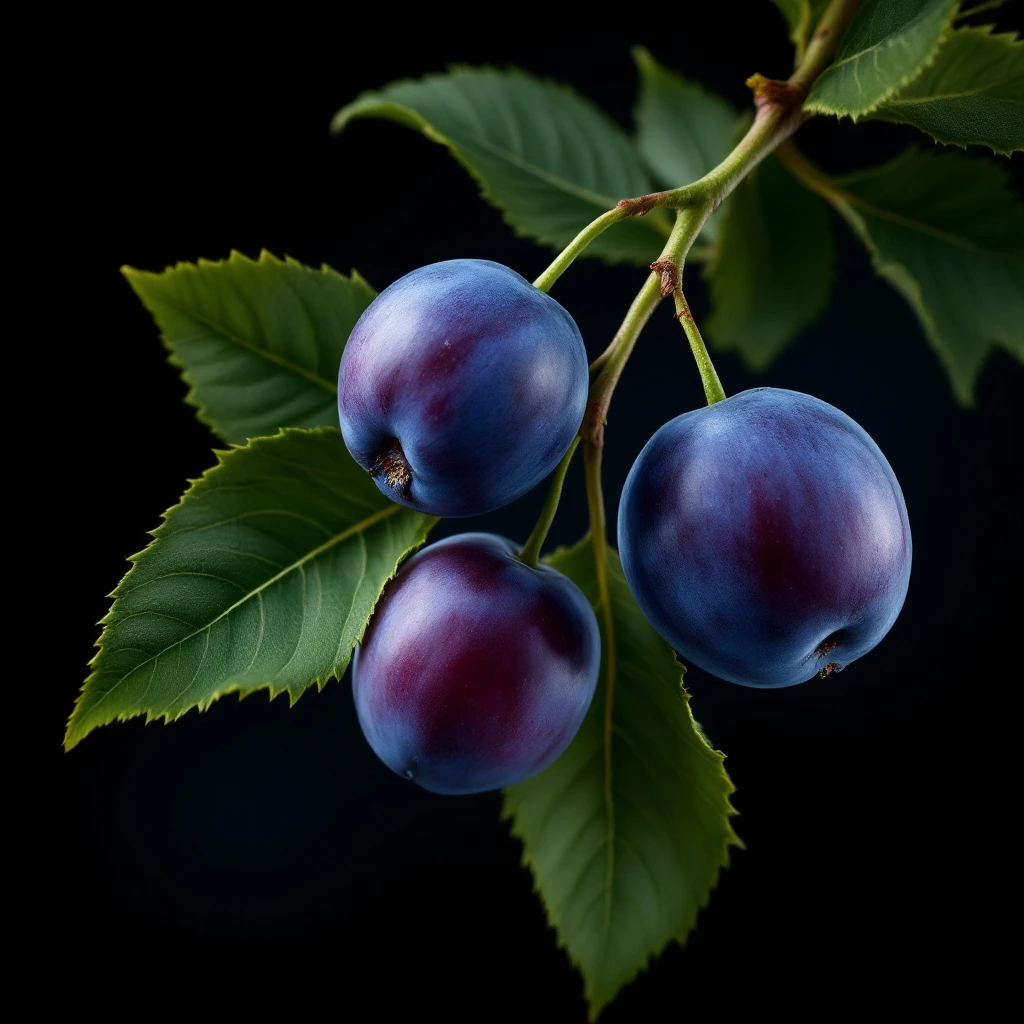
Wild Plum
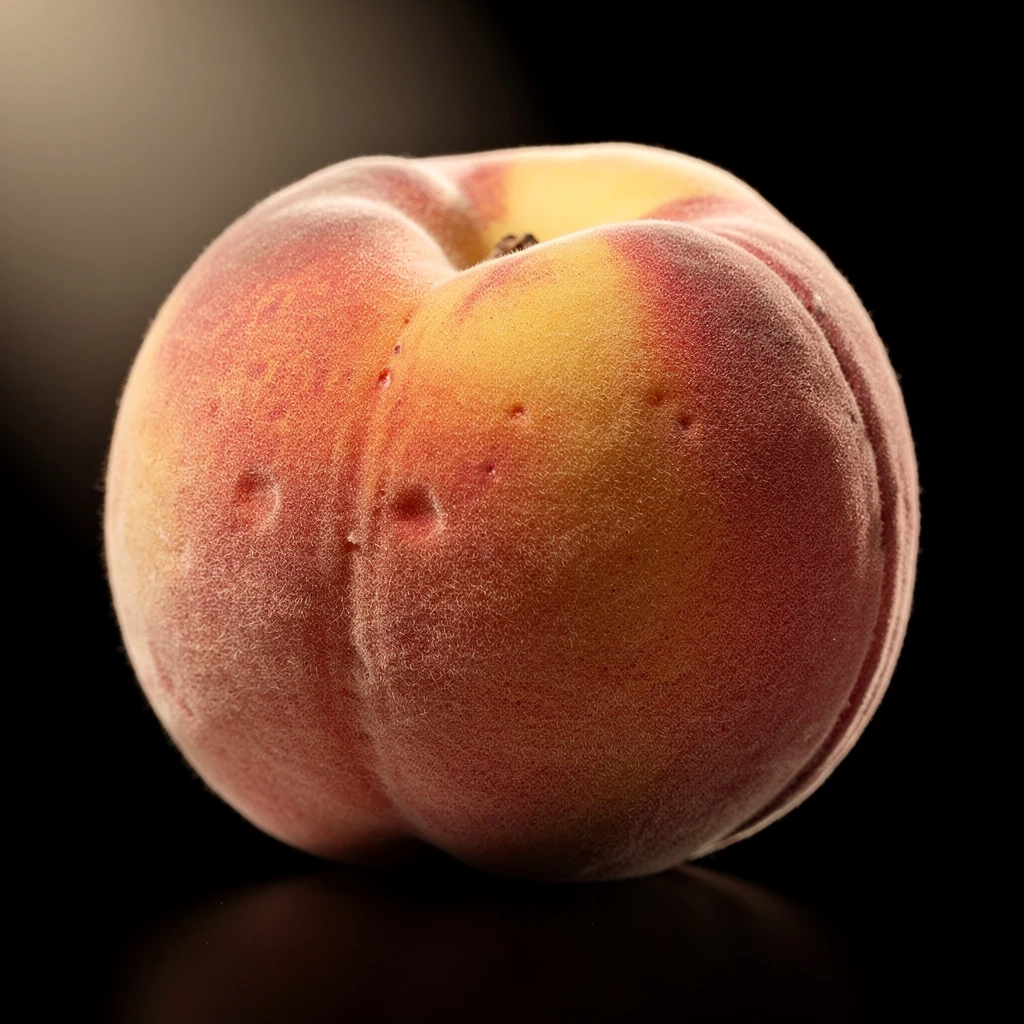
Wild Plum captures the intoxicating sweetness of sun-ripened stone fruit at peak season. Its aroma balances tartness and honeyed depth, evoking summer orchards and the first bite into perfectly ripe fruit.
Character
How it smells
Sun-ripened stone fruit in a bottle.
True plum absolute costs more per kilogram than gold, which is why most perfumers rely on lab-crafted alternatives to capture its fruity richness.


Origin
Japan
Plum has deep roots in East Asian culture, particularly in Japan where ume plums have shaped culinary and medicinal traditions for centuries. Japanese ume and Chinese plum species appear in everything from ume paste to plum liqueur, reflecting the fruit's cultural importance across the region.
Unlike Western perfumery traditions built on floral absolutes, East Asian aromatic practices incorporated fruit and botanical elements earlier. Plum entered Western fragrance composition in the late 19th and early 20th centuries, coinciding with the rise of oriental and chypre families. The commercial synthesis of benzaldehyde in the early 1800s made plum-like aromatic compounds more accessible to perfumers.
Today, Wild Plum appears in niche and commercial fragrances alike, valued for its ability to evoke natural abundance and nostalgic sweetness.
Wears it best
Fragrances featuring Wild Plum
Brands
Brands known for Wild Plum
Good to know
Questions, answered
The essentials on Wild Plum in perfumery: how it smells, where it comes from, and how it behaves on skin.
Is Wild Plum a natural or synthetic ingredient?
Almost entirely synthetic. Natural plum absolute exists but costs too much for practical perfumery use. Perfumers recreate Wild Plum using key aromatic compounds like benzaldehyde and benzyl acetate that mirror the fruit's scent profile.
What aromatic compounds give Wild Plum its characteristic smell?
Three primary compounds create the plum scent profile: benzaldehyde provides bitter-almond nuance, benzyl acetate adds fruity sweetness, and benzyl alcohol contributes faint floral depth. These compounds together produce an authentic plum character.
Can Wild Plum stand alone as a fragrance note?
Wild Plum works best as a supporting note rather than a solo feature. It lacks the projection to carry a fragrance alone. Pairing it with complementary florals, woods, or musks creates the balanced, full-bodied scent most perfumers aim for.
Where do the plum varieties used in Wild Plum fragrance come from?
The primary origin is Japan, where ume plums originate. Damson plums from Europe and other East Asian regions also contribute to the broader plum profile used in perfumery.
What fragrance families pair well with Wild Plum?
Wild Plum harmonizes exceptionally with oriental and gourmand families, especially jasmine, osmanthus, sandalwood, vanilla, and tonka bean. It also works with woody and aromatic companions like cedar, vetiver, and geranium in lighter applications.
How long does Wild Plum last as a fragrance note?
Wild Plum functions as a heart-to-top note with moderate persistence. Expect 3-5 hours on skin depending on concentration and surrounding notes in the formula.
How does Wild Plum differ from other stone fruit notes like peach or apricot?
Wild Plum carries a distinctive tartness and slight astringency that sets it apart. Peach offers buttery sweetness, and apricot brings honeyed warmth. Plum occupies a darker, more complex space in the fruity spectrum.
Is Wild Plum suitable for both men's and women's fragrances?
Yes, Wild Plum adapts across gender presentations. While traditionally considered feminine in lighter, sweeter applications, woody and aromatic pairings shift it toward unisex or masculine territory.