Jackpine
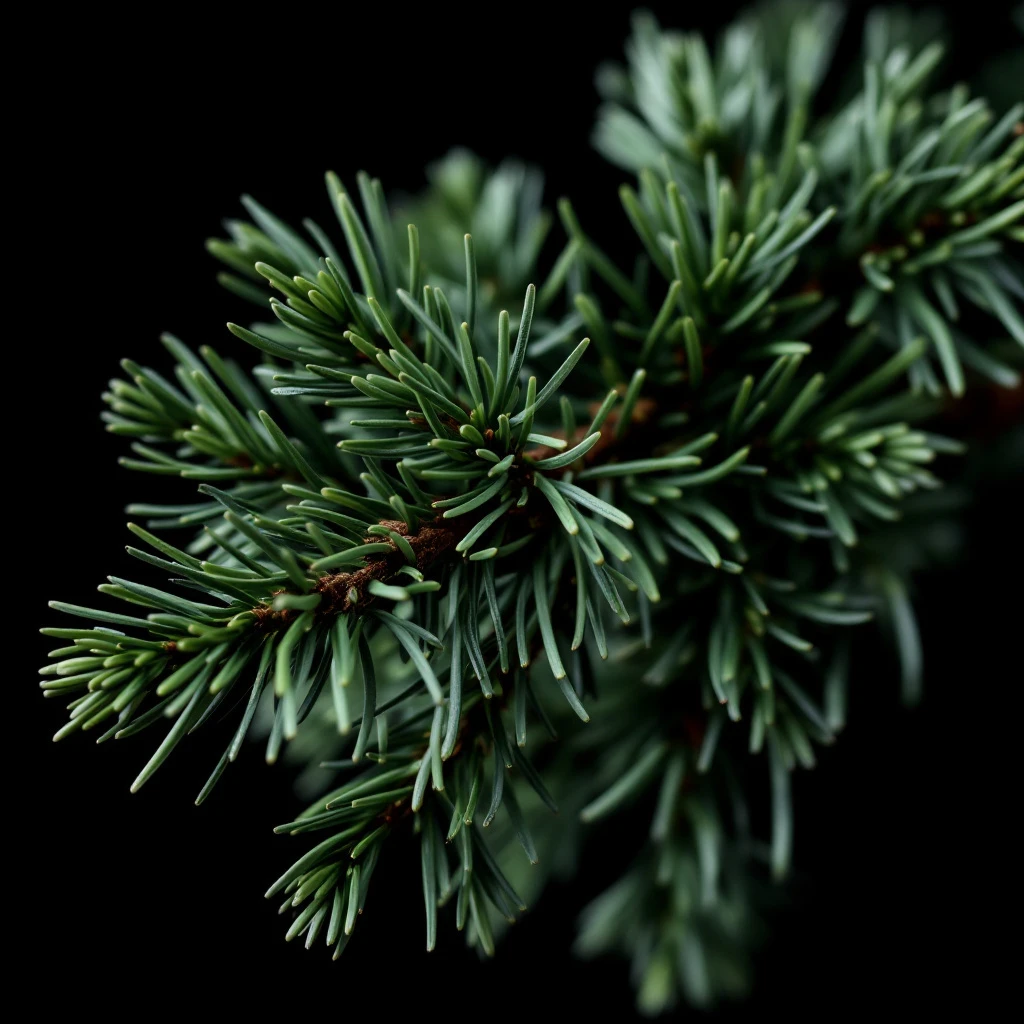
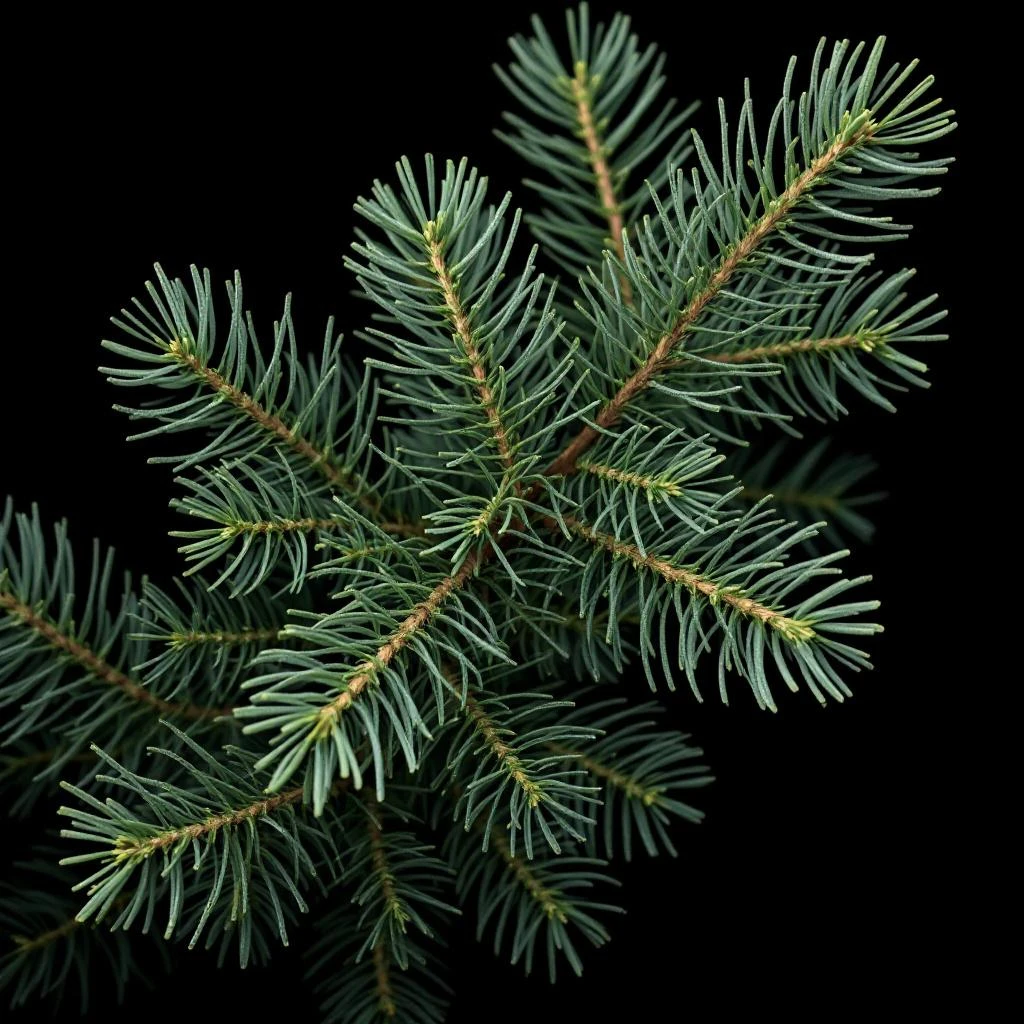
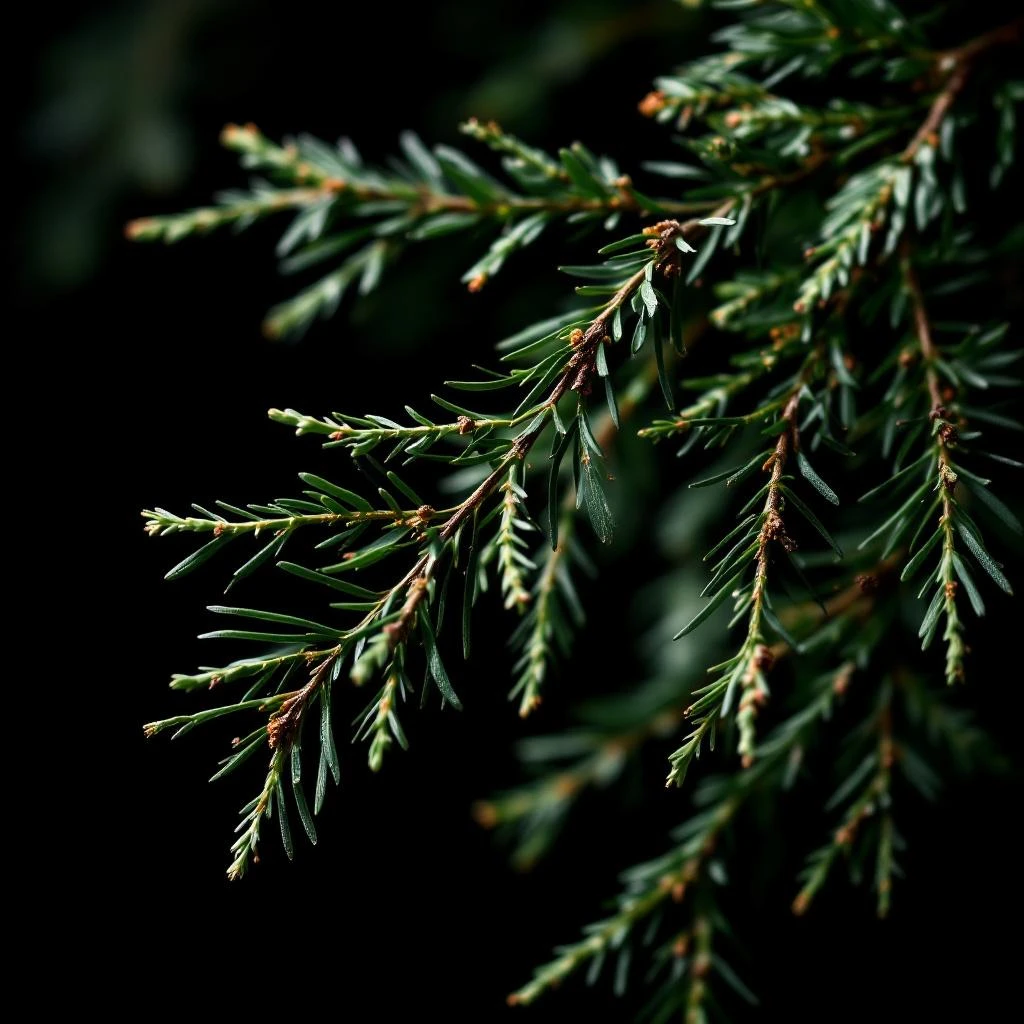
Jackpine captures the untamed spirit of North America's boreal forests—a sharp, resinous needle note with a distinctly wild, almost medicinal edge that sets it apart from cultivated European pines.
Character
How it smells
Sharp resin and wild northern air in a bottle.
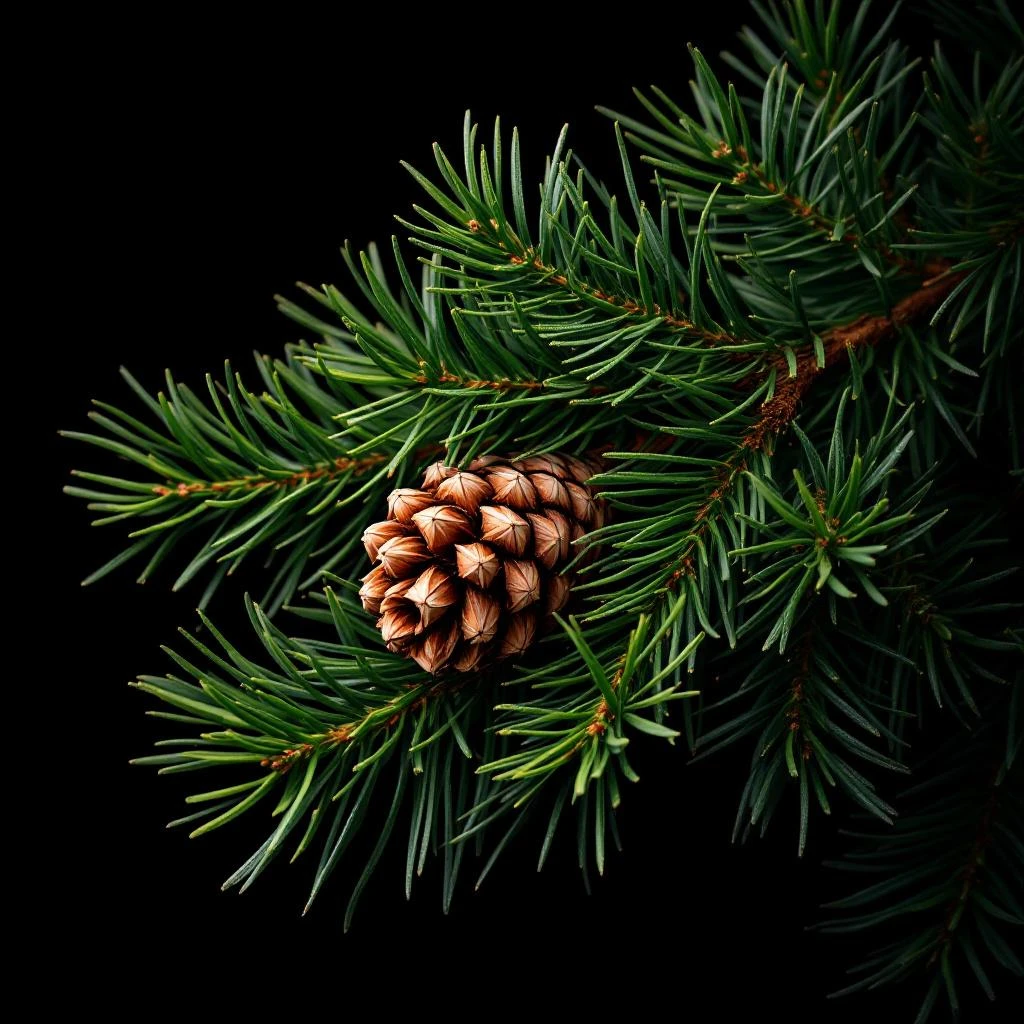
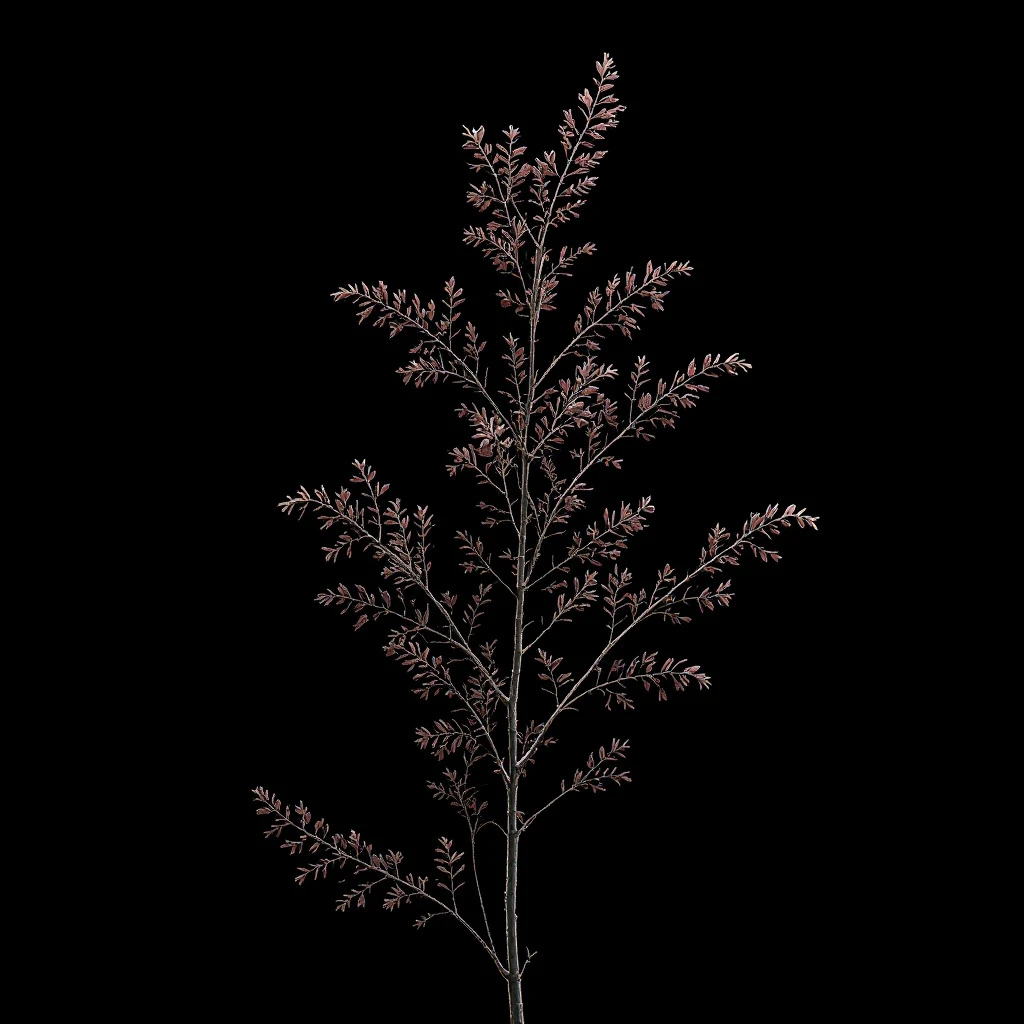
Jackpine cones are sealed with resin that only melts when forest fires pass through, releasing seeds into the freshly cleared ash beds below.


Origin
Canada
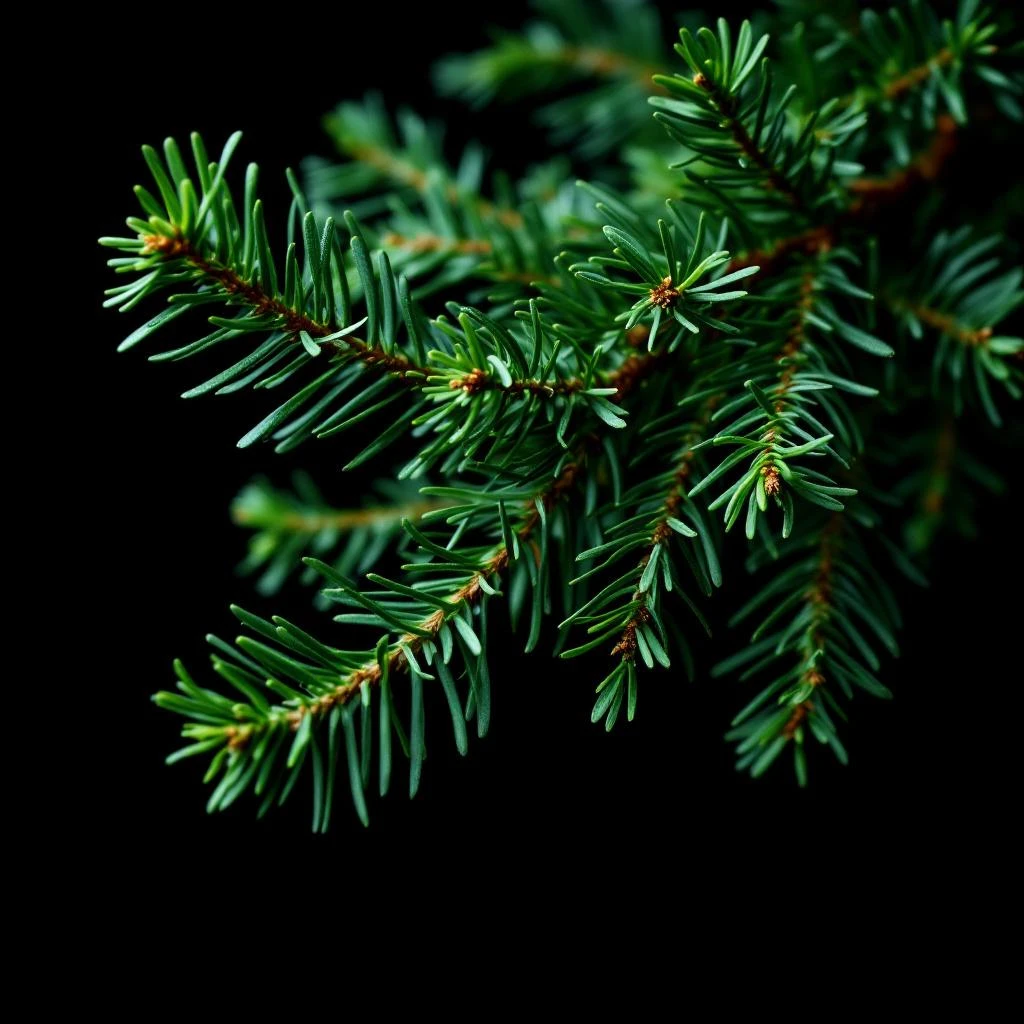
Indigenous peoples of the boreal forest regions used jackpine in traditional medicine and ritual smoke, recognizing the tree's purifying and grounding properties long before chemistry identified the compounds responsible. Early European settlers in the Great Lakes region and eastern Canada valued jackpine for its durable wood and the resinous sap that could be processed into turpentine. The species proved remarkably adapted to poor, sandy soils and cold climates, becoming a dominant tree across millions of acres of Canadian and northern New England forests.
While European perfumers historically favored species like Scots pine and maritime pine, North American natural perfumers began incorporating jackpine in the late 20th century as interest grew in native botanical ingredients. The note remains uncommon in mainstream perfumery but has found a devoted following among artisans working with wildcrafted and regionally-sourced materials.
Wears it best
Fragrances featuring Jackpine
Brands
Brands known for Jackpine
Good to know
Questions, answered
The essentials on Jackpine in perfumery: how it smells, where it comes from, and how it behaves on skin.
What does jackpine smell like?
Jackpine presents a sharp, resinous, and distinctly medicinal pine aroma. Unlike cultivated European pines, it carries a wilder, almost turpentine-like edge with fresh green and woody undertones.
Is jackpine commonly used in commercial perfumes?
Jackpine remains uncommon in mainstream perfumery, appearing mainly in artisanal and natural fragrance lines that emphasize regionally-sourced or wildcrafted ingredients.
How does jackpine differ from other pine notes in fragrance?
Jackpine carries more medicinal and turpentine-like facets than classic pine oils, with a sharper bite and less sweetness. It reads as more rugged and less refined than Scots pine or pine sylvestris.
What chemical compounds dominate jackpine oil?
Alpha-pinene typically comprises 40 to 60 percent of jackpine oil, with significant beta-pinene, limonene, and various monoterpene hydrocarbons contributing to its characteristic aroma.
Can jackpine oil cause skin reactions?
Like most conifer needle oils, jackpine oil contains allergens that require proper dilution. It is classified as a potential sensitizer and should be used at concentrations below 2 percent in finished products.
Is jackpine essential oil sustainably sourced?
Sustainable sourcing depends on the producer. Canadian suppliers typically harvest from managed forests or wildcrafting programs, but limited commercial availability means traceability varies significantly between sources.
What type of fragrance compositions suit jackpine?
Jackpine works well in fougere, chypre, and aromatic compositions. It pairs naturally with other conifers, oakmoss, labdanum, and herbaceous notes like lavender and clary sage.
Does jackpine have traditional uses beyond perfumery?
Indigenous peoples of the boreal forest used jackpine sap and smoke in traditional medicine and ceremonial contexts, primarily for purifying and grounding purposes.