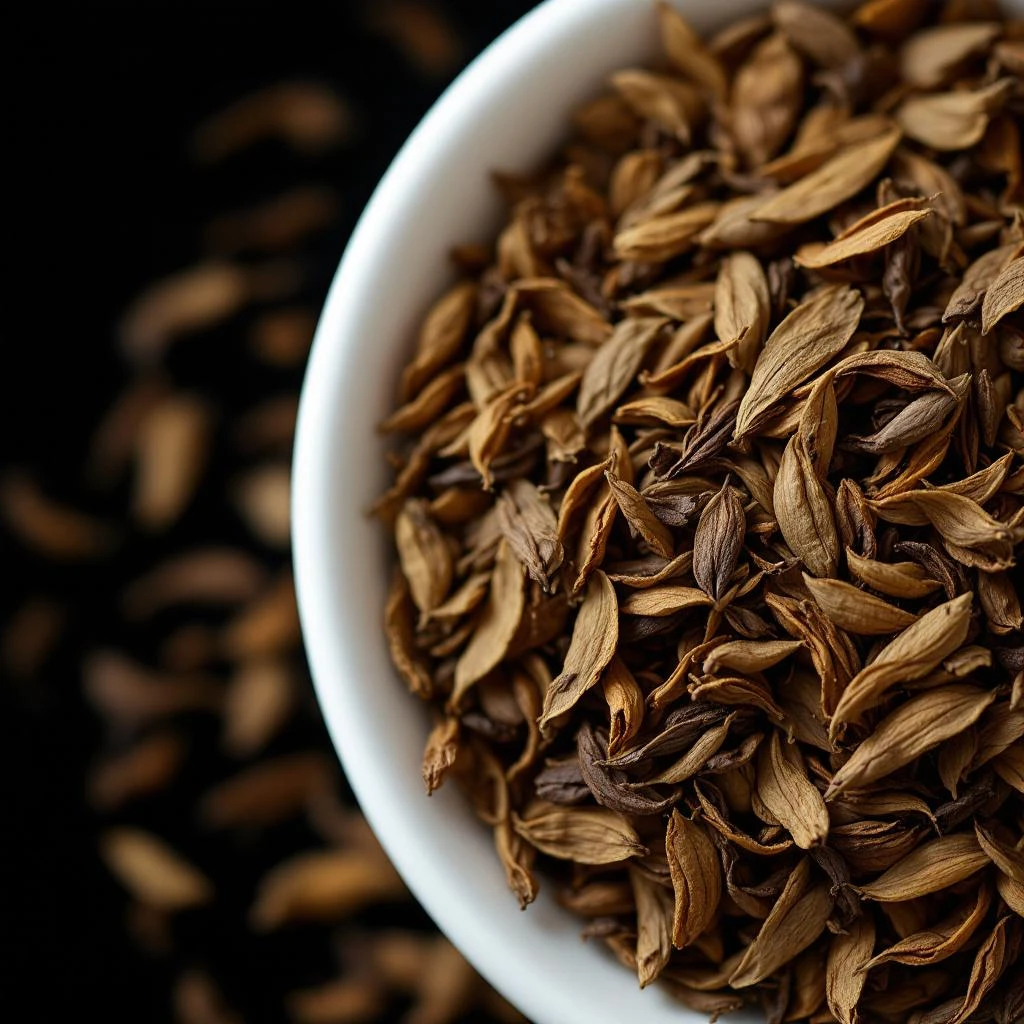
Wild Mint Leaf
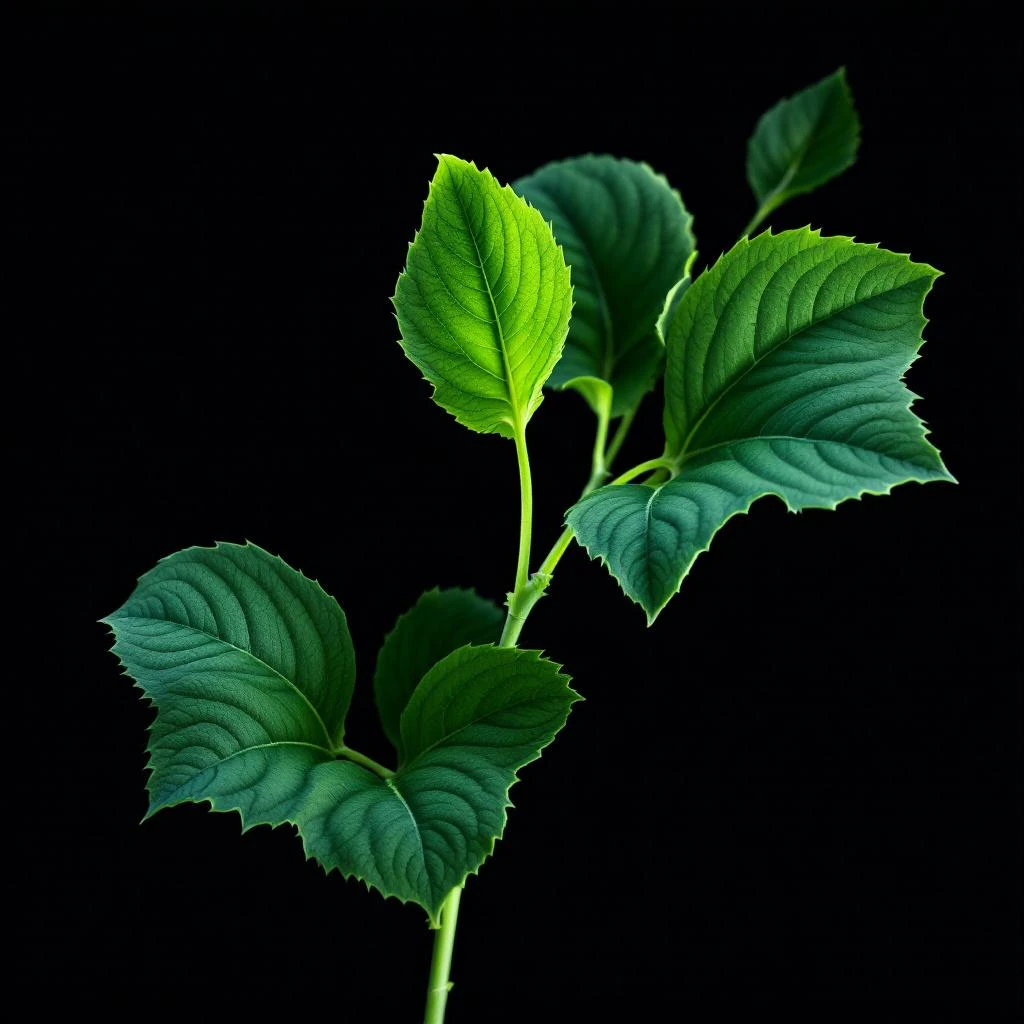
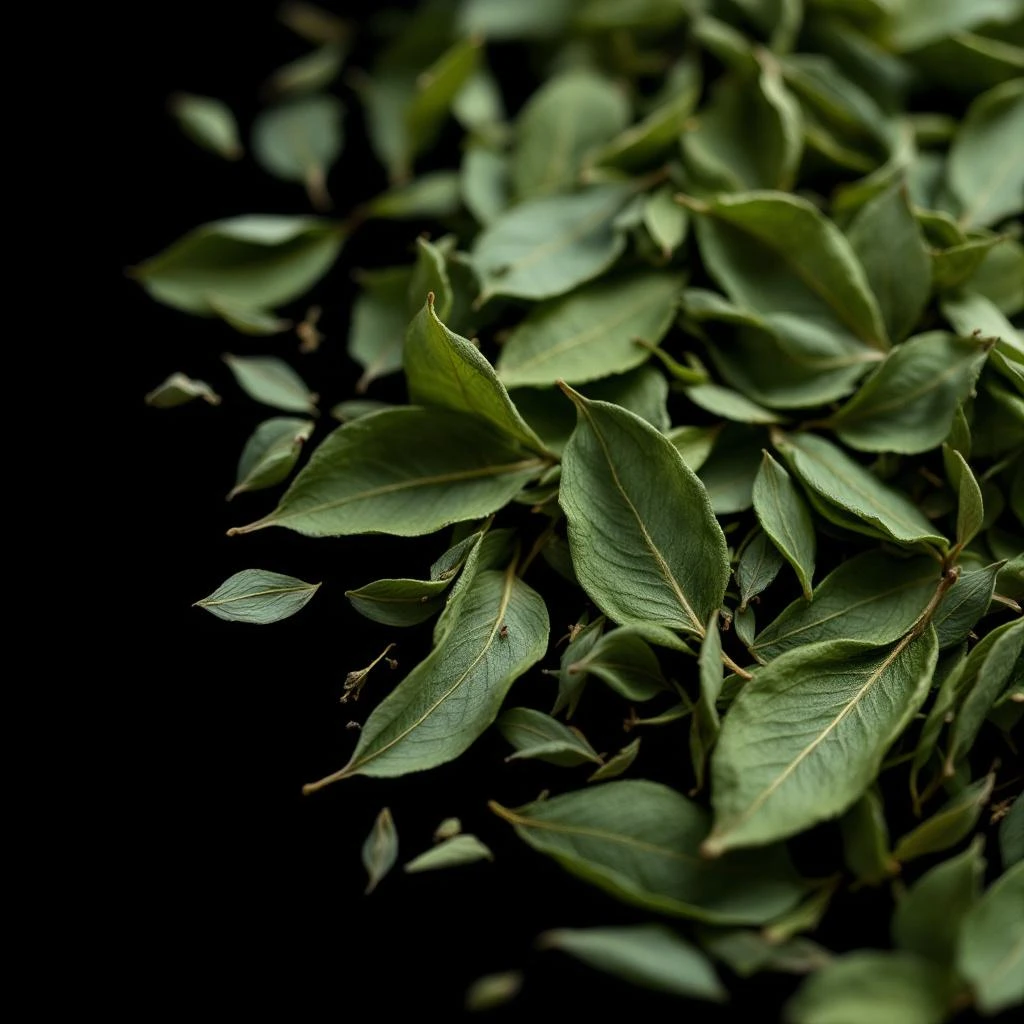
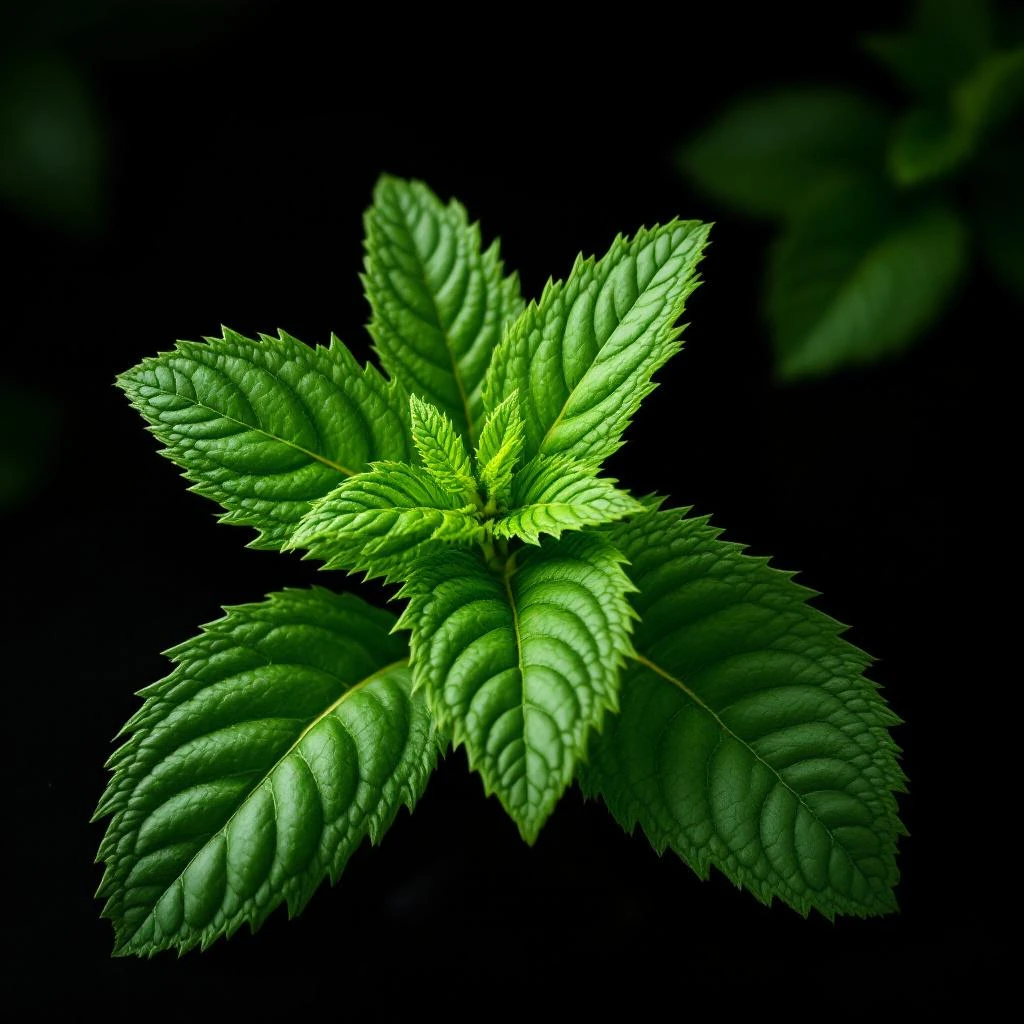
Wild Mint Leaf brings a crisp, cooling freshness that transforms fragrance compositions. Its green, herbaceous character evokes morning dew on garden herbs, delivering immediate energy and invigoration. A staple in bright, aromatic perfumes.
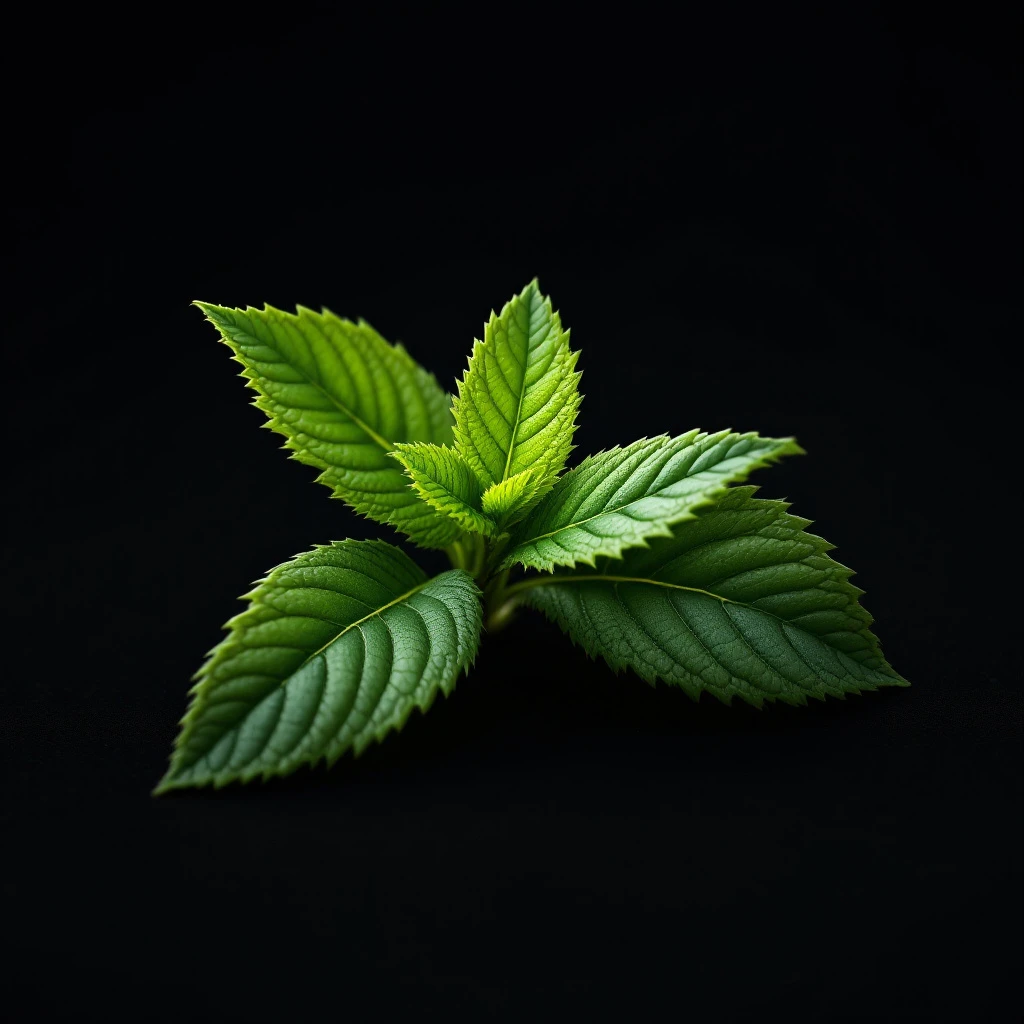
Character
How it smells
Crisp green cooling that energizes from the first note.
The menthol in wild mint activates cold-sensitive receptors in your skin, creating a genuine cooling sensation without any change in temperature.
Origin
India
The ancient Greeks and Romans prized wild mint for its purifying qualities, using it to scent bathwater and ceremonial spaces. Greek athletes freshened their bodies with mint-infused oils before competitions.
By medieval times, monastic gardens across Europe cultivated mint systematically, valuing it for digestive remedies alongside perfumery. The Egyptians layered mint leaves in tombs, believing the scent honored the deceased.
When steam distillation became accessible in the 19th century, mint oil production scaled dramatically, allowing perfumers to incorporate its crisp character into modern fragrance. Today, wild mint remains essential for creating freshness illusions in contemporary perfumery.
Wears it best
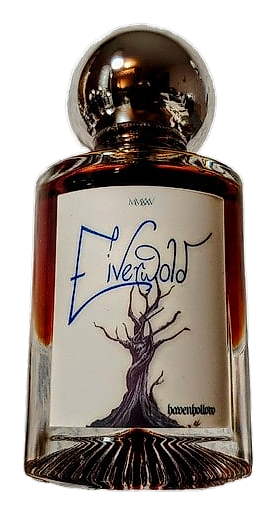
Fragrances featuring Wild Mint Leaf
Brands
Brands known for Wild Mint Leaf
Good to know
Questions, answered
The essentials on Wild Mint Leaf in perfumery: how it smells, where it comes from, and how it behaves on skin.
What fragrance families pair well with Wild Mint Leaf?
Wild Mint Leaf works exceptionally in fougere, chypre, and aromatic fragrance families. It pairs naturally with lavender, rosemary, and other herbaceous notes. In citrus compositions, it amplifies brightness. Against warmer bases like sandalwood or amber, it creates striking contrast.
Does Wild Mint Leaf come from cultivated or wild plants?
Most commercial Wild Mint Leaf oil derives from cultivated Mentha species grown in controlled environments. True wild-harvested mint exists but represents a small fraction of perfumery supply. Cultivation ensures consistent menthol content and sustainable sourcing.
How does Wild Mint Leaf differ from peppermint or spearmint?
Wild Mint Leaf typically offers a more herbaceous, less sweet profile than spearmint. Compared to peppermint, it carries lower menthol content, resulting in a gentler cooling effect. The result is a balanced, green freshness without overwhelming intensity.
What role does harvest timing play in mint oil quality?
Leaves harvested just before blossoming contain the highest concentration of volatile aromatic compounds. Harvesting too early yields underdeveloped scent, while late harvest allows essential oils to migrate toward flowers, reducing leaf oil potency.
Can Wild Mint Leaf be synthetically replicated?
Synthetic menthol mimics the cooling sensation but lacks the full complexity of natural wild mint oil. Natural oil contains trace compounds beyond menthol that create botanical authenticity. Most premium fragrances prefer natural mint for this reason.
How long does Wild Mint Leaf oil retain its scent?
Properly stored mint oil remains potent for 2-3 years. Exposure to heat, light, and oxygen degrades quality faster. Amber glass bottles and cool storage extend shelf life significantly.
What geographical regions produce the finest wild mint?
India leads global mint oil production, particularly Uttar Pradesh and Punjab states. The United States, Morocco, and China also cultivate high-quality mint. Climate and soil composition influence the final aromatic profile substantially.
At what concentration is Wild Mint Leaf typically used in perfumes?
Wild Mint Leaf appears at 1-5% concentration in fragrance concentrates for top note effect. Higher concentrations risk overwhelming other ingredients. Skilled perfumers use it sparingly to lift and refresh the composition without dominating.