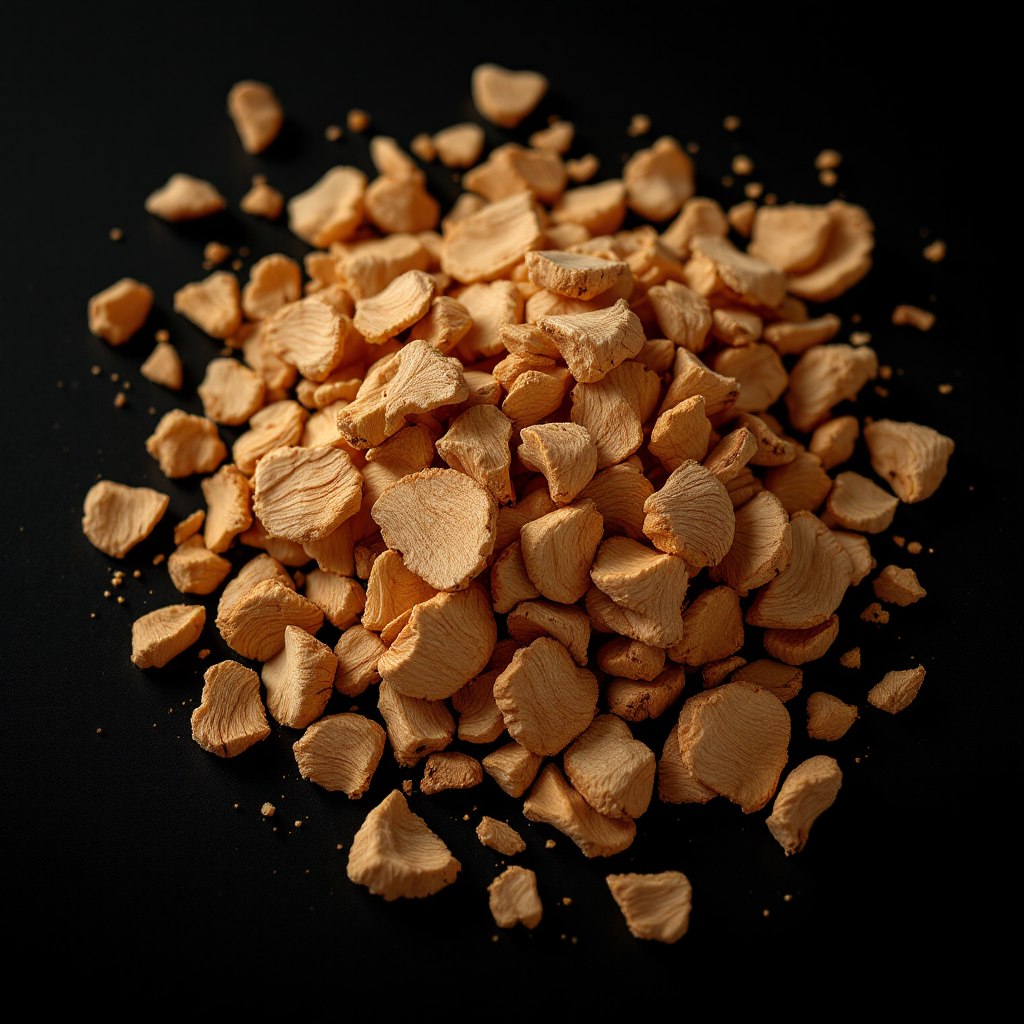
Cherry Tree Bark
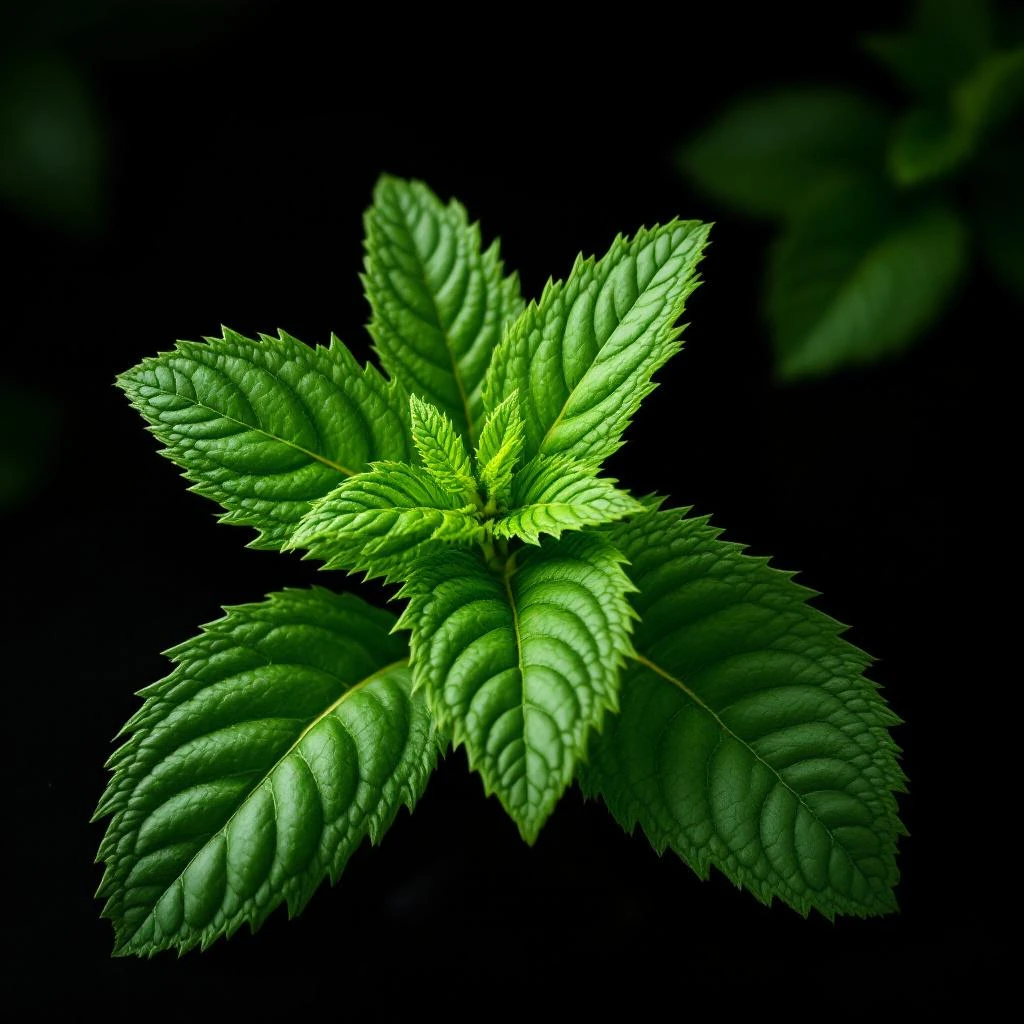
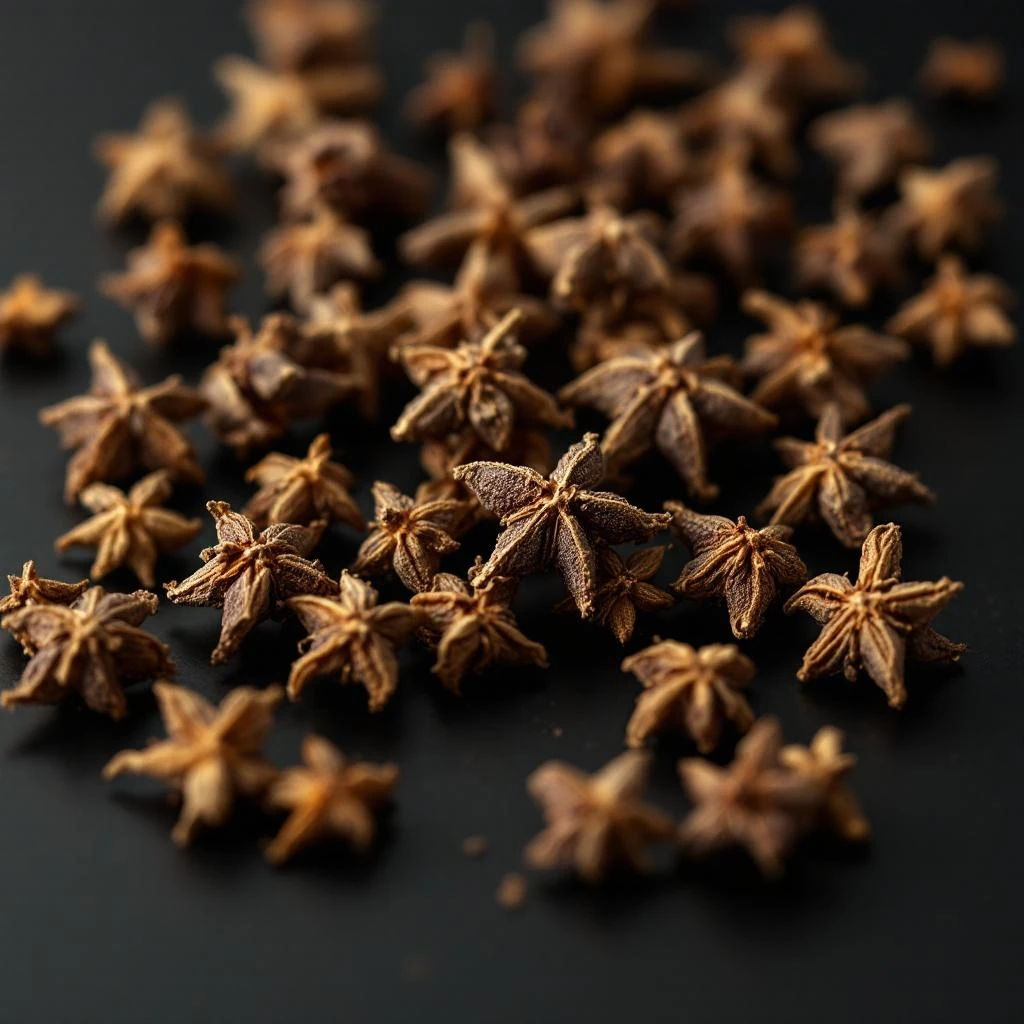
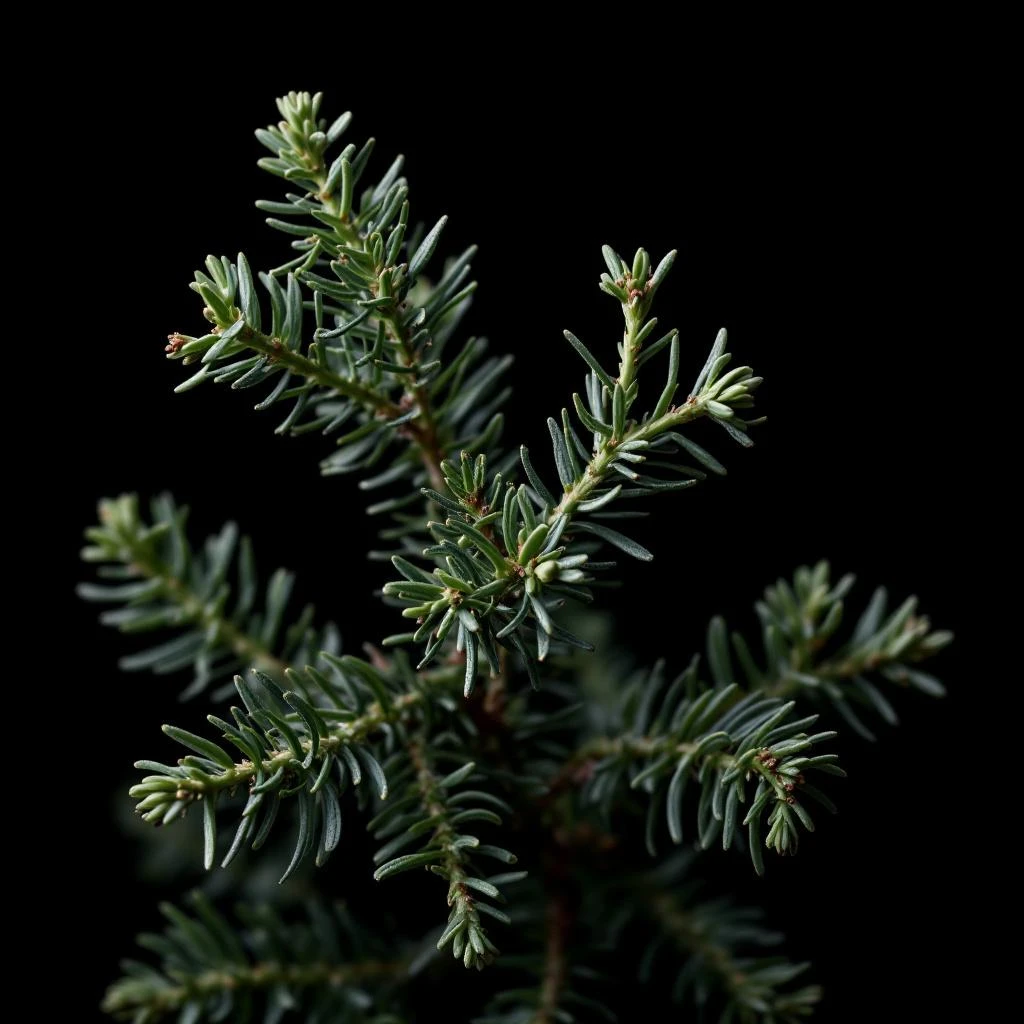
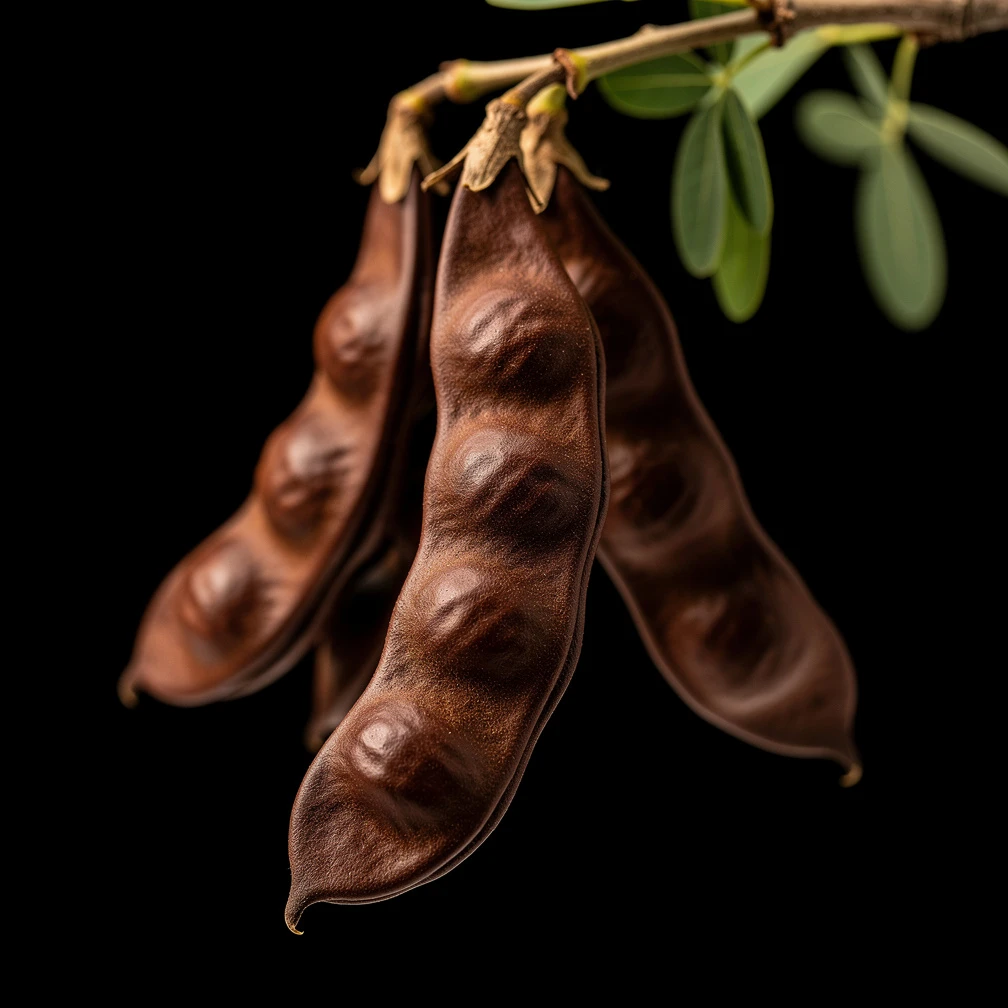
Cherry tree bark delivers a warm, bitter-almond character with subtle balsamic undertones. Extracted through steam distillation, this underutilized material bridges the gap between nuttiness and woodiness, adding unexpected depth to fragrance compositions.
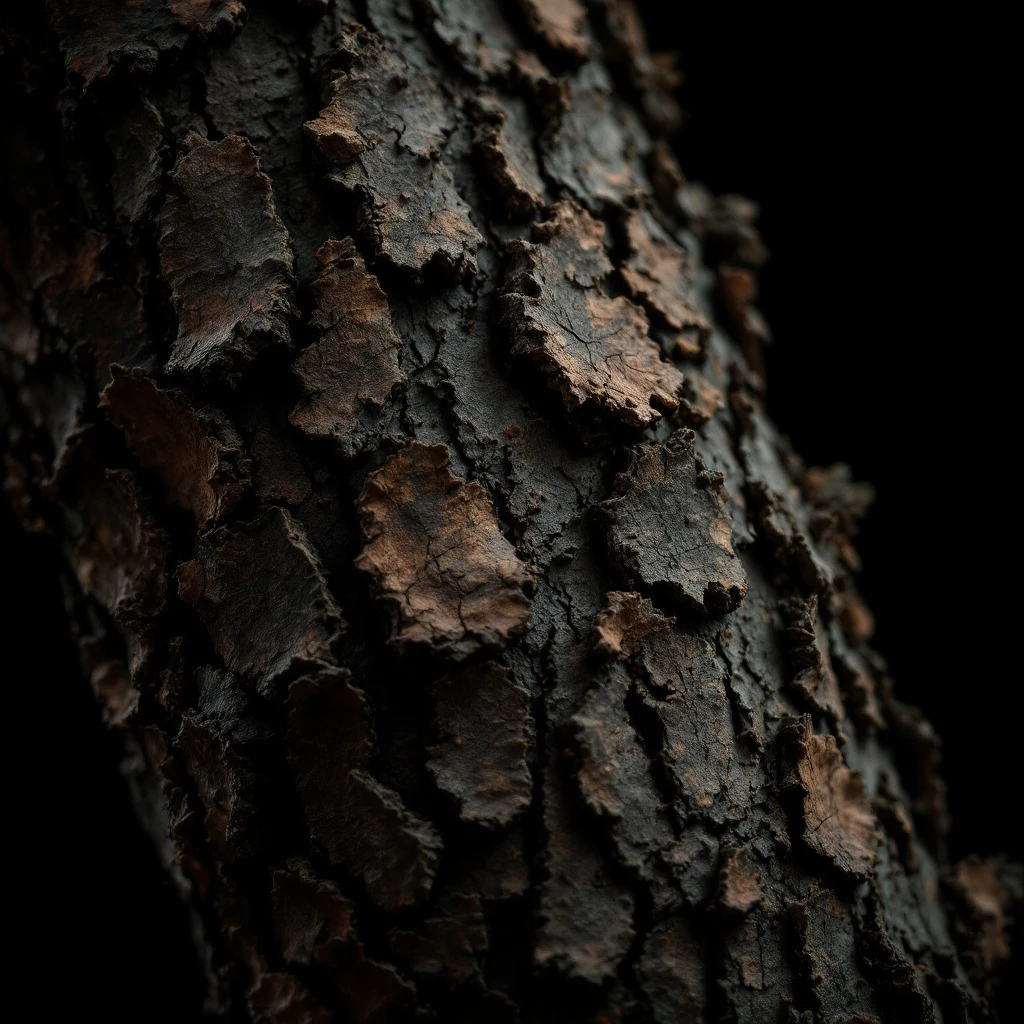
Character
How it smells
Bitter-almond warmth from an ancient bark.
Cherry bark's signature scent comes from benzaldehyde, the same compound that gives almonds their characteristic aroma.
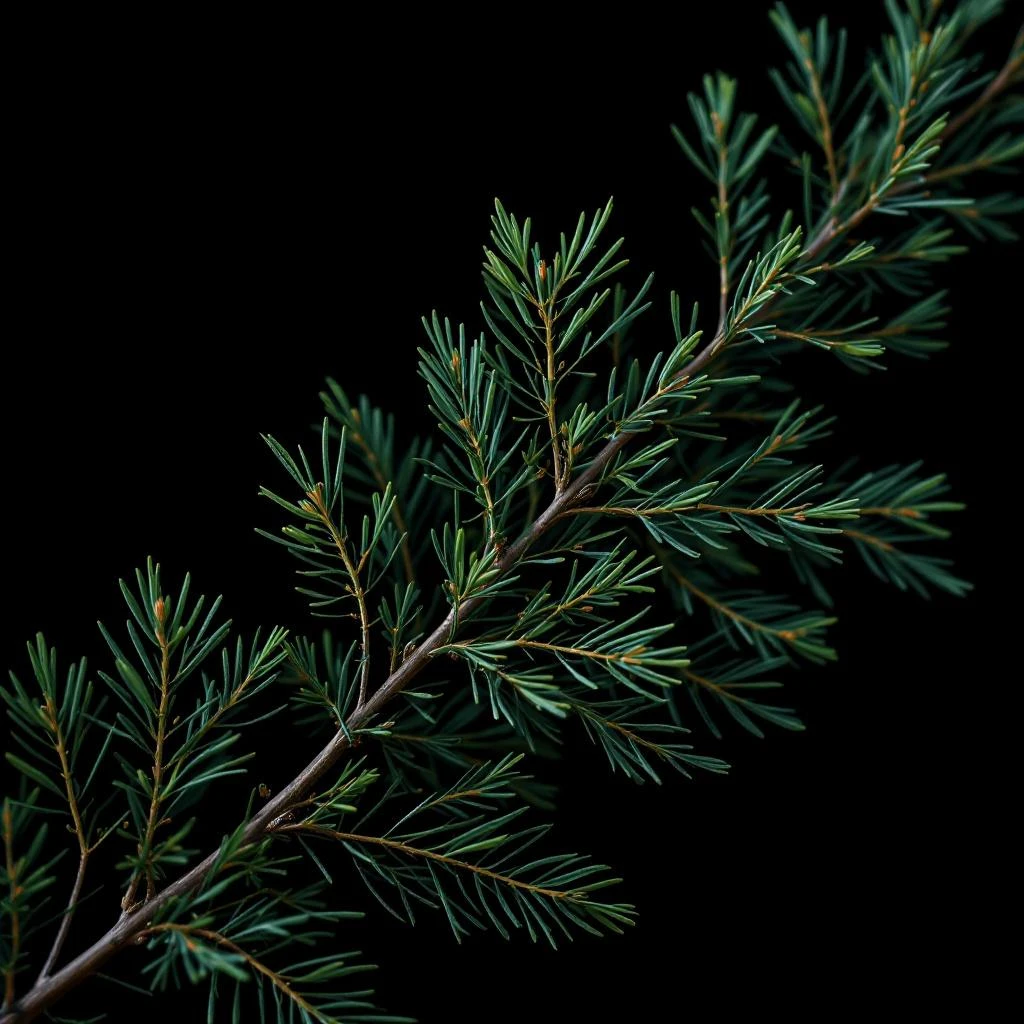
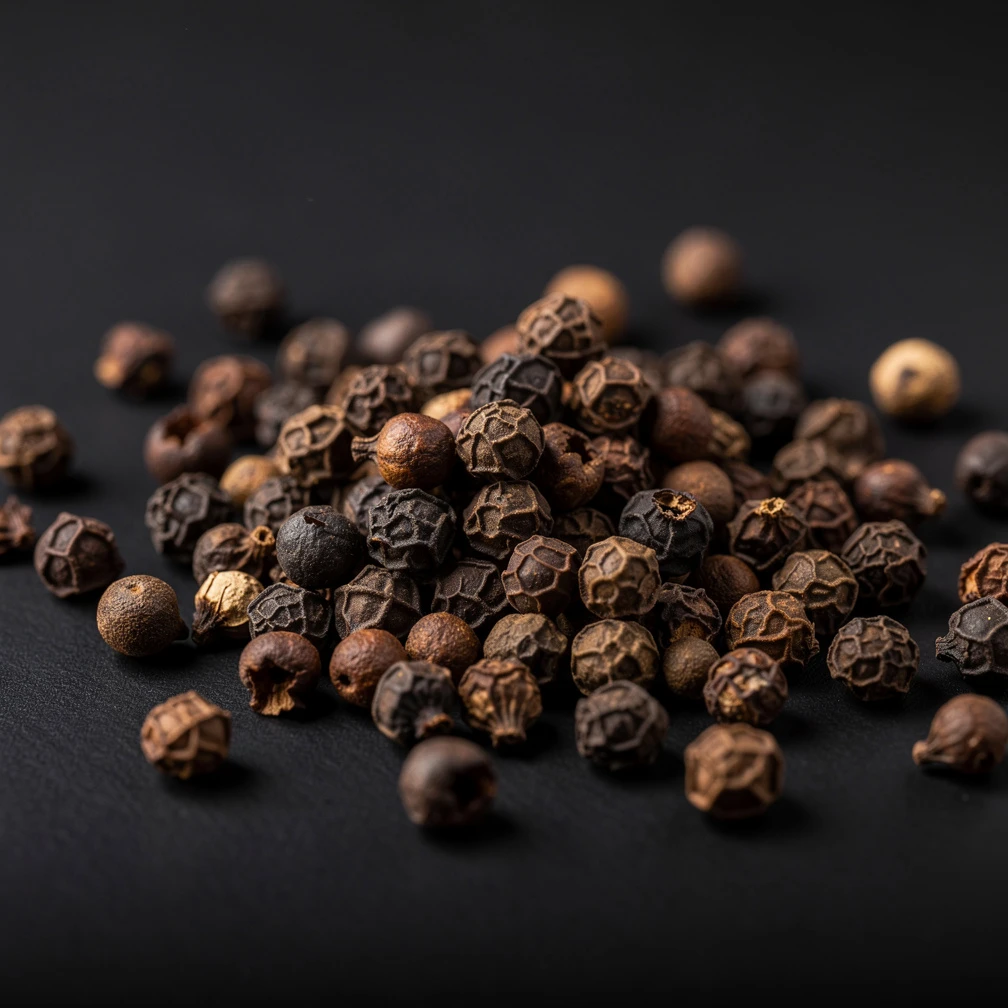
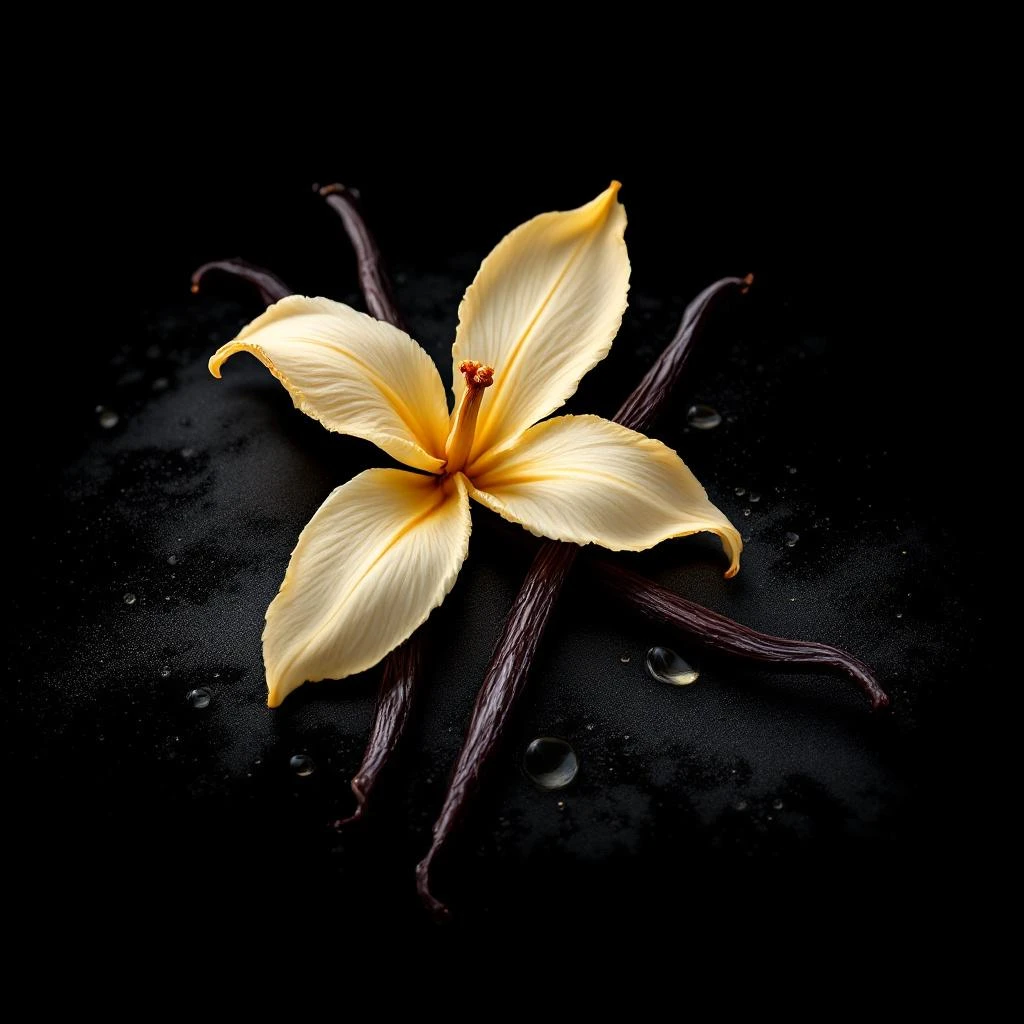
Origin
India
Cherry bark has perfumed human rituals and remedies for at least 4,000 years, with documented use appearing in ancient Indian Ayurvedic texts from the Indus Valley civilization. These early practitioners recognized cherry bark not merely as a fragrance material but as a medicinal substance, incorporating it into ceremonial incense and healing preparations. Pre-Columbian Native American tribes also utilized wild cherry bark extensively, both for its aromatic properties and purported therapeutic benefits.
The material traveled through ancient trade routes connecting Asia, the Mediterranean, and the Americas before the modern perfume industry crystallized in late 19th-century Paris. Today, while overshadowed by more prominent bark materials like cinnamon and cascarilla, cherry bark maintains its role as a subtle yet distinctive ingredient in fine perfumery, particularly in compositions seeking natural woody depth with nuanced bitter-almond character.
Wears it best
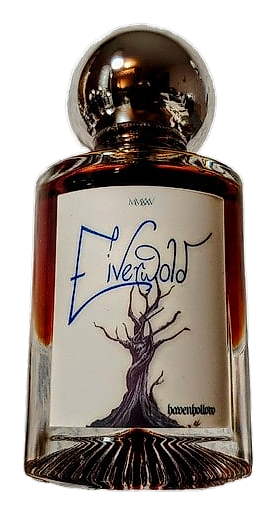
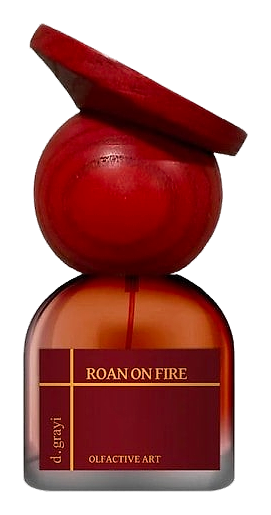
Fragrances featuring Cherry Tree Bark
Brands
Brands known for Cherry Tree Bark
Good to know
Questions, answered
The essentials on Cherry Tree Bark in perfumery: how it smells, where it comes from, and how it behaves on skin.
What does cherry tree bark smell like in perfume?
Cherry tree bark produces a warm, bitter-almond aroma with subtle balsamic and woody undertones. It adds depth and a slightly bitter edge that distinguishes it from sweeter cherry notes used elsewhere in perfumery.
Is cherry tree bark a natural or synthetic ingredient?
Cherry tree bark is a natural ingredient extracted through steam distillation. The process separates volatile aromatic compounds from the bark while preserving the material's characteristic bittersweet scent profile.
Which countries produce cherry bark for perfumery?
India and several Southeast Asian nations serve as primary sources for cherry bark used in perfumery. North American Prunus serotina also contributes to the global supply of this material.
How long has cherry bark been used in fragrance?
Cherry bark has appeared in human aromatic traditions for at least 4,000 years, with documented use in ancient Indian texts predating modern perfumery by millennia.
What extraction method produces cherry bark oil?
Steam distillation is the standard method. Pressurized steam passes through dried cherry bark, carrying volatile aromatic molecules into a condensation system where they separate from the water phase.
What compounds give cherry bark its characteristic scent?
Benzaldehyde is the primary aromatic compound in cherry bark, responsible for its characteristic bitter-almond scent. Global benzaldehyde production exceeds 10,000 metric tons annually, though perfumery-grade material commands premium quality standards.
How does cherry bark function in fragrance formulations?
Cherry bark functions as a base note and fixative, lending woody depth and subtle bitter-almond warmth to fragrance compositions. It works particularly well alongside oriental, woody, and gourmand fragrance families.
What part of the cherry tree is harvested for perfumery?
Only the outer bark layer is harvested, typically from the trunk and larger branches. Harvesters collect material during dormant seasons when bark separates cleanly from the cambium layer, minimizing tree damage.