The Story
Why it exists.
The beginning
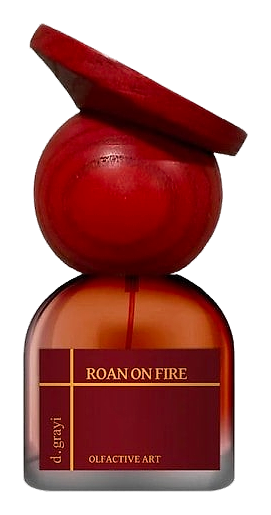
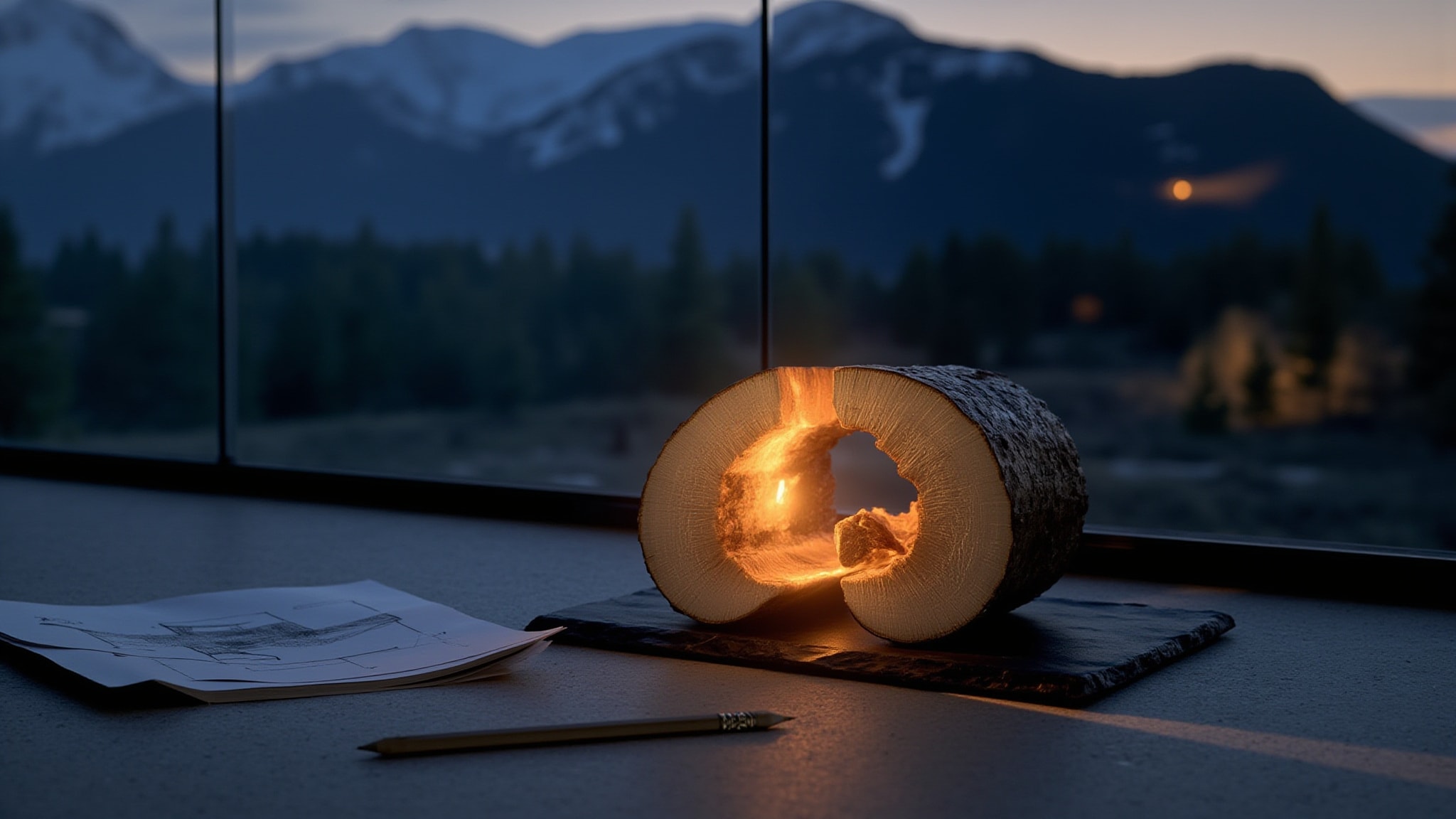
Roan on Fire takes its name from two sources that share a certain combustion. The Year of the Fire Horse in the Chinese zodiac, a cycle that returns every sixty years, associated with momentum, disruption, and the kind of energy that moves things forward whether the world is ready or not. And then there's the pop culture reference: Chappell Roan, the singer who refuses to play the industry's game on its terms, and the fictional archer Katniss Everdeen, who set an entire dystopian arena on fire just by existing. James Nguyen built Roan on Fire around the idea of flame as metaphor, not destruction, but the specific heat that changes everything around it. Red maple. Birch tar. The tension between sweetness and smoke. This is what burning looks like when it's also alive.
The composition is built around a structural paradox: the opening reads like a sweet shop in autumn, all maple syrup and rum warmth, while the drydown pulls toward something darker, birch tar, Vietnamese oud, hay. The fenugreek CO2 bridges both. It's herbal enough to complicate the sweetness, warm enough to feel intentional rather than accidental. Hawthorn berry and Thai osmanthus occupy the heart, adding a floral fruit layer that arrives quietly and lingers. Chinese cypress grounds everything with a green woodiness that prevents the composition from tipping into pure gourmand territory. The result is a fragrance that changes shape on skin, starting one place and ending somewhere else entirely.
The evolution
The opening announces itself immediately. Maple syrup sweetness, fenugreek's herbal warmth, rum's boozy edge, a bright, almost confectionery burst that feels like the moment before something catches fire. This phase lasts thirty minutes, maybe forty-five, before the osmanthus and hawthorn berry arrive to complicate things. The floral heart doesn't replace the sweetness so much as soften it, introducing a green fruit nuance that pulls the composition in a different direction. Chinese cypress becomes the transition point. Then comes the drydown, and the real Roan on Fire emerges. Birch tar takes over, smoky, slightly medicinal, with the leather-like depth of real woodsmoke rather than synthetic recreation. Vietnamese oud and benzoin add warmth and resin. Hay keeps the sweetness alive underneath. This phase lasts 6-8 hours. On fabric, it carries into the next morning, that particular smell of something that burned cleanly, leaving only warmth behind. Sweetness that became smoke.
Cultural impact
Roan on Fire was conceived around the Year of the Fire Horse and references to figures like Chappell Roan and Katniss Everdeen, symbols of disruption and collective change. The fragrance translates fire as momentum rather than destruction. In indie perfumery, this kind of conceptual work sits alongside house signatures like Jasmine Rice, offering collectors a narrative to wear rather than a status marker to display.