Hawthorn berry
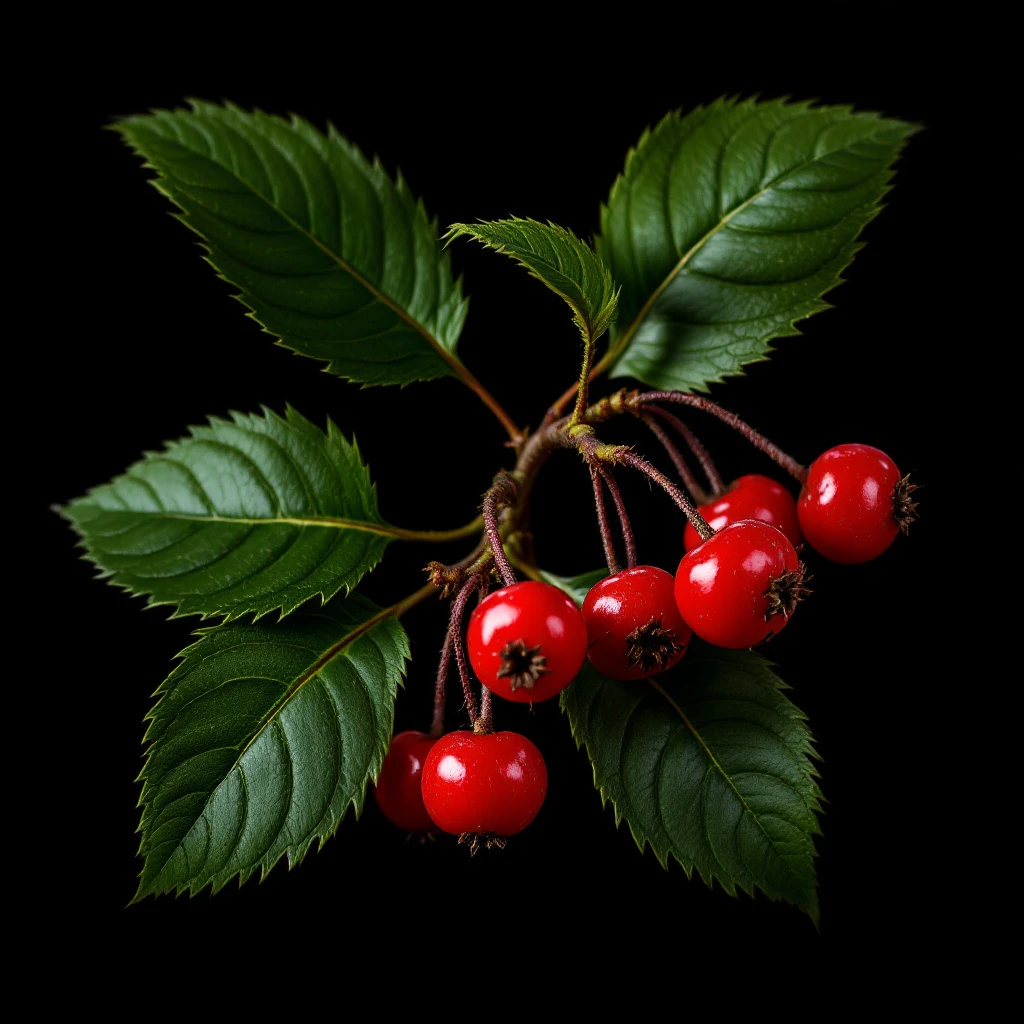
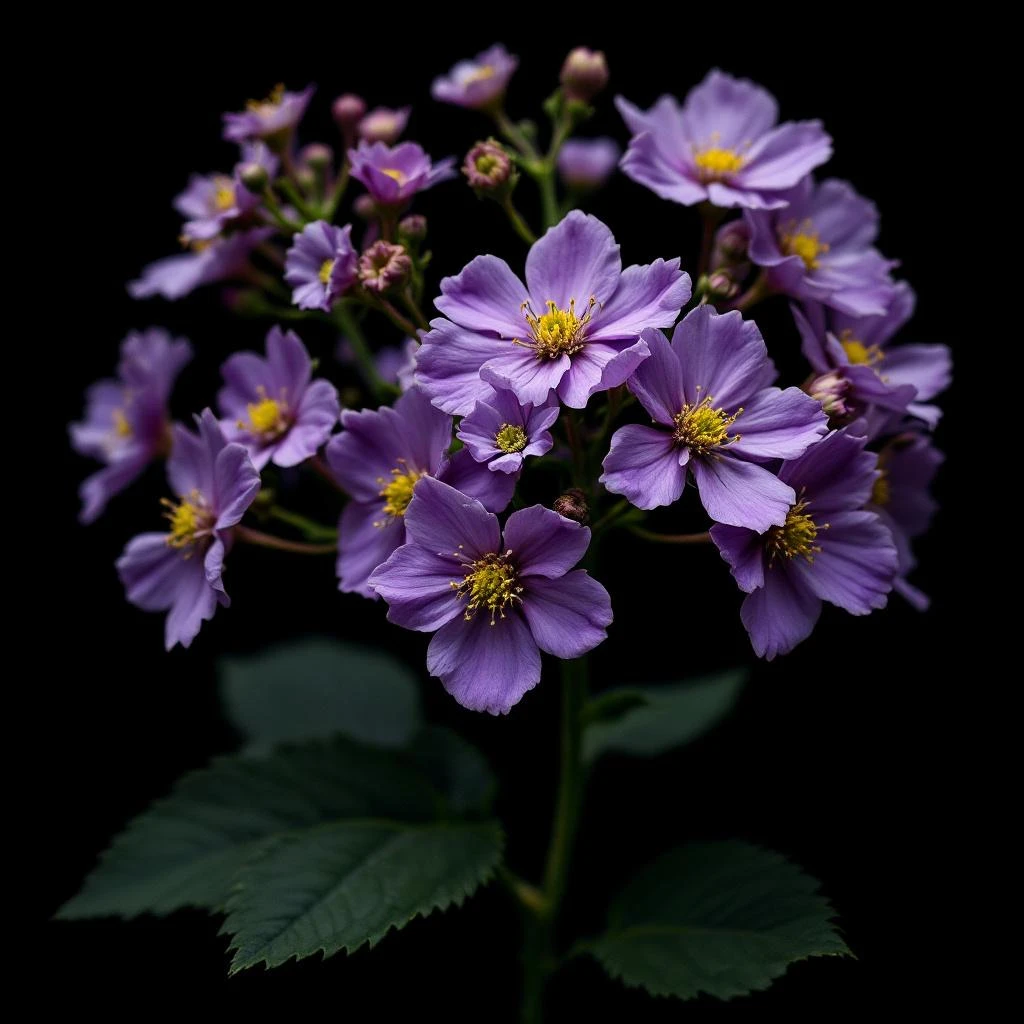
Hawthorn berry brings a tart, fleeting sweetness to fragrance compositions—a forgotten note rediscovered by modern perfumers seeking to balance florals with edible warmth.
Character
How it smells
Bittersweet depth from hedgerow to heart.
Ancient perfumers prized hawthorn for making floral oils smell aged and complex, earning it the name 'antique note' in classical formulations.


Origin
France
Hawthorn has deep roots in Mediterranean perfumery traditions, particularly in traditional attar and pomade making. The plant appears in classical Greek and Roman herbal texts, where it served both medicinal and aromatic purposes. European folk traditions associated hawthorn with love and protection, weaving branches into wedding garlands and using berry preparations in ceremonial contexts.
During the 18th and 19th centuries, perfumers incorporated hawthorn into traditional 'antique' oils to create aged, complex effects in floral compositions. The ingredient gradually fell from common use as synthetic alternatives emerged. Recent decades have seen a revival of interest in hawthorn as perfumers seek unusual botanical materials.
Scientific research published in perfumery journals has validated hawthorn's aromatic potential, leading to the development of natural hawthorn extracts specifically formulated for modern fragrance work. Today, France and Mediterranean regions remain primary sources, supporting a renewed appreciation for this once-forgotten hedgerow ingredient.
Wears it best
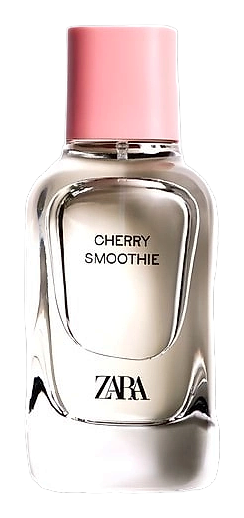
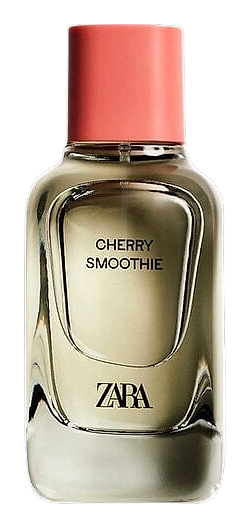
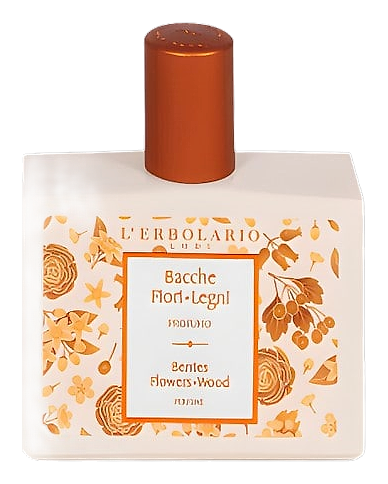
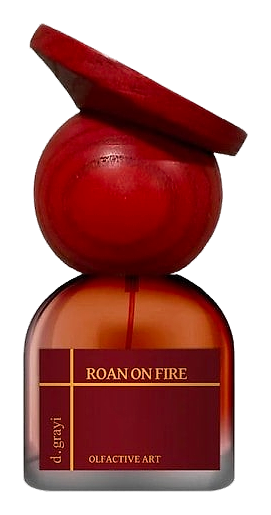
Fragrances featuring Hawthorn berry
Brands
Brands known for Hawthorn berry
Good to know
Questions, answered
The essentials on Hawthorn berry in perfumery: how it smells, where it comes from, and how it behaves on skin.
What does hawthorn berry smell like in perfume?
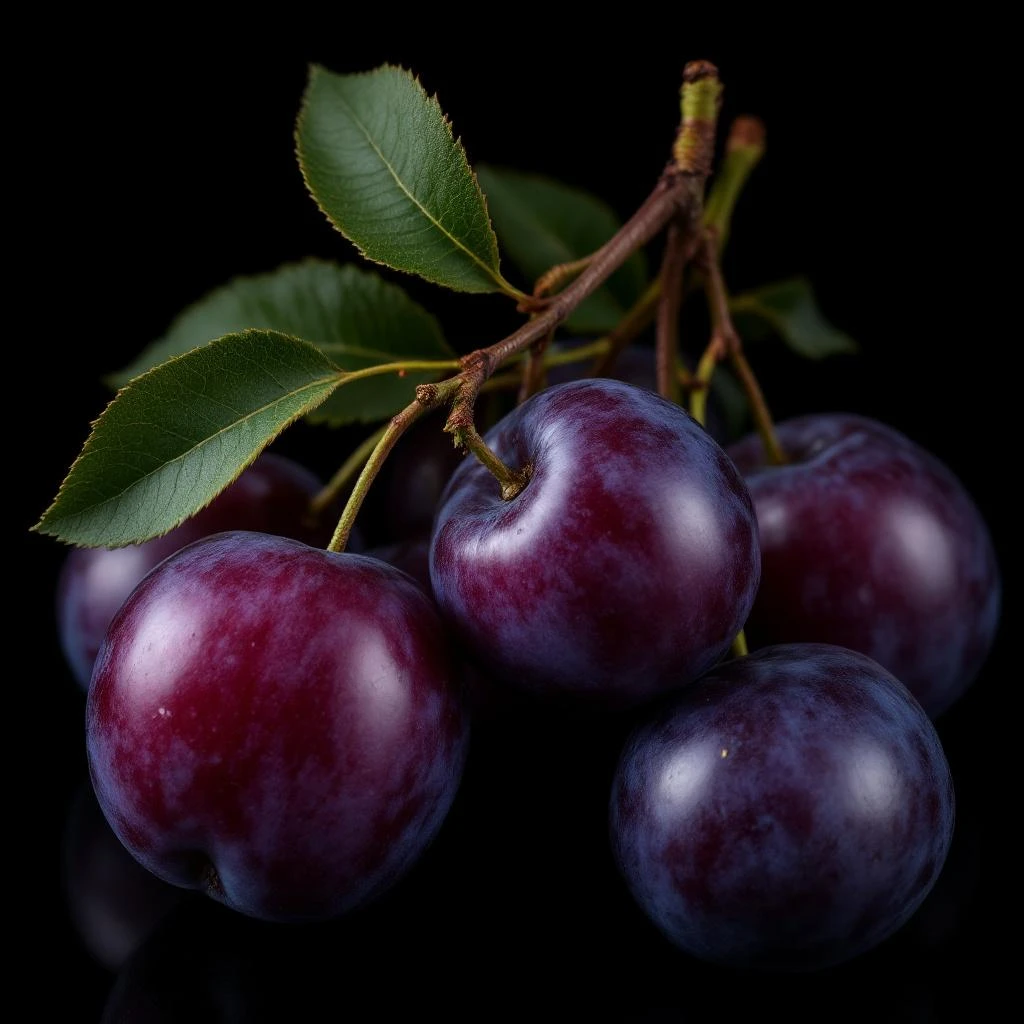
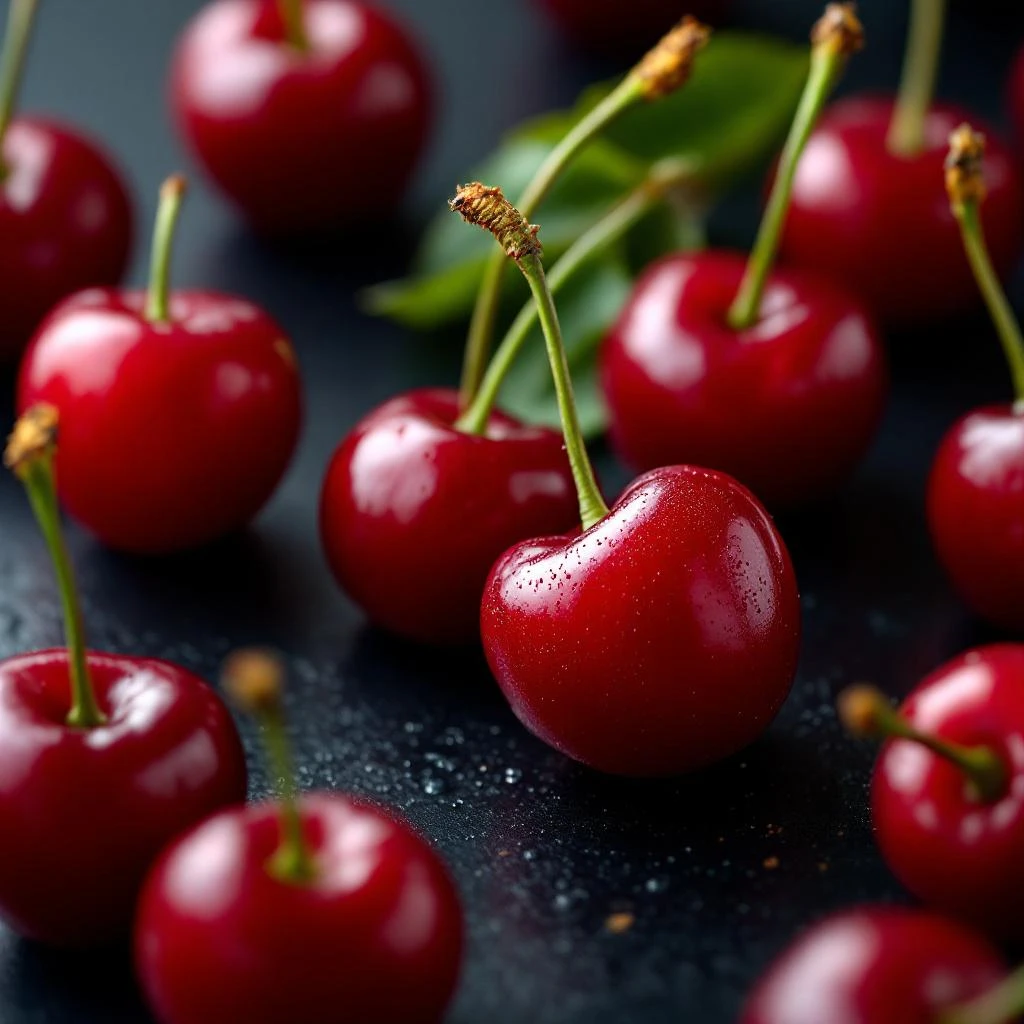
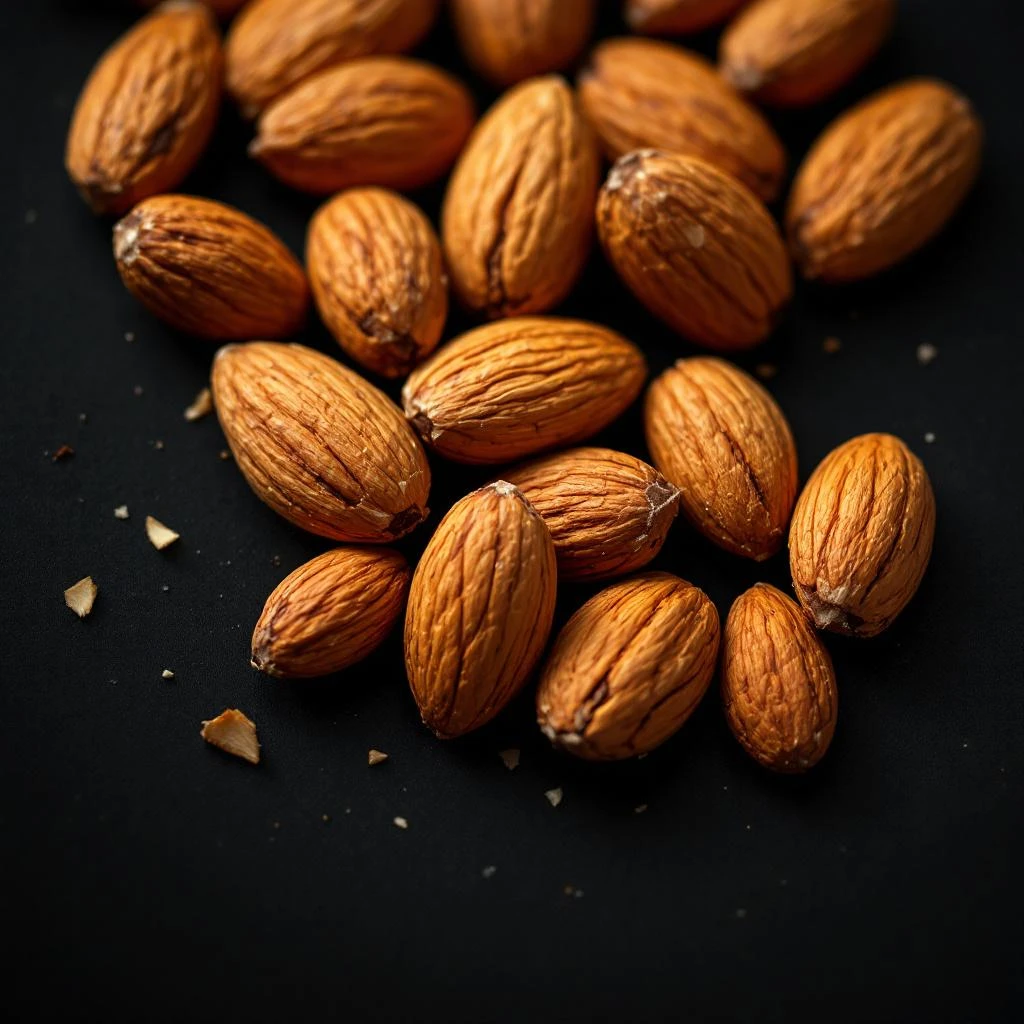
Hawthorn berry offers a tart, slightly bitter scent with subtle sweet undertones reminiscent of marzipan and dried rose petals.
Is hawthorn berry a natural or synthetic ingredient?
Natural hawthorn berry extract comes from the fresh berries of Crataegus monogyna, processed through solvent extraction.
What fragrance families use hawthorn berry?
Hawthorn berry appears primarily in chypre, green, and floral compositions, valued for its subtle fruitiness and complexing effect.
What gives hawthorn berry its characteristic scent?
Cyanogenic glycosides in the berries contribute to hawthorn's distinctive bitter-almond character alongside fruity aldehydes and esters.
How is hawthorn berry extract produced?
Fresh hawthorn berries undergo solvent extraction using food-grade solvents that dissolve aromatic compounds before evaporation.
Why is hawthorn berry considered unusual in perfumery?
Hawthorn was a forgotten perfumery plant until recent scientific work developed a standardized natural extract for modern fragrance use.
Where does hawthorn grow for perfumery use?
Hawthorn grows abundantly across European hedgerows, with France and Mediterranean regions serving as primary sources for perfumery-grade material.
Can hawthorn berry be combined with other botanical notes?
Hawthorn pairs well with rose, jasmine, and green notes, adding depth and an antique quality to floral compositions.