Wild Iris
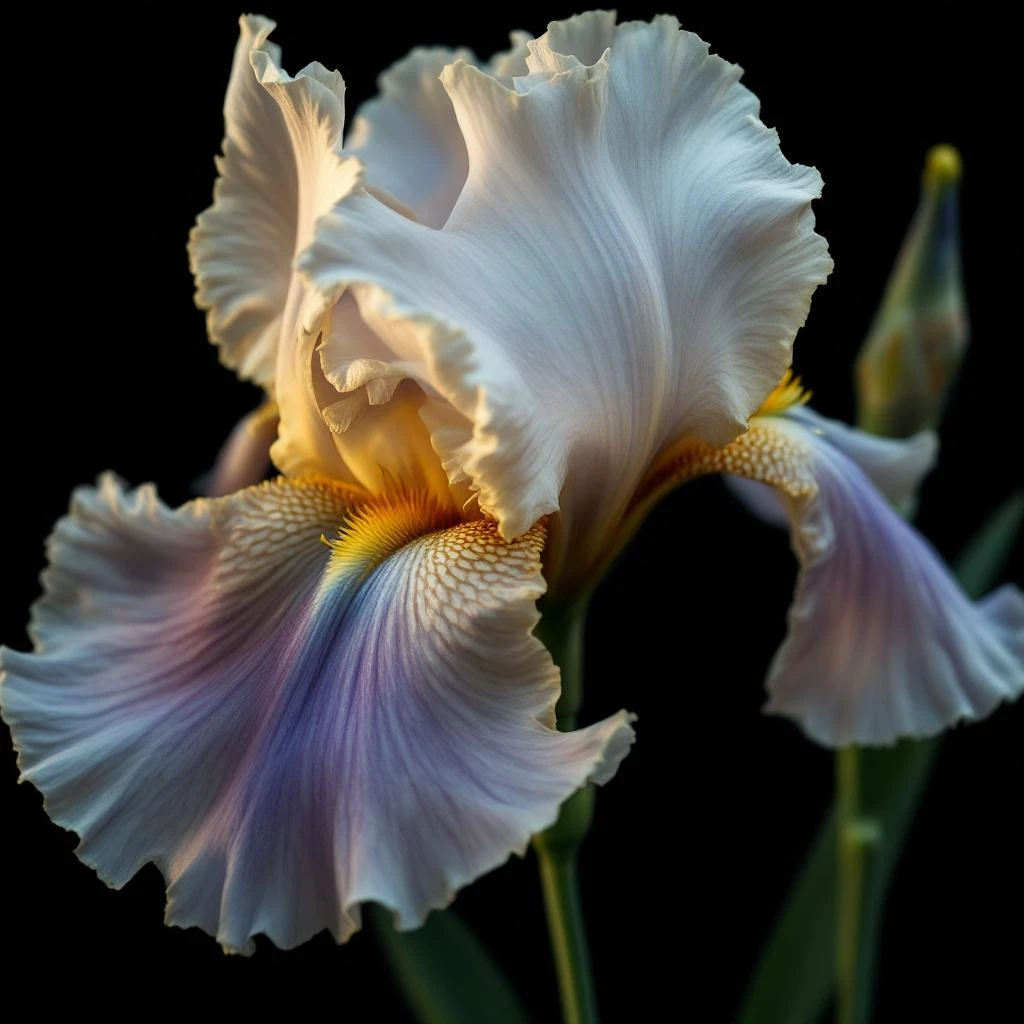
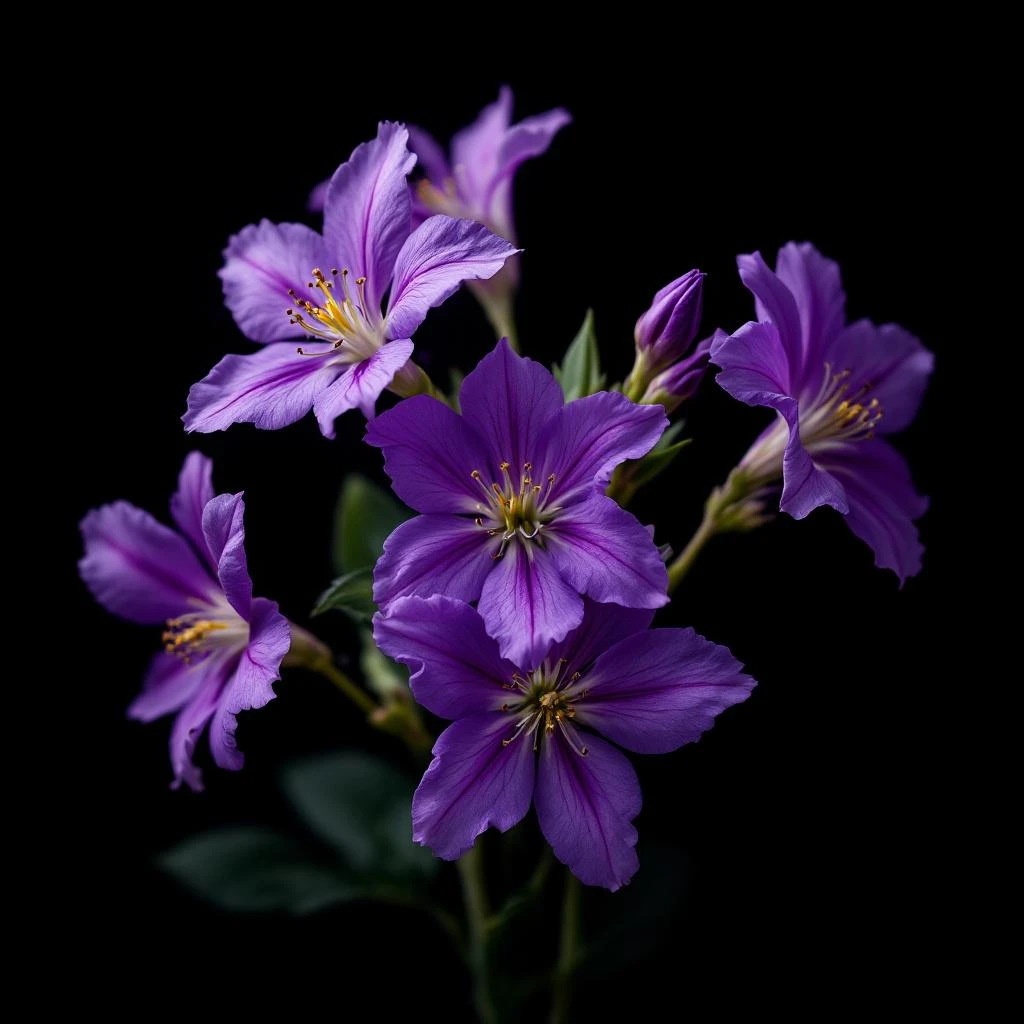
Wild Iris (Orris) delivers the most expensive powdery elegance in perfumery. Yet what perfumers harvest isn't the flower you recognize in gardens. The precious material lives underground, hidden in the rhizome of Iris florentina, where six years of patient cultivation transforms an unremarkable root into liquid gold.
Character
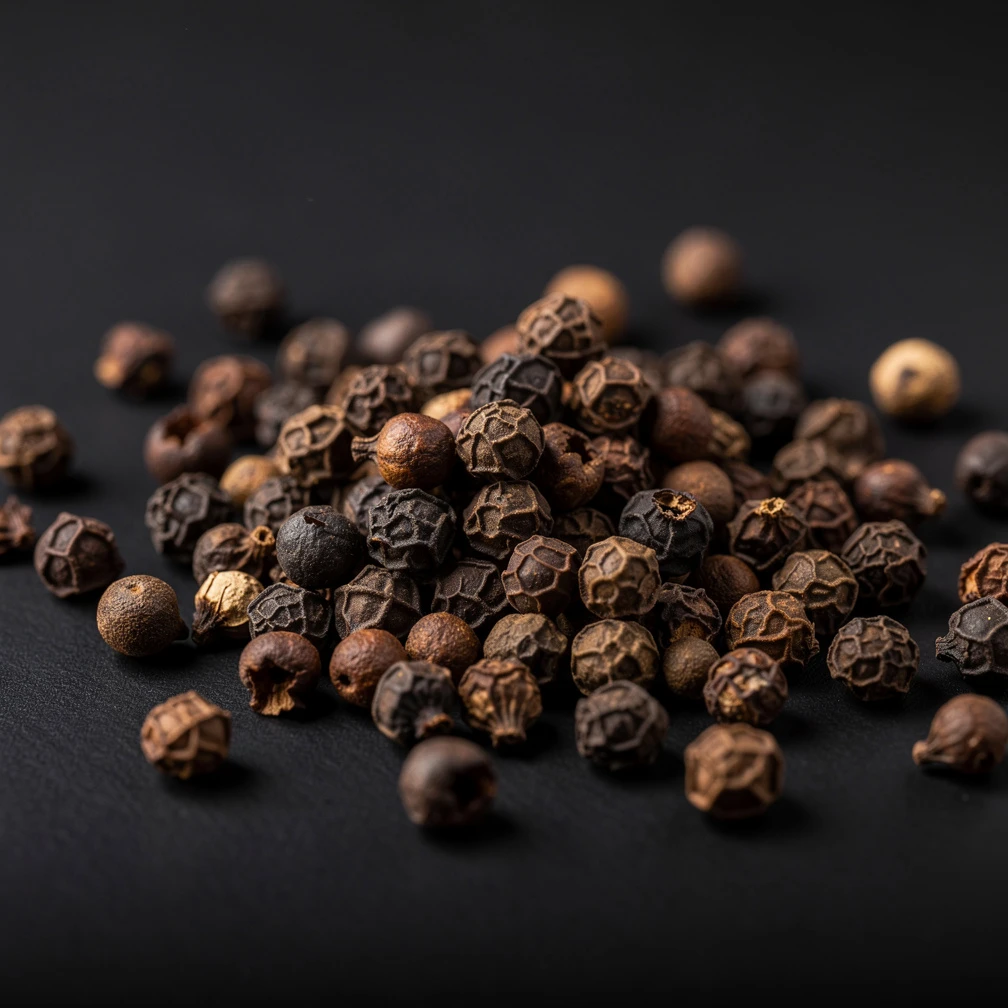
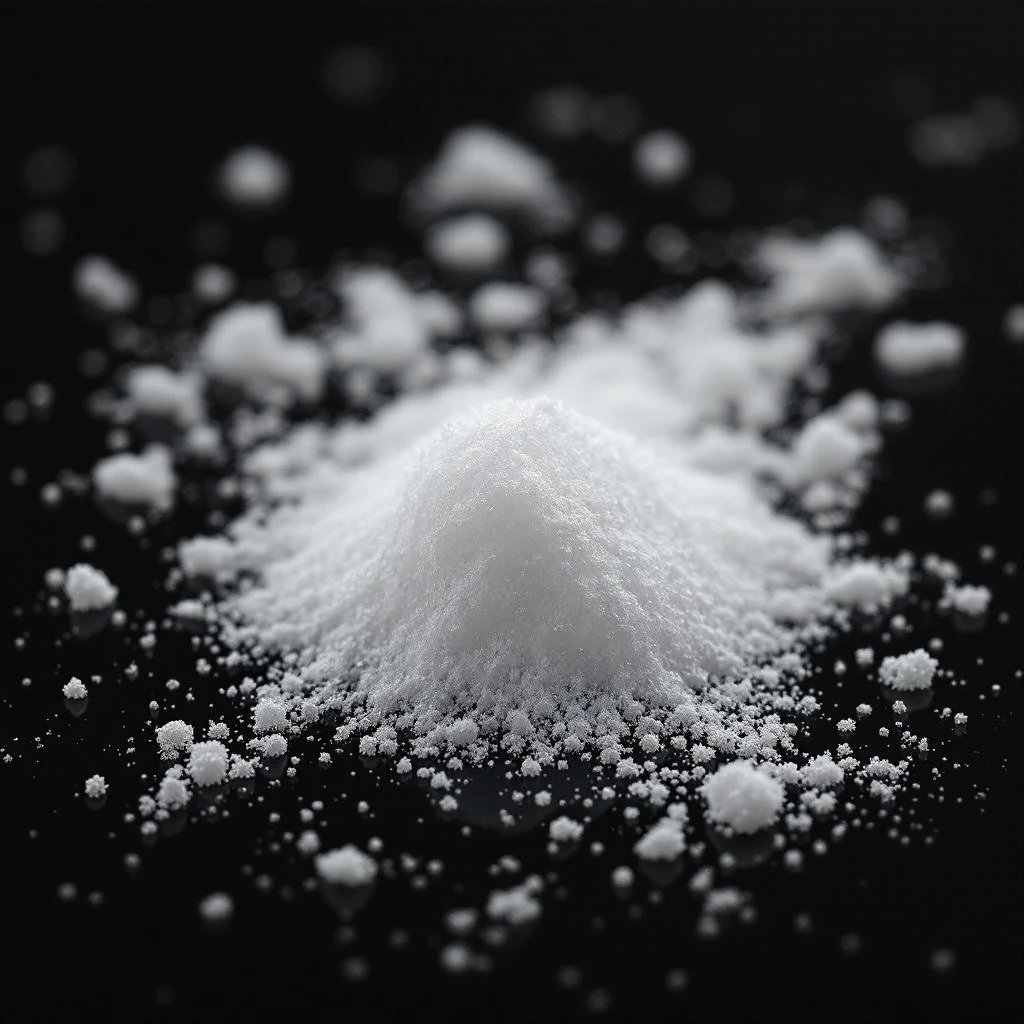
How it smells
The underground treasure that became perfumery's bluest gold.
The rhizome must dry for three years before it produces any fragrance. Patience defines every drop of true orris butter.



Origin
Italy
Catherine de Medici herself carried iris rhizomes from Italy when she married the future king of France in 1533. The Florentine roots fascinated the French court immediately. Before that, ancient Egyptians prized iris as a symbol of royal authority, carving its distinctive three-petaled bloom into monuments and using rhizomes in ceremonial preparations.
Romans bottled early iris essential oil for perfumery and medicine, though their techniques bore little resemblance to modern distillation. The plant's scientific name, Iris florentina, reflects its Florentine heritage, and the hills surrounding Florence still produce the world's most prized orris root. Tuscan iris grows spontaneously in those limestone-rich slopes since before recorded history.
French perfumers only began systematically working with orris essence in the 19th century, developing the soft, powdery compositions that defined the era's elegance. Today, Italian, French, and Moroccan producers continue cultivating iris for this singular material that transforms perfumes into something almost sculptural in its refined stillness.
Wears it best
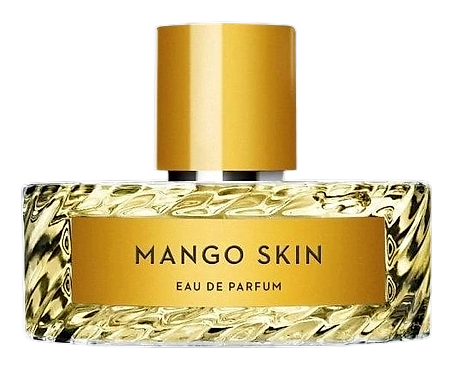
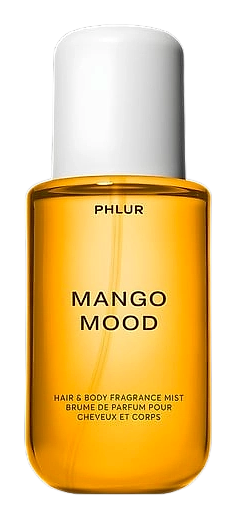
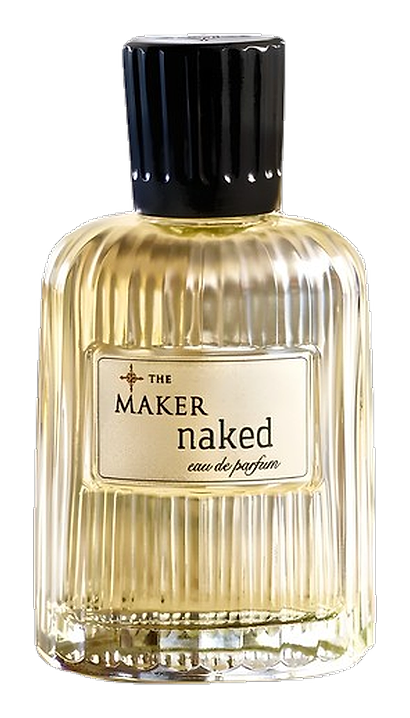
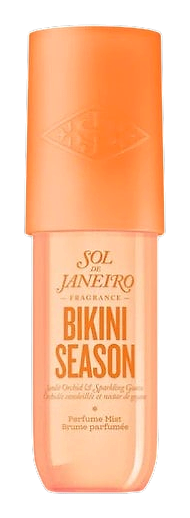
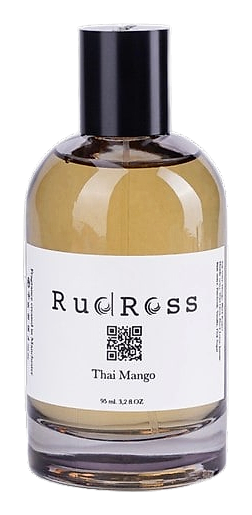
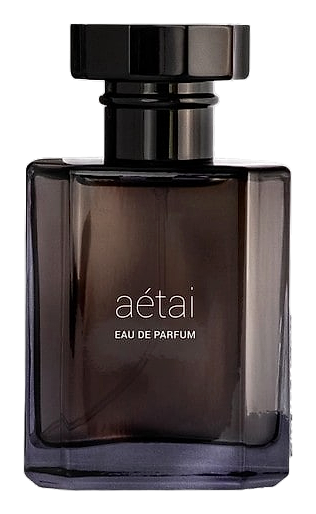
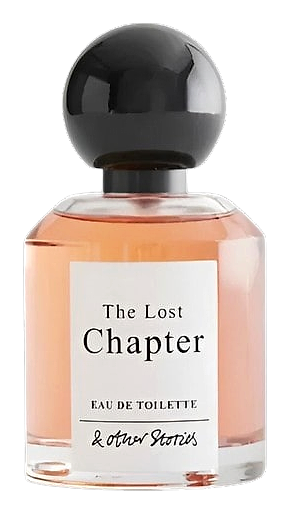
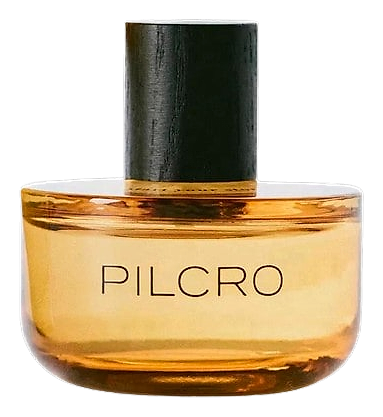
Fragrances featuring Wild Iris
Brands
Brands known for Wild Iris
Good to know
Questions, answered
The essentials on Wild Iris in perfumery: how it smells, where it comes from, and how it behaves on skin.
What does Wild Iris smell like?
Wild Iris (orris butter) smells intensely powdery with a cool, violet-like sweetness and a woody, slightly earthy base. It reads as simultaneously floral and mineral, giving perfumes a refined, almost sculptural softness.
Is Wild Iris made from iris flowers?
No. Perfumers harvest the rhizome (root) of Iris florentina, not the blooms. The flowers produce no commercial fragrance material. The root must dry for up to three years before distillation releases its characteristic powdery aroma.
Why is orris butter so expensive?
The production timeline stretches six years from planting to finished butter. One thousand kilograms of dried rhizome yield roughly one kilogram of usable orris butter. This rarity places orris among the costliest naturals alongside agarwood and rose otto.
Where does quality Wild Iris originate?
Tuscany remains the spiritual home of orris. The limestone-rich hills around Florence produce Iris pallida with the highest irone content. France and Morocco also cultivate quality iris, but Florentine orris commands the highest market value.
How long does orris production actually take?
Farmers plant rhizomes in spring and harvest them three years later. The roots then cure for an additional three years before distillation. Six years total elapsed time explains why orris supply cannot quickly respond to demand shifts.
Is Wild Iris natural or synthetic?
True Wild Iris is entirely natural. Synthetic alternatives like irone isolates exist for cost-sensitive formulations, but they rarely capture the full complexity of properly produced orris butter. Always check whether a house uses natural or synthetic iris.
Which fragrance families use Wild Iris?
Chypre, powder, and floral compositions most frequently feature orris. It anchors classics like Guerlain Mitsouko and modern scents such as Prada Infusion d'Iris. The note appears across gender presentations due to its balanced coolness.
How does Wild Iris perform in a fragrance composition?
Orris butter acts as a fixative that slows evaporation of lighter top notes, extending a perfume's evolution on skin. Its powdery character softens sharper accords and adds quiet elegance without dominating a blend.




