The Story
Why it exists.
The beginning
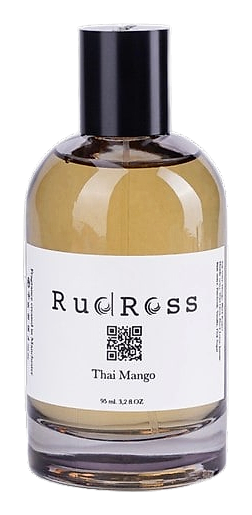
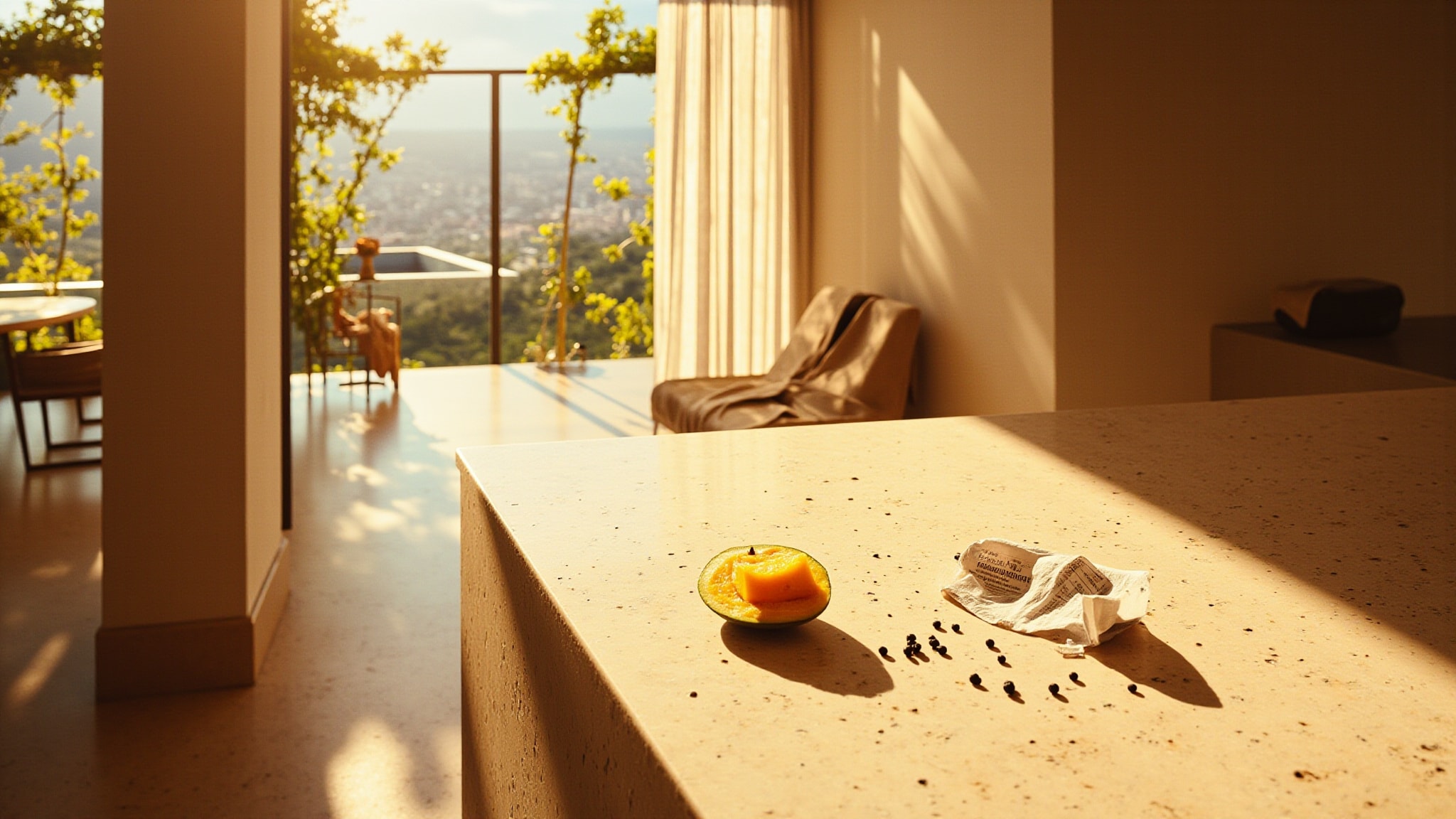
The name says Thailand, but the ambition is wider. RudRoss built Thai Mango as a statement piece for their China Collection, a fragrance that could travel without losing its sense of place. Mango as the anchor wasn't a novelty move; it was a declaration. This is what tropical means when you're not trying to be subtle about it.
What's interesting here is the structural choice: lead with something inherently sweet, then interrupt it with something sharp. The black pepper doesn't arrive late as a supporting actor, it's the second note in the opening, present from the first spray. The jasmine and wild iris that follow don't soften the spice so much as coexist with it. And the base, patchouli, sugar, vanilla, is the long game. Warm without being heavy, sweet without being sticky. It's a composition that knows what it is.
The evolution
The opening hits fast: mango, unapologetically ripe, with black pepper arriving just behind it. The citrus-terpenic edge of the pepper cuts through the fruitiness for the first twenty minutes, it's the signal that this isn't a standard tropical scent. Then jasmine enters. Not aggressive, not indolic, just present, cool, a necessary breath before the sweetness deepens. The wild iris adds that powdery-floral lift that keeps the heart from going heavy. By hour three, patchouli and vanilla have taken over. The sugar sweetens the patchouli without making it dirty. The vanilla smooths everything. This is the wearing phase, intimate, warm, close to the skin. On fabric, the vanilla lingers well into the next day.
Cultural impact
RudRoss built its reputation on contemporary compositions that resist easy categorization. Thai Mango sits at the intersection of two growing trends: the mainstreaming of tropical fragrances beyond summer seasonality, and the use of unexpected spice accords to complicate sweet compositions. It's the kind of scent that reads differently on different people, the mango-forward sweetness appeals to those who want warmth and approachability, while the pepper-patchouli base signals something more complex underneath.