Wild Blackberry
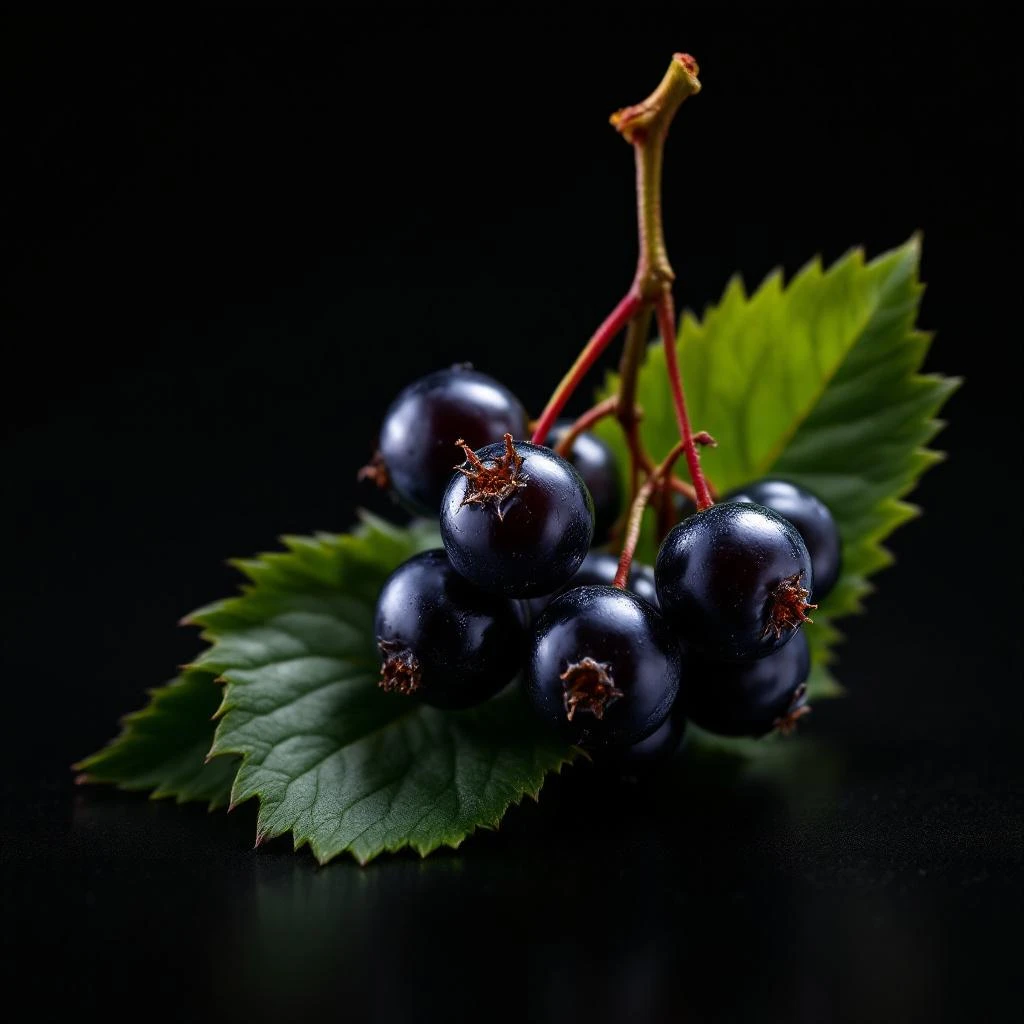
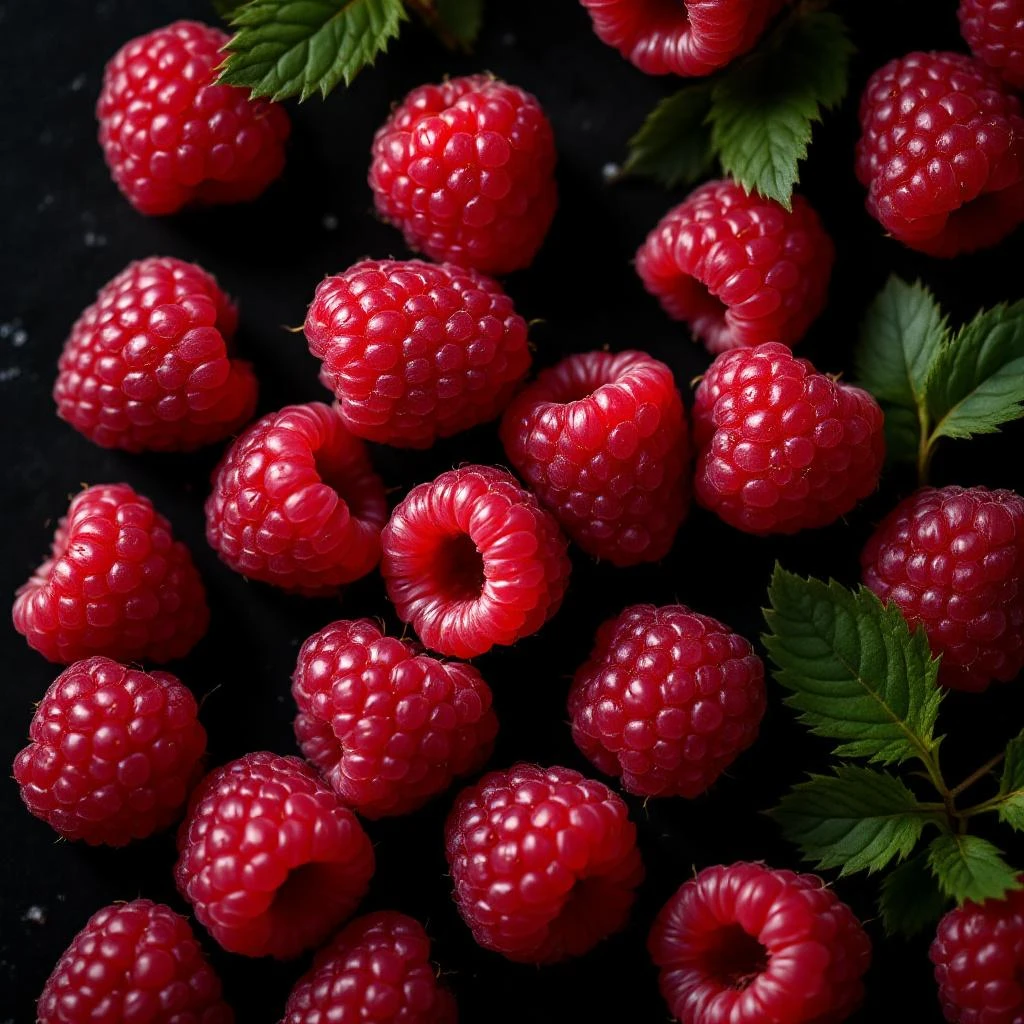
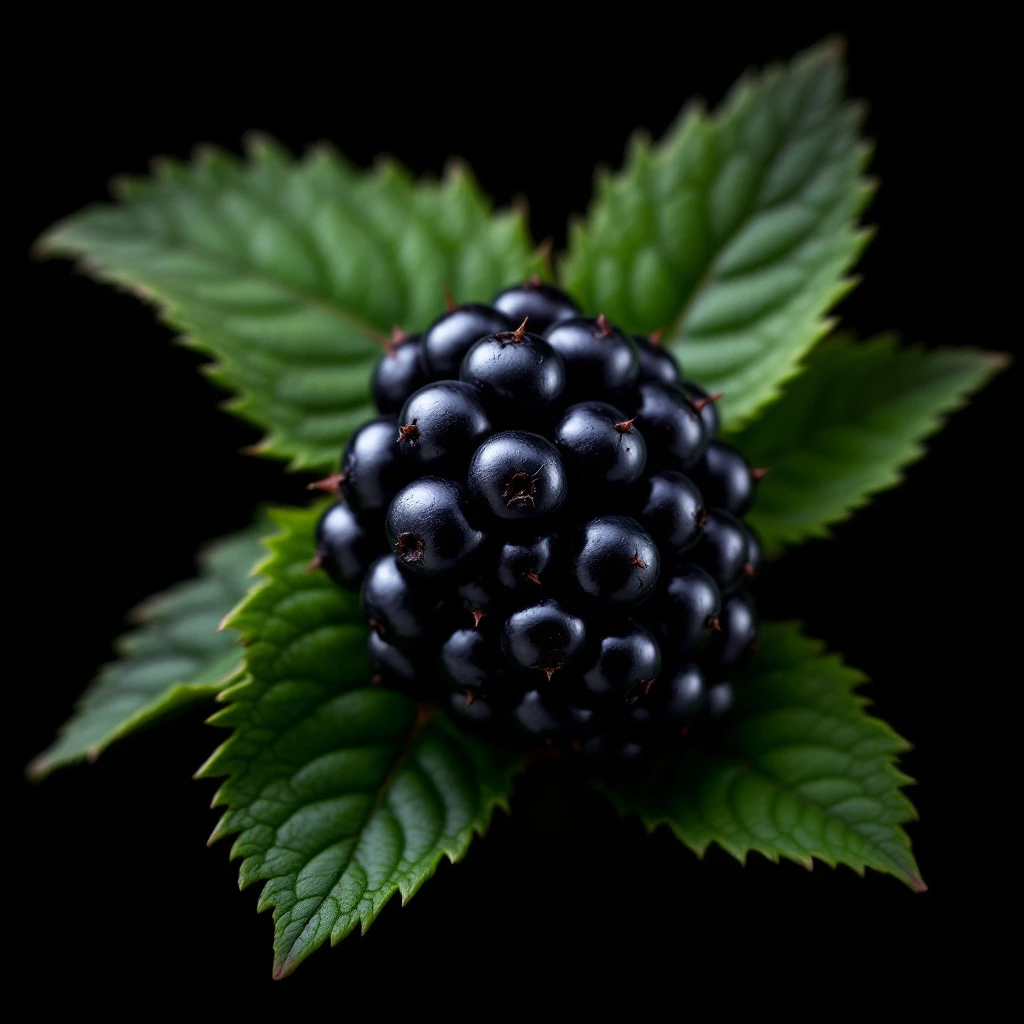
Wild Blackberry captures the tart, sun-warmed sweetness of bramble berries at peak ripeness. A juicy, dark-fruited note with green undertones that anchor brighter accords.
Character
How it smells
Sun-warmed bramble in a single breath.
Blackberry fruits contain over 80 aromatic compounds, including rare furanones that give them a caramel-like depth absent from cultivated varieties.
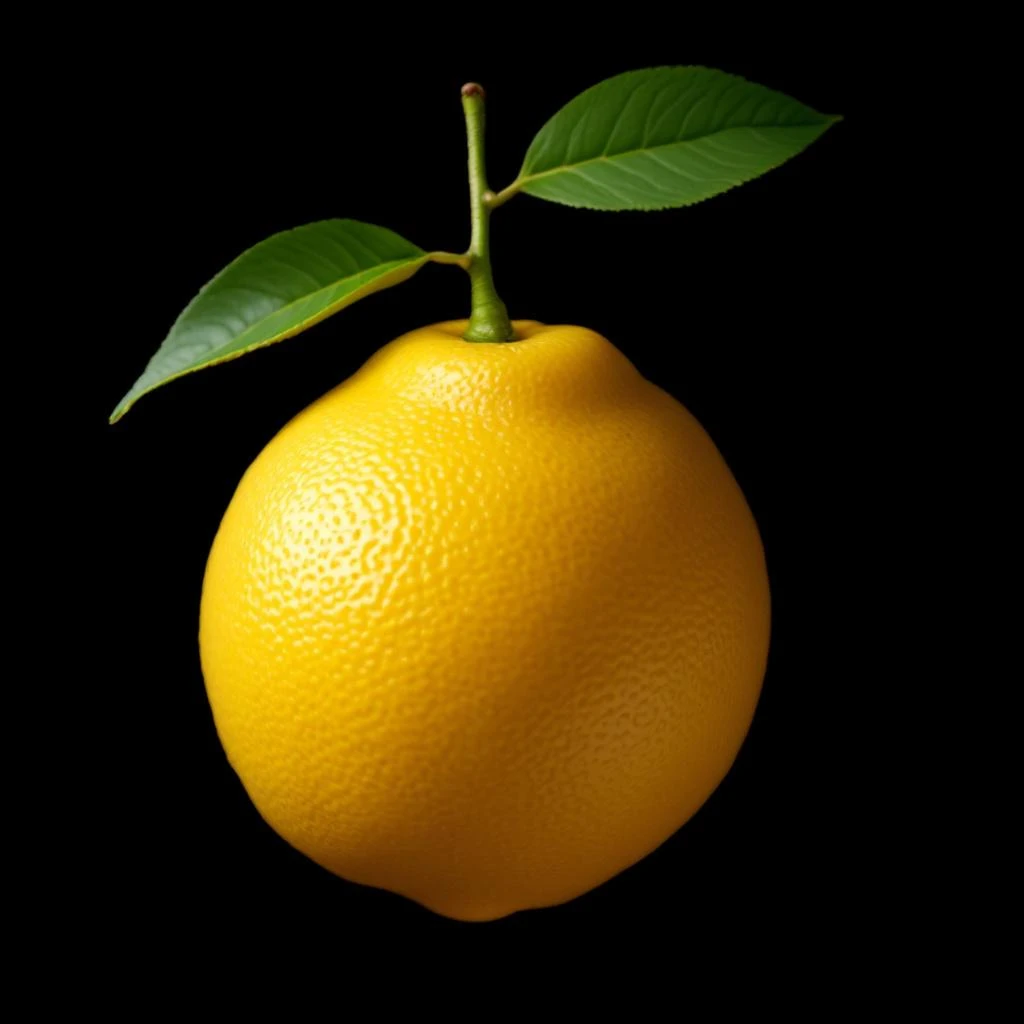
Pairs beautifully with

Origin
United Kingdom
Blackberries have grown wild across Europe, Asia, and North America for thousands of years, with archaeological evidence of consumption dating back to the Neolithic period. The ancient Greeks and Romans used the fruit medicinally, and by the Middle Ages, blackberry bushes were planted around homesteads across Britain and Ireland for both food and protection. The plant's migration to North America began in the 19th century, where Native American varieties were crossbred with European cultivars.
In perfumery, blackberry emerged as a distinct note in the late 20th century, as advances in aroma chemistry allowed perfumers to reconstruct its complex scent profile. Earlier compositions relied on related red berry accords, but modern formulations isolate blackberry's distinctive tartness and earthy depth.
Wears it best
Fragrances featuring Wild Blackberry
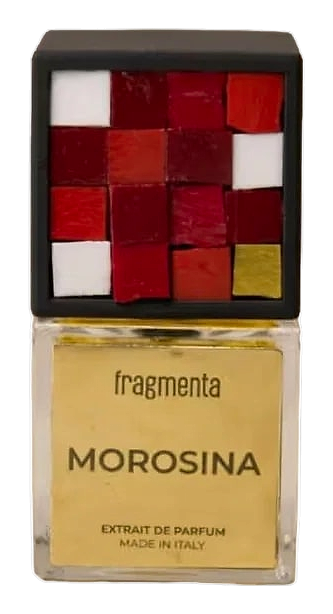
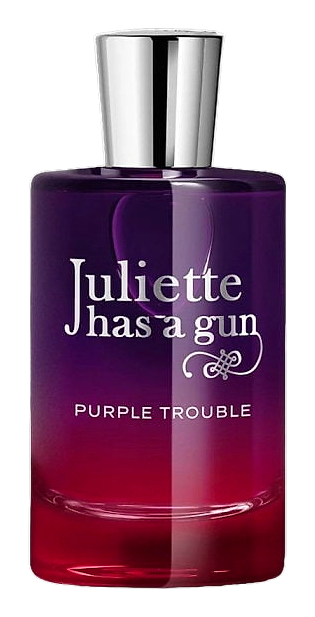
Brands
Brands known for Wild Blackberry
Good to know
Questions, answered
The essentials on Wild Blackberry in perfumery: how it smells, where it comes from, and how it behaves on skin.
What does wild blackberry smell like in perfume?
Wild blackberry offers a dark, jammy sweetness tempered by tart acidity and green leafy undertones. It smells less candy-like than commercial raspberry and carries earthy, brambly facets from the plant's stems and foliage.
Is wild blackberry a natural or synthetic note?
Most wild blackberry accords combine small amounts of natural fruit extract with synthetic aroma molecules. The fresh fruit yields very little essential oil, so perfumers reconstruct its scent using compounds like beta-damascenone and ethyl methylphenylglycidate.
What is the difference between blackberry and blackcurrant in perfumery?
Blackberry reads as darker, sweeter, and more jammy, while blackcurrant carries sharper green and catty sulfurous notes. Blackcurrant bud absolute, extracted from Ribes nigrum, contains unique sulfur compounds absent in blackberry accords.
Which fragrance families use wild blackberry?
Wild blackberry appears most often in fruity floral and gourmand compositions, where its tart-sweet profile complements vanilla, musk, and rose. It also bridges fruity chypre and modern fruity fragrances seeking a naturalistic edge.
Can wild blackberry essential oil be purchased?
True blackberry essential oil is extremely rare and expensive due to the fruit's low oil yield. Most perfumers work with CO2 extracts, absolutes, or synthetic reconstructions, which offer consistent aroma at accessible cost.
What ingredients pair well with wild blackberry?
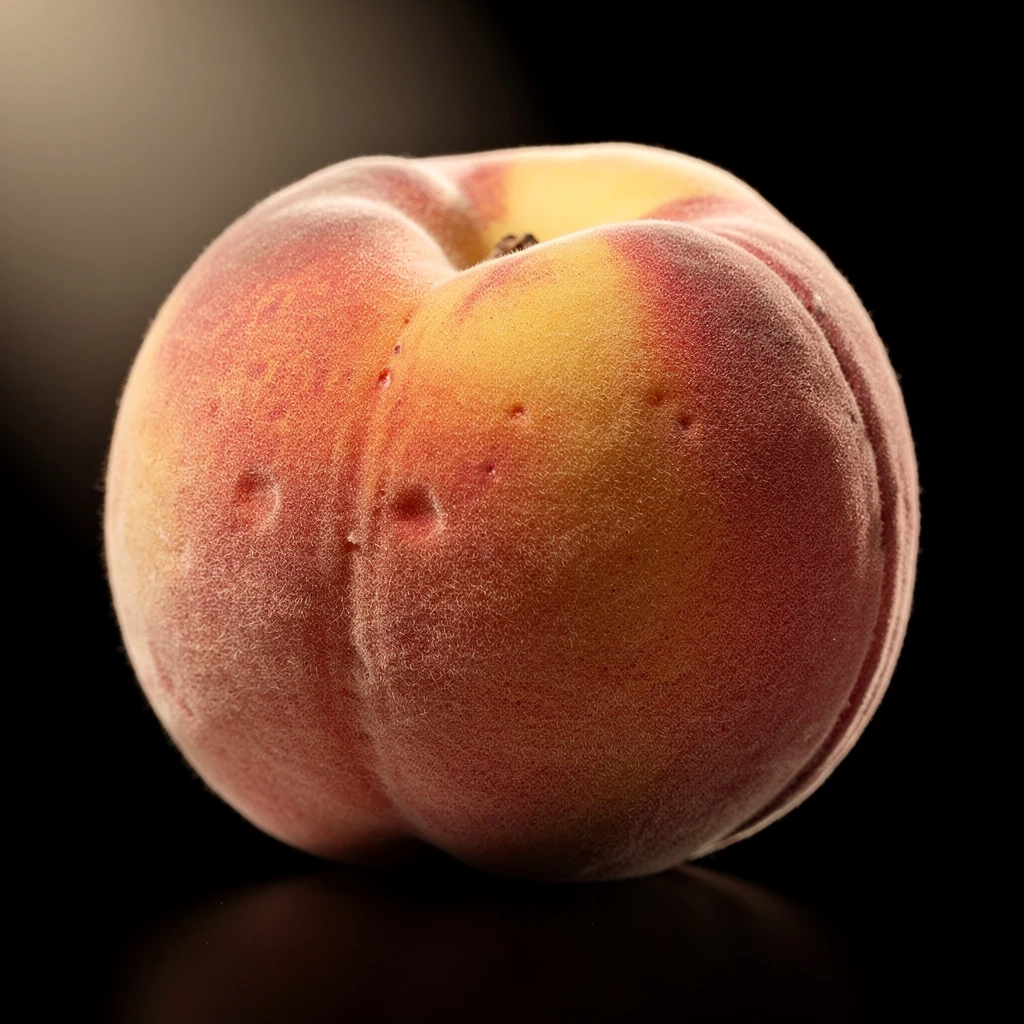
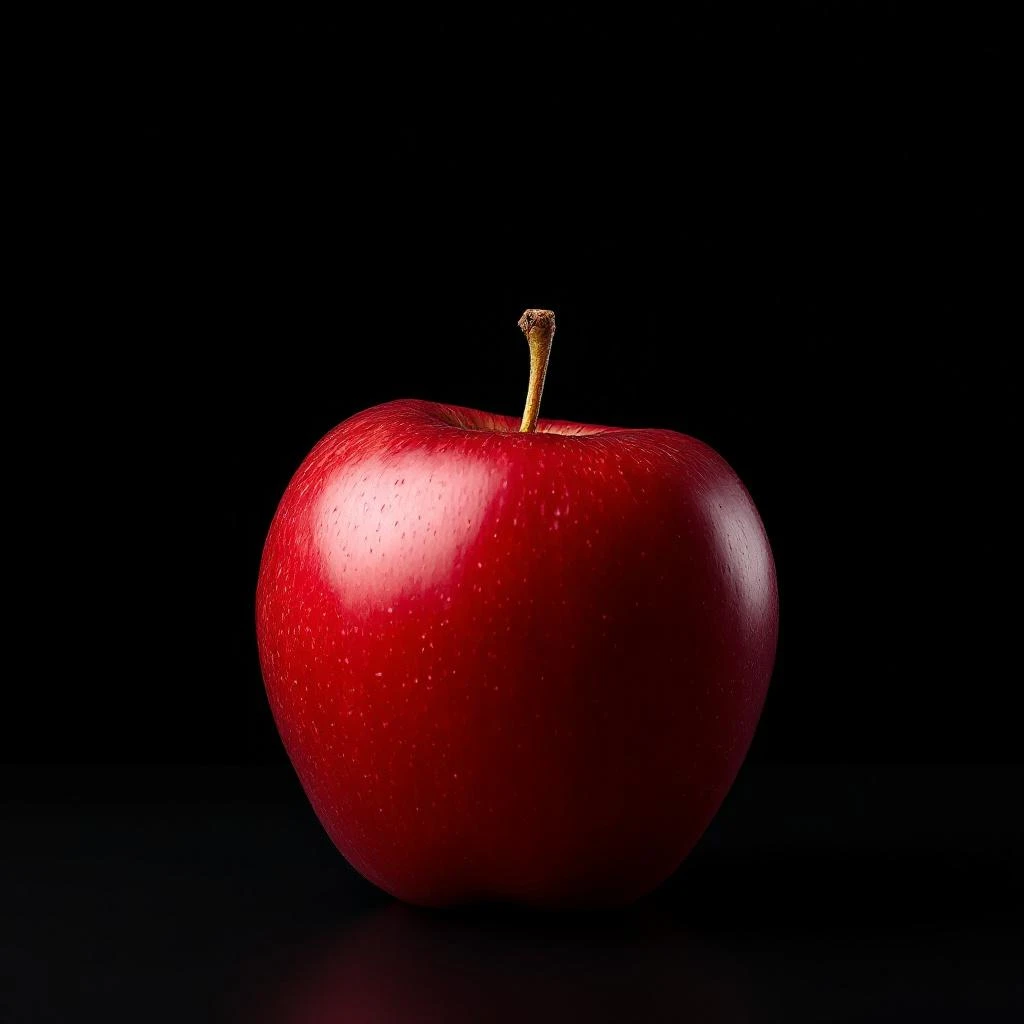
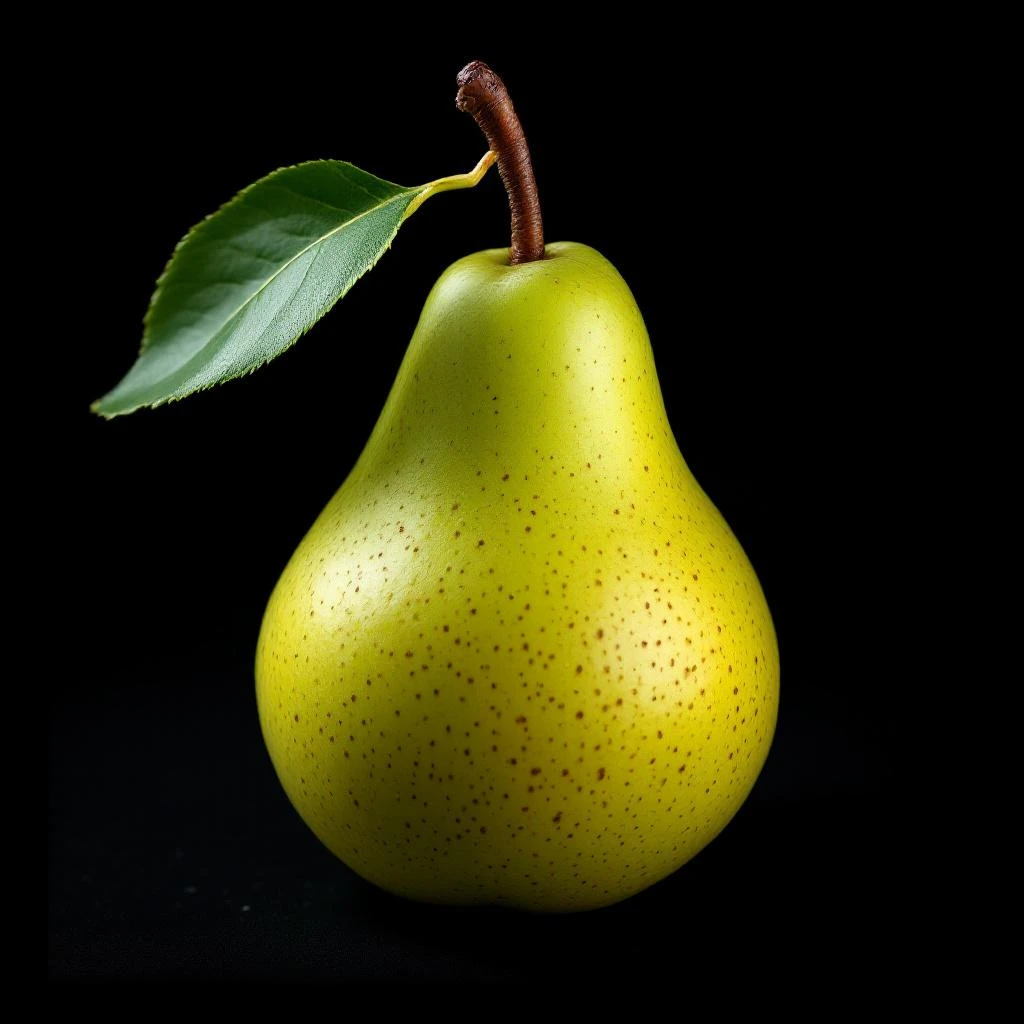
Wild blackberry pairs naturally with blackcurrant, raspberry, and violet leaf for layered berry accords. It also complements warm notes like vanilla, sandalwood, and amber, as well as bright citruses such as bergamot and mandarin.
Is wild blackberry safe for sensitive skin?
When used at typical fragrance concentrations (under 5%), wild blackberry accords are generally well tolerated. The synthetic reconstruction carries fewer natural allergens than botanical extracts, making it suitable for most skin types.
Where do wild blackberries grow?
Wild blackberries thrive across temperate regions of Europe, North America, and Asia. Rubus fruticosus colonizes hedgerows, woodland edges, and disturbed ground, with Britain and Ireland hosting particularly dense bramble populations.