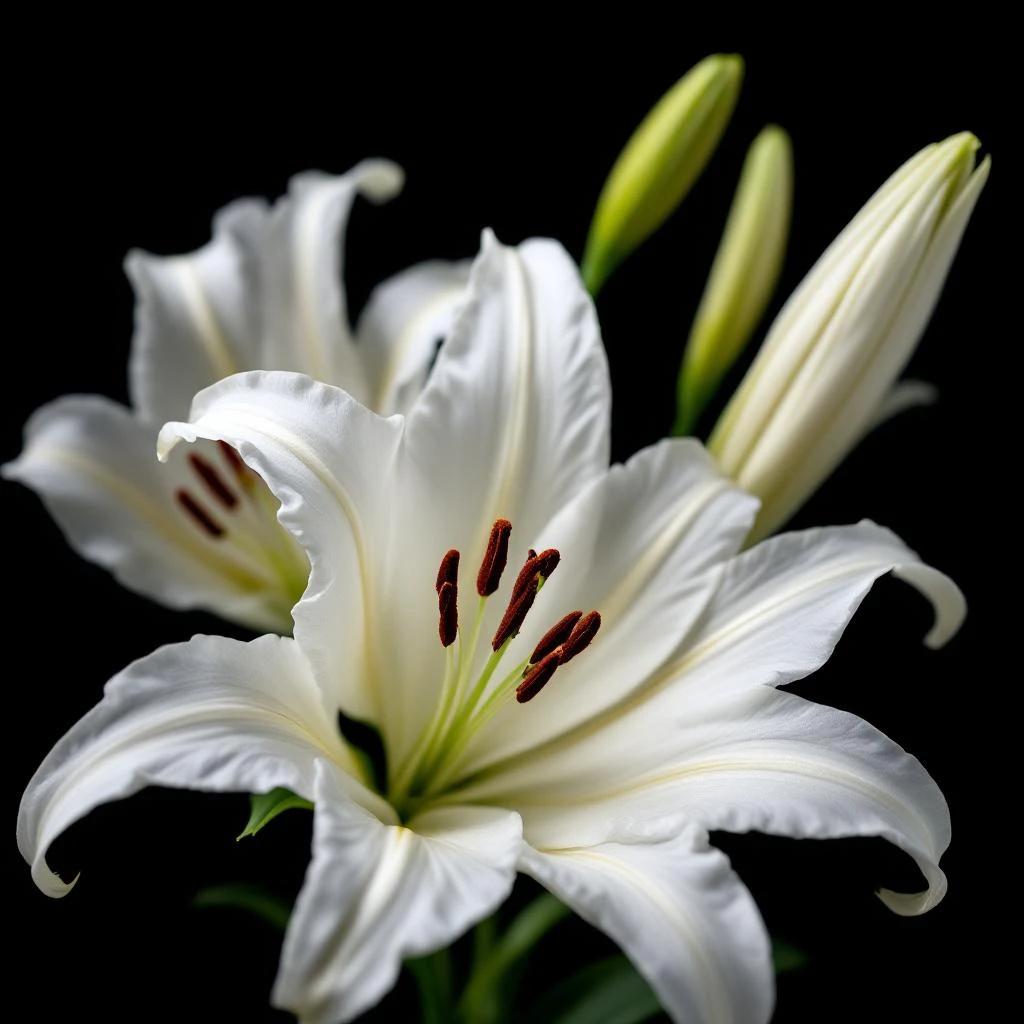
White Tulip
White Tulip captures the fresh, green elegance of spring. A modern perfumery creation that recreates the clean, pure essence of white tulips in bloom.
Character
How it smells
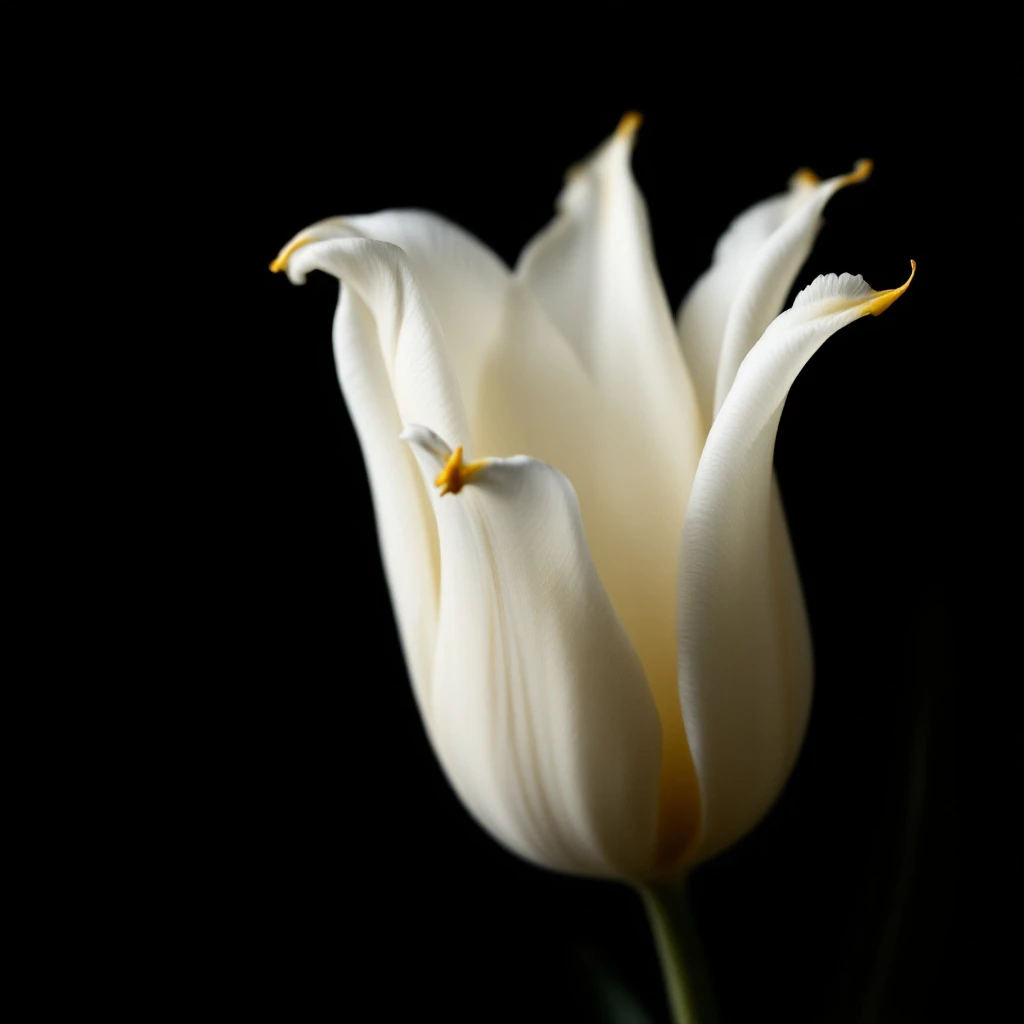
Fresh green floral with delicate white petals
Tulips continue growing after being cut, sometimes up to an inch per day, which explains their persistently fresh scent.







Origin
Netherlands
Tulips originated in the Ottoman Empire, where they became symbols of wealth and status in the 16th century. Dutch traders brought tulip bulbs to Europe in the late 1500s, sparking a fascination that reached fever pitch during Tulip Mania in the 1630s, when single bulbs sold for more than houses.
The flower's elegant shape and subtle fragrance inspired poets and painters for centuries. White tulips held particular significance, representing purity and forgiveness.
When modern perfumery sought to capture this delicate flower, chemists faced the challenge that tulip scent is subtle and difficult to extract. Rather than abandon the idea, fragrance houses developed the synthetic White Tulip accord, allowing this historic flower to live on in perfumery long after its botanical harvest.
Wears it best
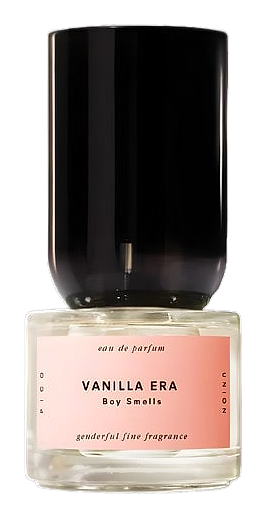
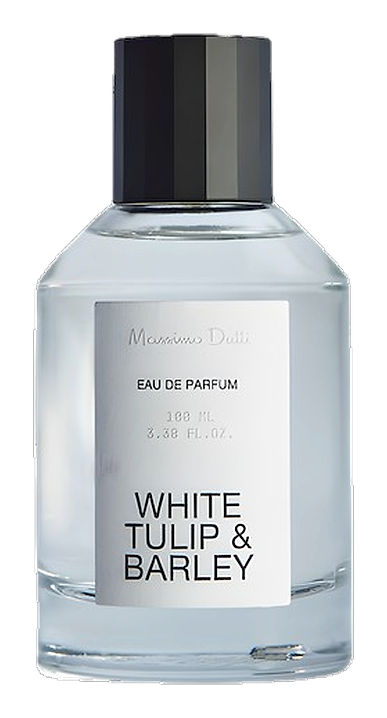
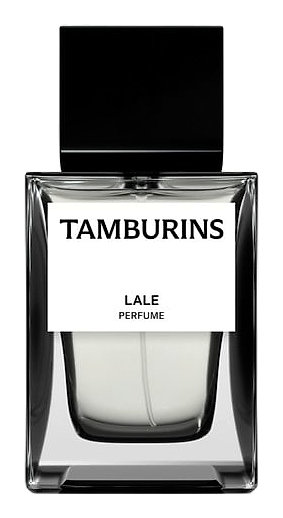
Fragrances featuring White Tulip
Brands
Brands known for White Tulip
Good to know
Questions, answered
The essentials on White Tulip in perfumery: how it smells, where it comes from, and how it behaves on skin.
Is White Tulip a natural or synthetic ingredient?
White Tulip is a synthetic accord. Natural tulip petals contain insufficient aromatic compounds for viable commercial extraction, so perfumers recreate the fresh, green-floral scent using aroma chemicals.
What does White Tulip smell like?
White Tulip smells fresh, green, and clean with delicate floral sweetness. It has subtle watery notes and a crisp, pure quality reminiscent of white petals in spring.
Which fragrance families use White Tulip?
White Tulip appears in modern florals, chypres, and fresh fragrance compositions. It works particularly well in spring and summer scents, often paired with green notes, aldehydes, or aquatic elements.
Can real tulips be used in perfumery?
Real tulip absolute exists but remains rare due to extremely low yields. Most perfumers prefer the synthetic accord for consistency and sustainability.
When was the White Tulip accord developed?
Fragrance houses developed the White Tulip accord during the late 20th century as synthetic chemistry advanced. It became popular in the 1990s and early 2000s as part of the clean, modern fragrance trend.
What molecules create the White Tulip scent?
Perfumers combine green notes like cis-3-hexenol with sweet molecules like phenylacetaldehyde and floral synthetics. This blend recreates the characteristic fresh, slightly sweet, clean tulip character.
Does White Tulip have any symbolic meaning?
White tulips traditionally symbolize purity, forgiveness, and new beginnings. The fragrance accord carries these associations, making it popular in bridal and fresh spring compositions.
Which famous perfumes feature White Tulip?
White Tulip appears in several modern fragrances from houses like Byredo and Jo Malone. It gained popularity as part of the clean, minimalist fragrance movement in contemporary perfumery.