White Truffle
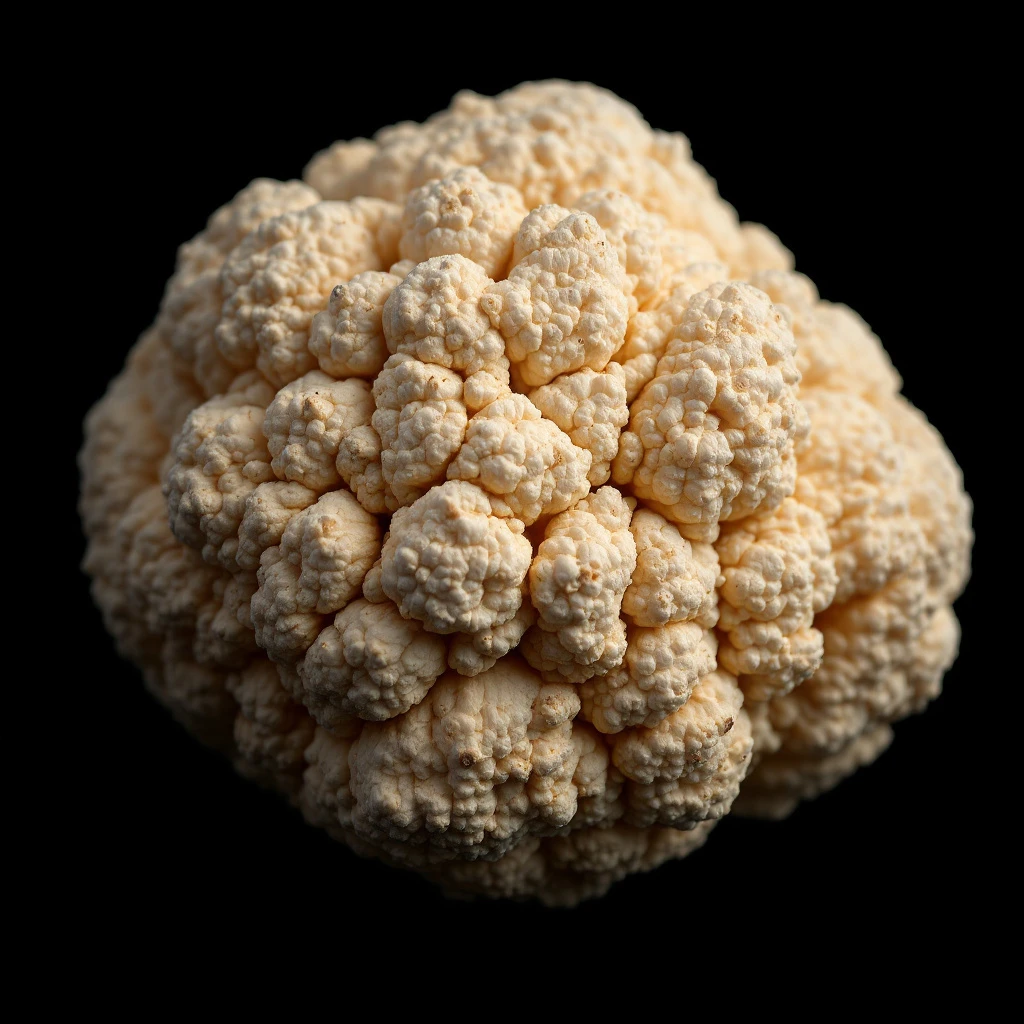
The white truffle brings an unmistakable earthy, mushroom-like richness to fragrance. Tuber magnatum captures damp forest floors, aged wood, and the primal aroma of earth after rain.
Character
How it smells
Earthy. Primal. Underground luxury.
White truffles cannot be cultivated like mushrooms. They grow wild 12 to 24 inches underground, forming symbiotic relationships with oak, poplar, and hazel tree roots.





Origin
Italy
White truffles commanded reverence across centuries, though their role in perfumery emerged more recently. Ancient Romans valued truffles as divine gifts, with Pliny the Elder documenting their mysterious underground growth and intoxicating aroma. Medieval Europeans believed truffles sprouted from lightning strikes during thunderstorms, a myth that spoke to their elusiveness and perceived magical properties.
In the culinary world, white truffles became synonymous with Italian gastronomy, particularly after Piedmont emerged as the center of truffle culture in the 15th century. The annual truffle markets of Alba attracted aristocrats and royalty, establishing the ingredient as a status symbol that transcended mere food.
Perfumery's adoption of truffle notes developed much later, emerging in the late 20th century as fragrance houses sought to capture the primal essence of earth and forest. This earthy, animalic quality brought unprecedented depth to oriental and woody compositions, offering something beyond floral and citrus conventions. Modern biotechnological advances now allow perfumers to isolate and reconstruct truffle molecules, making this rare ingredient more accessible while preserving its characteristically primal aroma.
Wears it best
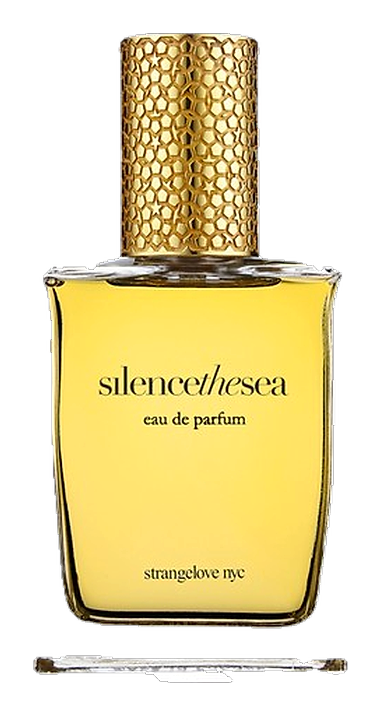
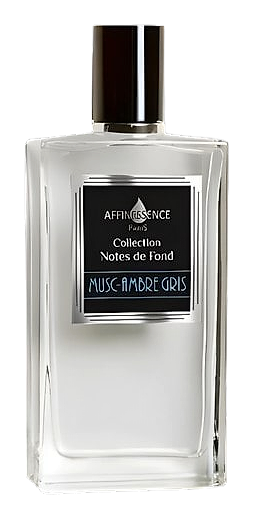
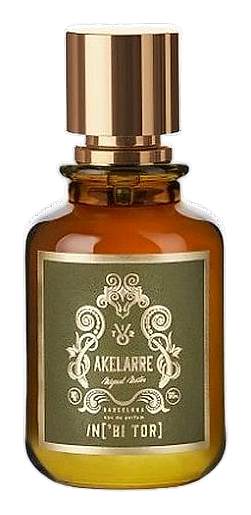
Fragrances featuring White Truffle
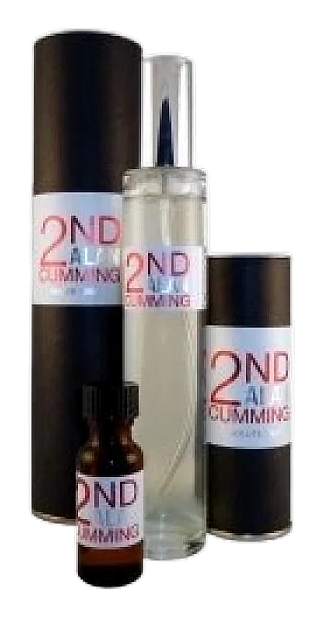
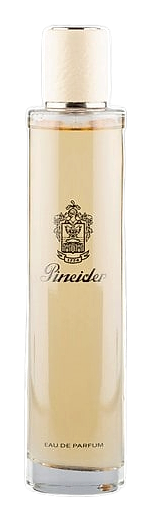
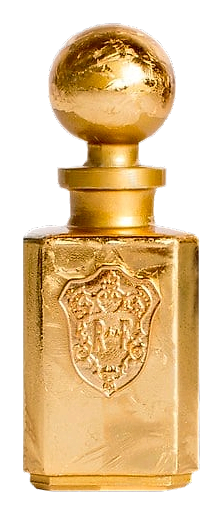
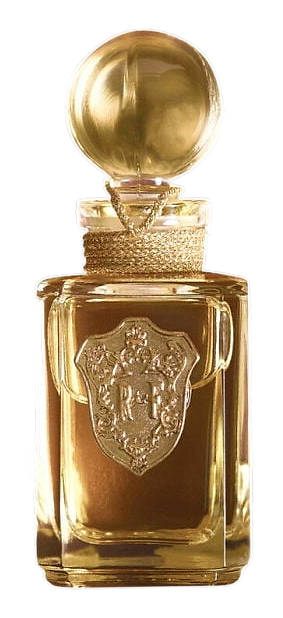
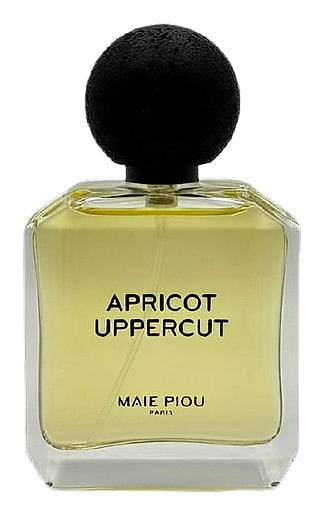
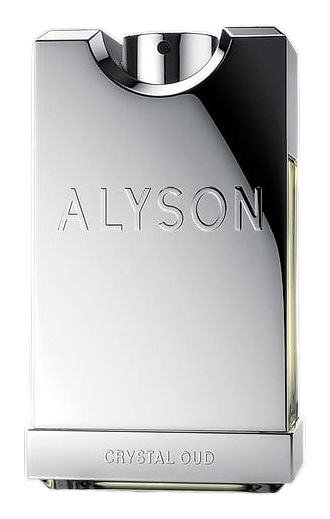
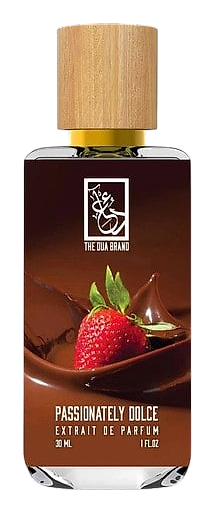
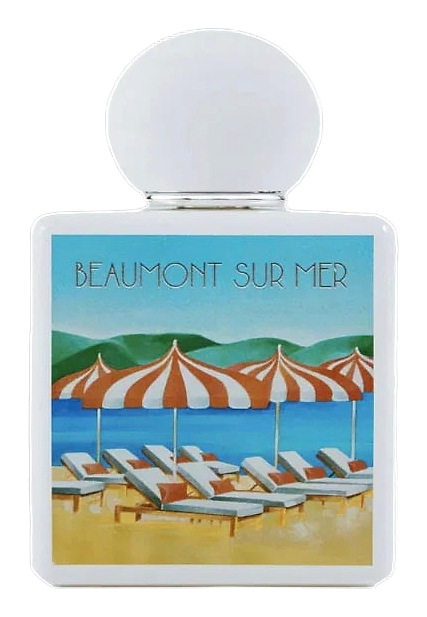

Brands
Brands known for White Truffle
Good to know
Questions, answered
The essentials on White Truffle in perfumery: how it smells, where it comes from, and how it behaves on skin.
Is white truffle extract natural or synthetic?
Both forms exist in perfumery. Natural truffle extract comes from enzymatic processing of the fungal material. However, due to scarcity and cost, many fragrances use synthetic reconstruction molecules that replicate the earthy, mushroom-like aroma profile at scale.
What does white truffle smell like in perfume?
White truffle delivers a deep, earthy character with mushroom-like undertones. Expect notes of damp forest floor, aged wood, and a subtle musky sweetness reminiscent of soil after rainfall. It adds primal depth rather than sweetness.
Which fragrance families use white truffle?
Chypre and oriental fragrances most commonly feature white truffle. It also appears in certain woody and leather compositions where its animalic earthiness can anchor top notes and provide long-lasting base character.
Why is white truffle so expensive in perfumery?
Tuber magnatum grows exclusively in a small region around Alba, Italy, and cannot be cultivated. The scarcity drives both culinary and perfumery costs. Biotech-derived alternatives offer more consistent pricing without sacrificing the characteristic aroma profile.
Can white truffle be detected in a blend?
White truffle works as a modifier rather than a dominant note. At typical usage levels of 0.5 to 2 percent in a fragrance concentrate, it adds subtle depth and earthiness that becomes apparent in the dry-down rather than the opening.
What extraction method preserves truffle's aroma best?
Enzymatic extraction at cold temperatures preserves the delicate sulfur compounds that define truffle's character. Heat-based methods like steam distillation destroy these volatile molecules, making the enzymatic approach essential for quality extracts.
How should truffle materials be stored?
Store truffle extracts in airtight, dark glass containers away from heat and light. The aromatic compounds oxidize slowly over time, so refrigeration extends shelf life. Properly stored extracts remain viable for 12 to 18 months.
What ingredients pair well with white truffle in perfumery?
Patchouli, vetiver, oakmoss, and dark musks amplify truffle's earthy qualities. Blending with bergamot or iris softens its intensity. It combines naturally with other forest-floor ingredients like birch tar and mushroom notes.





