The Story
Why it exists.
The beginning
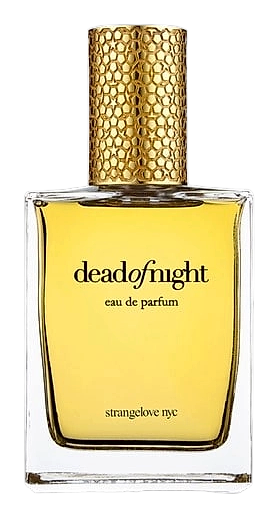
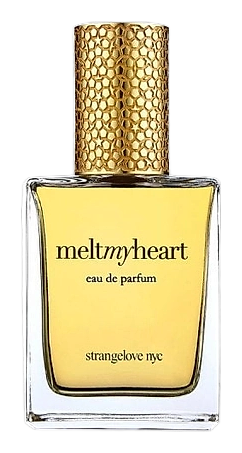
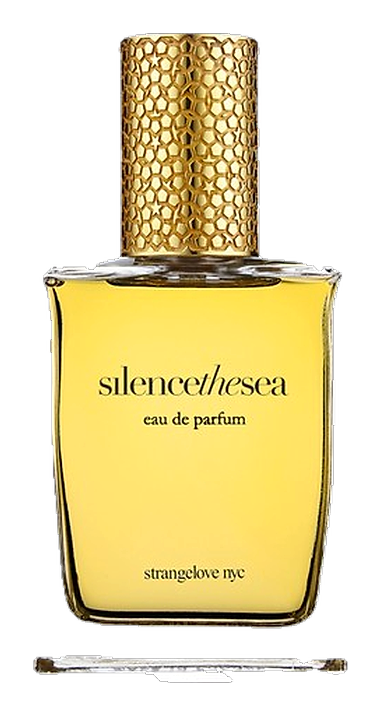
The name says everything. Silence The Sea isn't a fragrance about the ocean, it's about what happens when the noise stops. The brand's official copy frames it as capturing "the soundless intimacy of a lover's gaze," and that concept runs through every decision in the composition. Marine animalic Indian oud. Two phrases that shouldn't sit together this easily, and yet. Christophe Laudamiel built this in 2016 for Strangelove NYC, a house that had already staked its identity on oud as an artistic medium rather than a luxury commodity. The brief wasn't about pleasantness. It was about presence, the kind you feel before anyone speaks.
What makes Silence The Sea structurally unusual is the ratio. Ambergris isn't a supporting player here, it's the opening act, the main event, and half the reason people either adore this or find it too much. Combined with kelp, it produces a marine effect that smells like the sea itself rather than a memory of it. The oud enters later, anchoring the brine in something resinous and warm. White truffle adds an earthy, slightly fungal depth that most marine fragrances never attempt. The result is a fragrance that smells alive in the way the ocean is alive, not curated, not polite.
The evolution
The opening hits like walking into a tidal pool. Cold salt, wet stone, the slightly fecal edge of unprocessed ambergris, this is not a sanitized aquatic. Within twenty minutes the jasmine and tuberose arrive, warmer than expected, threading something floral through the brine. The transition is abrupt in a way that feels intentional, like the sea suddenly pulling back to reveal what's underneath. The heart holds for several hours: animalic, balsamic, the oud now fully present alongside the white truffle's earthiness. By hour six, the marine fades and what remains is resinous, musky, close to skin. If you spray clothing, the oud will outlast everything else, easily into the next day.
Cultural impact
Silence The Sea occupies a specific corner of niche perfumery: the marine-animalic space that most houses avoid because it's difficult to wear and difficult to sell. The fragrance's photorealistic quality, the ambergris smells like actual ambergris, not a simulation, generates strong reactions that the brand has leaned into rather than softened. It's the kind of fragrance that collectors talk about disproportionately to its sales volume, the kind that appears on forums in threads titled "most polarizing perfume I own." That reception is not accidental. Strangelove NYC built this for the wearer who finds beauty in intensity rather than in comfort.