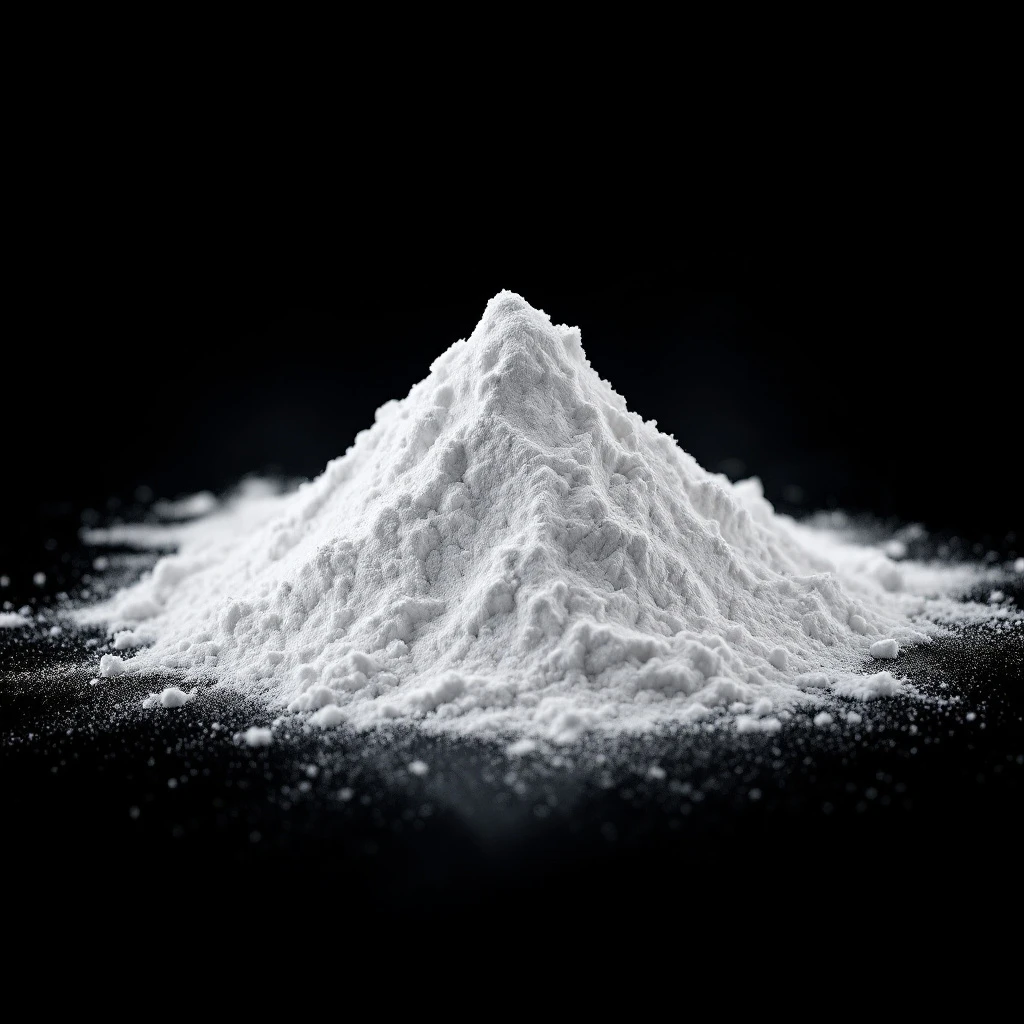
White Powder
White powder is not a botanical ingredient but a family of synthetic aroma chemicals designed to evoke clean, cosmetic, and talc-like softness in modern fragrance compositions. These molecules lend a sheer, soapy, or skin-like quality that anchors countless contemporary formulations.
Character
How it smells
The clean, soapy whisper behind modern softness.
The aldehyde known as 'white powder' accord in perfumery often mimics the scent of freshly applied talcum powder, a nostalgic effect created entirely through synthetic chemistry rather than any natural source.






Origin
France
Powdery notes have a storied place in fragrance history, long before synthetic chemistry made them reproducible. In the nineteenth century, the association between powder and luxury came from rice starch and orris root, both used in cosmetics and sachets.
Victorian women carried handkerchiefs scented with violet and iris powders, and the soft, dry scent became synonymous with refinement. When synthetic aroma chemicals emerged in Grasse between 1889 and 1921, perfumers gained new tools to capture that powdery sensation without relying solely on costly natural materials.
The aldehydic, soapy character became a signature of certain landmark fragrances released in the early twentieth century, cementing powdery accords as a pillar of modern composition. Today, white powder effects remain a staple in both niche and commercial perfumery, evoking nostalgia for the cosmetics counter while remaining technically achievable through laboratory synthesis.
Wears it best
Fragrances featuring White Powder

Brands
Brands known for White Powder
Good to know
Questions, answered
The essentials on White Powder in perfumery: how it smells, where it comes from, and how it behaves on skin.
What does white powder smell like in perfume?
White powder accords produce a clean, soft, slightly sweet scent reminiscent of talcum powder, fresh laundry, or cosmetic face powder. The effect is typically dry, soapy, and comforting, with hints of iris, violet, and gentle musk underneath.
Is white powder a natural or synthetic fragrance ingredient?
White powder is a synthetic accord, meaning perfumers build it from lab-created aroma chemicals rather than distilling any plant or animal source. No single natural material delivers the exact powdery effect, which is why synthetic blending became standard practice.
Which molecules create the white powder effect?
Heliotropin contributes a sweet, almond-like softness. Polycyclic musks add soapy diffusion. Synthetic iris and violet compounds supply the dry, powdery backbone. Aldehydes can sharpen or sweeten the accord depending on concentration.
When did powdery notes first appear in perfumery?
Powdery associations date to nineteenth-century cosmetics culture, when orris root and rice starch powders scented handkerchiefs and vanity tables. Synthetic powder accords became widespread after the early twentieth century, once aldehydes and musks were commercially available.
Why do perfumers use white powder accords?
Perfumers value powder accords for their comforting, familiar character and their ability to soften sharper notes. They also offer batch-to-batch consistency and cost efficiency, since synthetic ingredients avoid the price volatility of natural orris root.
Are white powder ingredients safe to wear?
Yes, the synthetic materials used in powder accords have been evaluated by IFRA and are considered safe at typical fragrance concentrations. All commercial perfumes must meet regulatory safety standards before reaching consumers.
Can white powder notes smell dated or modern?
Both, depending on composition. Classic powdery fragrances from the early twentieth century feel nostalgic and soapy. Modern interpretations pair powder notes with airy musks, ambroxan, or fruity accords, producing a fresher, more contemporary impression.
What fragrance families feature white powder accords most?
Powder accords appear across families but appear most prominently in soft florals, oriental fragrances, and clean musks. They also serve as a unifying base in aldehydic florals, where they smooth transitions between sharper top notes and richer heart ingredients.