Talcum Powder
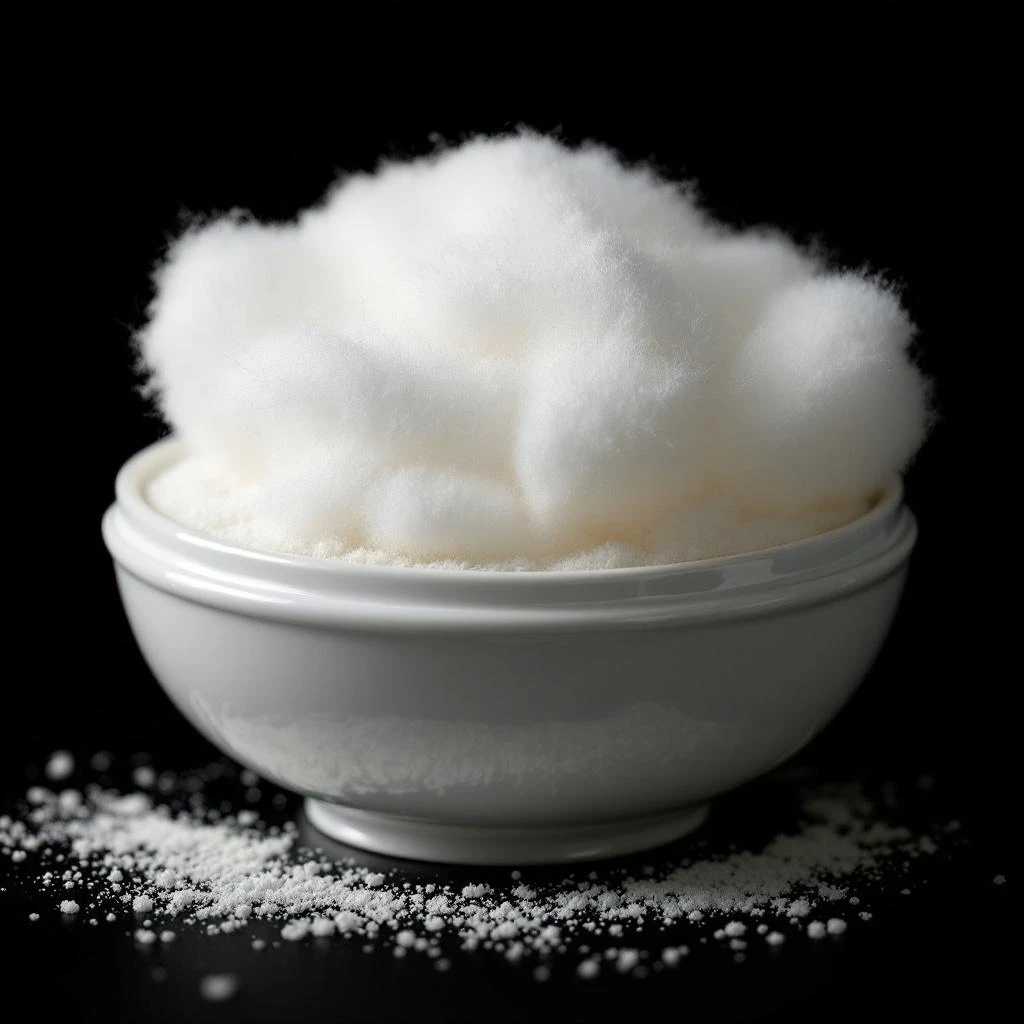
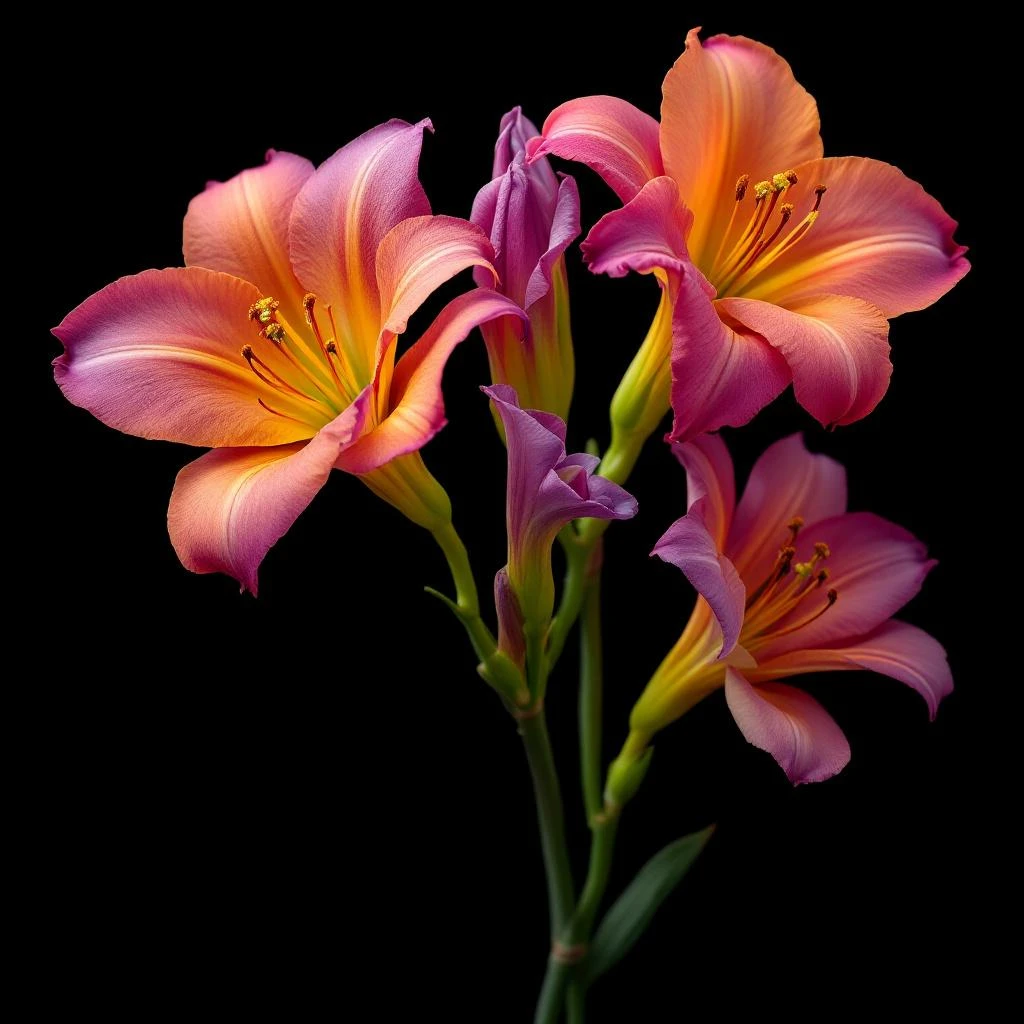
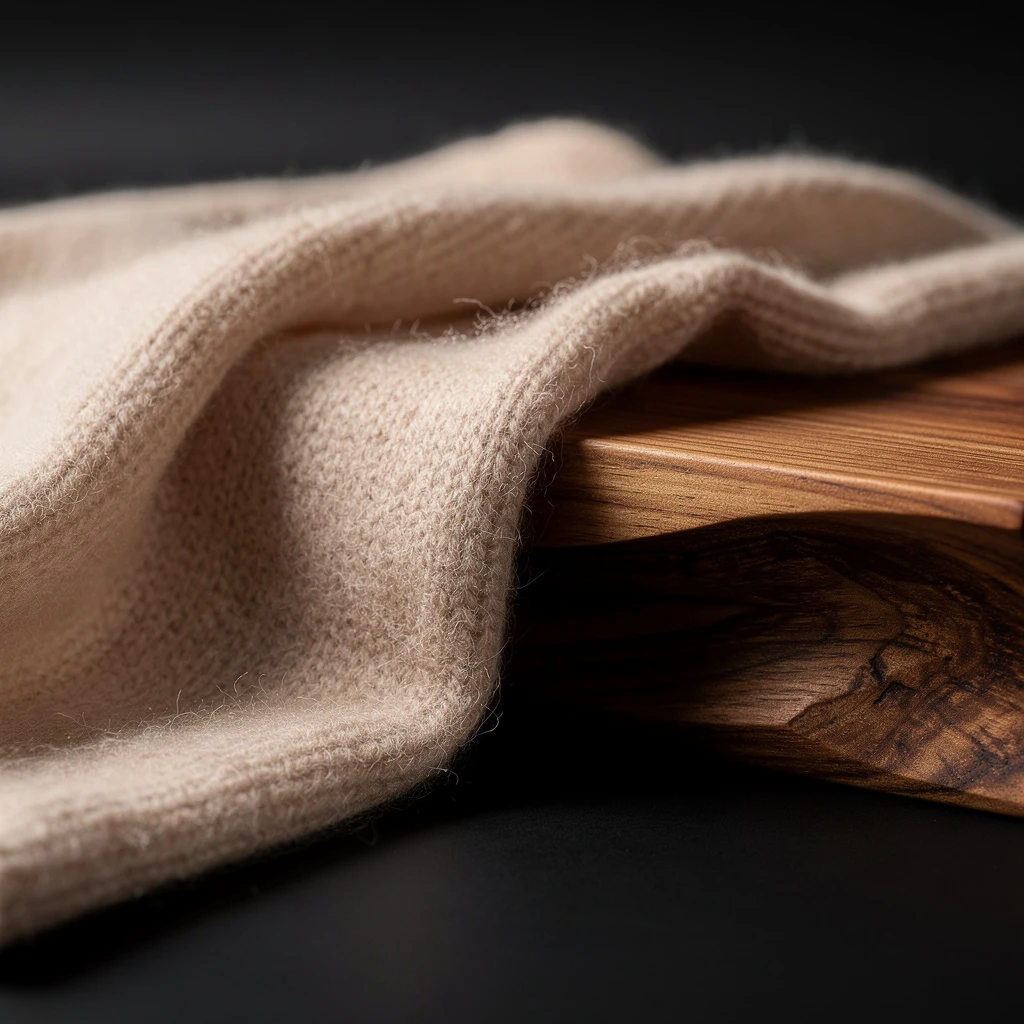
Talcum powder accord in perfumery captures the soft, mineral-clean warmth of freshly powdered skin. This accord evokes the nostalgia of nursery drawers, scented sachets, and the quiet intimacy of morning rituals.
Character
How it smells
Soft mineral warmth from the bottle
The powdery fragrance family actually predates talc use; it originated from rice powder in the 1740s, long before cosmetic talc entered cosmetics.



Origin
France
Talc mineral powder has been milled for cosmetic use since antiquity, with records of ground talc appearing in ancient Egyptian and Mesopotamian body care rituals. The connection between talcum and fragrance developed in 19th-century Europe, when perfumed body powders became fixtures of bourgeois grooming culture. By the Victorian era, talc scented with rose, violet, and iris ranked among the most popular personal care products across Britain and France. The powdery scent category in fine perfumery, however, traces further back.
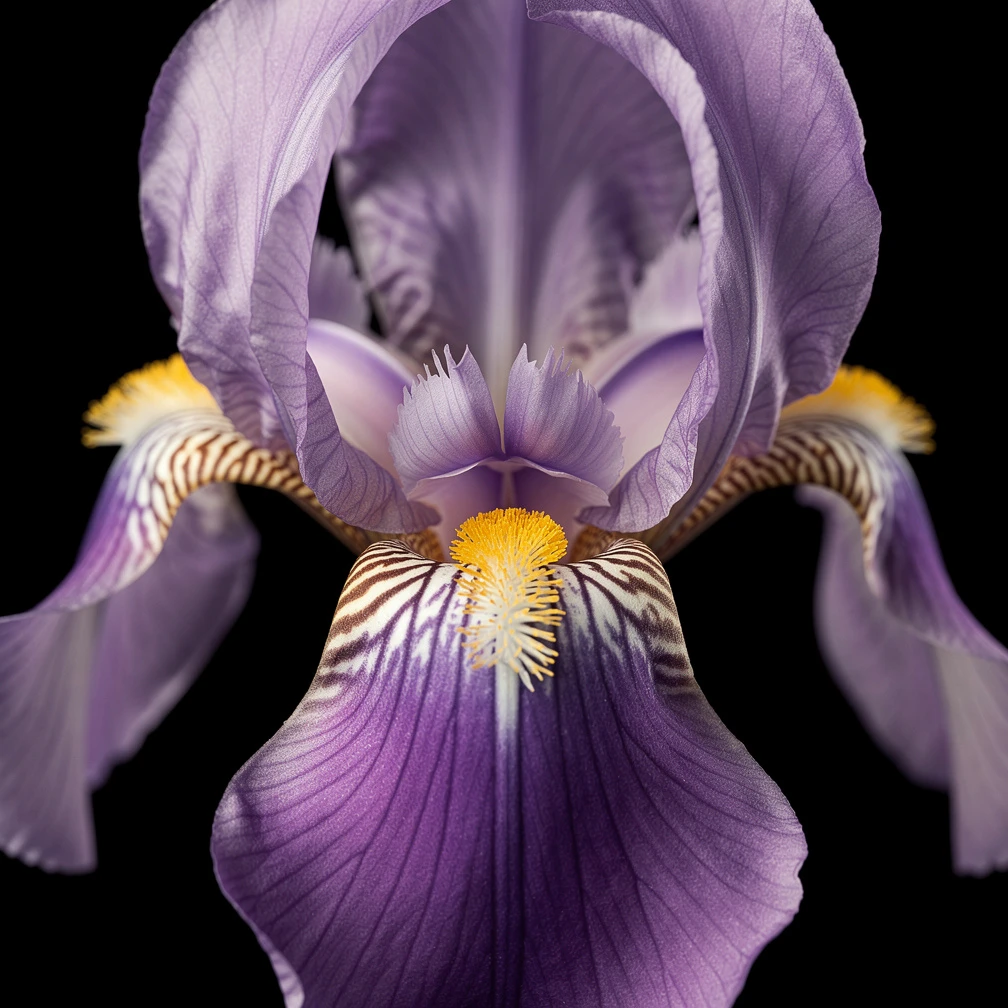
According to perfume historians, the powdery olfactory family emerged during the rice shortages of 1740, when perfumers in Grasse began associating ground rice starch with softness and refinement. When iris pallida cultivation expanded in Tuscany and Florence in the 1800s, orris butter became the cornerstone of powdery compositions, lending its earthy, suede-like character. Guerlain's L'Heure Bleue (1912) and later Chanel No. 5 cemented powdery notes as a pillar of haute perfumery.
Meanwhile, regulatory concerns about asbestos contamination in talc emerged in the 20th century, pushing cosmetic manufacturers toward purer grades. The Cosmetic, Toiletry and Fragrance Association stated in 1976 that cosmetic talc had been free of asbestos since that year, a claim that reshaped sourcing standards industry-wide.
Wears it best
Fragrances featuring Talcum Powder
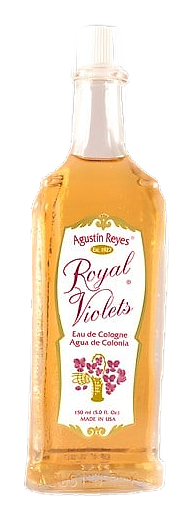
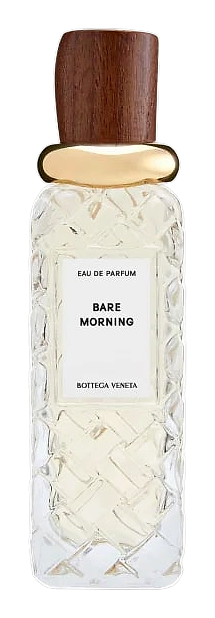
Brands
Brands known for Talcum Powder
Good to know
Questions, answered
The essentials on Talcum Powder in perfumery: how it smells, where it comes from, and how it behaves on skin.
Is talcum powder a natural or synthetic fragrance note?
Talcum powder in perfumery is a synthetic accord, not a single ingredient. It is built from aroma chemicals like orris, heliotropin, and musks that together create the soft, mineral impression of powdered skin.
Why does talcum powder smell nostalgic in perfumes?
The powdery scent evokes associations with baby care, vintage cosmetics, and Victorian grooming rituals. Iris-based orris butter, used since the 1800s in Grasse, gives the accord its signature chalky warmth.
What does the talcum powder note actually smell like?
It smells soft, dry, and slightly sweet, with mineral warmth and a clean, skin-like dry-down. Violet, iris, and white musk are the most recognizable building blocks of this scent impression.
Is talc still safe to use in fragrances and cosmetics?
Cosmetic-grade talc has been certified asbestos-free by industry standards since 1976. Modern perfumers often substitute talc entirely with synthetic accords to avoid regulatory complexity.
When did powdery notes first appear in perfumery?
The powdery fragrance family dates to 1740, when rice powder shortages in France pushed perfumers to associate ground starch with refinement. Iris cultivation in Tuscany later elevated the category in the 1800s.
Which famous perfumes feature the talcum powder accord?
Guerlain's L'Heure Bleue (1912) and Chanel No. 5 helped define powdery perfumery in the 20th century. Both lean on orris and musky bases to achieve their soft, nostalgic signatures.
How do perfumers create the talcum powder scent without using actual talc?
Perfumers blend heliotropin for almond softness, orris butter for chalkiness, and galaxolide or tonalide for clean muskiness. The combination produces a recognizable powdery impression without any mineral ingredient.
What is the difference between talc note and powdery note?
The talc note specifically evokes mineral cosmetic powder, while powdery notes form a broader olfactory family. Powdery compositions can include iris, violet, rice, and soft musks beyond any literal talc reference.