White Osmanthus
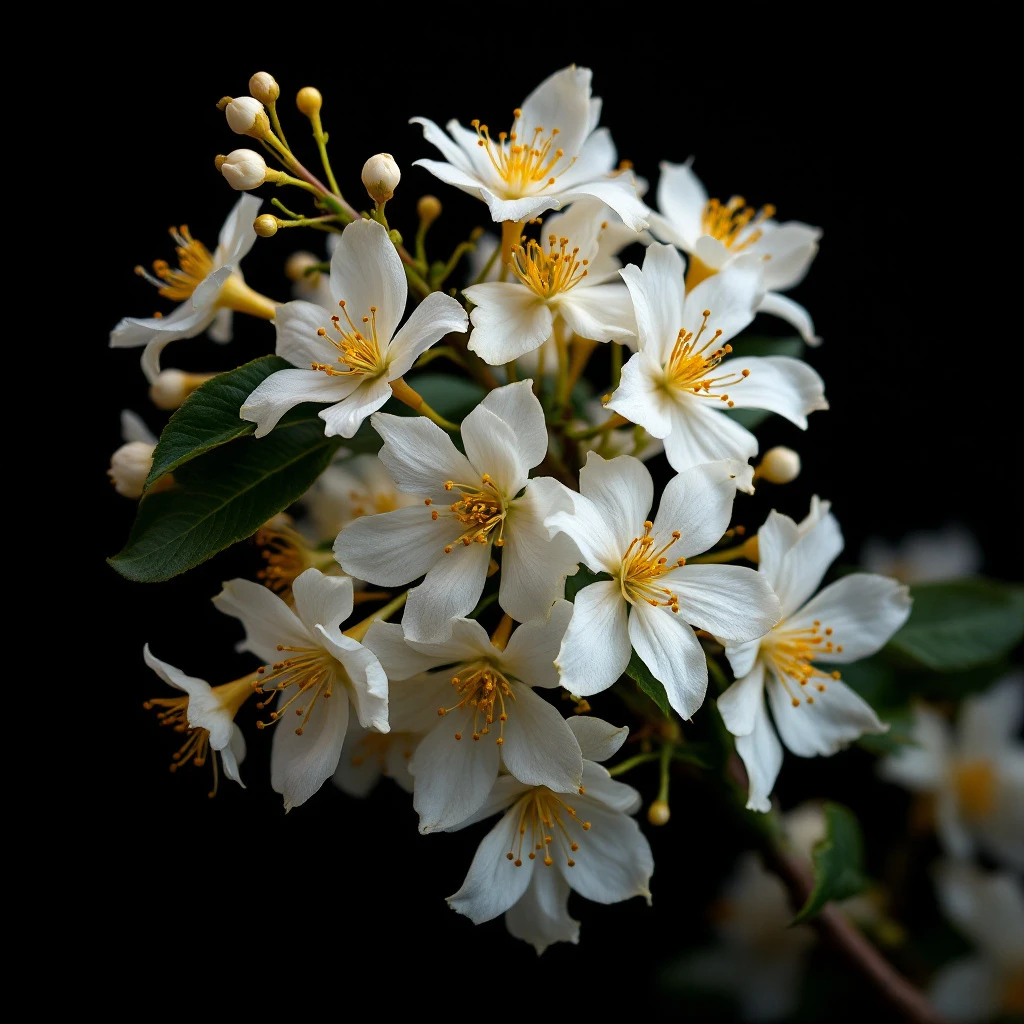
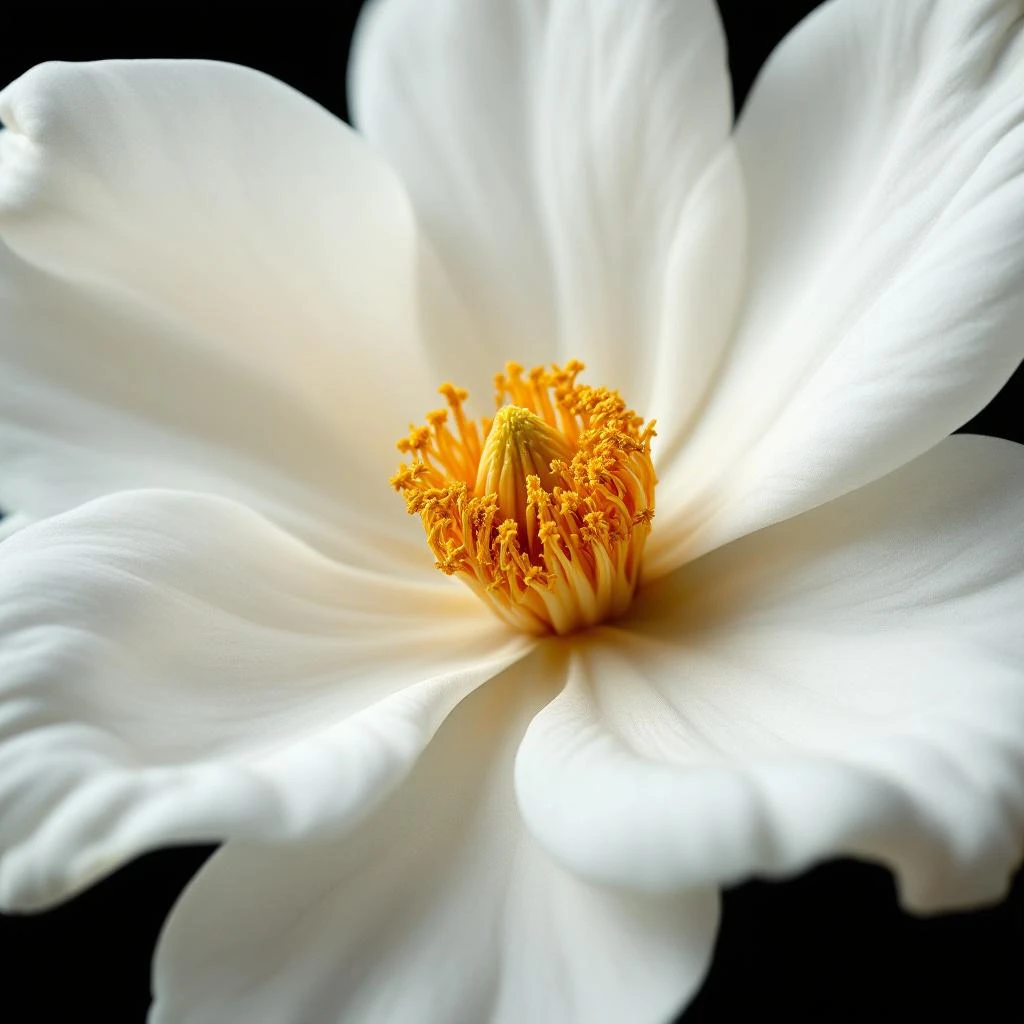
White Osmanthus captures the apricot-blossom soul of the flower—the luminous, dewy freshness that bridges sweet fruit and soft suede. It's the facet that makes autumn gardens feel alive.
Character
How it smells
Where apricot blossom meets soft suede
A single osmanthus tree can produce flowers for over 100 years, with some specimens in Chinese gardens exceeding 500 years old.



Origin
China
Osmanthus has been cultivated in China for over 2,500 years. It is one of ten traditional Chinese flowers grown for their fragrance. During the Tang Dynasty, scholars who passed imperial examinations received osmanthus as recognition of their intellectual achievement, embedding the flower deeply in Chinese cultural memory.
Osmanthus became a symbol of prosperity and knowledge, referenced by ancient poets in verses celebrating the harvest moon. The flower's connection to the Mid-Autumn Festival remains strong today, where it represents honor and academic success. Osmanthus was introduced to European botanical gardens in the late eighteenth century, though Western perfumery only began exploring its apricot-suede character much more recently.
The flower's heritage runs deep in its homeland—Gui county in Guangxi still hosts ancient osmanthus orchards where trees have grown for centuries, their annual blooms carrying centuries of accumulated fragrance.
Wears it best
Fragrances featuring White Osmanthus

Brands
Brands known for White Osmanthus
Good to know
Questions, answered
The essentials on White Osmanthus in perfumery: how it smells, where it comes from, and how it behaves on skin.
What does White Osmanthus smell like?
White Osmanthus smells like apricot blossom with undertones of ripe peach and soft suede leather. The scent is fruity yet refined, combining fresh floral sweetness with a gentle, velvety depth that sets it apart from ordinary floral notes.
Why is osmanthus considered rare in perfumery?
Only China produces osmanthus concrete globally, making this ingredient exceptionally rare in modern perfumery. Traditional cultivation methods in ancient orchards remain largely unchanged, and the short autumn harvest window limits supply.
Where does osmanthus originate?
Osmanthus originated in China over 2,500 years ago. It remains native to southern China, particularly Guangxi and Sichuan provinces, where cultivation for fragrance and tea began centuries ago and continues today.
How is osmanthus absolute produced?
Producers extract osmanthus absolute through solvent extraction of fresh flowers, yielding osmanthus concrete first, then washing with alcohol to isolate the absolute. The golden-orange flowers are preferred because they yield the highest concentration of aromatic compounds.
What makes White Osmanthus different from regular osmanthus?
White Osmanthus specifically refers to the lighter, fresher apricot facet of the flower. While golden-orange osmanthus offers deeper honey and jam-like qualities, white osmanthus delivers the dewy blossom character without the heavier sweet notes.
Is osmanthus sustainable to harvest?
Yes. Chinese farmers continue cultivating osmanthus using traditional methods passed down through generations. Gui county's osmanthus orchards have produced blooms for centuries, ensuring long-term sustainability of this beloved ingredient.
Can synthetic alternatives replicate osmanthus?
Partially. Synthetics can approximate the apricot-peach character, but they cannot fully replicate the natural ingredient's complexity. The suede-like depth and nuanced fruit-floral balance remain difficult to reproduce artificially.
What perfumes feature osmanthus?
Osmanthus appears in luxury fragrances like LanCOME Magie Noire and Bvlgari Alleggeria. Its high cost limits use to high-end compositions where it serves as a prized heart note, lending warm apricot-floral character to the composition.




