White Lemon
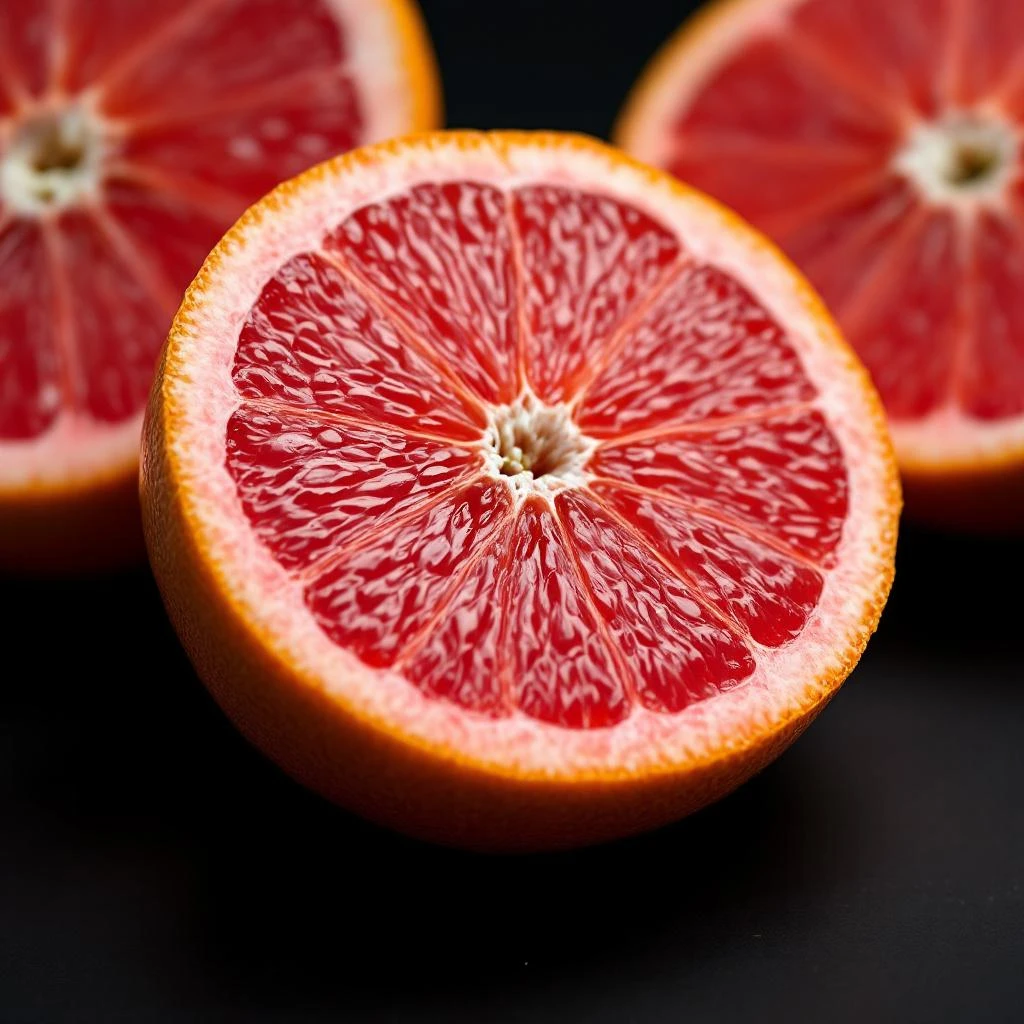
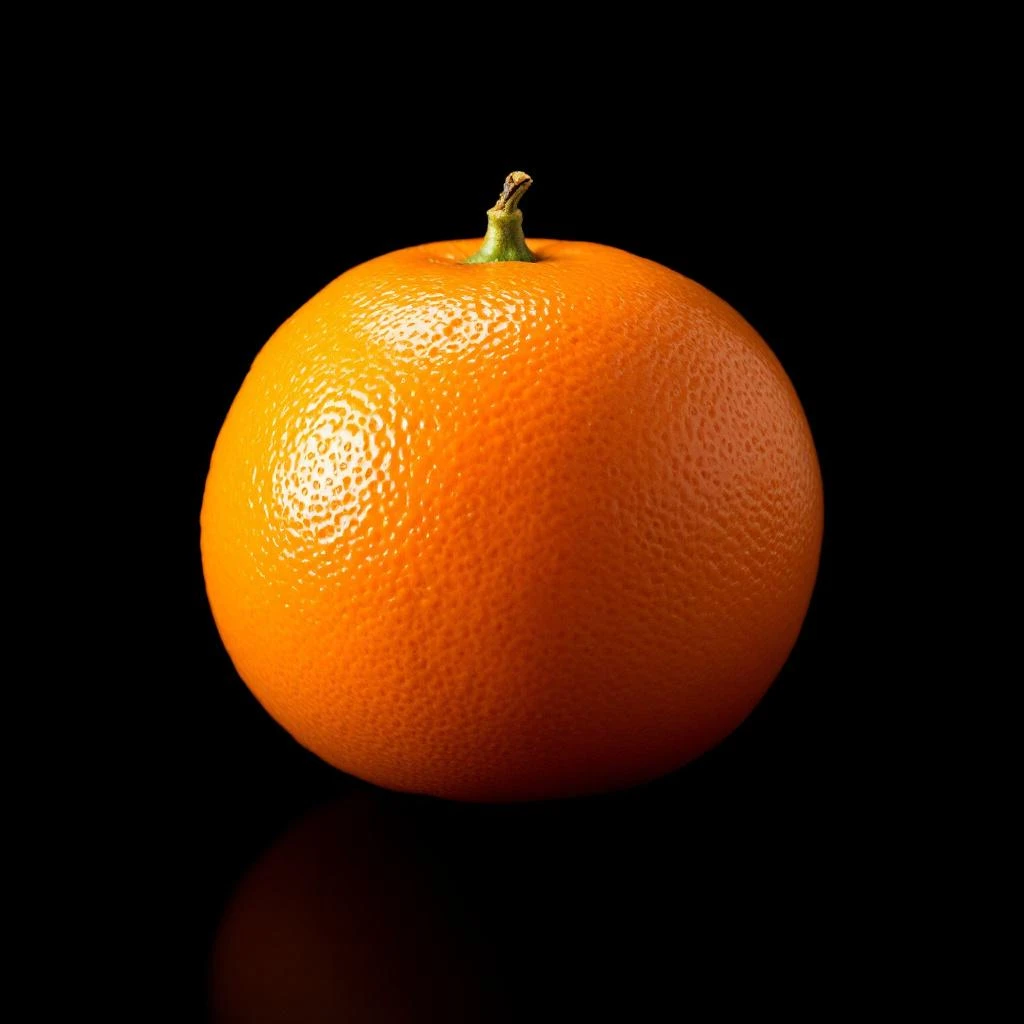
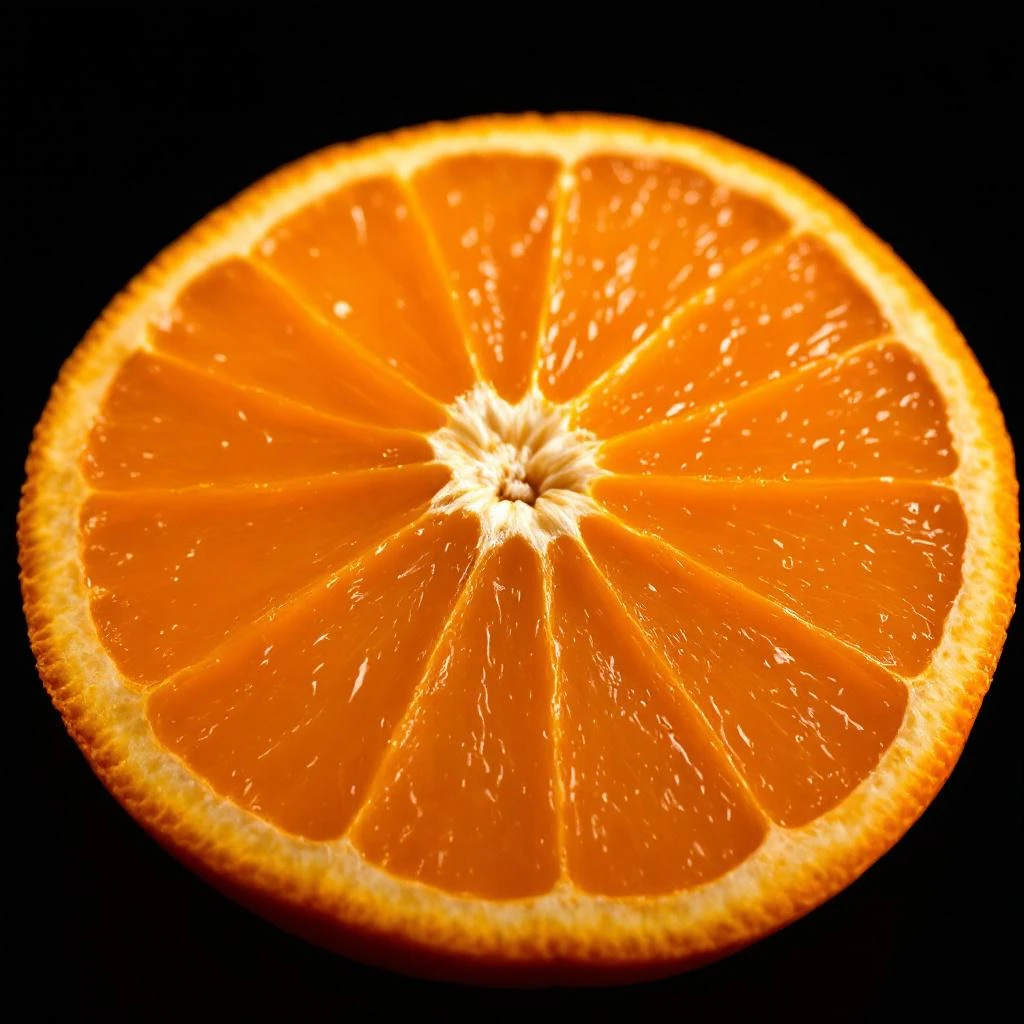
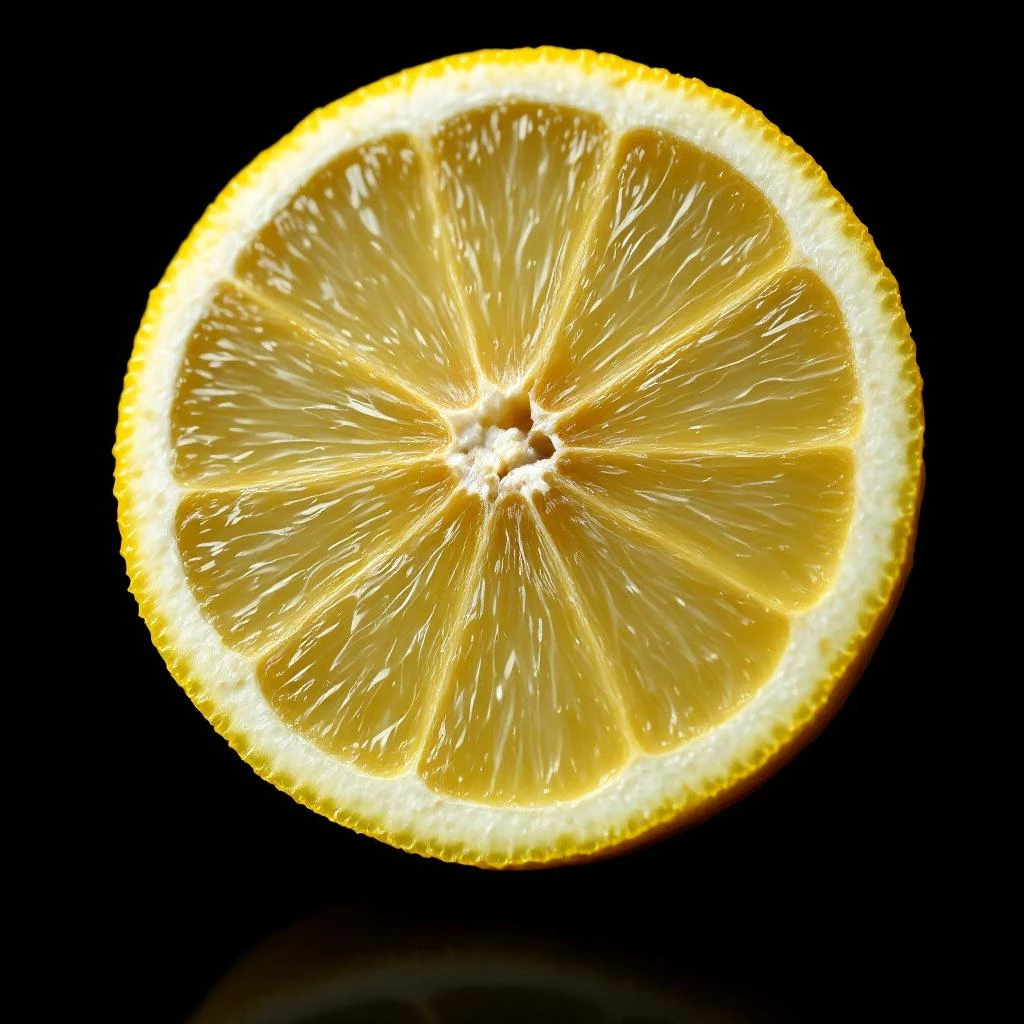
White Lemon captures the bright, sun-drenched essence of freshly peeled citrus. It delivers an immediate burst of clean, sharp freshness that energizes and refreshes the senses.
Character
How it smells
Captured sunlight in every drop.
It takes approximately 3,000 lemons to produce one kilogram of lemon essential oil through cold pressing.



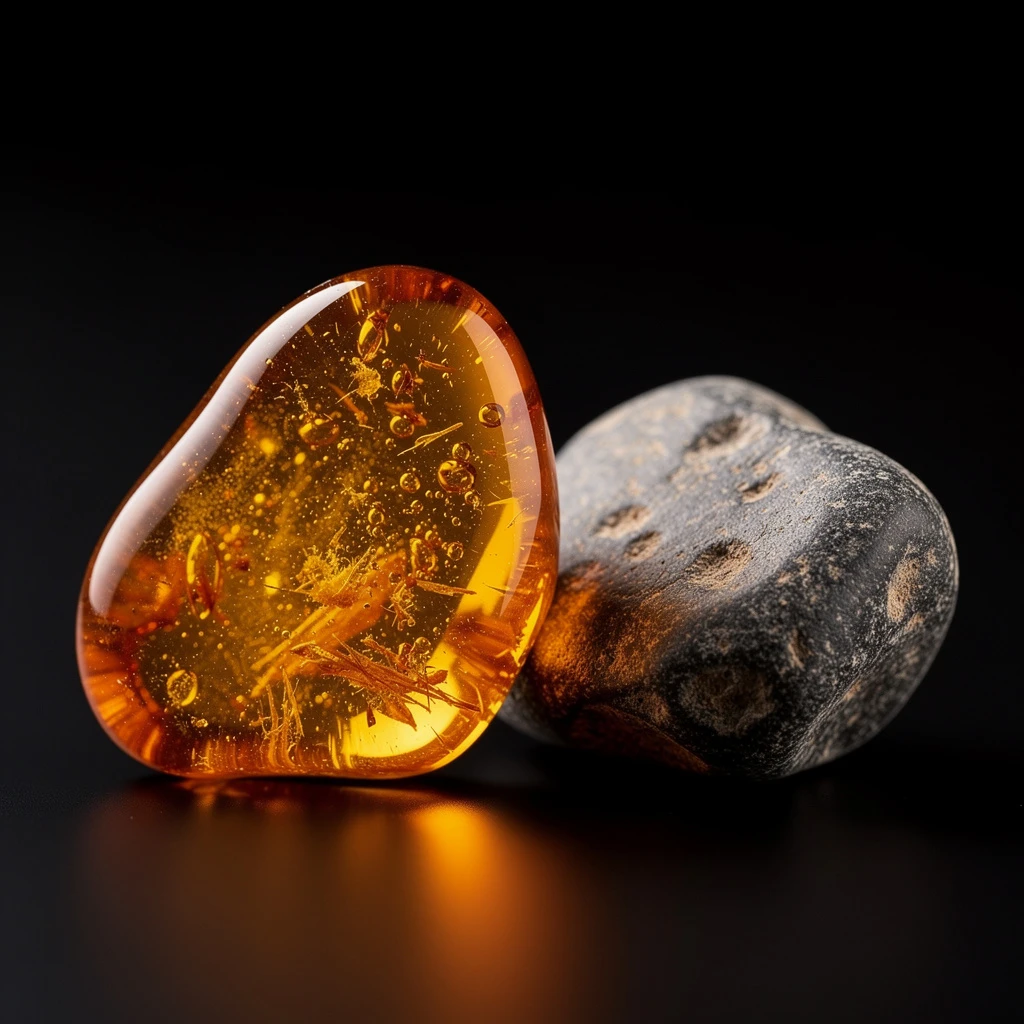

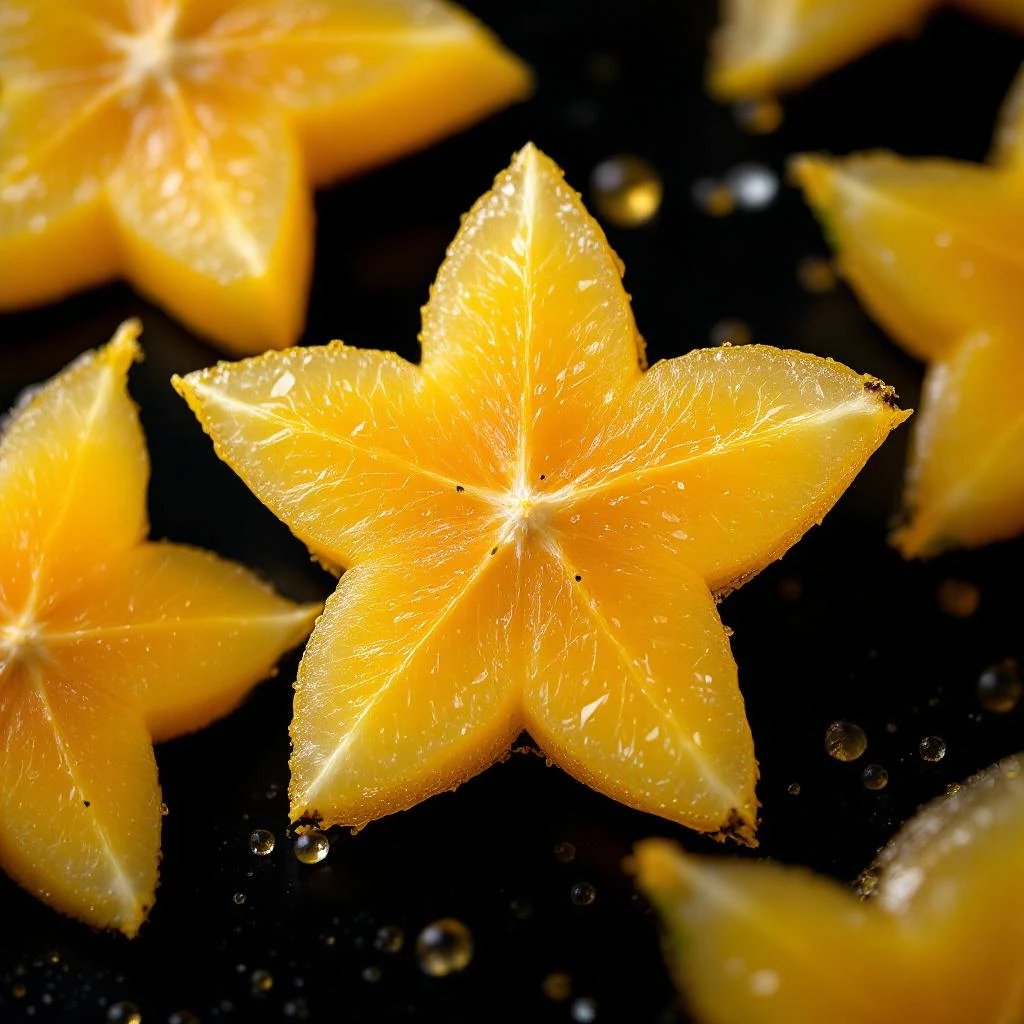
Origin
India
The lemon's exact origins remain debated among botanists, though most evidence points to Southern India or possibly southwestern China. Arab traders carried the fruit westward during the early medieval period, introducing it to the Middle East and eventually the Mediterranean. The ancient Greeks and Romans encountered lemons but used them primarily for medicinal rather than fragrant purposes.
Mediterranean physicians prized lemon juice and oil for its purifying properties long before perfumers adopted it. The ingredient's transformation into a fragrance staple began in 18th-century Germany, where perfumer Johann Maria Farina created Eau de Cologne using lemon oil alongside bergamot and neroli. That formula, established in 1709, established lemon as a foundational note in Western perfumery.
By the 19th century, chemists began isolating and synthesizing the primary aromatic molecule in lemon oil, alpha-pinene, which expanded both natural and artificial possibilities for perfumers. Today white lemon remains a staple in fresh, clean fragrance families, whether sourced from cold-pressed natural oil or crafted through aroma chemistry.
Wears it best
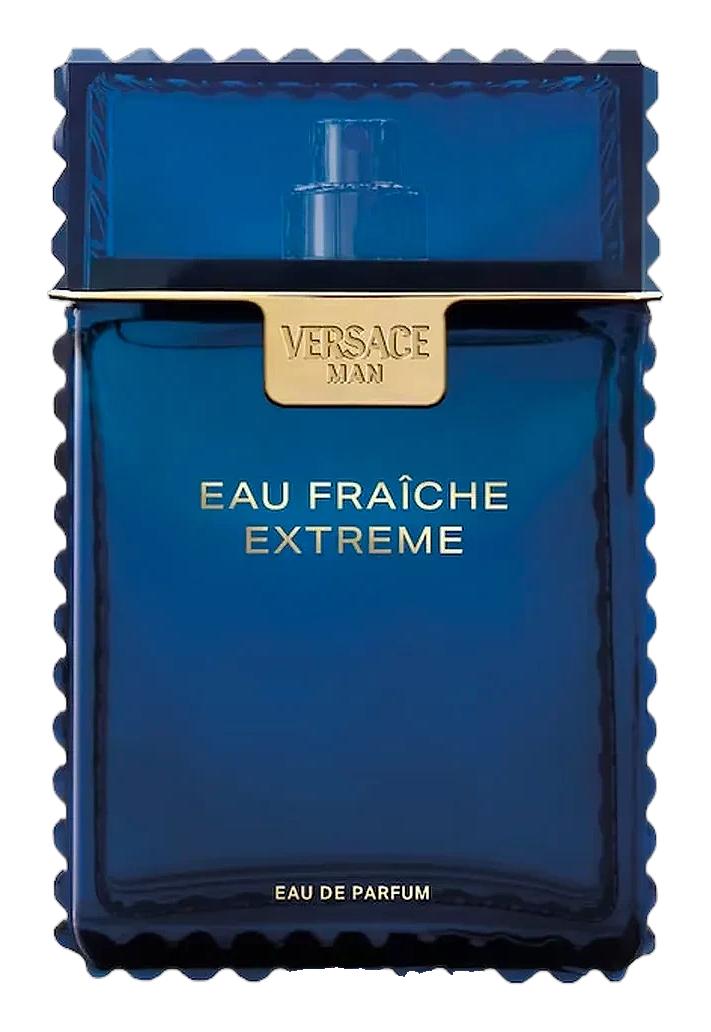
Fragrances featuring White Lemon

Brands
Brands known for White Lemon
Good to know
Questions, answered
The essentials on White Lemon in perfumery: how it smells, where it comes from, and how it behaves on skin.
What does White Lemon smell like?
It smells sharp, zesty, and clean like the zest of a fresh lemon. The scent is immediately recognizable, bright, and uplifting with no sweetness or floral undertone.
How is White Lemon essential oil extracted?
Through cold expression of the peel. Mechanical pressure releases the oil from tiny glands in the lemon rind without heat or solvents, preserving the true fruit scent.
Where does most White Lemon oil come from?
California, Sicily, Argentina, Spain, and Brazil. California dominates global production, with Sicily and Spain serving as major suppliers in the Mediterranean region.
Is White Lemon natural or synthetic?
It can be either. Natural cold-pressed lemon oil comes from the peel. Synthetics like citral or limonene replicate the same aromatic molecules in a laboratory setting.
How long does White Lemon last in a fragrance?
As a top note, it lasts 15 to 30 minutes on skin before evaporating. Perfumers often pair it with heart notes that emerge as the lemon fades.
What fragrance families use White Lemon?
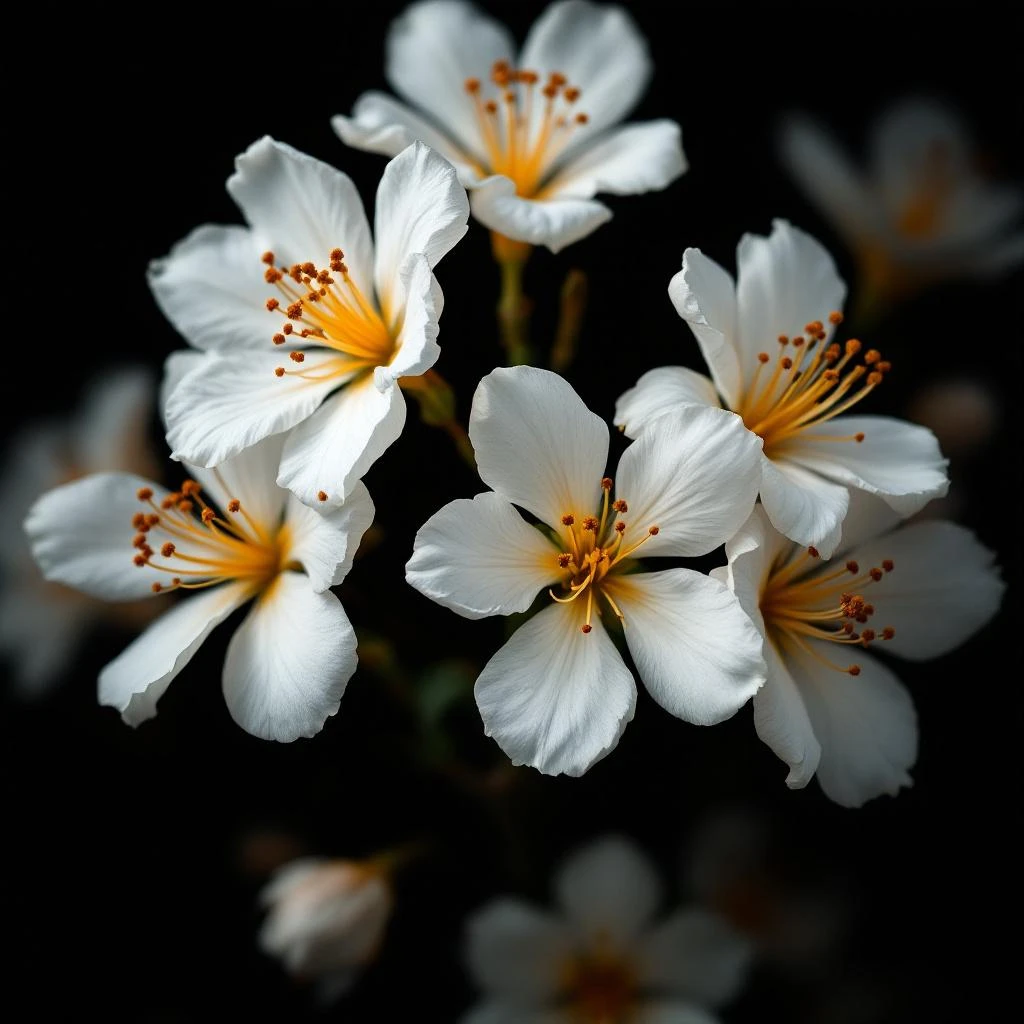
Citrus, fresh, and aquatic families. It pairs naturally with bergamot, neroli, and white florals like jasmine and orange blossom.
Why do perfumers choose White Lemon?
It creates an immediate sense of freshness and cleanliness. Lemon oil energizes a fragrance composition and lifts heavier base notes.
Can White Lemon cause skin reactions?
It may irritate sensitive skin. Cold-pressed lemon oil contains furanocoumarins that increase sun sensitivity, so IFRA restricts its concentration in leave-on products.