White Floral
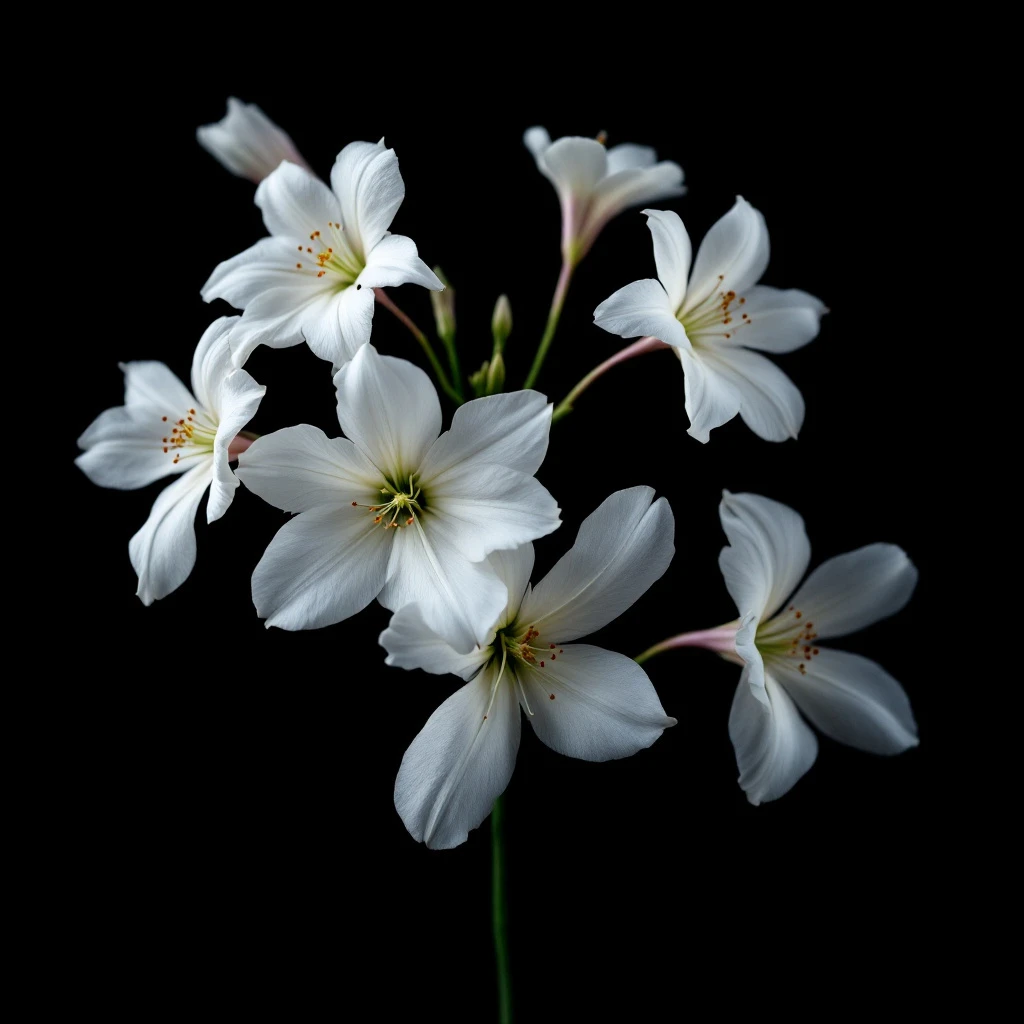
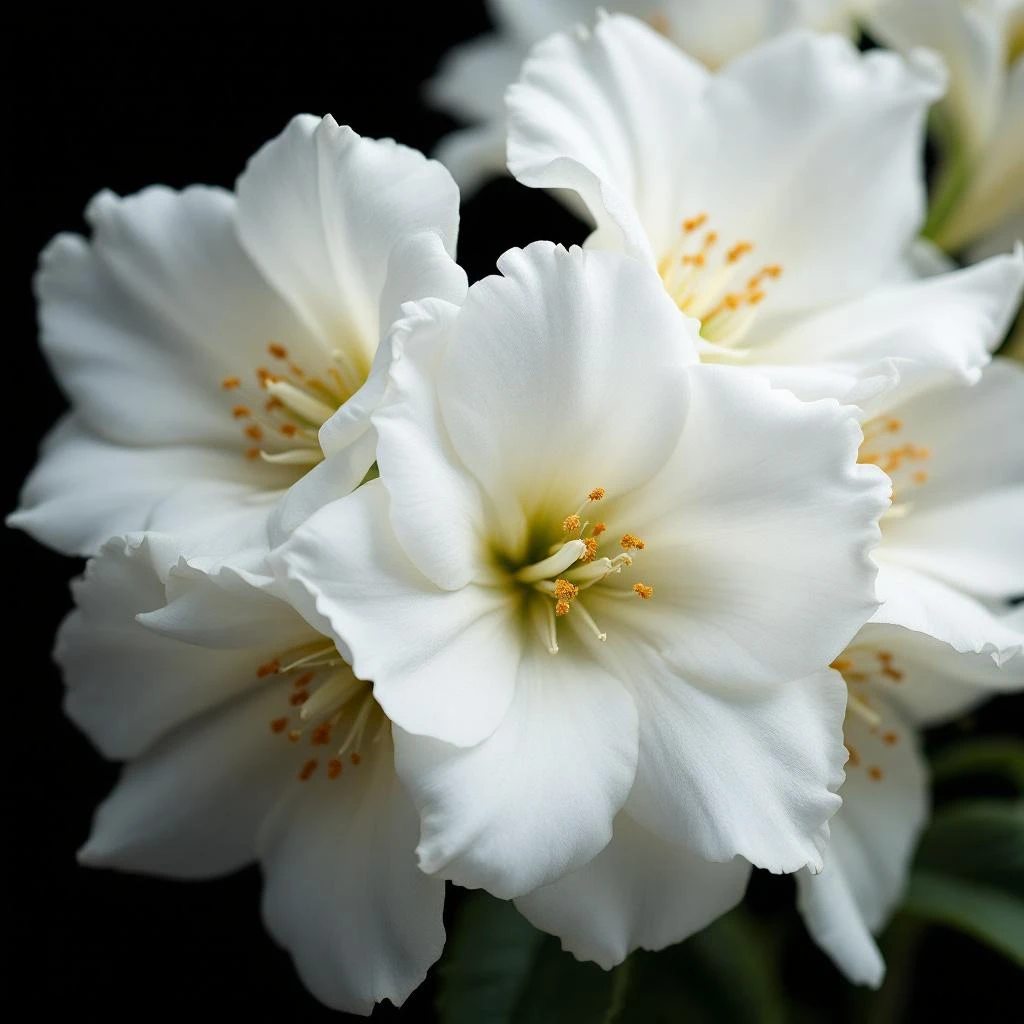
White florals are the luminous, creamy blooms at the heart of modern perfumery. Jasmine, tuberose, gardenia, and orange blossom share a solar quality that feels like captured daylight in a bottle.
Character
How it smells
Luminous blooms that define modern fine fragrance.
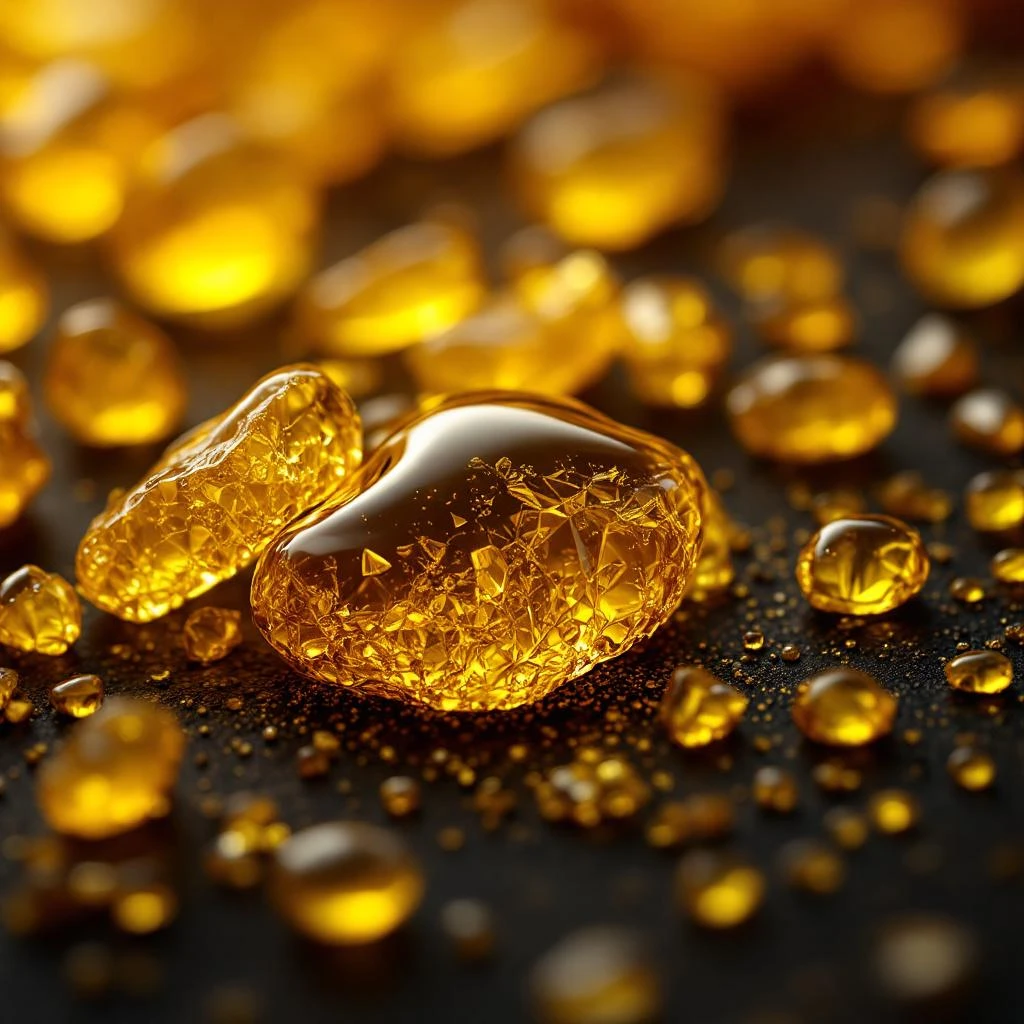
Jasmine flowers are hand-picked at dawn when their scent is strongest, before the heat of the day opens the petals and begins releasing their oils.





Origin
India
White florals have shaped perfumery since ancient Egypt, where artisans used enfleurage to capture jasmine and lotus scents for religious ceremonies around 3000 BCE. Arabian traders introduced jasmine cultivation to the Mediterranean, and by the 18th century the region of Grasse, France, had become the epicenter of flower cultivation for fragrance.
The Industrial Revolution brought solvent extraction in the late 1800s, making white florals more accessible. In 1895 organic chemists created the first lab-made floral scents, jasmine and rose, shifting perfumery away from single-flower origins toward complex compositions.
Modern perfumery now blends natural absolutes with synthetic aromachemicals, giving perfumers unprecedented control over white floral expression. Jasmine remains the cornerstone of fine fragrance, valued across cultures for millennia.
Wears it best
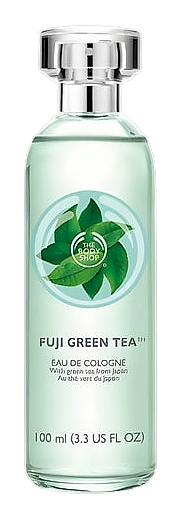
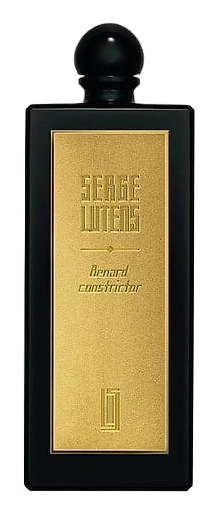
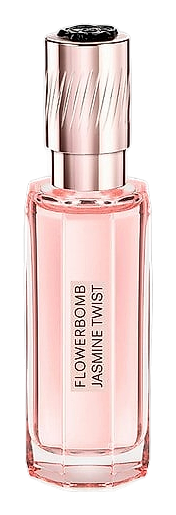
Fragrances featuring White Floral
Brands
Brands known for White Floral
Good to know
Questions, answered
The essentials on White Floral in perfumery: how it smells, where it comes from, and how it behaves on skin.
What are white florals in perfumery?
White florals are a fragrance family defined by creamy, luminous flowers including jasmine, tuberose, gardenia, and orange blossom. They share a solar, heady quality that reads as clean yet deeply sensual. The category became central to modern perfumery in the 20th century.
What gives white florals their characteristic scent?
White florals contain high concentrations of benzyl acetate and linalool, aromatic compounds that produce creamy, sweet, almost buttery scents. Jasmine additionally contains indole, which adds a subtle animalic depth beneath its floral sweetness.
Why is jasmine considered the most important white floral?
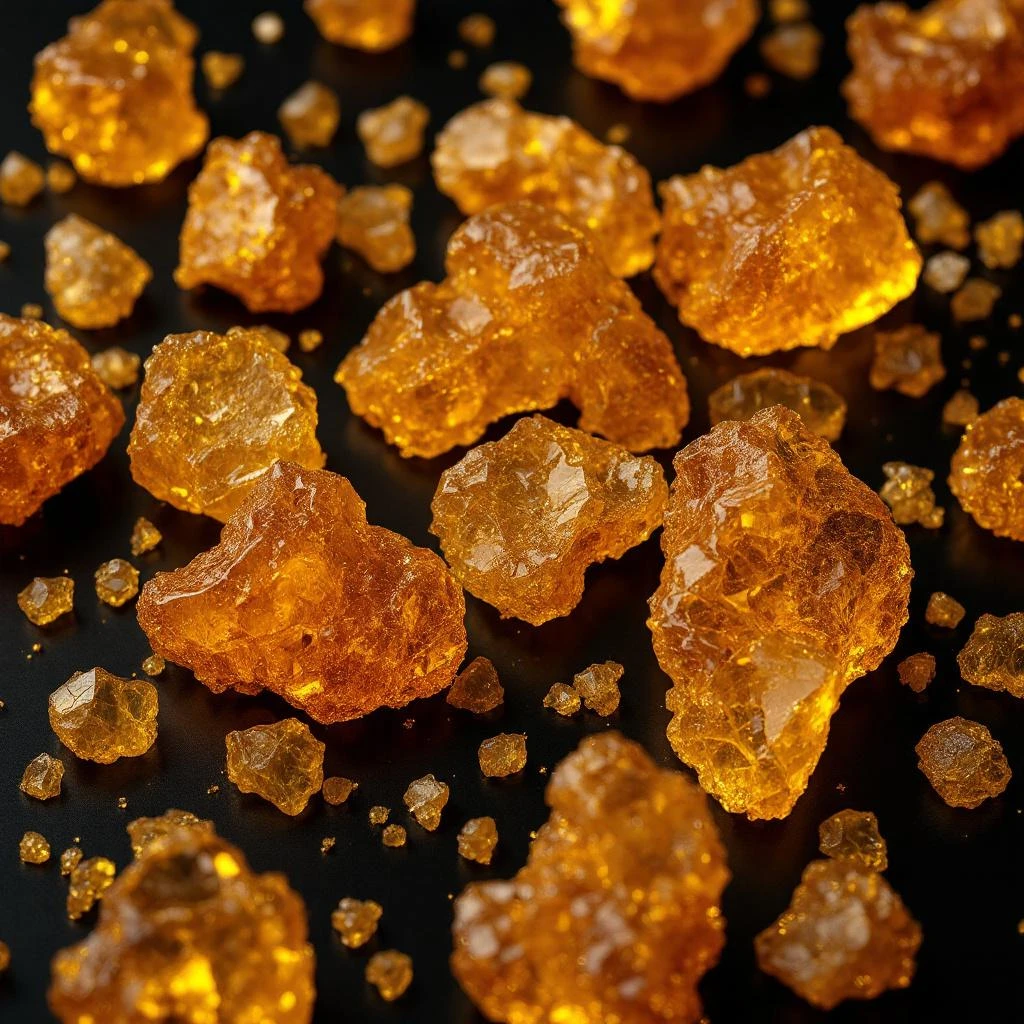
Jasmine absolute ranks among the most complex and expensive natural materials in perfumery. Extracting one kilogram requires roughly five million hand-picked blossoms, each harvested at dawn when the flowers are most fragrant. Its versatility allows it to anchor both feminine and masculine compositions.
Do white florals smell stronger at certain times?
Many white florals, particularly jasmine, release their scent most intensely in the evening or at night. This is an evolutionary trait where night-blooming flowers emit stronger fragrance after dark to attract nocturnal pollinators like moths.
When did perfumers first synthesize white floral scents?
In 1895 organic chemists created the first lab-made floral scents, those of jasmine and rose. This breakthrough marked a turning point, allowing perfumers to move beyond single-flower perfumes and experiment with blended compositions.
What makes jasmine so labor-intensive to produce?
Jasmine flowers must be hand-picked individually at dawn before the sun warms the petals and begins dissipating the aromatic oils. This fragile timing means jasmine cultivation remains almost entirely manual, concentrated in India, Egypt, and Grasse, France.
How do synthetic white florals compare to natural ones?
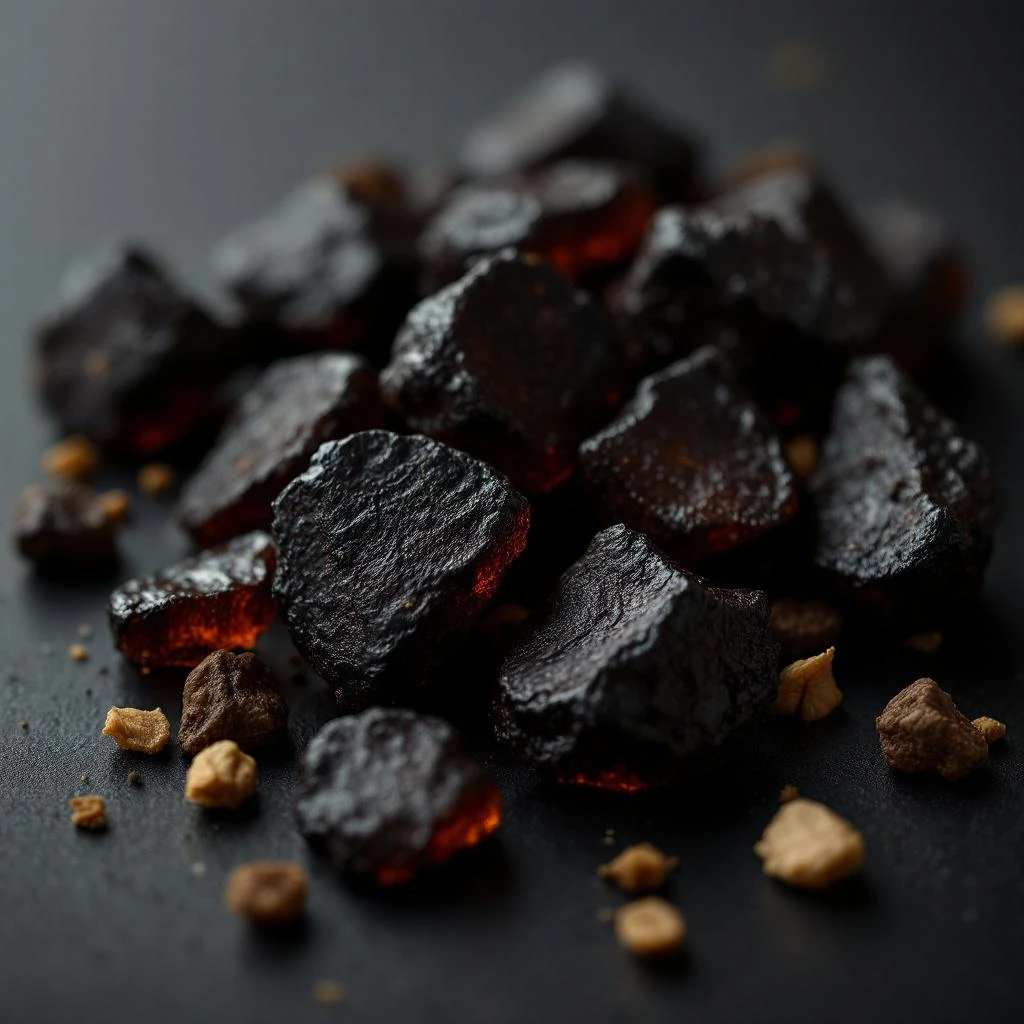
Synthetic white florals can closely approximate natural scent profiles and are more affordable at scale. Naturals offer nuanced complexity that synthetics still struggle to fully replicate, which is why high-end fragrances typically specify natural jasmine or tuberose absolutes.
Which flowers are classified as white florals?
The core white florals are jasmine, tuberose, gardenia, frangipani, and stephanotis. Each has a distinct character but shares the creamy, luminous quality that defines the family. Gardenia and stephanotis are rarely available as naturals, so jasmine, tuberose, and orange blossom form the practical backbone of the category.



