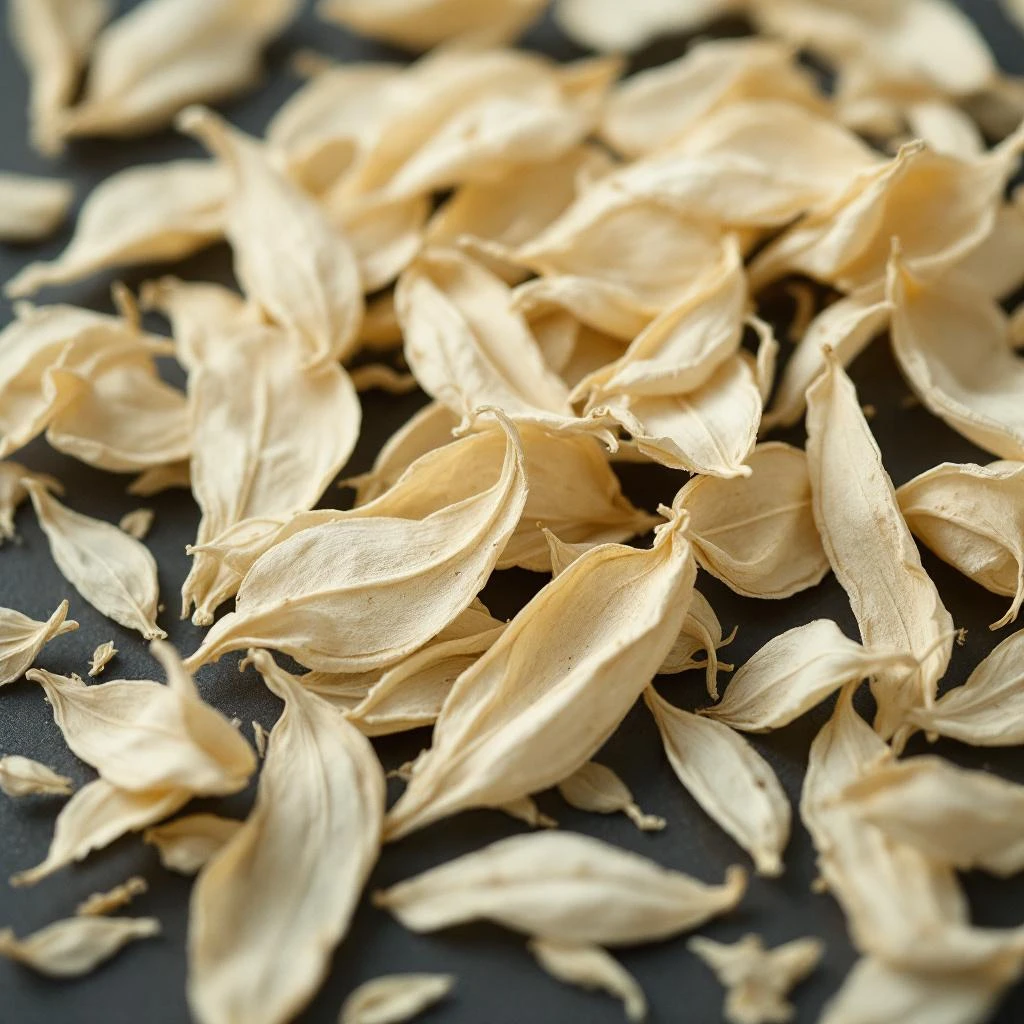
Walnut Milk
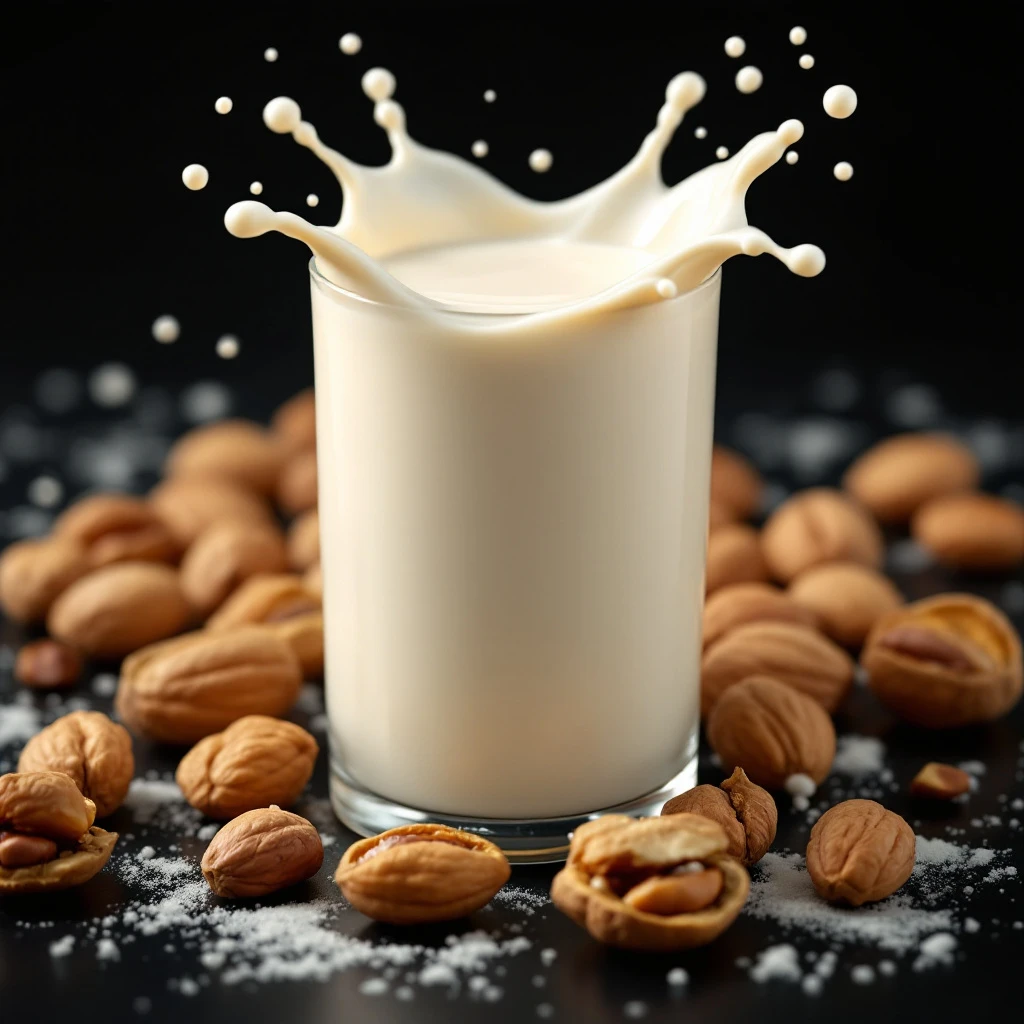
A creamy, nutty accord capturing the sweet, slightly bitter character of fresh walnuts. In perfumery, walnut milk exists primarily as a reconstructed note, blending lactones and nutty aromatics to evoke the distinctive taste and aroma of green walnuts.
Character
How it smells
Creamy nuttiness meets subtle bitterness.
Walnut trees produce juglone, a compound responsible for the characteristic slightly bitter taste that defines the walnut accord.







Origin
China
Walnuts rank among the oldest cultivated tree nuts, with origins tracing to Central Asia over 9,000 years ago. Trade routes spread walnuts across regions, making them integral to Mediterranean, Middle Eastern, and Persian cuisines and medicine. The ancient Greeks and Romans valued walnuts for both culinary and therapeutic uses.
Natural perfumery historically relied on directly extracted ingredients, but walnut milk as a distinct perfumery note emerged only recently, as reconstruction techniques advanced in the late 20th century. Today, the reconstructed note captures walnut's complex character using modern aromatic chemistry.
Wears it best
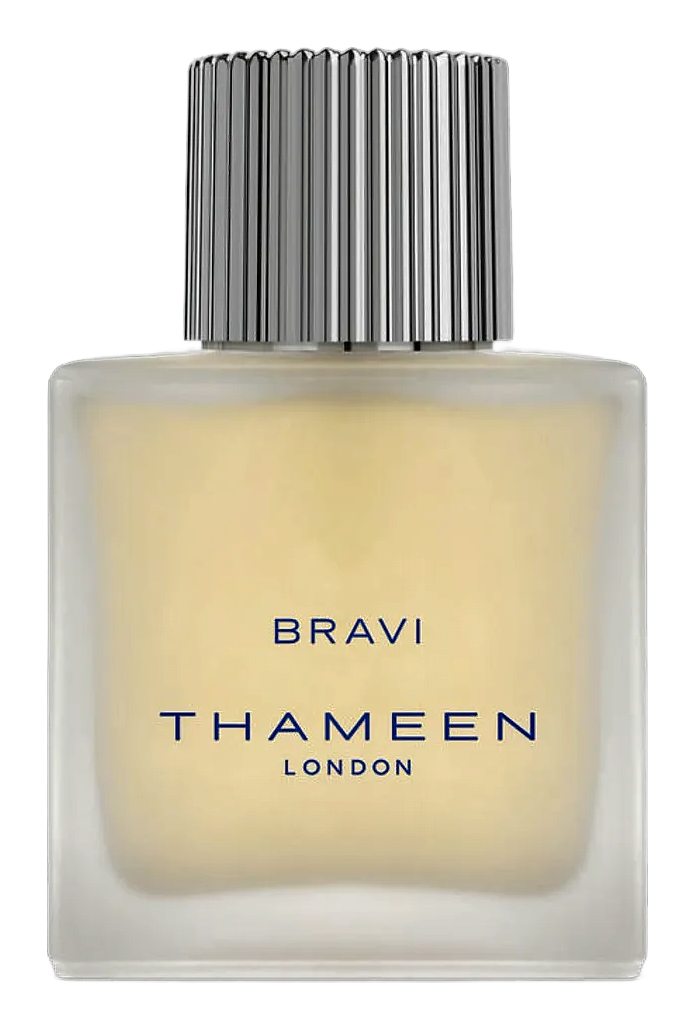
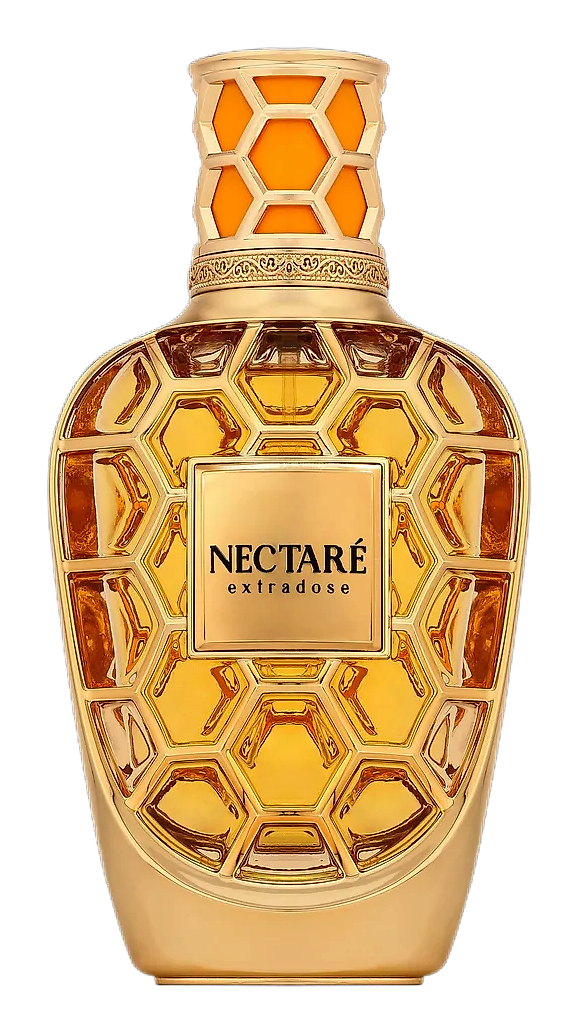
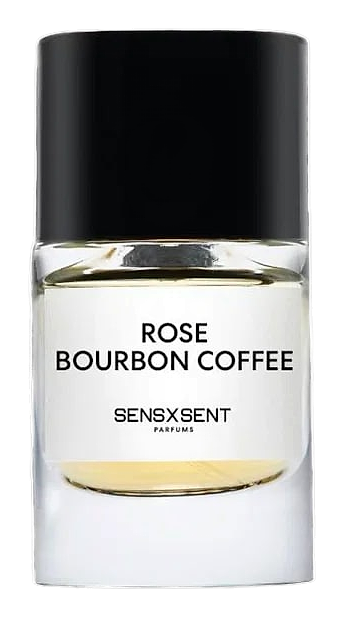
Fragrances featuring Walnut Milk
Brands
Brands known for Walnut Milk
Good to know
Questions, answered
The essentials on Walnut Milk in perfumery: how it smells, where it comes from, and how it behaves on skin.
Is walnut milk a natural perfumery ingredient?
Walnut milk does not exist as a directly extracted perfumery ingredient. It is a reconstructed accord created using synthetic lactones, nutty molecules, and sometimes natural walnut oil. This synthetic approach gives perfumers precise control over the creamy, nutty, and subtly bitter qualities that define the note.
How is walnut milk accord created?
Perfumery uses three primary extraction methods: absolutes, essential oils, and synthetics. Walnut milk falls into the synthetic category. Perfumers blend gamma-decalactone for creamy coconut character, coumarin for sweet hay notes, and pyrazines for authentic nutty depth, often with natural walnut oil. Adjusting these ratios creates the desired balance between buttery sweetness and subtle bitterness.
Where are natural walnuts produced?
China dominates global walnut production, followed by the United States, Iran, and Turkey. Within the United States, California stands as the primary growing region, producing a significant share of world supply. This geographic distribution ensures steady availability of raw material for perfumery applications.
What is the history of walnuts in human culture?
Walnuts rank among the oldest cultivated tree nuts, originating in Central Asia over 9,000 years ago. Trade routes spread them across regions, making them essential to Mediterranean, Middle Eastern, and Persian cultures. Ancient Greeks and Romans valued them for food and medicine. Perfumery applications came much later, emerging with reconstructive techniques in the late 20th century.
What fragrance families use walnut milk?
Walnut milk appears across multiple fragrance families. Gourmand compositions use it with vanilla, tonka bean, and praline for depth. Oriental fragrances feature it as a creamy, comforting heart note. Fresh fragrances incorporate it for texture and warmth. The note also works in woody compositions, adding softness to sandalwood and cedar combinations.
What products commonly feature walnut milk?
Walnut milk suits products seeking comfort and warmth. Skincare and bath products use it for a soothing, edible-inspired quality. Hair care incorporates it for a luxurious, conditioning feel. The note also appears in aromatherapy products for its calming, grounding properties, often blended with other warm, comforting ingredients.
What molecules define the walnut milk accord?
The walnut milk accord typically combines gamma-decalactone for creamy coconut-like qualities, coumarin for sweet hay notes, and pyrazines for authentic nutty depth. Natural walnut oil may supplement these synthetics, adding fatty, buttery character. Perfumery houses adjust these ratios to achieve specific profiles, balancing buttery richness with subtle bitter undertones.
What does walnut milk smell like?
Walnut milk evokes the creamy, nutty character of fresh walnuts with subtle bitter undertones. The note combines buttery richness with sweet, lactonic warmth and authentic nuttiness. It reads as comforting yet sophisticated, adding depth and warmth to fragrance compositions without becoming heavy or cloying.