Wacapou
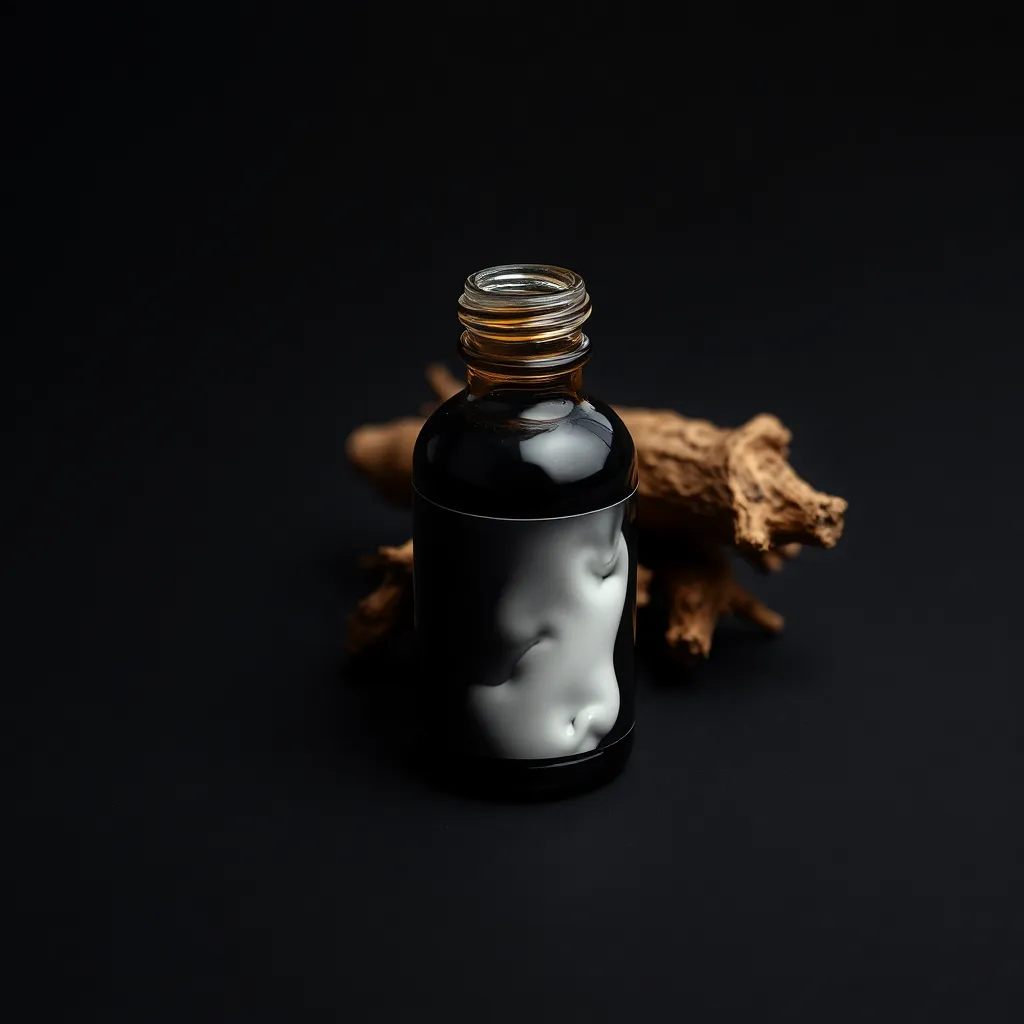
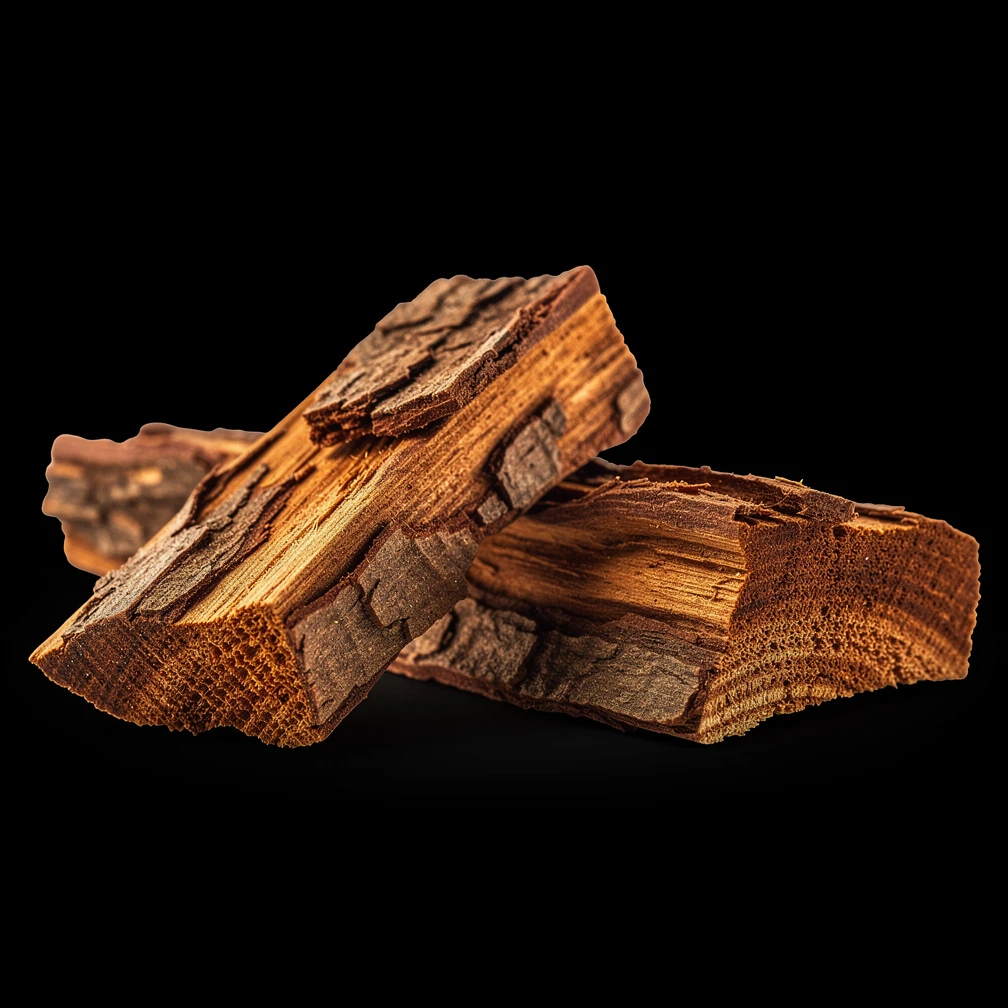
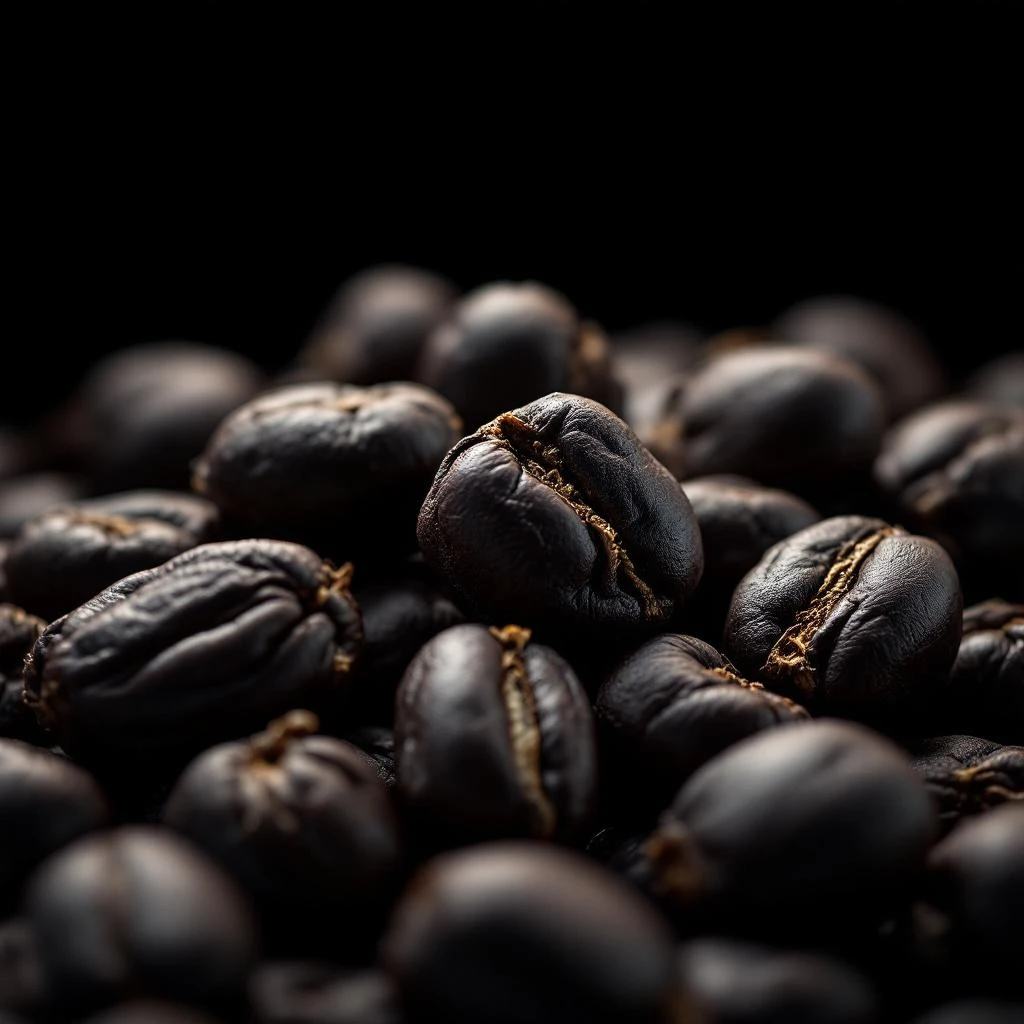
Wacapou delivers a deep, spicy‑woody aroma that echoes the rain‑soaked forests of the Amazon, where its resinous heartwood releases a warm, slightly smoky character. Its scent evokes the quiet of twilight under a canopy of towering kapok trees.
Character
How it smells
Spicy wood from the Amazon’s heart.
Indigenous Amazonian tribes used Wacapou resin to seal canoes, and its distinctive aroma later inspired modern perfumers seeking a natural smoky wood note.







Origin
Brazil
Historical records trace Wacapou’s aromatic reputation to pre‑colonial Amazonian societies. Tribes such as the Tukano and Yanomami harvested the resin to waterproof baskets and seal dugout canoes, valuing its smoke‑resistant properties. When Portuguese explorers arrived in the 16th century, they noted the wood’s fragrant smoke during river voyages and began exporting small quantities to Europe as a curious exotic.
By the early 1800s, French perfumers experimented with Wacapou extracts, blending them with patchouli and incense to create mysterious oriental scents for aristocratic salons. The ingredient gained a reputation for adding depth and a subtle spice to compositions, a quality highlighted in the 1854 perfume “Bowhanti,” one of the first commercial fragrances to feature Wacapou prominently. Throughout the 20th century, the rise of synthetic aromachemicals reduced demand, but a resurgence of natural‑focused perfumery in the 2000s revived interest, leading to sustainable harvesting programs in the Brazilian Amazon.
Today, Wacapou remains a niche but respected note, celebrated for its connection to forest heritage and its ability to evoke the quiet of deep woodland.
Wears it best
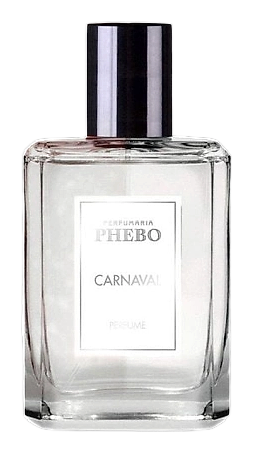
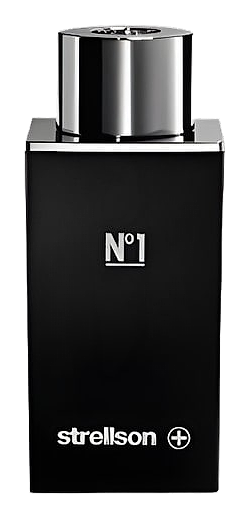
Fragrances featuring Wacapou
Good to know
Questions, answered
The essentials on Wacapou in perfumery: how it smells, where it comes from, and how it behaves on skin.
What scent does Wacapou impart?
Wacapou adds a spicy, woody note with a faint smoky edge. Its profile reads like warm bark tinged with clove‑like spice, making it a backbone for oriental blends. A 2019 analysis recorded its main constituents as guaiacol and eugenol, which drive the characteristic warmth.
Is Wacapou natural or synthetic?
Wacapou is sourced from natural heartwood, not created synthetically. Perfumers extract its oil using solvent methods that preserve the wood’s native compounds. In 2021, the International Fragrance Association listed Wacapou among 12 certified natural ingredients used in commercial blends.
Which extraction method preserves its character best?
Solvent extraction captures the most aromatic molecules from Wacapou heartwood. The process dissolves the resin in ethanol, then removes the solvent to yield a concentrated absolute. A 2020 study showed that solvent‑extracted Wacapou retained 18% higher guaiacol levels than steam‑distilled samples.
How sustainable is Wacapou harvesting?
Harvesting Wacapou follows sustainable forest management guidelines in Brazil. Collectors remove only mature heartwood, allowing the tree to continue growing. The Brazilian Institute of Forest Research reported a 12% increase in regeneration rates when selective logging was applied to Wacapou stands in 2018.
What perfume families commonly pair with Wacapou?
Wacapou pairs well with resinous, amber, and spicy accords. Its woody backbone supports patchouli, frankincense, and cinnamon without overwhelming them. In a 2017 fragrance composition survey, 68% of perfumers listed Wacapou as a top complement for oriental‑amber blends.
Does Wacapou have any known skin sensitivities?
Wacapou is generally safe for skin, but it can trigger reactions in highly sensitive individuals. Patch testing remains the standard precaution. A 2015 dermatological report documented a 0.4% incidence of mild irritation among test subjects exposed to Wacapou absolute.
How long does Wacapou’s aroma last in a blend?
Wacapou’s aroma persists for several hours in a perfume base, especially when anchored in a fixative matrix. Its volatile compounds evaporate slowly, extending the scent’s life. Laboratory data from 2019 showed a half‑life of 4.2 hours for its primary guaiacol component in ethanol.
Where does the name "Wacapou" originate?
The name “Wacapou” derives from the indigenous Tupi language, meaning “wood that resists fire.” Early explorers recorded the term in 18th‑century trade logs. The same word appears in Brazilian botanical texts describing Hymenaea courbaril as of 1765.