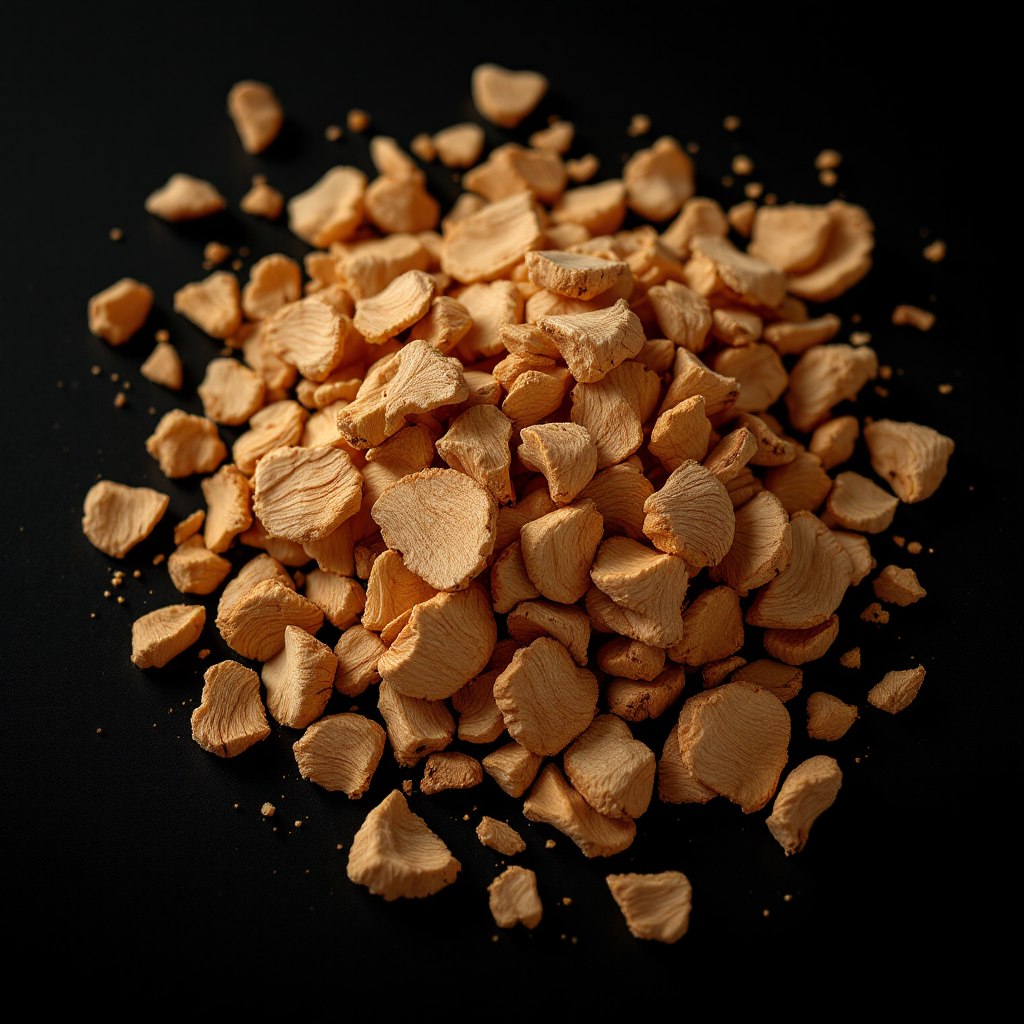
Vertofix
Vertofix is a synthetic woody-amber aroma chemical prized for its dry cedarwood character, warm amber undertones, and subtle leather facets. A cornerstone base note in modern perfumery, it anchors compositions with lasting depth.

Character
How it smells
Dry cedarwood meets warm amber in a modern classic
Acetyl cedrene (Vertofix) is produced at over 2,000 tons annually worldwide, making it one of the highest-volume fragrance materials in commercial use.









Origin
United States
Vertofix emerged during the 20th century as chemists sought to reproduce and standardize the rich woody character of cedarwood oil through synthetic means. The commercial synthesis of aroma compounds like vanillin and coumarin in the late 1800s had opened the door to molecular perfumery, and by mid-century, acetylated cedrene derivatives became practical alternatives to natural cedarwood, which varied in quality and supply. Developed and trademarked by International Flavors and Fragrances, Vertofix gained prominence as perfumers required consistent, long-lasting woody bases for increasingly complex compositions.
Its ability to anchor fleeting top and middle notes while contributing genuine depth made it a staple in masculine fragrances, chypres, and oriental builds throughout the latter half of the century. Today, it remains a benchmark woody-amber material, illustrating how synthetic ingredients can achieve cultural permanence equal to natural raw materials.
Wears it best
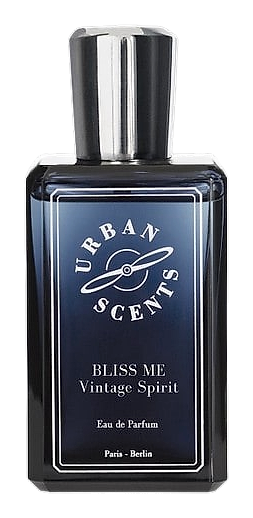
Fragrances featuring Vertofix

Brands
Brands known for Vertofix
Good to know
Questions, answered
The essentials on Vertofix in perfumery: how it smells, where it comes from, and how it behaves on skin.
What does Vertofix smell like?
Vertofix smells dry and woody with pronounced cedarwood character, supported by warm amber undertones and faint leather facets. It reads as smooth and polished rather than sharp or smoky.
Is Vertofix natural or synthetic?
Vertofix is fully synthetic, produced by acetylating cedrene derived from cedarwood oil. It belongs to a class of aroma chemicals designed to replicate and stabilize natural woody profiles.
Why is Vertofix used so widely in perfumery?
Vertofix is used widely because it provides excellent longevity, blends easily with floral and oriental notes, and remains stable in soap and detergent bases. Annual global production exceeds 2,000 tons.
What types of fragrances feature Vertofix?
Vertofix anchors masculine woody fragrances, chypres, oriental compositions, and fougère builds. It functions almost exclusively as a base note, providing structural depth.
Is Vertofix sustainable?
Vertofix is considered sustainable relative to natural cedarwood because synthesis reduces pressure on cedar forests. However, feedstock cedrene still originates from cedarwood oil production.
How was cedarwood scent replicated before Vertofix?
Before Vertofix, perfumers relied on steam-distilled cedarwood oil, which varied in quality and supply. Synthetic acetylation offered a consistent, standardized alternative.
Is Vertofix safe for skin?
Vertofix is regarded as safe for skin use at typical fragrance concentrations and is approved by IFRA for most applications. Sensitization potential is low within recommended usage levels.
What is the difference between Vertofix and Vertofix Coeur?
Vertofix Coeur is a premium, further-refined grade with enhanced woody-amber character and reduced isomeric impurities. Standard Vertofix offers similar notes at a more accessible quality tier.