Verjuice
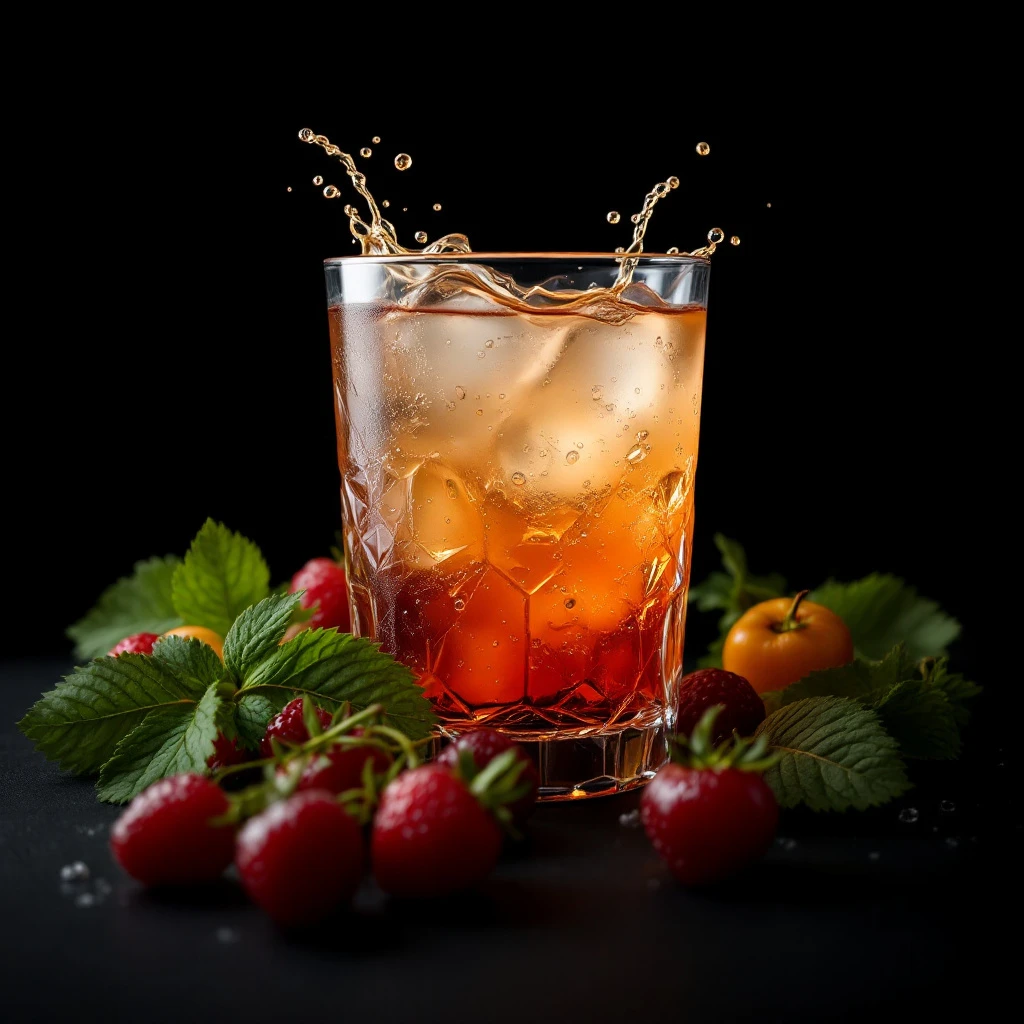
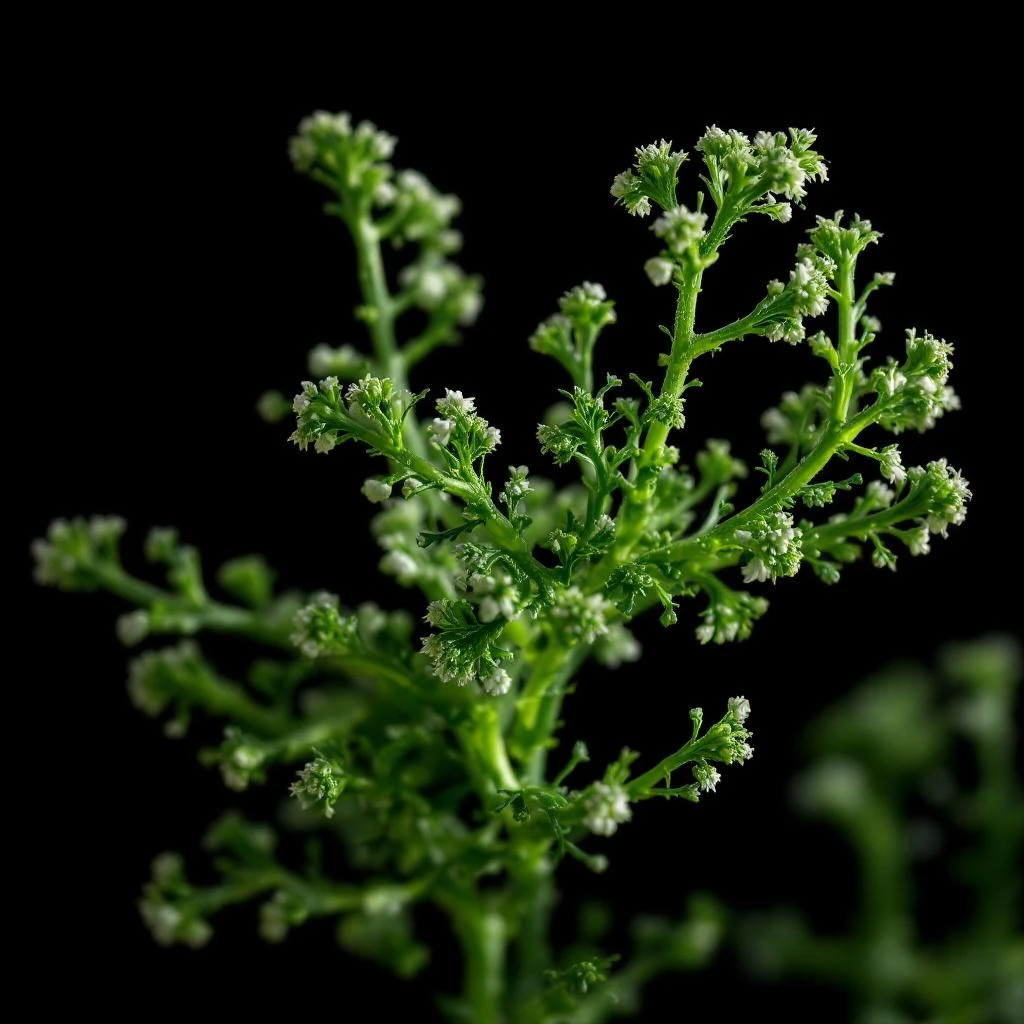
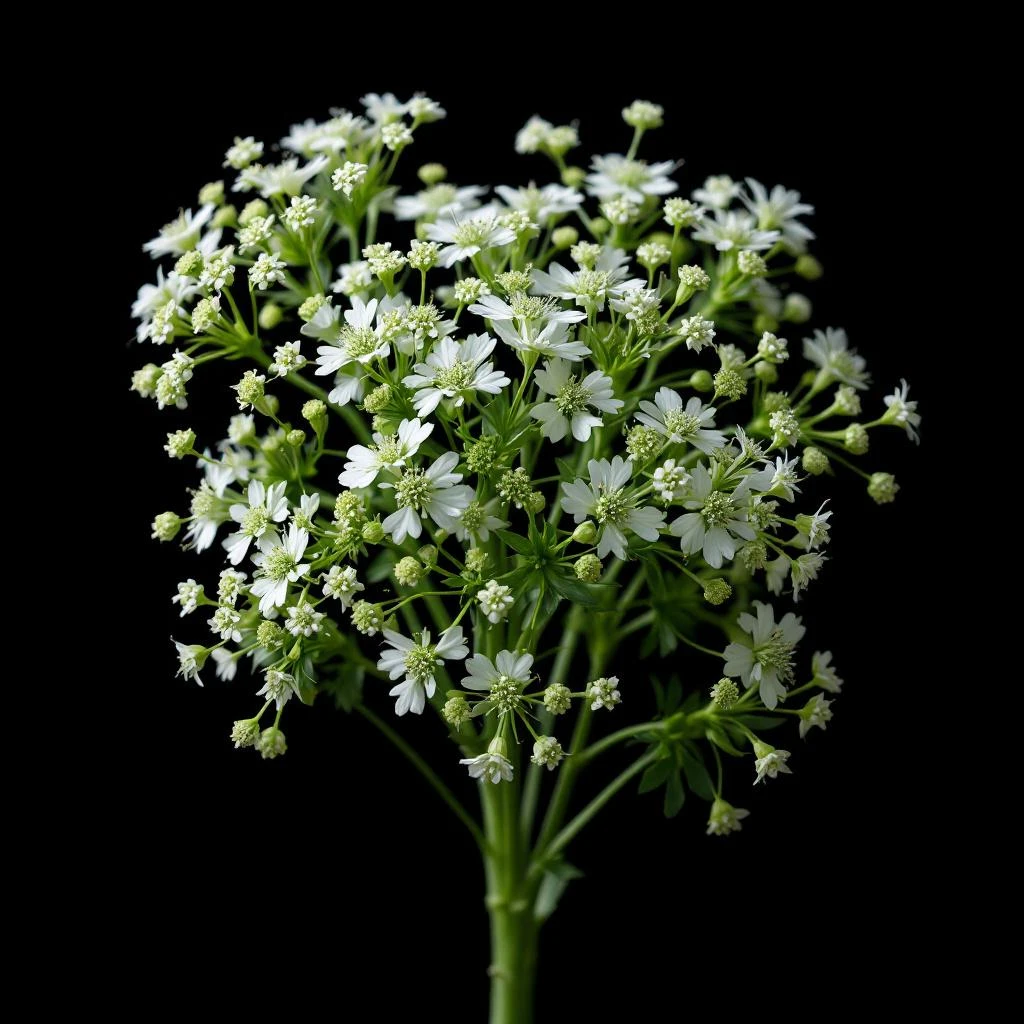
Verjuice brings a sharp, green tartness to perfumery, the liquid pressed from unripe grapes that captures the fleeting sourness of fruit picked before sugar sets in. It adds a crisp, mouth-watering lift that bridges citrus brightness and herbal bitterness.
Character
How it smells
Pressed from unripe grapes for a sharp, green tartness.
The word 'verjuice' comes from the French 'verjus,' meaning 'green juice,' and medieval European cooks relied on it as the primary souring agent long before lemons became widely traded.


Origin
France
Verjuice carries one of the longest continuous culinary records of any fruit derivative in Europe, appearing in French and English kitchens from at least the thirteenth century onward. Medieval recipe manuscripts, including the famous collection attributed to Taillevent in the 1300s, call for verjuice as frequently as salt, using it to balance sauces, tenderize meats, and dress salads centuries before citrus fruits became affordable imports.
Monasteries often kept their own verjuice presses alongside their wine cellars, treating the green harvest as a serious annual operation. In Persian and Middle Eastern traditions, a closely related juice called 'ab ghureh' has flavored rice and stews since at least the medieval period.
Perfumers began experimenting with verjuice aromatics in the early twenty-first century, drawn by its unusually clean tart profile that reads as both fruity and vegetal. It now appears in green-themed compositions and as a high-frequency accent in contemporary chypre and cologne structures.
Wears it best
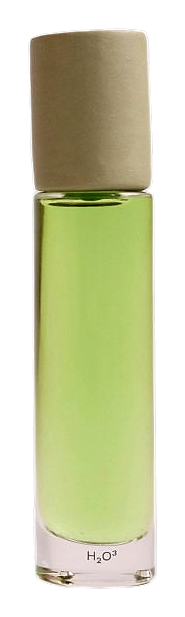
Fragrances featuring Verjuice
Brands
Brands known for Verjuice
Good to know
Questions, answered
The essentials on Verjuice in perfumery: how it smells, where it comes from, and how it behaves on skin.
What does verjuice smell like in perfume?
Verjuice reads as a sharp, green tartness with a sour-fruity edge, closer to fresh grape skin than wine. It sits in the top-note family and brightens citrus accords without the sweetness of ripe fruit.
Is verjuice a natural or synthetic ingredient?
Verjuice in perfumery is typically a natural derivative pressed from unripe grapes, though some modern compositions use reconstructed aroma chemicals like ethyl 2-methylbutyrate to mimic its crisp sourness. Both forms exist in commercial fine fragrance.
How is verjuice different from regular grape juice?
Verjuice is pressed from grapes harvested roughly three to four weeks before wine ripeness, when acidity peaks and sugar remains low. Regular grape juice comes from fully ripened fruit with sugar levels often above twenty percent.
When did verjuice enter perfumery?
Verjuice entered mainstream perfumery in the early twenty-first century, though the juice itself has flavored European kitchens since at least the 1200s. Its first notable fragrance appearances came in green-themed compositions released after 2010.
What fragrance families use verjuice?
Verjuice shows up most often in green, cologne, and modern chypre structures where a crisp acidic lift is needed. It pairs well with citrus oils, violet leaf, and herbal mint or basil accords for freshness-driven compositions.
Why is verjuice used instead of lemon or other citrus?
Verjuice offers a softer, more vegetal sourness compared to lemon's sharp phototoxic brightness, and lacks the peel-oil character that dominates most citrus notes. It reads as 'freshly pressed fruit' rather than 'citrus peel,' giving perfumers a different sour accent.
Where is verjuice primarily produced?
France remains the leading source, particularly vineyards in the Loire, Burgundy, and Rhône regions that harvest surplus unripe clusters specifically for verjuice pressing. Argentina, Chile, and Australia have smaller production operations serving specialty markets.
Is verjuice sustainable as a fragrance ingredient?
Verjuice is considered sustainable because it uses grapes already thinned from wine vineyards to improve final fruit quality. No additional land, water, or crop cycles are required beyond standard viticulture, making it an upcycled agricultural product.





