Vanilla Pompona
Vanilla Pompona is a climbing orchid native to Central and South America, producing aromatic pods with a warm, resinous character distinct from the more common Vanilla planifolia. Perfumers prize this species for its complex olfactory profile that adds depth to oriental and gourmand compositions.
Character
How it smells
The warm, resinous vanilla of the Americas
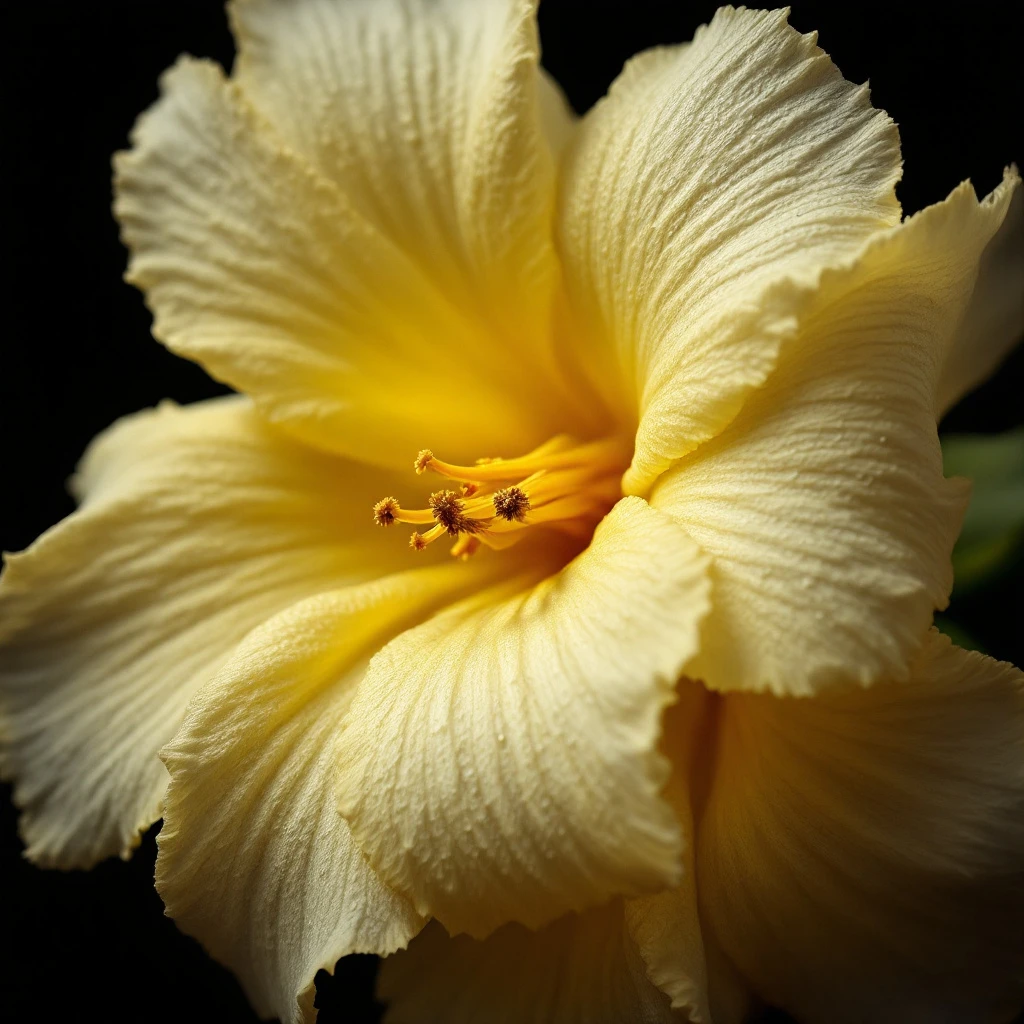
Unlike Vanilla planifolia, Pompona produces shorter, rounder pods that yield a more resinous, less vanillin-rich extract prized in perfumery.




Origin
Mexico
The Aztecs first discovered the flavoring power of vanilla, adding it to their chocolate drinks long before European contact. They likely obtained vanilla from wild-growing orchids in what is now Mexico and Central America. Spanish explorers brought vanilla back to Europe in the 16th century, where it initially remained obscure.
The orchid's delicate pollination requirements limited cultivation until the 1840s, when a method for hand-pollination was developed on Reunion Island. Vanilla Pompona specifically spread from its native range to Madagascar and Indonesia for commercial production, eventually gaining acceptance by the U. S.
food and fragrance industries. This introduction transformed a Mesoamerican curiosity into a globally traded aromatic commodity.
Wears it best
Fragrances featuring Vanilla Pompona
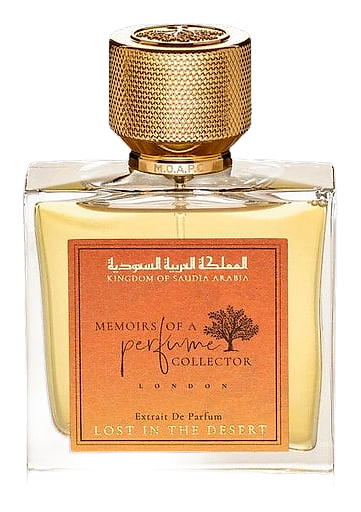
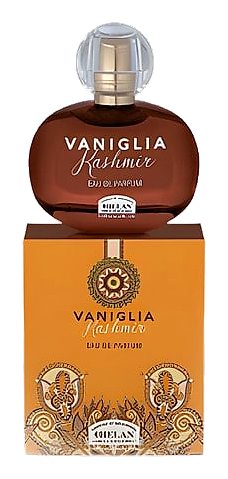
Brands
Brands known for Vanilla Pompona
Good to know
Questions, answered
The essentials on Vanilla Pompona in perfumery: how it smells, where it comes from, and how it behaves on skin.
What makes Vanilla Pompona different from other vanilla species?
Pompona pods are shorter and rounder with a more resinous scent. While Vanilla planifolia dominates commercial production, Pompona offers a distinct aromatic profile that some perfumers prefer for its warm, complex character.
Where does Vanilla Pompona grow?
Native to Central America, South America, and the West Indies. The species was successfully introduced to Madagascar and Indonesia for commercial cultivation.
How is Vanilla Pompona extract made?
Extracts are made by soaking cured Vanilla Pompona pods in alcohol, which draws out the aromatic compounds including vanillin and other flavor molecules.
Why did the Aztecs use vanilla?
The Aztecs added vanilla to chocolate drinks for flavor. They likely sourced vanilla from wild-growing orchids in Mesoamerica before European contact.
When did vanilla first appear in European perfumery?
Vanilla arrived in Europe with Spanish explorers in the 16th century, though it remained largely obscure until commercial cultivation expanded in the 19th century.
What is hand-pollination's role in vanilla cultivation?
Before hand-pollination was developed on Reunion Island in the 1840s, vanilla's delicate pollination requirements severely limited cultivation outside its native range.
How long does vanilla pod curing take?
Vanilla pods require several months of curing after harvest. The green pods are killed through scalding or sweating, then slowly dried in the sun to develop their characteristic aroma.
What fragrance families use Vanilla Pompona?
Vanilla Pompona appears in oriental, gourmand, and amber fragrance families. Its resinous character makes it particularly valuable for warm, spicy compositions.