
The Story
Why it exists.
The beginning
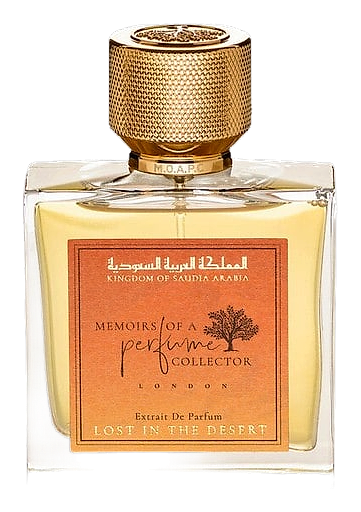
The Empty Quarter. Rub al Khali. The largest sand desert in the world, stretching across the southern Arabian Peninsula where silence is the only sound for hundreds of miles. Dario Fini built Lost in the Desert around that geography. The brief was simple: take the most extreme landscape in the region and distill its paradox. Blinding heat by day. Bone-cold nights. The smell of resinous smoke from distant fires, mixed with the sweetness of night-blooming flowers that open only after dark. This is the third destination in the Memoirs Of A Perfume Collector library, and the one that required the most from the wearer. Bergamot and vanilla pompona open bright, then surrender to the deeper currents beneath. Jasmine, myrrh, and bourbon vanilla form the heart.
The structure is unusual for an oriental. Most fragrances in this family lead with warmth and stay warm. Lost in the Desert opens with a citrus brightness that feels almost refreshing before the vanilla and jasmine arrive to establish the sweetness. But the frankincense is present from the start, cutting through the floral notes with a smoky minerality that prevents the composition from ever tipping fully into comfort. That's the desert speaking. The oud in the base doesn't behave like oud in most Western fragrances. Here it's been worked into something cleaner, less animalic, integrated with ambroxan to create a drydown that reads as both woody and saline.
The evolution
The opening arrives in two phases. First: bergamot, bright and citrus-forward, almost sharp enough to cut through the heat you're expecting. Then vanilla pompona slides in alongside it, adding creaminess that softens the citrus without diluting it. The frankincense is already present here, a thin thread of smoke running beneath the bergamot and vanilla. It won't stay thin for long. Within 30 minutes, the jasmine and myrrh take over the conversation. The bergamot fades. The vanilla shifts from pompona to bourbon, richer and deeper. This is the heart phase, and it's where the fragrance earns its name. The sweetness is absolute. Jasmine and bourbon vanilla together create something almost narcotic. But the frankincense has grown louder too, and now the oud begins to emerge from beneath. By the second hour, the drydown is in control. Oud, frankincense, and ambroxan form a smoky-resinous base that lasts for hours. The jasmine is gone. The vanilla has retreated to a memory. What remains is the desert itself: dry, warm, mineral, infinite.
Cultural impact
Ingredients like frankincense, myrrh, and oud have shaped perfumery for millennia, and Lost in the Desert honors this legacy through its composition. The fragrance captures the sensory contrasts of extreme environments, pairing bright, luminous top notes against deep, resinous foundations. Bergamot and vanilla pompona provide initial clarity, while jasmine, myrrh, and bourbon vanilla introduce floral sweetness that slowly yields to darker, smokier depths. The result is a scent that feels both expansive and intimate, a wearable exploration of light and shadow, heat and coolness, the immediate and the enduring.
The House
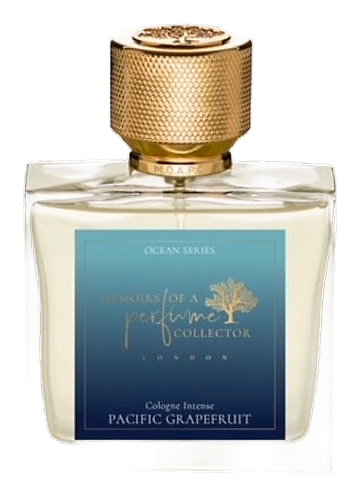
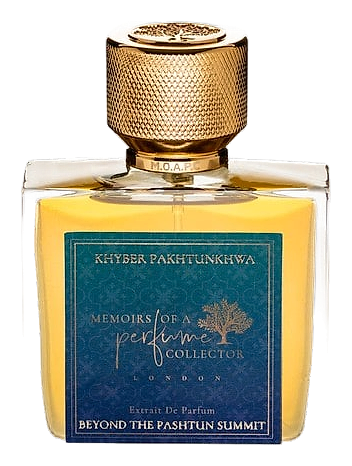
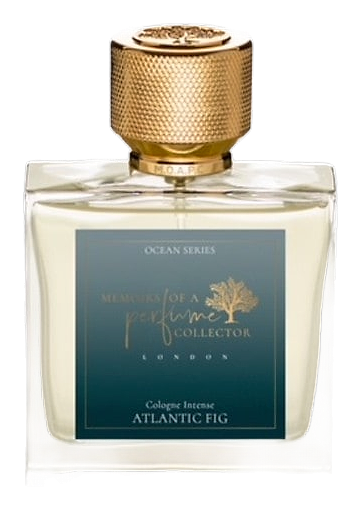
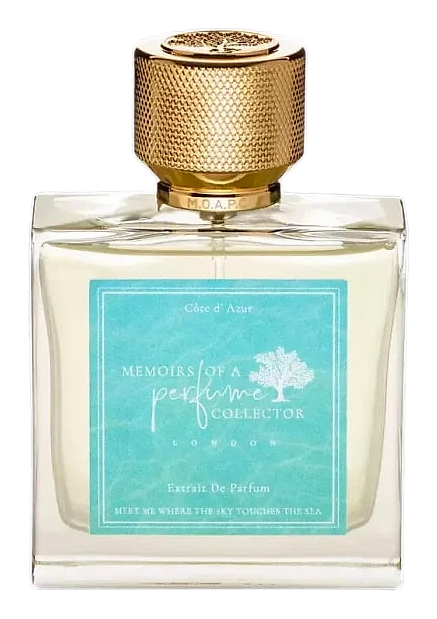
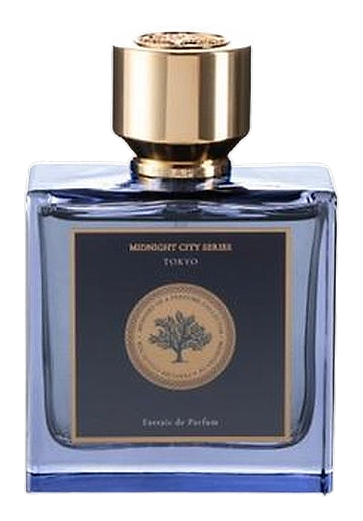
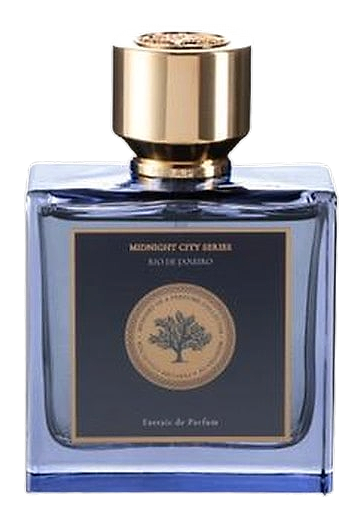
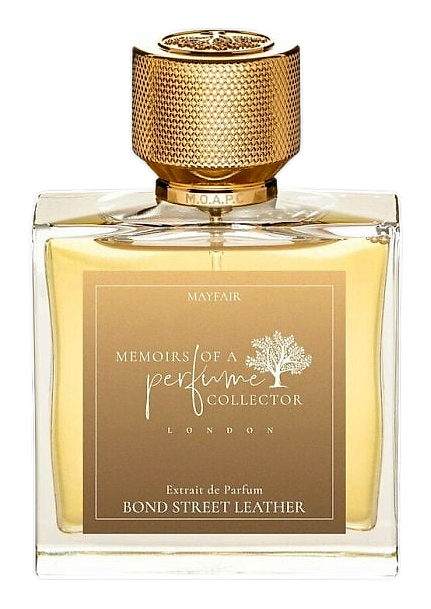
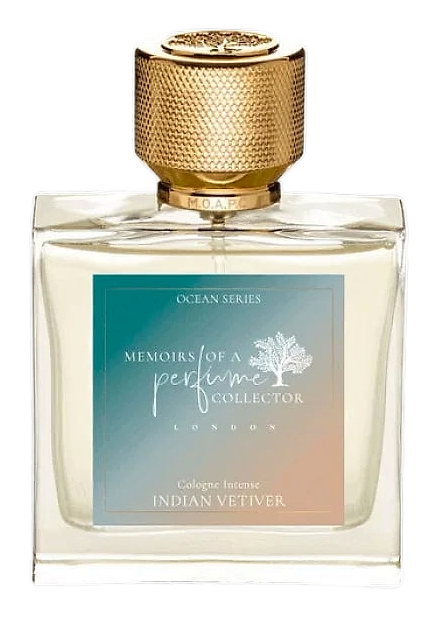
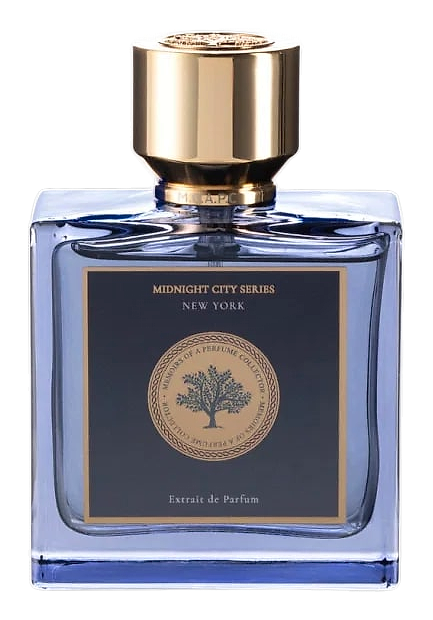
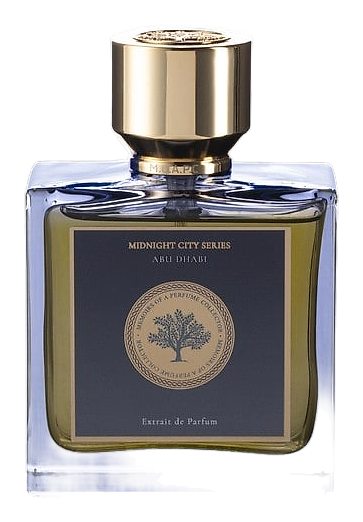
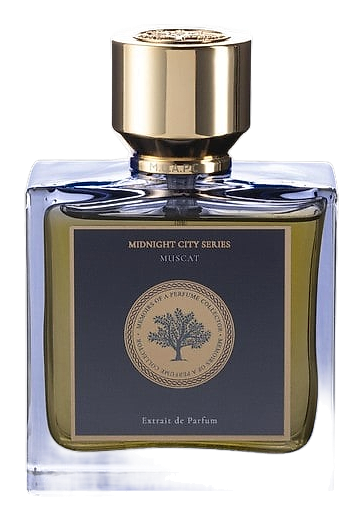
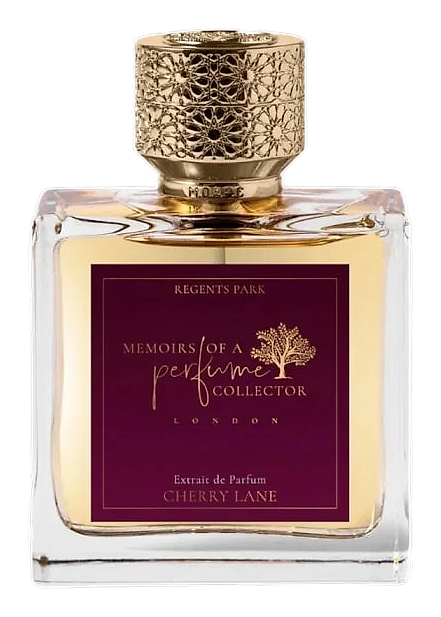
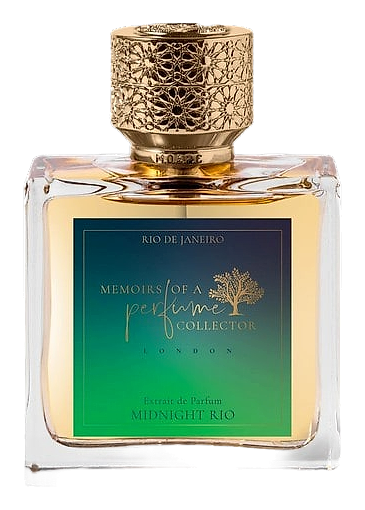
Memoirs Of A Perfume CollectorMemoirs Of A Perfume Collector is a British fragrance house creating niche perfumes with a collector's sensibility. The brand takes its name from the personal obsession of scent, positioning each fragrance as a chapter in a larger story. Their collection draws inspiration from cities and destinations, with names like New York, Doha, Riyadh, and Zanzibar anchoring each bottle to a specific place. This travel-oriented naming convention suggests the perfumes aim to evoke the sensory memories of particular locations. The house operates as a small independent outfit with a focused library of scents rather than a sprawling catalog. British-based and relatively new to the niche market, the brand has gained presence through retailers like Luckyscent, Les Senteurs, and Scent Split. Their aesthetic appears collector-focused, presenting fragrance as curated experience rather than mass-market commodity.
The Creator
Dario FiniFini’s style leans toward clean structures built on citrus top notes, aromatic herbs, and a heart of white florals. He frequently employs Italian bergamot, Sicilian lemon, and Calabrian orange blossom to create bright openings.