Valencia Orange Peel
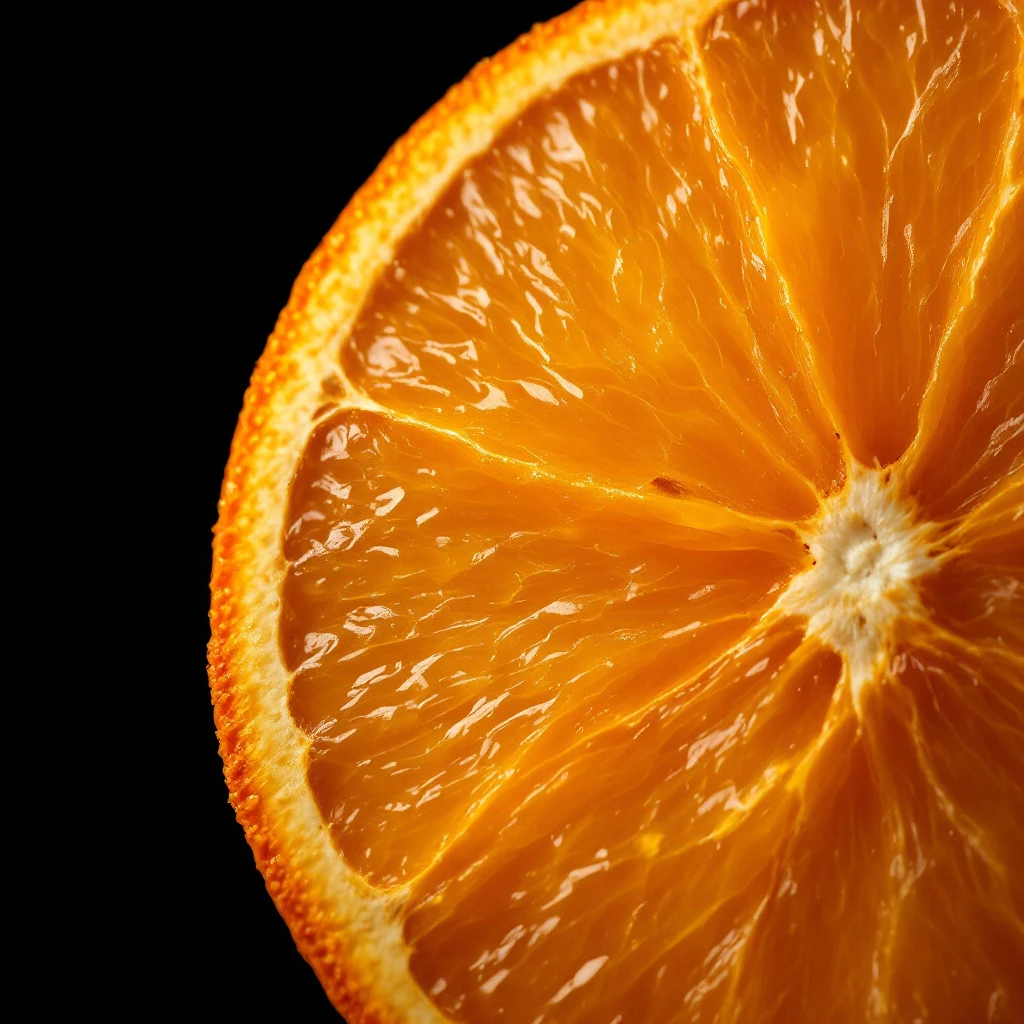
Valencia orange peel brings a sun-soaked brightness to fragrance compositions. Its zest-cut aroma carries juicy sweetness balanced by a subtle bitter edge, lifting top notes with immediate, mouthwatering radiance.
Character
How it smells
Sunshine zest in every drop
Valencia oranges are considered the world’s premier juice orange, and their peels yield an oil richer in aldehydes than most common sweet oranges.



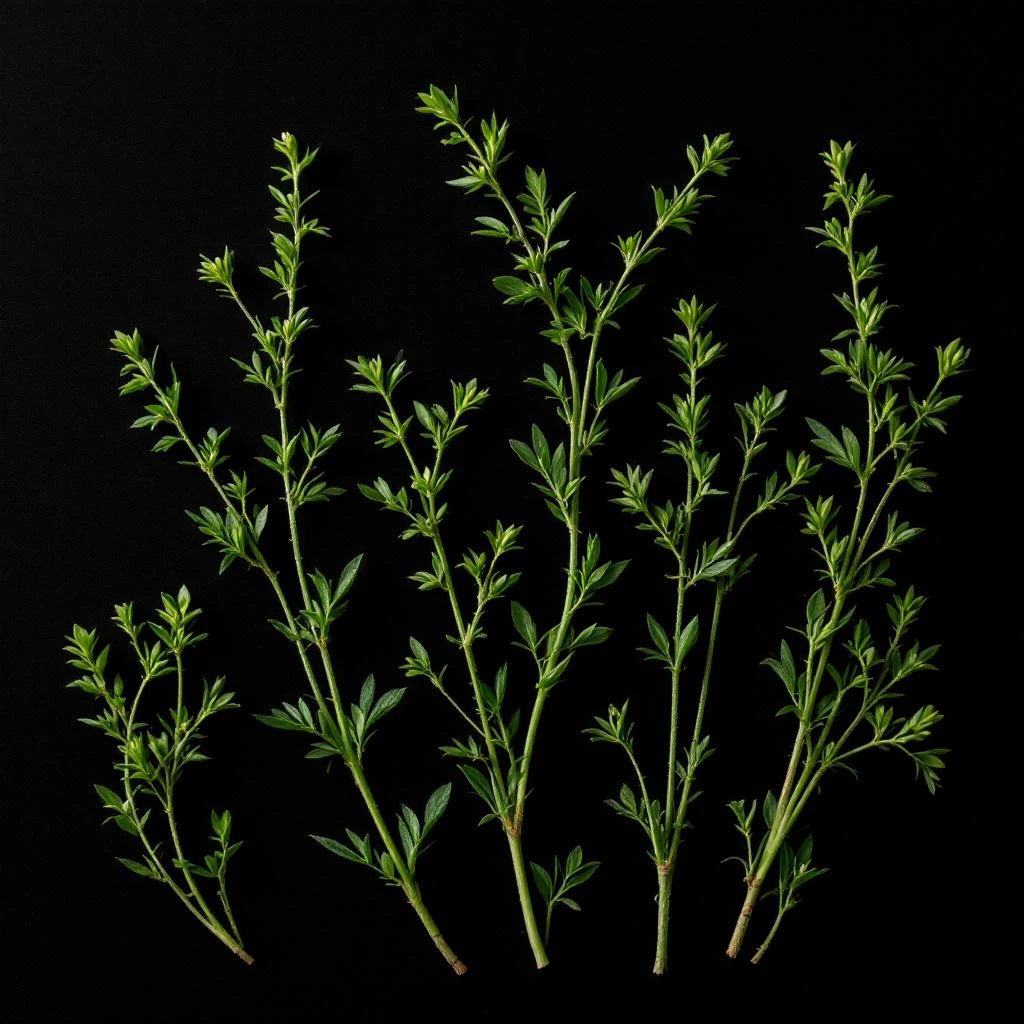
Origin
Spain
The Valencia orange traces its documented ancestry to a Portuguese variety grown around the city of the same name, with cultivation records stretching back to the early nineteenth century. Spanish orchards refined the cultivar, and it later traveled to the United States, where Florida and California growers adopted it as their flagship sweet orange by the mid-1800s. Its peel entered perfumery alongside the broader tradition of citrus oils, which perfumers had prized since the Renaissance for their ability to animate compositions and bridge heavier base materials.
By the late nineteenth century, expressed orange peel oil had become a standard brightening agent in eau de colognes and classical floral fragrances. Industrial folding processes developed in the twentieth century allowed perfumers to work with a more concentrated, oxidation-resistant version of the oil, cementing Valencia peel as a workhorse top note in both niche and mainstream fragrance houses.
Wears it best
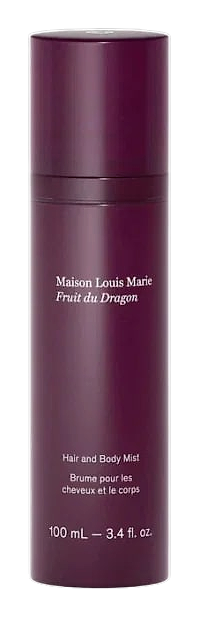
Fragrances featuring Valencia Orange Peel
Brands
Brands known for Valencia Orange Peel
Good to know
Questions, answered
The essentials on Valencia Orange Peel in perfumery: how it smells, where it comes from, and how it behaves on skin.
What does Valencia orange peel smell like in perfume?
Valencia orange peel smells bright, juicy, and zesty with a clean sweetness and a faint bitter undertone. It delivers an immediate lift to fragrance openings, evoking the scent of a freshly sliced fruit.
How is Valencia orange peel oil extracted?
The oil is obtained through cold pressing, where mechanical pressure ruptures the oil glands in the outer peel. The resulting emulsion is centrifuged to isolate pure essential oil from water and pulp.
What is the difference between Valencia orange peel oil and regular sweet orange oil?
Valencia peel oil is valued for its slightly higher aldehyde content, which produces a rounder, juicier aroma. The cultivar also tends to deliver a more balanced sweet-to-bitter character compared to standard sweet oranges.
Why is orange peel oil sometimes folded?
Folding removes unstable terpenes like limonene, concentrating the more fragrant aldehydes. The process improves longevity in a finished perfume and reduces the oil’s tendency to oxidize over time.
Where do Valencia oranges originate?
The cultivar takes its name from Valencia, Spain, where it was refined in the early nineteenth century. It later spread to Florida and California, becoming a dominant commercial sweet orange worldwide.
Is Valencia orange peel oil natural or synthetic?
Genuine Valencia peel oil is 100% natural, produced by cold pressing fruit rinds. Synthetic versions of the aroma do exist for cost-sensitive applications, but premium perfumery typically uses the natural expressed oil.
How much orange peel yields one kilo of essential oil?
Cold-pressed Valencia peel oil requires roughly 500 kilograms of fresh oranges to produce one kilogram of oil. Yields fluctuate with harvest conditions and fruit maturity.
Is Valencia orange peel oil safe for skin in fragrance?
When used at standard perfumery concentrations, Valencia peel oil is considered safe for skin application. Phototoxicity from cold-pressed citrus oils is generally low for orange compared to bergamot or lemon.





