The Heritage
The Story of Maison Louis Marie
Maison Louis Marie blends a French botanical lineage with a Los Angeles studio to offer clean, non‑toxic fragrances, candles and skin‑care. Each scent carries a numeric label that maps to the founder’s personal journey, while the brand’s commitment to sustainability shapes every ingredient choice and packaging decision. The result is a modern perfume house that respects its 18th‑century roots without sacrificing contemporary clarity.
Heritage
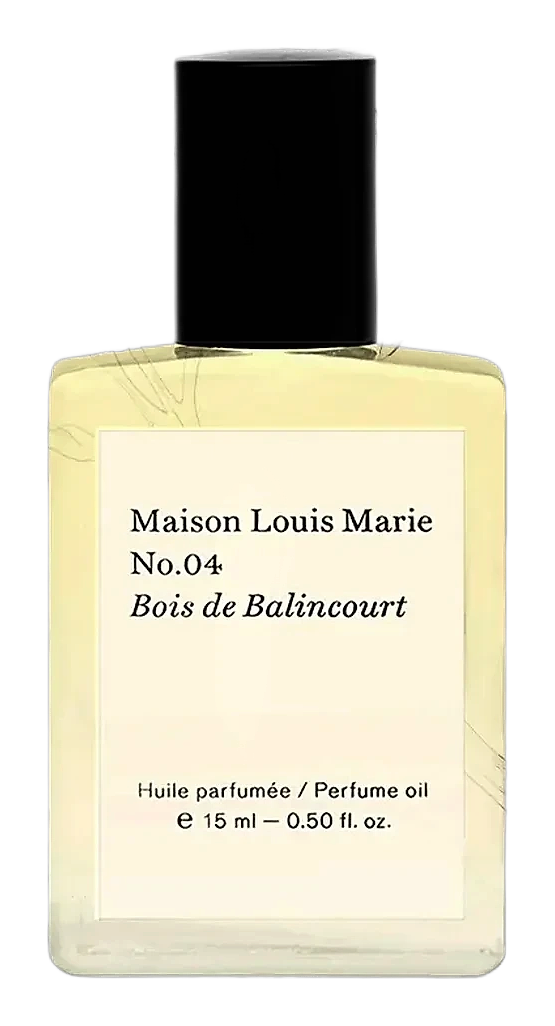
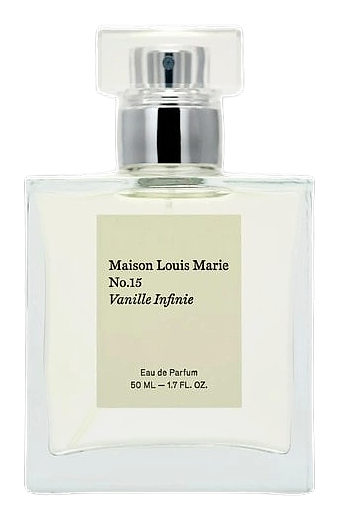
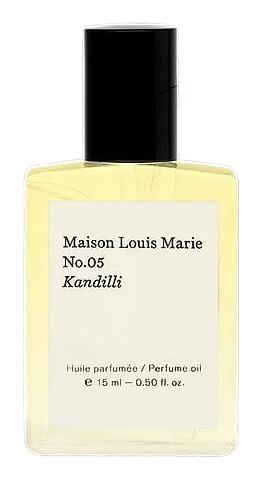
The story begins in 1792 when Louis Marie Aubert du Petit Thouars, a French naturalist, documented Caribbean flora during a scientific expedition. Generations later, his descendant Marie du Petit Thouars grew up surrounded by herbarium sheets and family anecdotes about plant collection. In 2014 she launched Maison Louis Marie in Los Angeles, naming the house after her ancestor to honor that botanical legacy. The first release, No.04 Bois de Balincourt, arrived the same year and introduced a minimalist amber bottle that would become a visual hallmark. 2015 saw the addition of No.03 L'Etang Noir and No.05 Kandilli, expanding the numeric catalogue and reinforcing the concept of scent as a personal map. By 2020 the brand introduced a clean‑beauty skin‑care line, applying the same non‑toxic standards to moisturisers and serums. A refill program debuted in 2022, allowing customers to return glass bottles for sterilisation and reuse, a step that reflects the house’s long‑term view of resource stewardship. Recent releases such as No.14 Icila (2024) and No.15 Vanille Infinie (2026) demonstrate that the house continues to translate historic botanical research into contemporary olfactory narratives, while maintaining a transparent supply chain that traces each raw material back to its origin.
Craftsmanship
Production at Maison Louis Marie follows a small‑batch model that balances artisanal care with modern quality controls. Raw materials arrive from certified organic farms in France, Madagascar and the Caribbean, where growers follow fair‑trade practices and receive training on soil regeneration. Each ingredient undergoes a laboratory analysis to confirm purity before entering the blending room. The house works with a Parisian perfumer who respects the founder’s numeric system, creating formulas that are then macerated in stainless steel vats for a period that varies by scent, ranging from two weeks to three months. Quality assurance includes blind olfactory testing by a panel of independent fragrance consultants, ensuring that the final product meets the house’s scent profile without unintended synthetic notes. Bottles are hand‑filled in a Los Angeles facility that operates under ISO 9001 standards. After filling, each bottle passes through a UV‑light sterilisation tunnel before being sealed with a recyclable aluminium cap. The packaging design incorporates 100 % post‑consumer recycled glass for refillable editions, and the outer boxes are printed on FSC‑certified paper with soy‑based inks. This meticulous chain from field to finish reflects the brand’s insistence on clean, traceable luxury.
Design Language
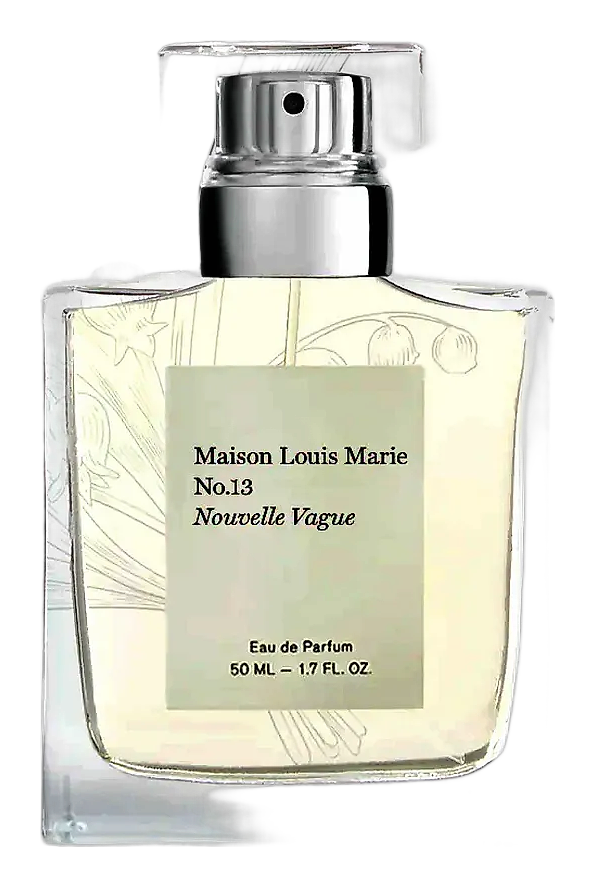
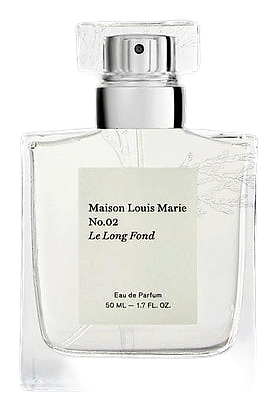
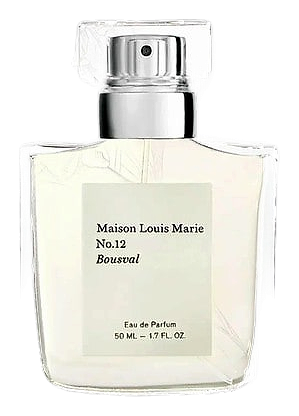
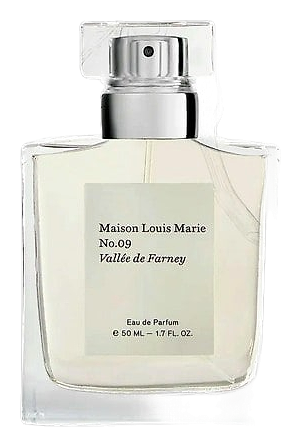
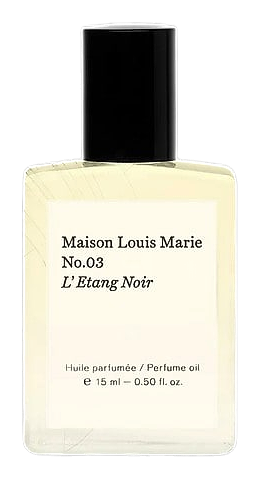
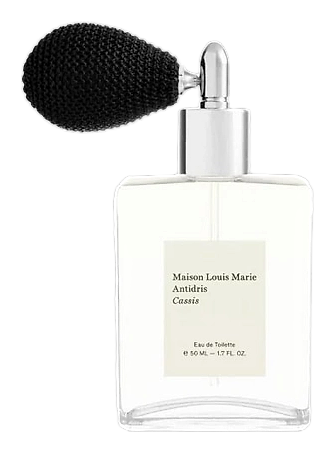
The visual language of Maison Louis Marie is deliberately restrained. Bottles are clear or amber glass with a thin, matte black label that displays only the numeric code and a single line of botanical description. The typography is a modern sans‑serif, set in all caps, which reinforces the house’s minimalist ethos. Caps are brushed aluminium, echoing the brand’s commitment to recyclable materials. Marketing imagery often features monochrome photography of the raw botanicals—cacao pods, sandalwood bark, citrus zest—arranged against a soft, natural backdrop. The colour palette across the website and print collateral leans toward muted earth tones, allowing the scent’s story to occupy the foreground. Store displays use reclaimed wood shelves and simple glass cases, echoing the brand’s blend of heritage and contemporary design. This aesthetic signals a quiet confidence, inviting the consumer to focus on the scent’s composition rather than flashy branding.
Philosophy
Maison Louis Marie frames fragrance as a dialogue between past and present. The creative vision rests on three pillars: botanical authenticity, clean composition, and ecological responsibility. Marie du Petit Thouars selects ingredients that can be traced to sustainable farms or wild harvests, avoiding synthetics that lack a clear ecological profile. The brand publishes ingredient lists for each product, inviting consumers to understand the role of each note. Transparency extends to packaging; glass bottles are sourced from recycled content and labelled with simple typography that foregrounds the scent’s numeric identity rather than overt branding. Sustainability is not an afterthought; the house offsets carbon emissions by supporting reforestation projects in Madagascar, a region linked to the family’s early botanical work. This philosophy shapes every decision, from the choice of a single‑origin vanilla bean to the decision to partner with refill stations in boutique locations.
Key Milestones
1792
Louis Marie Aubert du Petit Thouars documents Caribbean plant species during a scientific expedition.
2014
Maison Louis Marie is founded in Los Angeles by Marie du Petit Thouars; first fragrance No.04 Bois de Balincourt launches.
2015
Expansion of the numeric catalogue with No.03 L'Etang Noir and No.05 Kandilli, establishing the house’s signature scent system.
2020
Launch of a clean‑beauty skin‑care line, applying the brand’s non‑toxic standards to moisturisers and serums.
2022
Introduction of a refill programme that allows customers to return glass bottles for sterilisation and reuse.
2024
Release of No.14 Icila, a fragrance inspired by high‑altitude alpine herbs.
At a Glance
Brand profile snapshot
Origin
United States
Founded
2014
Heritage
12
Years active
Collection
3
Fragrances released
Avg Rating
4.3
Community sentiment
Release Rhythm


