Tropical Citrus Fruits
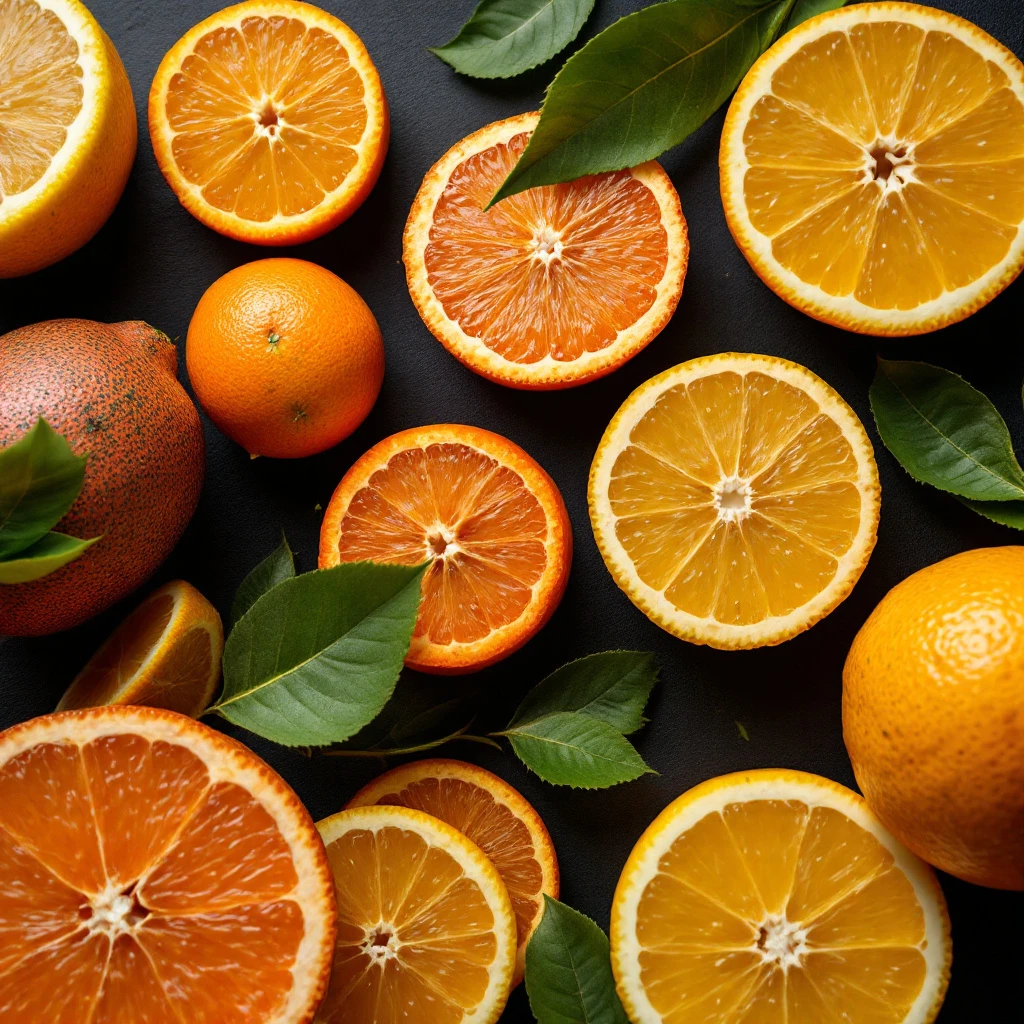
Tropical citrus fruits deliver immediate brightness and solar energy. In perfumery, they function as natural aromatics, commanding attention in the first moments of a fragrance experience and setting the tone for everything that follows.
Character
How it smells
Sun-drenched fruits that wake up the skin.
The peel of a single grapefruit contains enough aromatic oil to scent a small laboratory for hours. Perfumers prize this intensity when creating concentrated formulations.




Origin
Brazil
Ancient traders carried citrus fruits across ocean routes, valuing them as much for their scent as their taste. Southeast Asian cultures used citrus peel in sacred rituals and medicinal preparations long before European contact.
By the 15th century, Portuguese and Spanish sailors planted citrus trees in Caribbean colonies, creating new cultivation zones that would eventually supply European perfumers. Caribbean plantations became essential sources during the colonial era, with grapefruit and sweet orange oils becoming foundational materials in early modern fragrance.
The 19th century brought scientific understanding of citrus chemistry, allowing perfumers to standardize these variable natural materials. Today, tropical citrus production spans Brazil, Mexico, Florida, and the Caribbean, each region contributing distinct aromatic characteristics shaped by local soil and climate.
Wears it best
Fragrances featuring Tropical Citrus Fruits
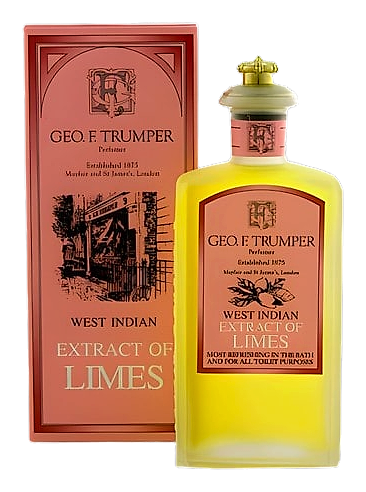

Brands
Brands known for Tropical Citrus Fruits
Good to know
Questions, answered
The essentials on Tropical Citrus Fruits in perfumery: how it smells, where it comes from, and how it behaves on skin.
What makes tropical citrus fruits different from regular citrus in perfumery?
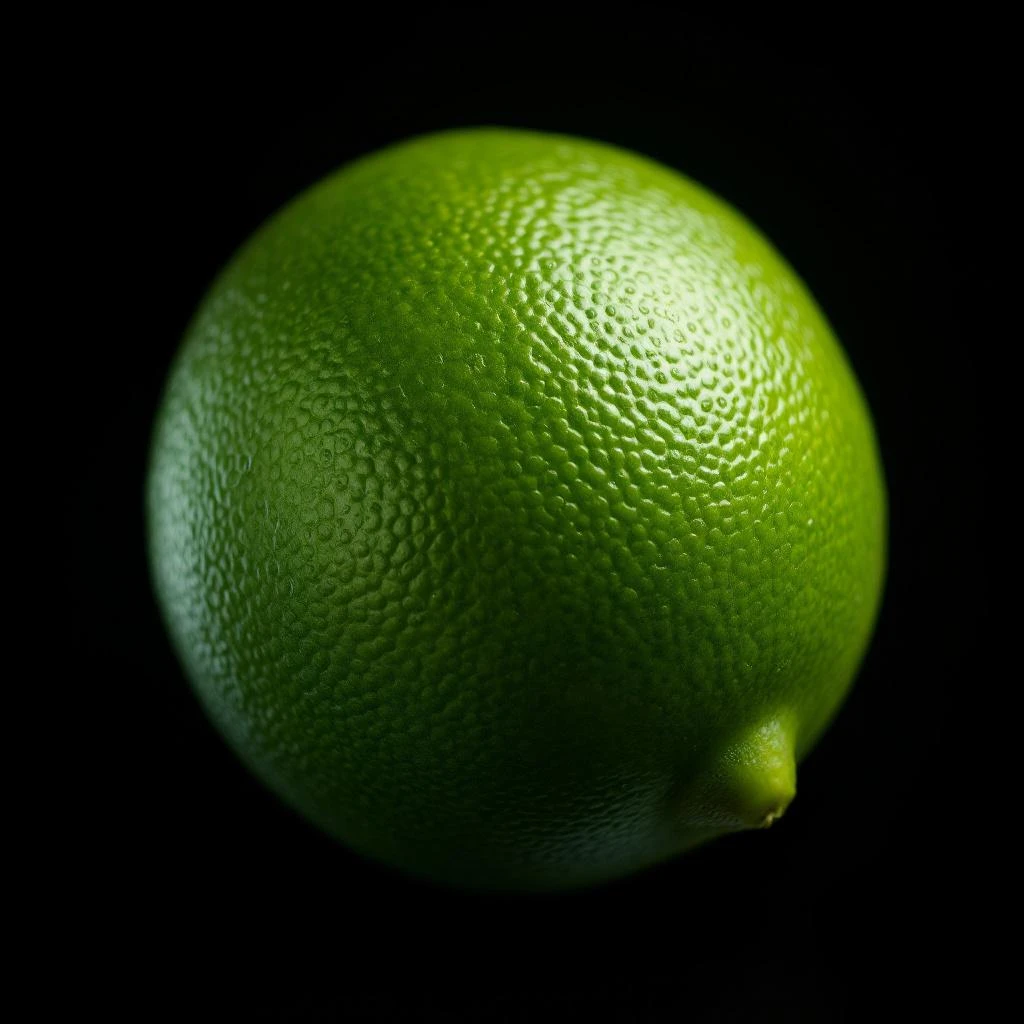
Tropical varieties like grapefruit and key lime tend toward more exotic, slightly bitter aromatic profiles compared to Mediterranean citrus. The humid growing conditions and intense sunlight in tropical regions produce fruits with higher oil concentrations and more complex scent compounds.
Why do citrus notes disappear quickly in fragrances?
Citrus oils consist mainly of lightweight volatile molecules that evaporate within 15 to 30 minutes on skin. Perfumers address this by using higher concentrations of citrus materials or combining natural oils with synthetic aroma chemicals that provide longer-lasting brightness.
Is cold expression better than steam distillation for citrus?
Yes for fresh, authentic citrus character. Cold expression captures the full spectrum of aromatic compounds without thermal alteration, producing oils that smell closest to the fresh fruit. Distilled citrus oils take on darker, more caramelized notes that differ significantly from fresh peel.
Can tropical citrus oils cause skin reactions?
Some tropical citrus oils, particularly expressed grapefruit, contain furanocoumarins that increase skin photosensitivity. Bergamot oil contains similar compounds. Manufacturers often use stripped or folded versions of these oils for leave-on cosmetic applications to reduce this risk.
Why do citrus fragrances smell different on paper versus skin?
Skin chemistry transforms citrus scents significantly because our individual pH levels and oils interact with aromatic compounds. Paper testing shows the raw material character while skin testing reveals how the fragrance develops with your specific biology.
What synthetic alternatives exist for tropical citrus?
Chemists have synthesized many citrus aroma chemicals including nootkatone (grapefruit), lime oxide, and various orange aroma chemicals. These synthetics provide consistency and longevity that natural citrus oils cannot match, though they lack the subtle complexity of whole essential oils.
How should I store tropical citrus fragrance products?
Keep them away from heat and light in airtight containers. Citrus oils oxidize rapidly when exposed to air, transforming from bright and fruity to dark and resinous within months. Refrigeration extends shelf life for natural citrus-based products.
Do tropical and temperate citrus smell the same?
No. Tropical citrus varieties like grapefruit, blood orange, and key lime develop more tropical fruit ester compounds during growth. Temperate varieties like bergamot and Seville orange produce higher levels of specific aldehydes and esters that create their distinctive aromatic signatures.