Tomato Tar
Tomato tar is a sticky, greenish-yellow resinous substance secreted by glandular trichomes on tomato plant surfaces. This aromatic compound gives the entire plant its characteristic green, vegetative scent rather than just the ripe fruit. Rarely used in perfumery, it represents the plant's natural defensive chemistry transformed into a fragrance material.

Character
How it smells
The plant's own aromatic defense, captured.
Glandular trichomes on tomato plants produce this tar as a pest deterrent, yet it delivers the exact green, vegetative aroma that defines fresh tomato scent.


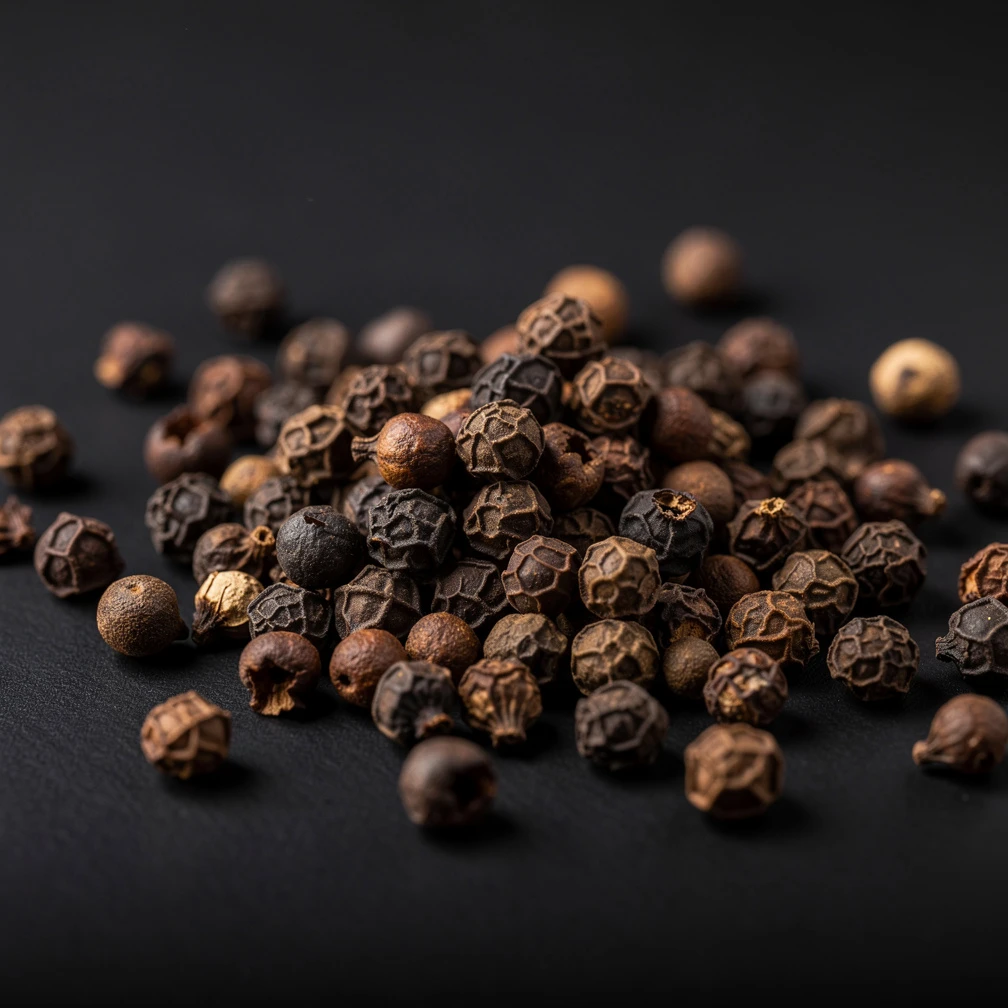



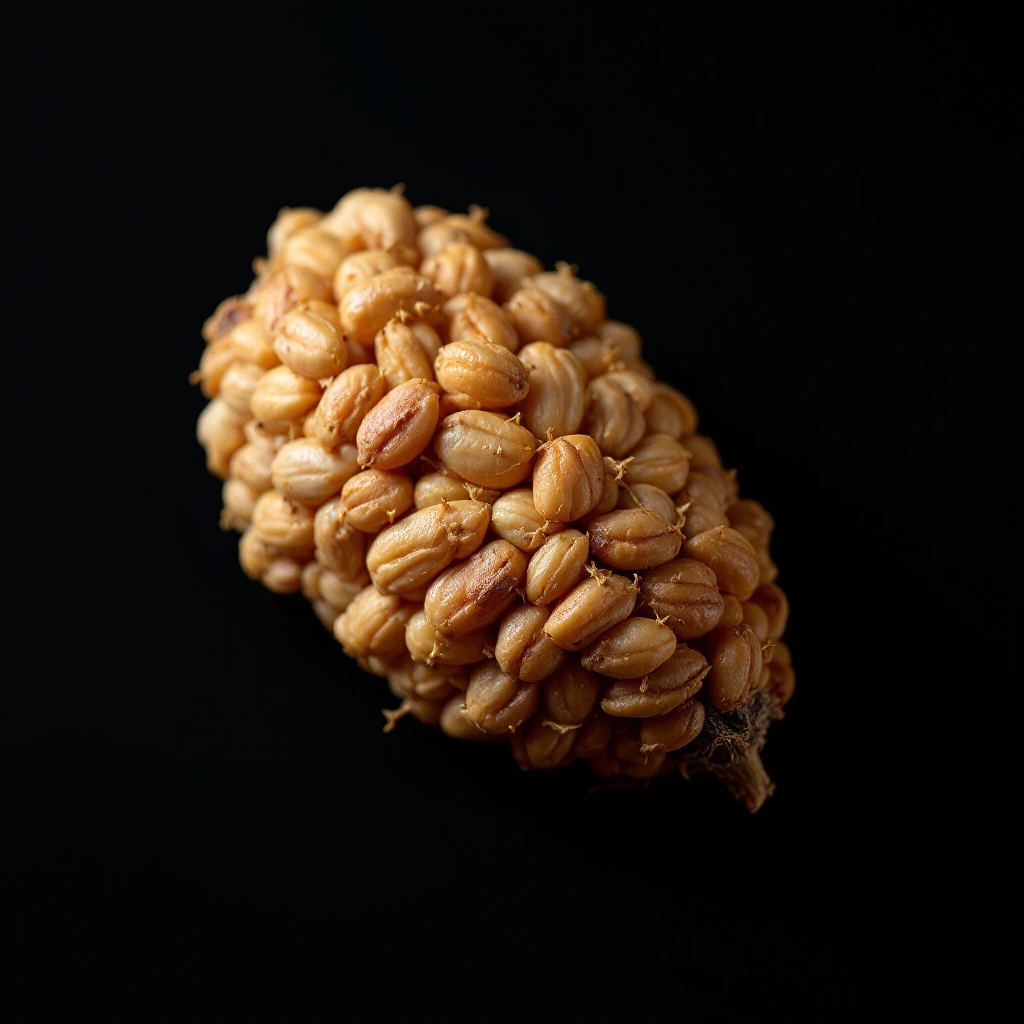


Origin
Peru
The tomato plant originated in the Andean region of South America before spreading globally through Spanish colonial routes during the 16th century. While civilizations valued the fruit for culinary purposes, the aromatic potential of the plant's defensive secretions went largely unnoticed by perfumers. Modern fragrance chemistry began identifying individual aromatic compounds in the late 19th century, eventually mapping the complex green scent molecules present in tomato tar.
However, unlike rose, jasmine, or other established botanical ingredients, tomato tar never developed a significant presence in perfumery traditions. Its history remains unwritten in the annals of fragrance, representing an unexplored aromatic territory despite the tomato's ubiquity in global cuisine.
Wears it best
Fragrances featuring Tomato Tar


Brands
Brands known for Tomato Tar
Good to know
Questions, answered
The essentials on Tomato Tar in perfumery: how it smells, where it comes from, and how it behaves on skin.
What does tomato tar smell like?
Tomato tar captures the green, vegetative scent of the entire tomato plant rather than ripe fruit. Expect sharp green notes with herbaceous, slightly pungent undertones reminiscent of crushed tomato leaves and stems.
Is tomato tar used commonly in perfumery?
No, tomato tar remains a rare and unconventional fragrance ingredient. Most perfumers have not worked with it, and it lacks the established supply chains of mainstream botanical materials.
Where does tomato tar come from?
Tomato tar is a natural secretion from glandular trichomes covering tomato plant surfaces. These specialized structures produce the resinous material as the plant's primary defense mechanism.
Is tomato tar synthetic or natural?
Tomato tar is entirely natural, harvested directly from tomato plant trichomes. However, its rarity means individual aromatic compounds may eventually be synthesized for broader fragrance use.
What part of the tomato plant produces this substance?
Glandular trichomes on stems, leaves, and calyces produce tomato tar. These microscopic hair-like structures secret the aromatic resinous compounds onto the plant surface.
Does tomato tar smell like tomatoes?
Surprisingly, no. It smells like the green, vegetative parts of the plant. The characteristic tomato aroma comes from different compounds in ripe fruit, which are separate from the plant's defensive secretions.
How is tomato tar harvested?
Harvesting involves carefully collecting the resinous material from plant surfaces without damaging the trichomes. This delicate process limits commercial production volumes significantly.
Can tomato tar be replicated synthetically?
Modern analytical chemistry can identify and potentially synthesize key aromatic compounds from tomato tar. However, the complete aromatic profile of the natural material remains difficult to replicate fully.