Bitter Nightshade Leaves
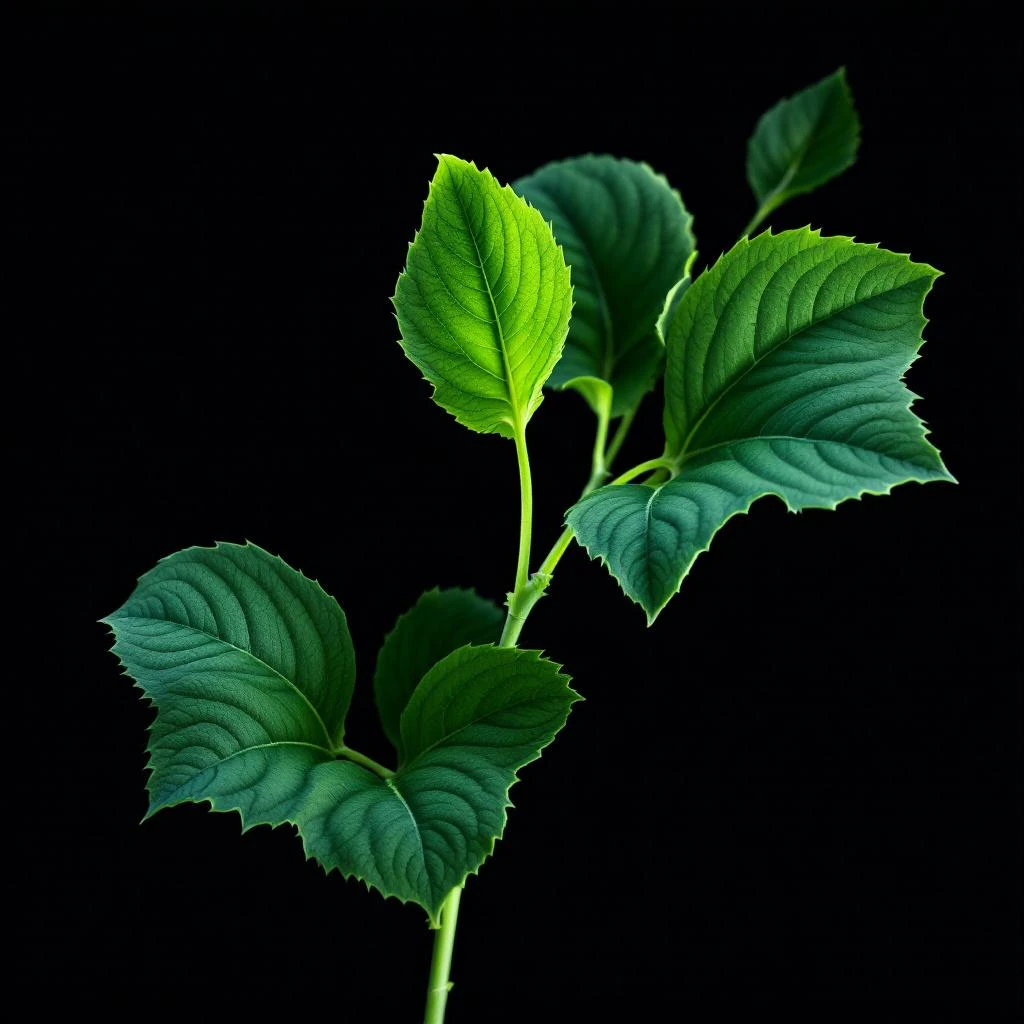
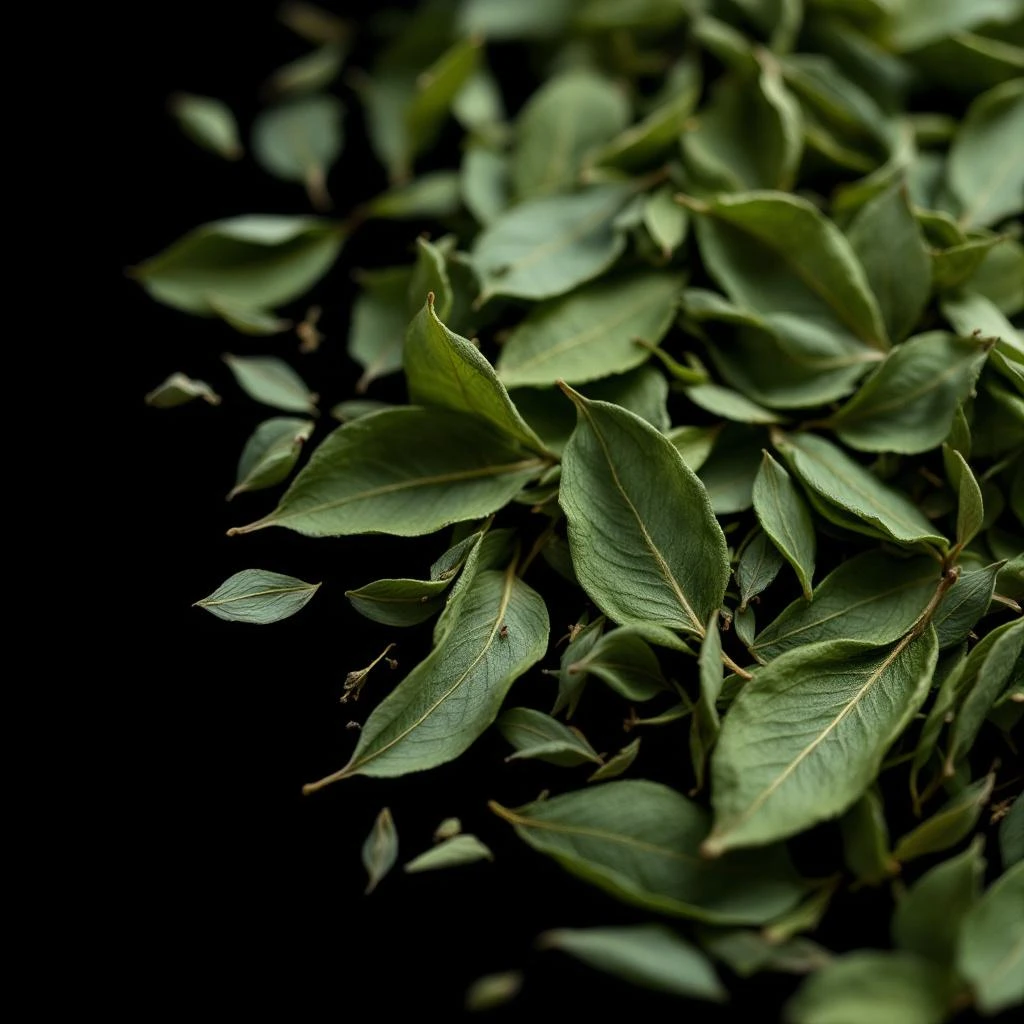
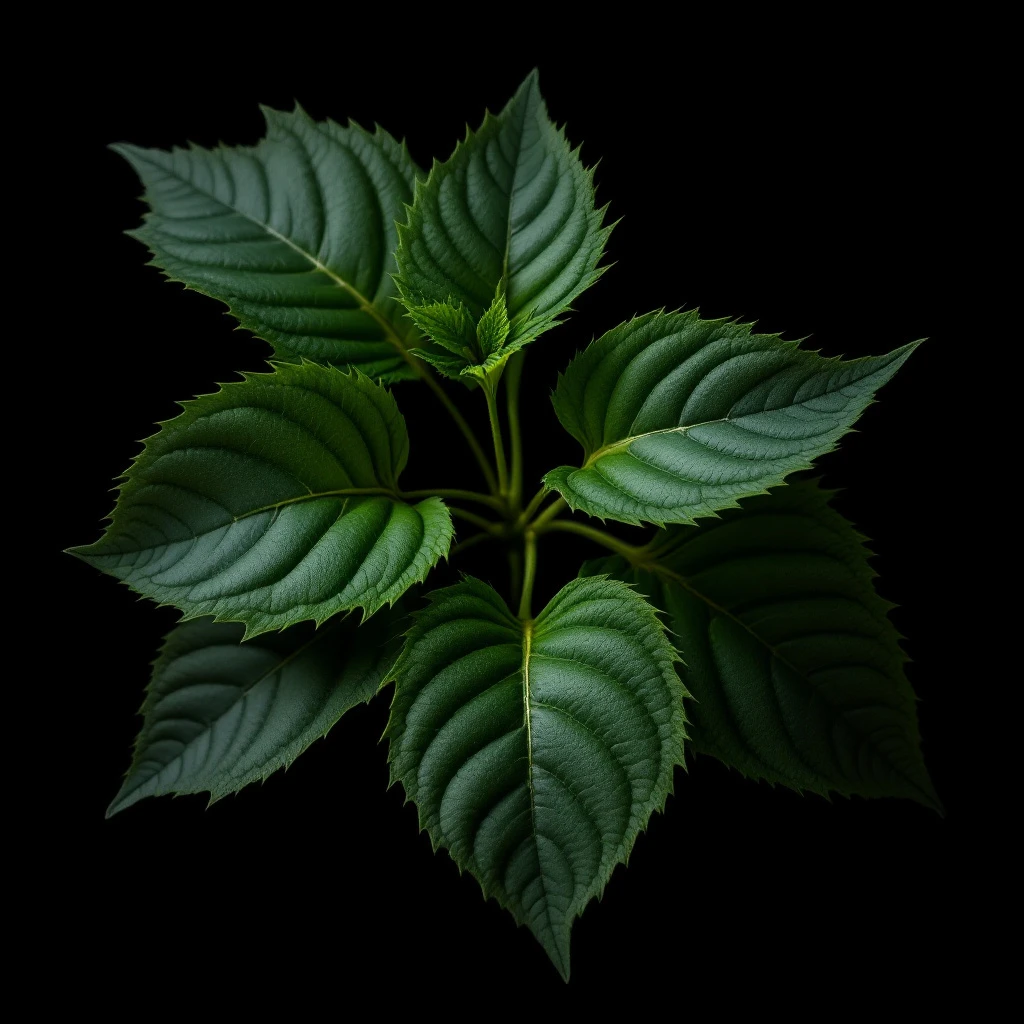
Bitter nightshade leaves offer a rare, intensely green and herbaceous aromatic rarely found in perfumery. From the Solanum genus, this unusual botanical adds sharp, acrid complexity to niche fragrance compositions.
Character
How it smells
From hedgerow to hidden accord
The plant earned its name from its stems, which taste bitter first, then sweet—a flavor duality that inspired centuries of European folklore and herbalism.
Origin
Europe
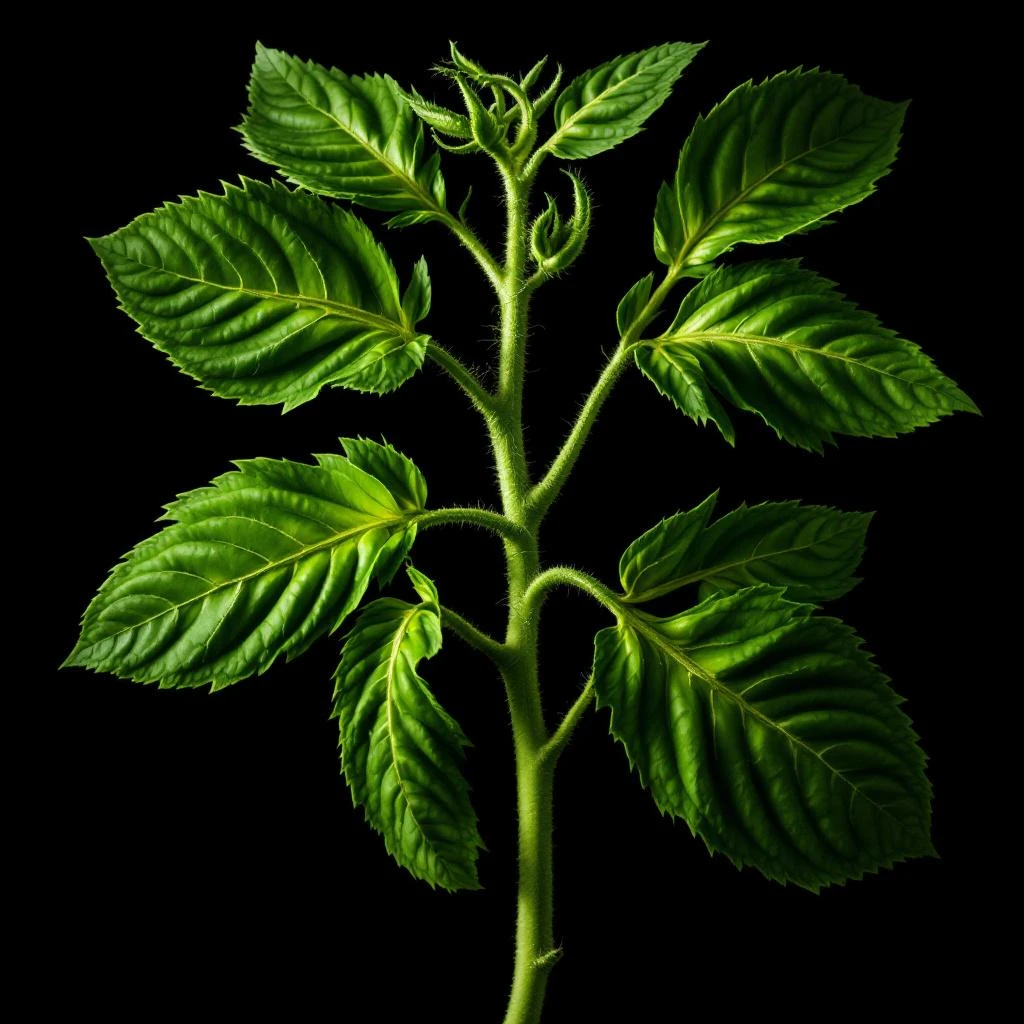
Bitter nightshade (Solanum dulcamara) grows wild across Europe, parts of Asia, and North America. While the Solanaceae family includes plants like Datura and Hyoscyamus used in ancient perfumery rituals, bitter nightshade itself saw limited aromatic use.
Medieval European herbalists documented it extensively for its dual bitter-sweet taste, assigning it symbolic meaning in healing traditions. Its presence in perfumery today remains uncommon and experimental, appealing to perfumers seeking unusual botanical materials beyond the standard floral and woody palette.
Wears it best
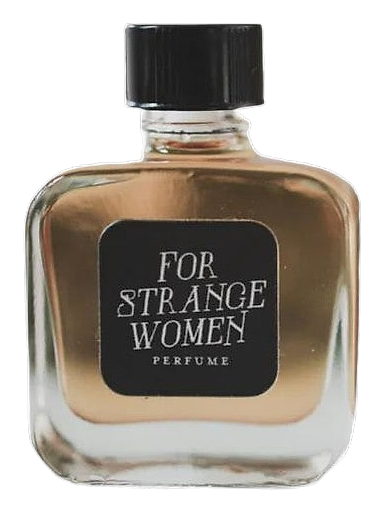
Fragrances featuring Bitter Nightshade Leaves
Brands
Brands known for Bitter Nightshade Leaves
Good to know
Questions, answered
The essentials on Bitter Nightshade Leaves in perfumery: how it smells, where it comes from, and how it behaves on skin.
Is bitter nightshade actually used in perfumery?
It appears rarely. Bitter nightshade leaves have minimal presence in commercial fragrance production. Niche perfumers may use them as botanical accents, but most green bitter notes come from materials like galbanum, violet leaf absolute, or fig leaf.
What does bitter nightshade smell like?
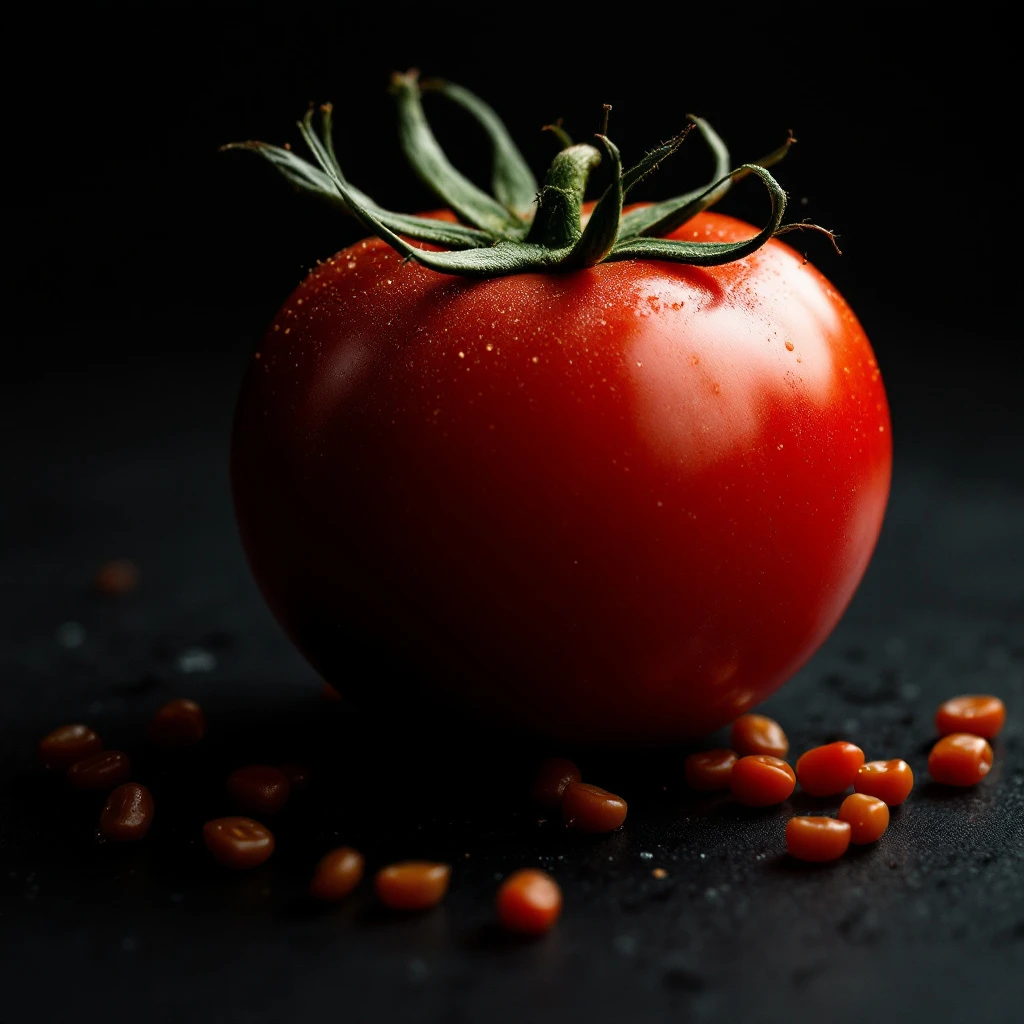
The leaf aromatics are intensely green, herbaceous, and acrid, with a sharp bitterness and earthy undertone. Some describe a faint potato-skin or unripe tomato quality. The profile is not conventionally pleasant on its own.
Is bitter nightshade safe to use in fragrance?
Solanum dulcamara contains solanine and other glycoalkaloids that can be toxic in high doses. Professional perfumers handle it with caution. Consumers encounter it only in heavily diluted, professionally formulated products.
Why is this ingredient so rare in perfumery?
The plant's toxicity and unpleasant raw aroma make it commercially unviable for mainstream fragrance. The yield is low, and regulation around glycoalkaloid-containing materials adds complexity. Synthetic green-bitter aromatics replicate the effect more safely.
What extraction method captures the leaf aroma best?
Solvent extraction works best. Steam distillation risks degrading the temperature-sensitive glycoalkaloids that contribute to the characteristic bitter-green profile. Solvent extraction yields a concrete with a more complete aromatic profile.
Where does commercial bitter nightshade grow?
Solanum dulcamara is native across temperate Europe and naturalized in parts of Asia and North America. Wild-harvested material from hedgerows in the UK, France, and Germany supplies specialty botanical markets.
Does bitter nightshade have a history in traditional perfumery?
Not prominently. Unlike rose or jasmine, bitter nightshade never featured in historical perfumery. Its documented use belongs to herbalism and folk medicine. Modern perfumers discovered it for its unusual green-bitter qualities only recently.
What fragrance families pair well with this ingredient?
Green chypre, aromatic fougere, and dark botanical compositions. The bitter, acrid quality adds edge to floral heart notes and grounds earthy or smoky base notes. It suits fragrances aiming for naturalistic, woodland, or herbal aesthetics.