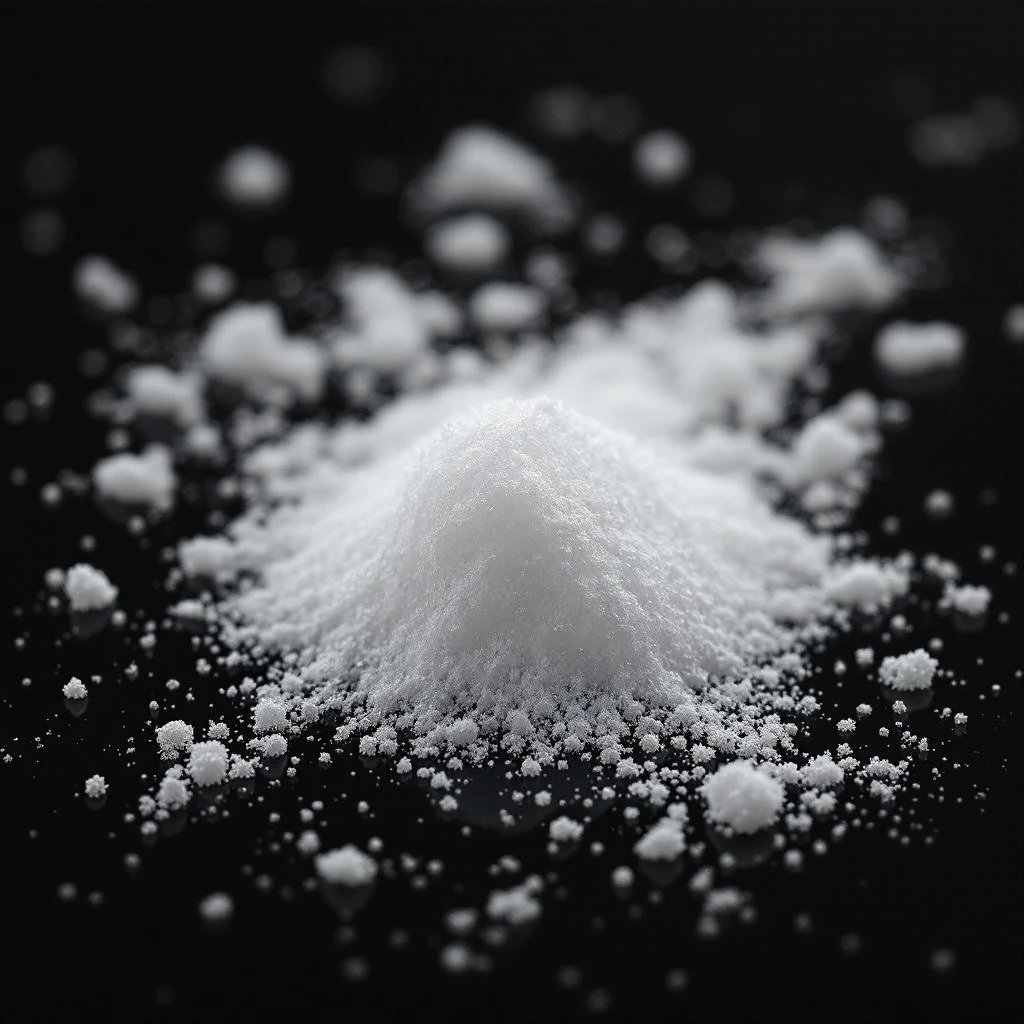
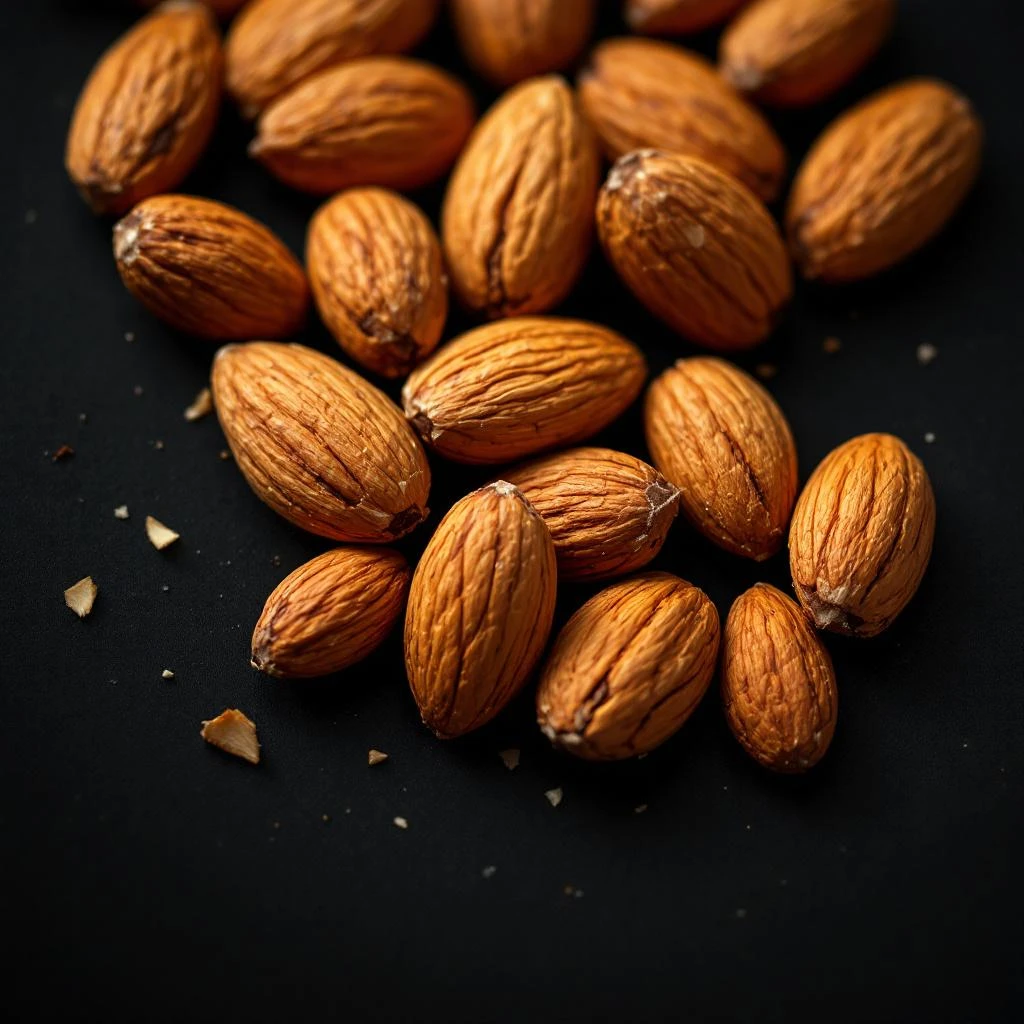
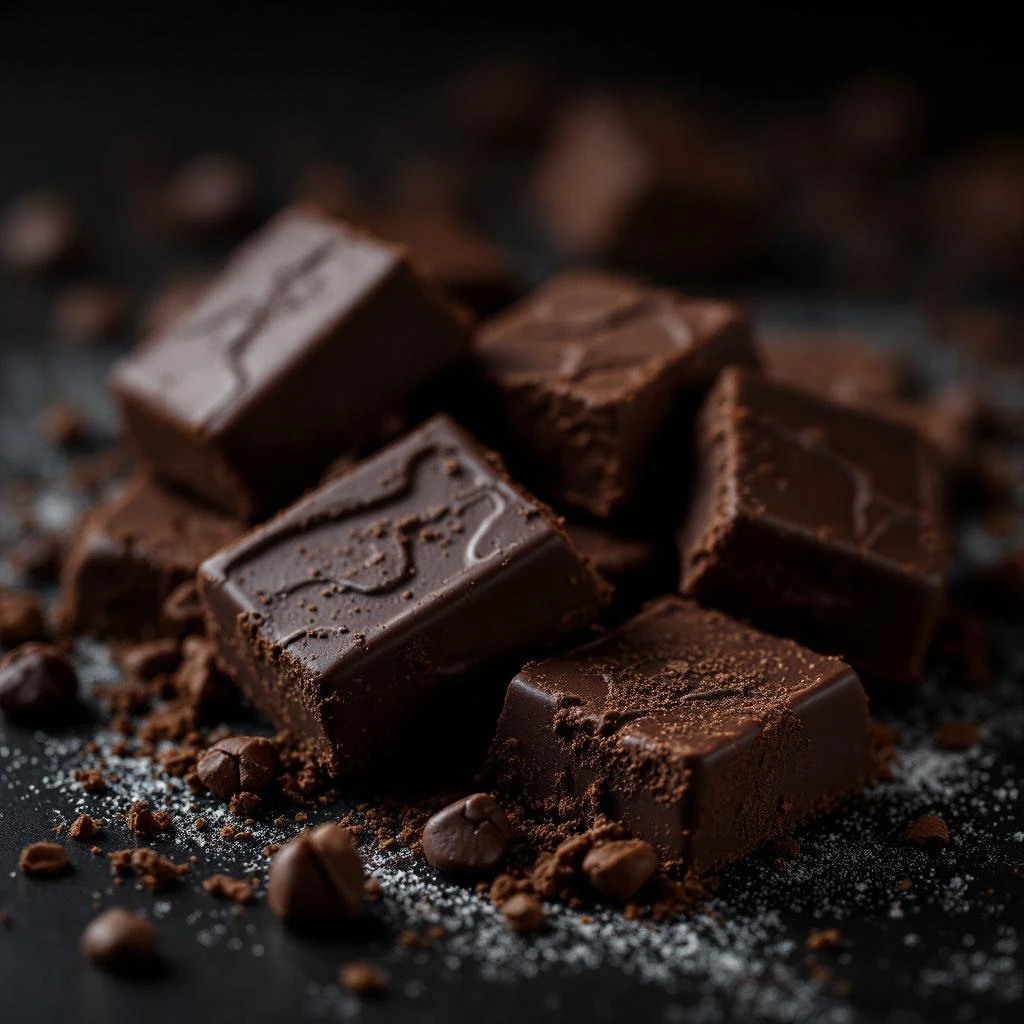
Pine Nut
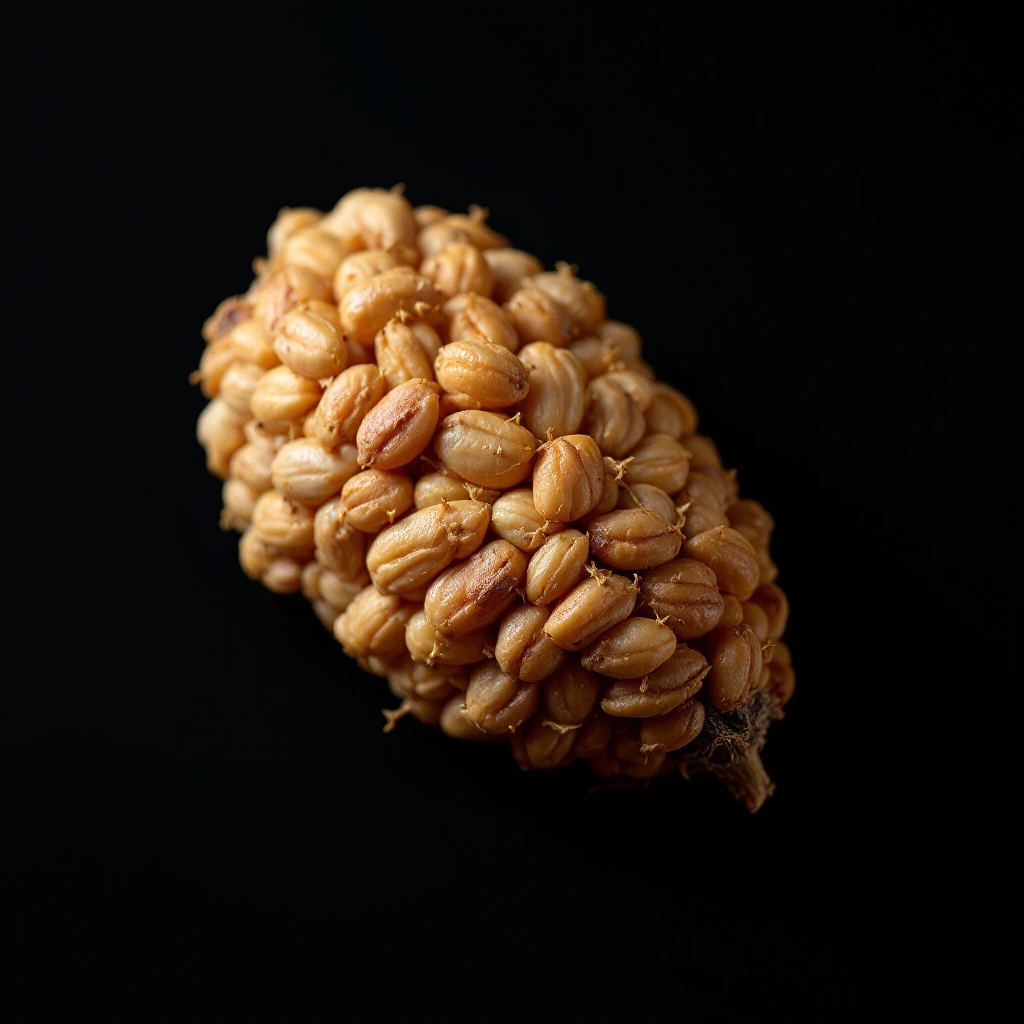
Pine nut brings an unexpected warmth to fine fragrance, a buttery richness drawn from the seeds of ancient stone pines. While the culinary world claims these prized nuts, perfumers prize the dense, nutty absolutes and oils derived from their careful extraction.
Character
How it smells
Nutty warmth from ancient forests
Stone pines can live over 200 years and still produce viable seeds, making pine nut one of the most enduring fragrance materials of the natural world.





Origin
Italy
The stone pine (Pinus pinea) has shaped Mediterranean cultures for over four thousand years. Romans considered pine nuts a luxury food, using them in everything from sacrificial offerings to imperial desserts. Ancient Egyptians employed pine-derived materials in their embalming practices, valuing the preservative qualities of conifer extracts.
Greek physicians like Hippocrates documented pine's medicinal properties, recommending preparations for respiratory and digestive complaints. The culinary prestige of pine nuts never diminished, but their aromatic potential remained largely unexplored by perfumers until the twentieth century, when extraction techniques advanced enough to capture their subtle warmth without interference from the nuts' natural fats and oils.
Wears it best
Fragrances featuring Pine Nut
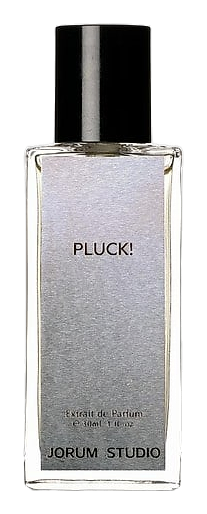
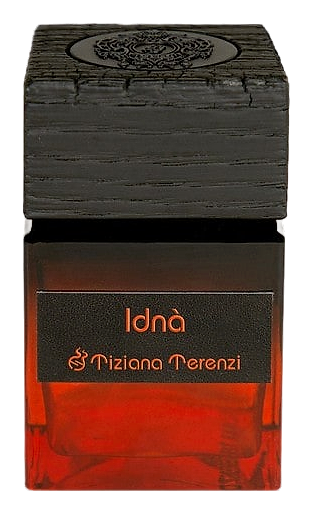
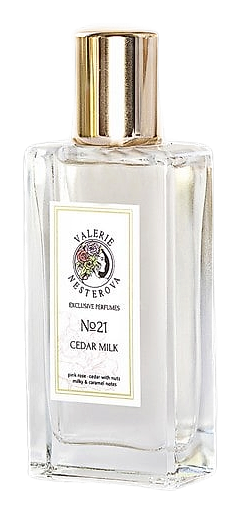
Brands
Brands known for Pine Nut
Good to know
Questions, answered
The essentials on Pine Nut in perfumery: how it smells, where it comes from, and how it behaves on skin.
What does pine nut smell like in perfume?
Pine nut absolute delivers a warm, buttery nuttiness with faint resinous undertones. It adds cozy depth to base compositions rather than prominent pine needle freshness. The effect reads as rich and slightly sweet, grounding lighter top notes without dominating a formula.
Is pine nut used as a top, middle, or base note?
Pine nut functions as a base note in fine fragrance. Its low volatility means the scent emerges after twenty to forty minutes of wear, lending lasting warmth and body to the dry-down. Perfumers typically introduce it at low concentrations to support amber, woody, or oriental foundations.
What fragrance families pair well with pine nut?
Pine nut harmonizes naturally with other woody materials like cedar and sandalwood. It complements warm amber and resinous notes such as labdanum and benzoin. In oriental compositions, the nutty warmth bridges spicy top notes and deep base materials effectively.
Where do perfumers source pine nut absolute?
The Mediterranean basin remains the primary source, particularly Italy and Spain where Pinus pinea cultivation spans centuries. Parts of China and Korea also produce pine nut materials from native species. Quality varies significantly based on seed freshness and extraction protocols.
Did ancient cultures use pine nut in fragrance?
Ancient Egyptians used pine and conifer extracts in mummification practices around 2000 BCE. Greeks applied pine preparations medicinally. The culinary use of pine nuts predates these applications, but true aromatic extraction for perfume only emerged with modern solvent techniques in the twentieth century.
What concentration of pine nut absolute do perfumers typically use?
Pine nut absolute appears at very low concentrations in fragrance formulas, typically between 0.1% and 2% of the total composition. The material's intensity and potential for skin sensitization at higher levels restrict its use to subtle effect. Even small amounts contribute measurable warmth and staying power.
How does pine nut differ from pine needle oil in perfumery?
Pine needle oil delivers sharp, fresh, balsamic conifer character suitable for top and middle positions. Pine nut absolute provides the opposite sensation: warm, nutty, and grounded. They rarely substitute for each other. A perfumer chooses pine nut specifically when seeking comfort and depth rather than crisp forest character.
Can pine nut cause allergic reactions in perfume?
Like many natural materials, pine nut absolute may trigger contact sensitization in susceptible individuals. IFRA guidelines recommend skin testing for finished products containing pine-derived materials. Professional perfumers handle the raw material with appropriate protective equipment and include sensitizers in product labeling when required.