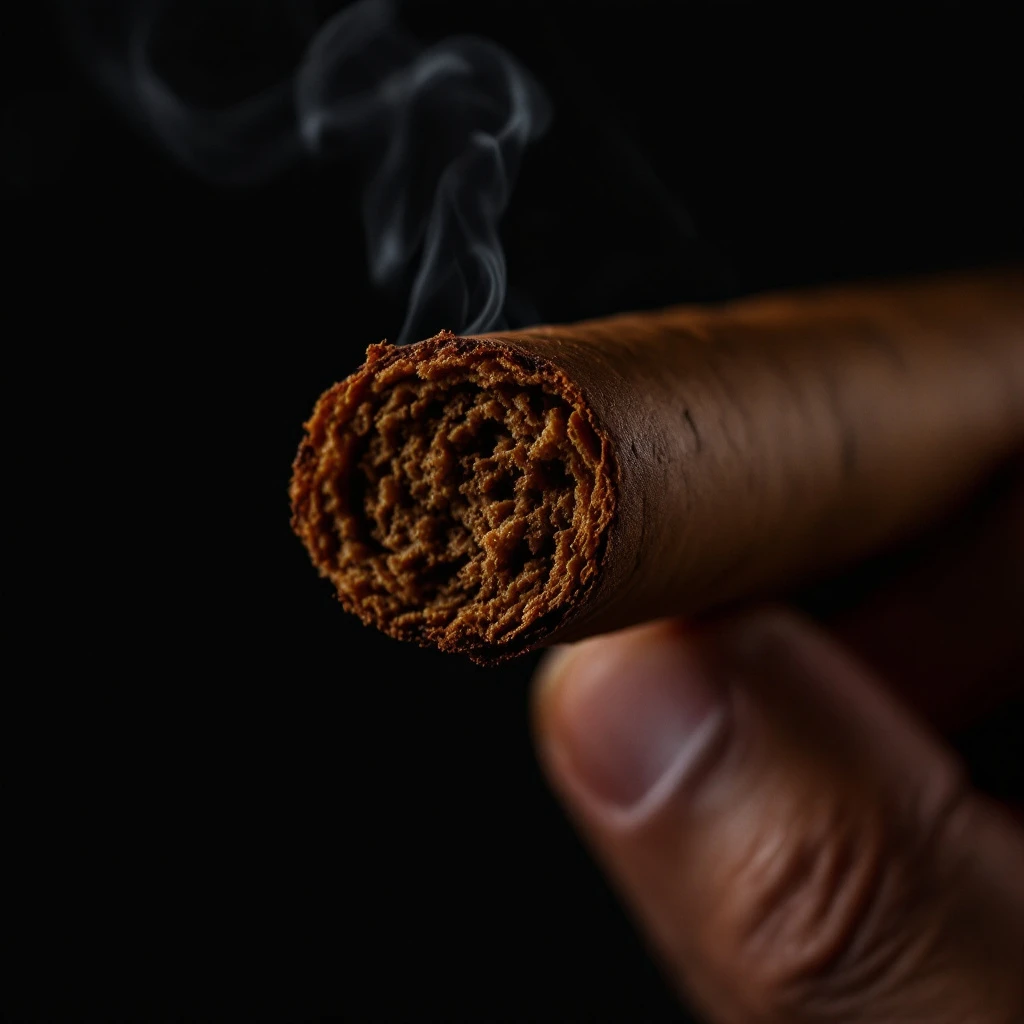
Tobacco Leaf
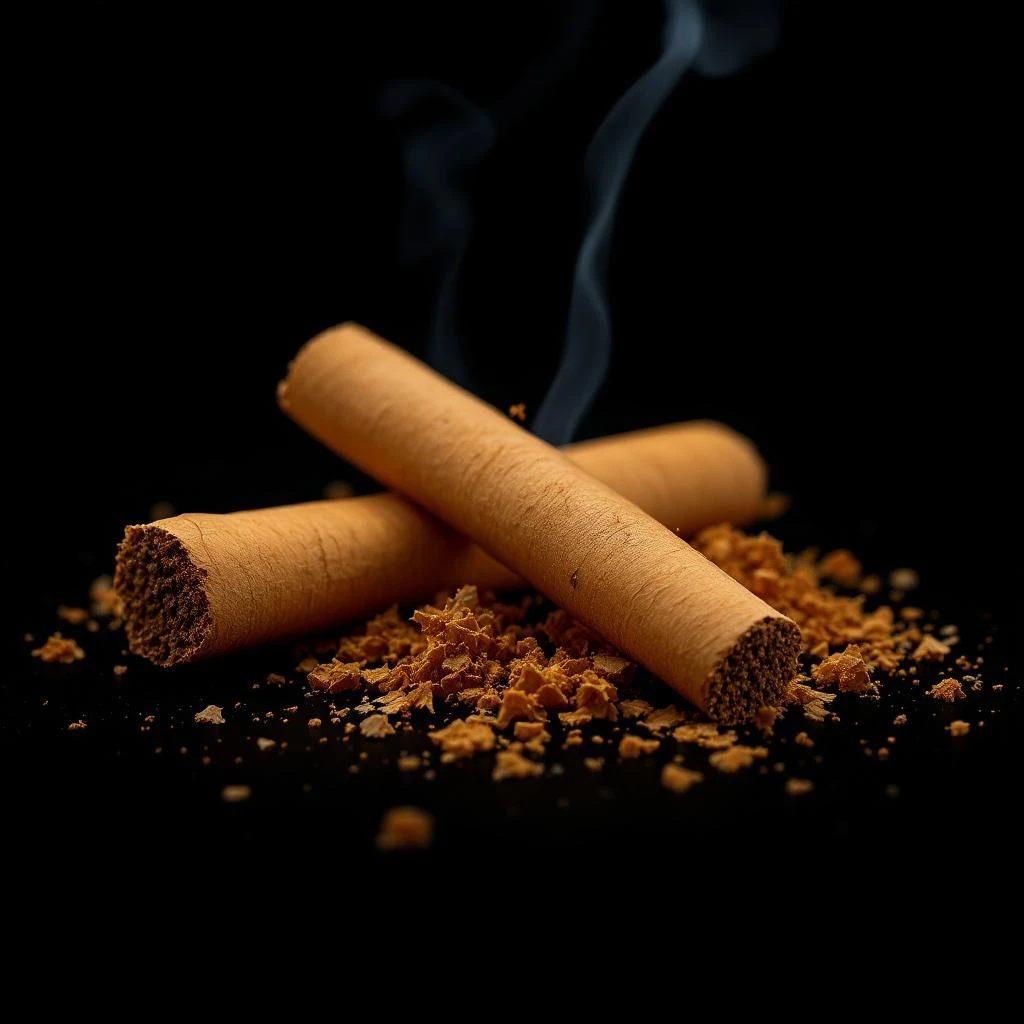
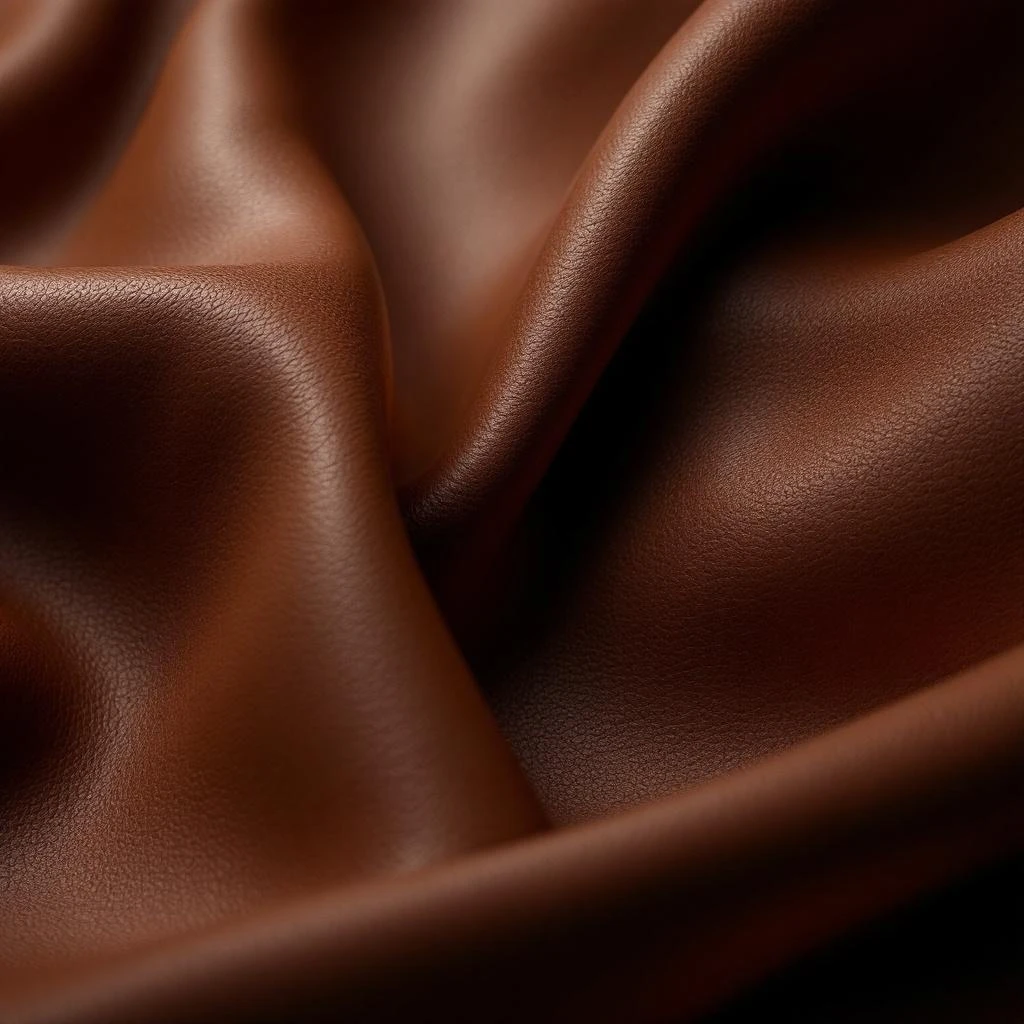
Tobacco absolute brings warm, multifaceted richness to fragrances as a base note. Derived from cured Nicotiana tabacum leaves, its profile blends sweet hay, leather, and dried fruit into compositions that linger and deepen over hours. Regulations restricting nicotine content mean perfumers use this potent material sparingly, yet its sensory impact remains unmatched for creating sensual, memorable dry-downs.
Character
How it smells
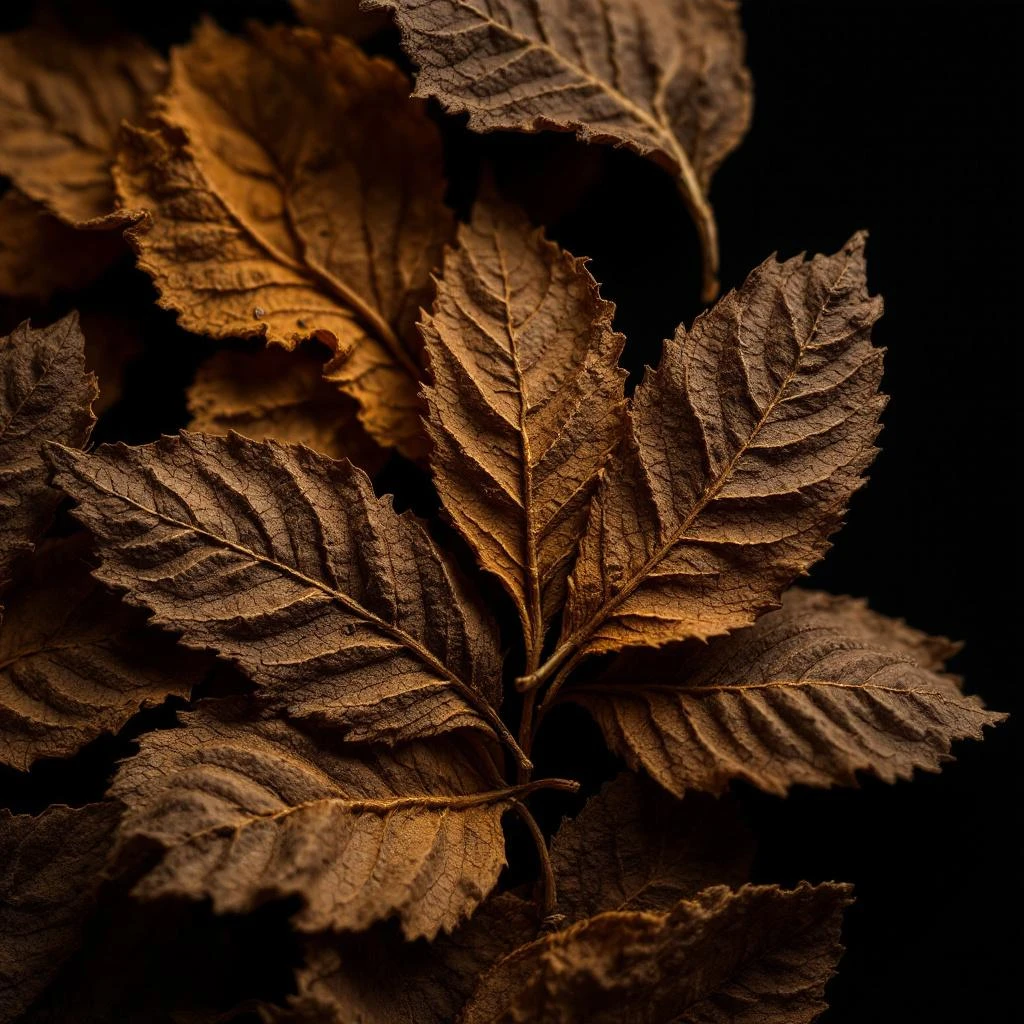
Ancient ritual smoke rendered into olfactory luxury, anchoring compositions with lingering warmth.
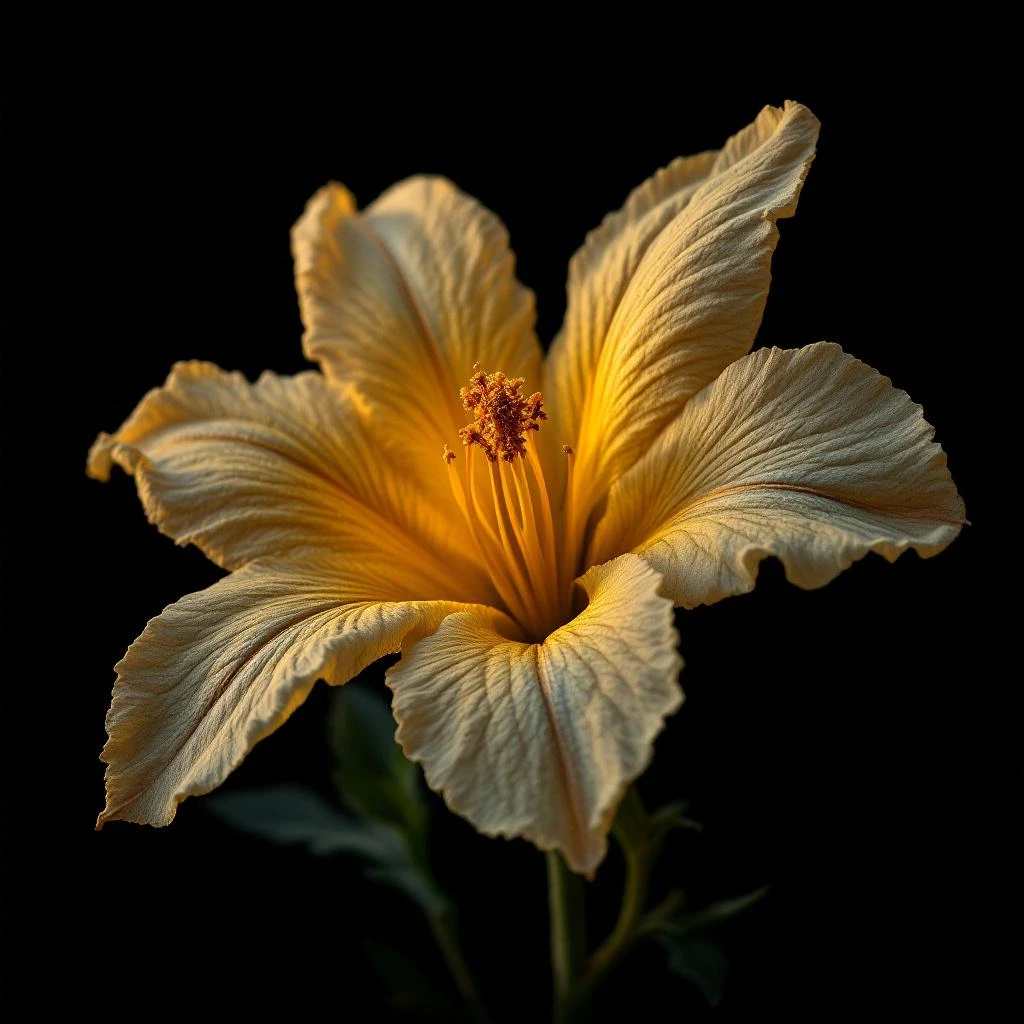
A single tobacco leaf contains over 4,000 chemical compounds, yet perfumers use only the carefully extracted absolute, which retains trace amounts of nicotine.






Origin
France
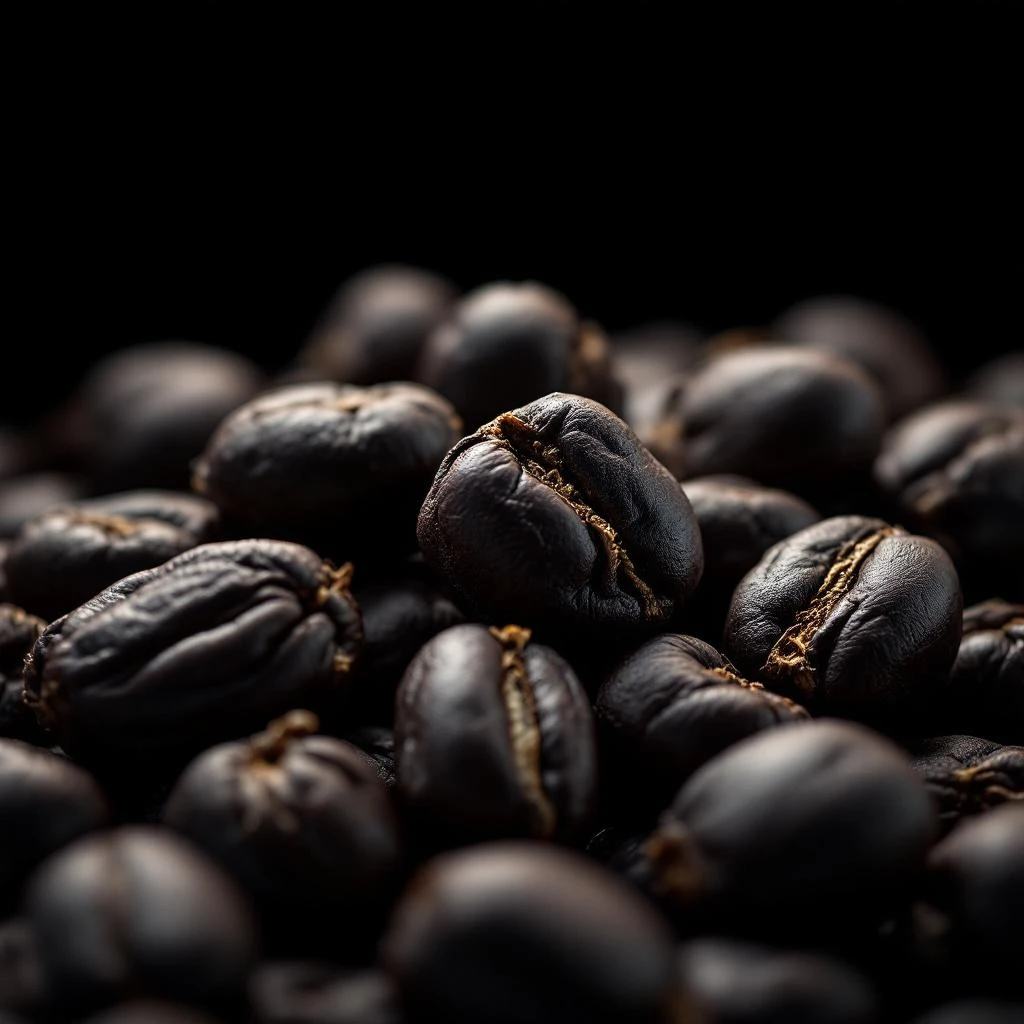
Tobacco traces its perfumery lineage to indigenous cultures of the Americas, where Nicotiana tabacum held ceremonial and medicinal significance for thousands of years before European contact. Spanish explorers first documented tobacco use among native populations in the late 15th century, and the plant reached European shores by the mid-1500s.
Initially consumed through smoking, snuff, and chewing, tobacco spread rapidly across the continent as both a luxury commodity and a supposed cure-all remedy. The aromatic richness of burning tobacco leaves did not escape notice, and perfumers began experimenting with tobacco as a fragrance material by the 17th century.
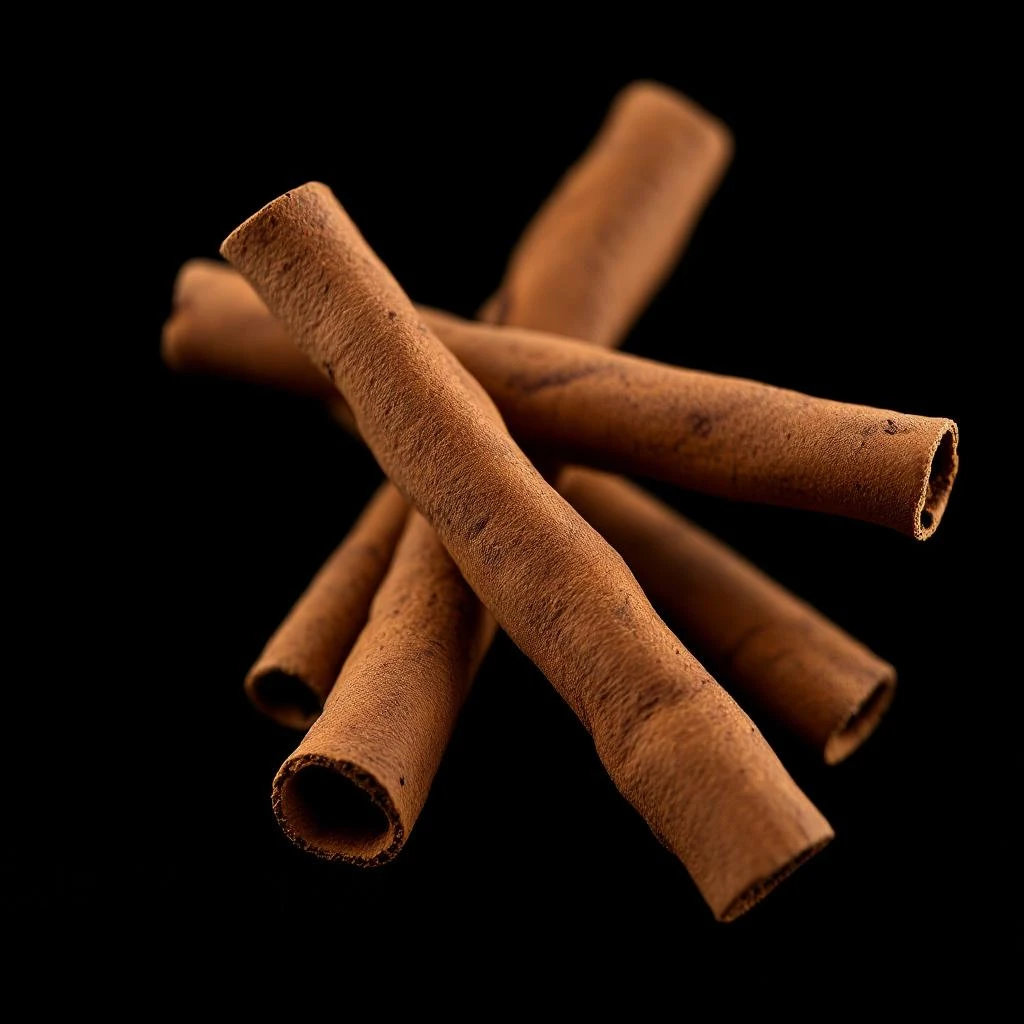
European tobacco cultivation expanded dramatically during this period, with production centers emerging in the Mediterranean region. Today, while tobacco for smoking faces declining social acceptance, its aromatic derivatives continue serving perfumery, where the same qualities that made burning tobacco leaves captivating, warm, resinous, and deeply complex, now enrich fragrance compositions worldwide.
Wears it best
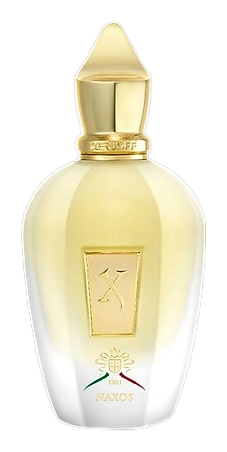
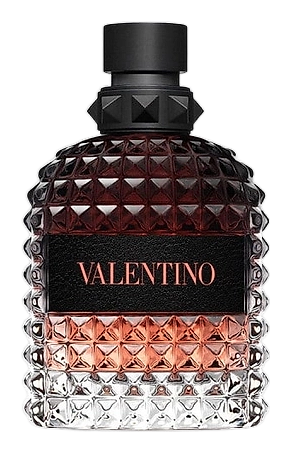
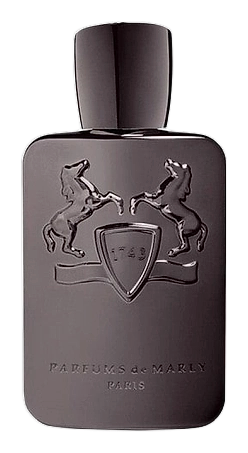
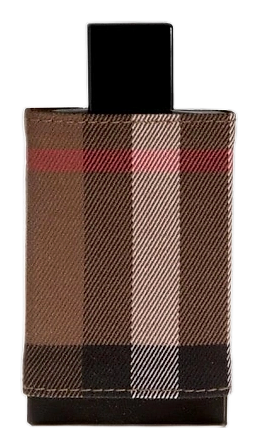
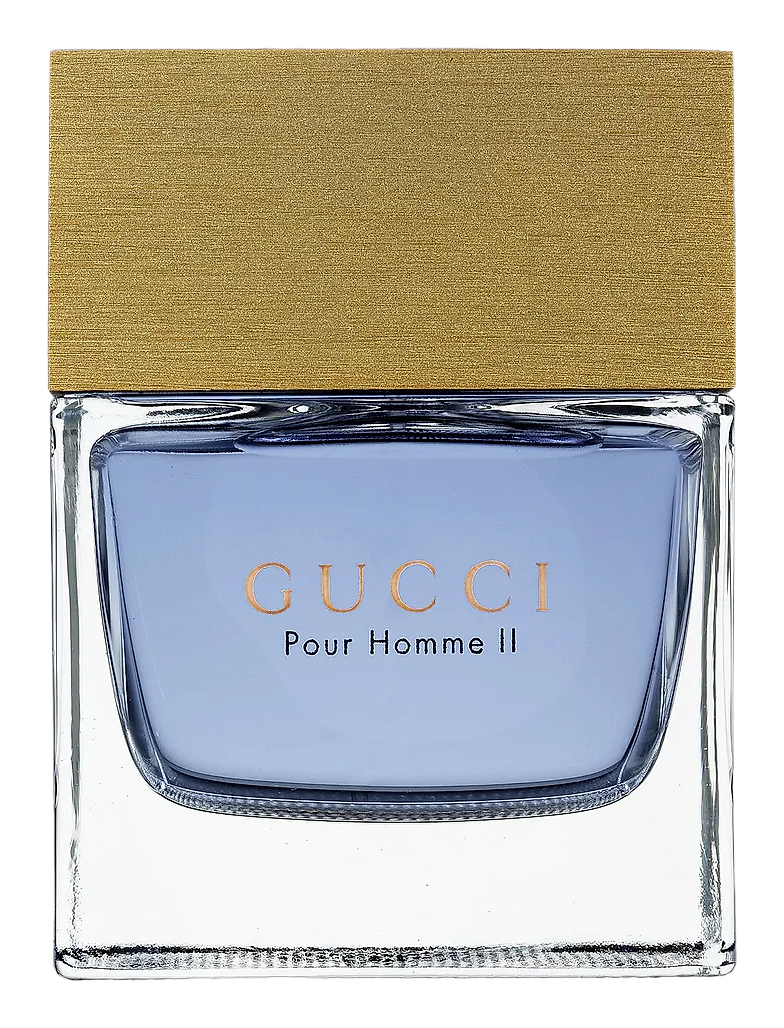
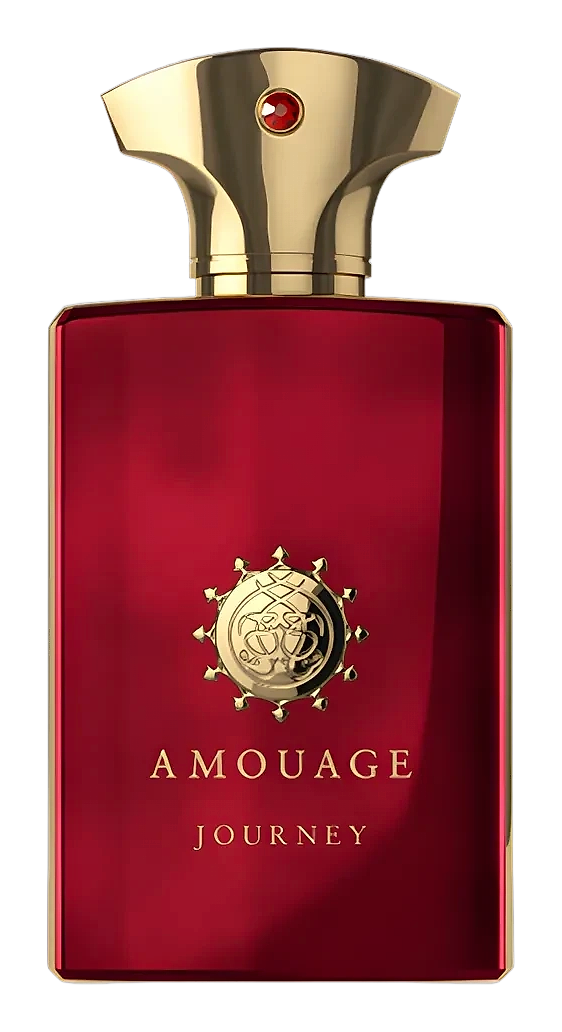
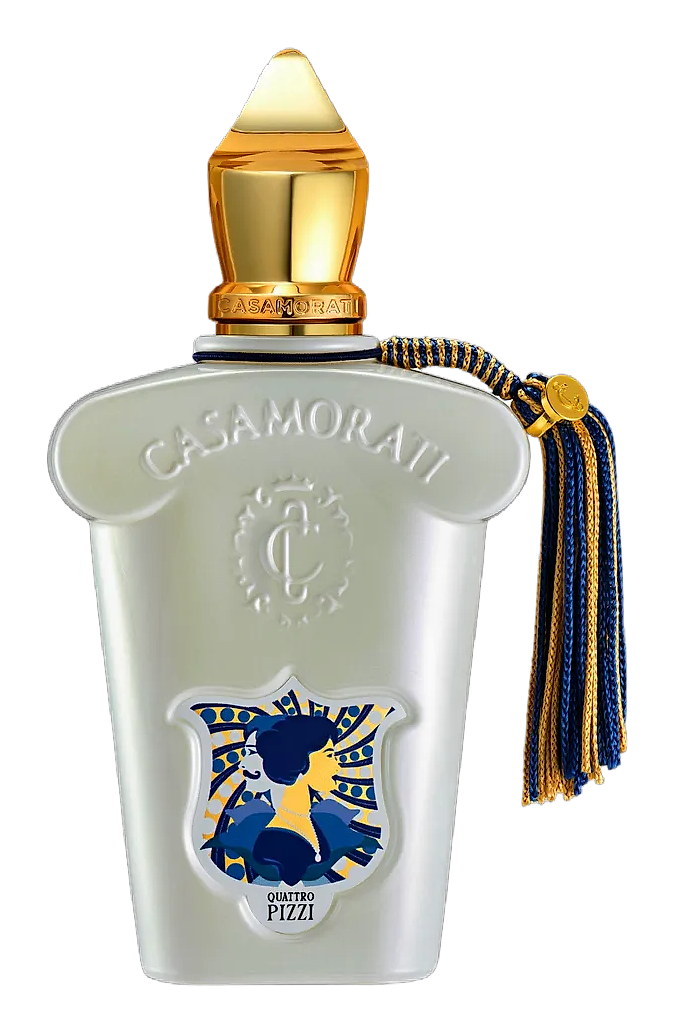
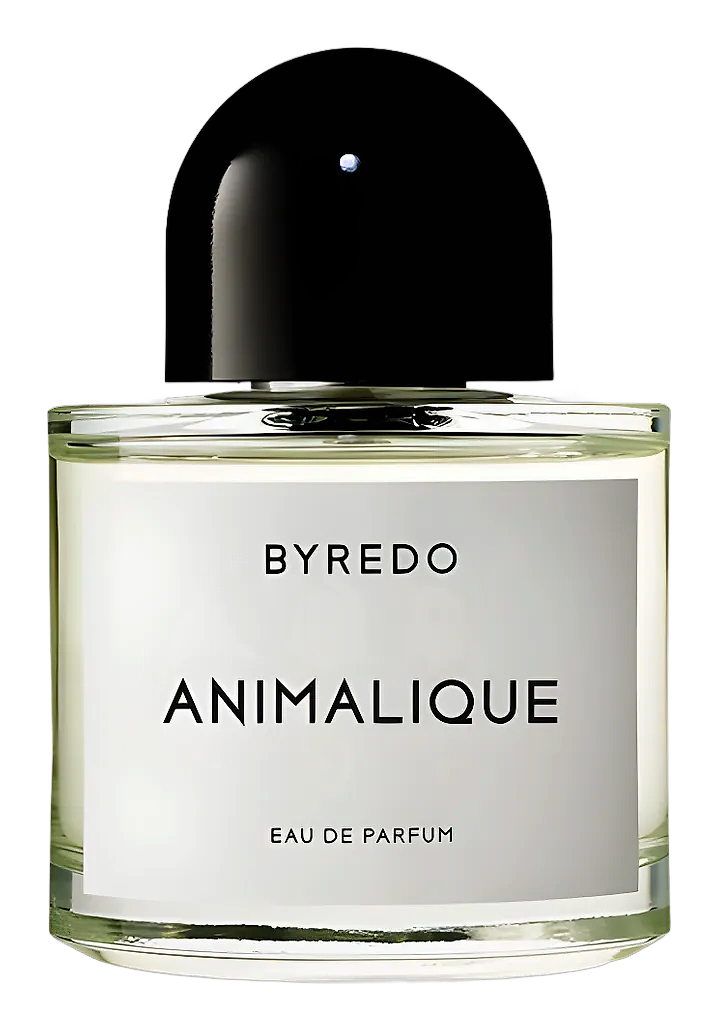
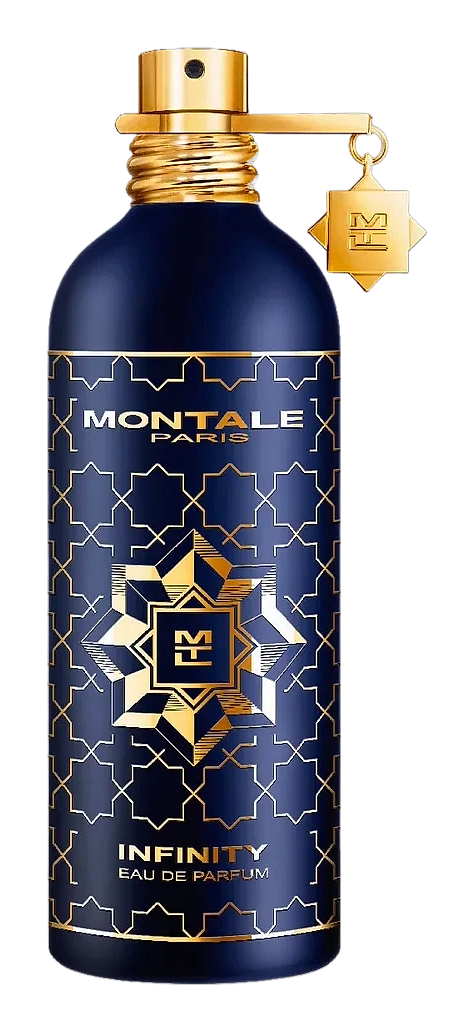
Fragrances featuring Tobacco Leaf



Good to know
Questions, answered
The essentials on Tobacco Leaf in perfumery: how it smells, where it comes from, and how it behaves on skin.
What does Tobacco Leaf smell like in perfume?
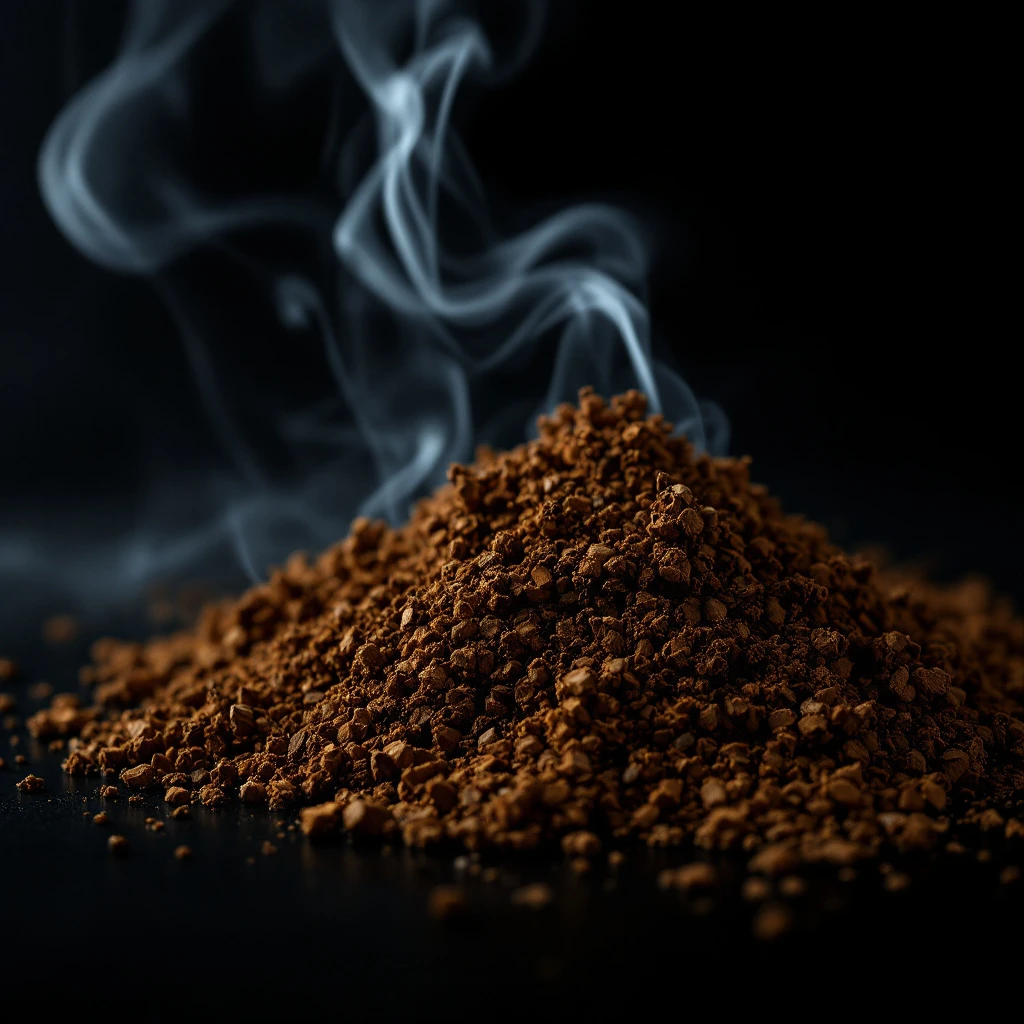
Tobacco absolute delivers a warm, honeyed scent combining sweet hay, dried fruit, and leather. The cured leaf material adds a distinctive smokiness and resinous depth that evolves throughout the dry-down. No single descriptor captures its complexity, which is why perfumers prize it for adding nuanced, long-lasting character to compositions.
Why is Tobacco Leaf used in perfumery?
Perfumery uses tobacco absolute primarily as a base note to add remarkable depth and longevity to fragrances. The material creates warm, sensual dry-downs that develop for hours on skin. Estimates suggest over 40 percent of premium masculine fragrances contain tobacco or tobacco-like accords for this grounding effect.
Is Tobacco Leaf in perfume natural or synthetic?
Natural tobacco absolute dominates high-end perfumery, derived from cured Nicotiana tabacum leaves via solvent extraction. Synthetic alternatives exist and replicate certain tobacco aroma molecules, yet they cannot match the full complexity of natural absolute. Lab-created tobacco bases typically appear in mid-market fragrances where cost efficiency matters more than olfactory depth.
What famous perfumes contain Tobacco Leaf?
Tobacco appears in countless signature fragrances across houses. Tom Ford Tobacco Vanille pairs tobacco absolute with warm vanilla and spices. Creed Royal Oud incorporates tobacco for richness in its woody composition. Maison Francis Kurkdjian Absolute Pour Homme features tobacco absolute alongside amber and cedar. The note remains particularly common in masculine niche releases from the 1990s onward.
Is Tobacco Leaf a top note, heart note, or base note?
Tobacco absolute functions almost exclusively as a base note in perfumery. Its large molecular structure means the scent emerges slowly, developing fully only after lighter top and heart notes dissipate. On skin, tobacco base notes typically become detectable within 30 to 60 minutes and can persist for 8 hours or longer depending on concentration and chemistry.
What notes pair well with Tobacco Leaf in perfume?
Vanilla, tonka bean, and benzoin amplify tobacco absolute sweetness while maintaining warmth. Woody materials like sandalwood, cedar, and oud provide structure and contrast. Spices such as cardamom, pink pepper, and saffron add brightness without overwhelming the tobacco. For a darker interpretation, pair with leather, immortelle, or birch tar.
How is Tobacco Leaf extracted?
Tobacco leaves undergo solvent extraction starting with petroleum ether or hexane washes that pull aromatic compounds into a concrete. This concrete gets washed with alcohol to remove蜡状物 and isolate the absolute. The resulting liquid is thick, dark brown, and contains trace nicotine, which is why international fragrance regulations cap usage concentrations.
Is Tobacco Leaf used in men's or women's fragrances?
Tobacco absolute appears across masculine, feminine, and unisex fragrances, though it dominates men's and unisex compositions. Modern perfumery has embraced tobacco in feminine contexts, pairing it with florals like jasmine and rose for unexpected warmth. Approximately 65 percent of tobacco-fragrance launches target unisex or masculine markets, though this ratio has narrowed since 2015.