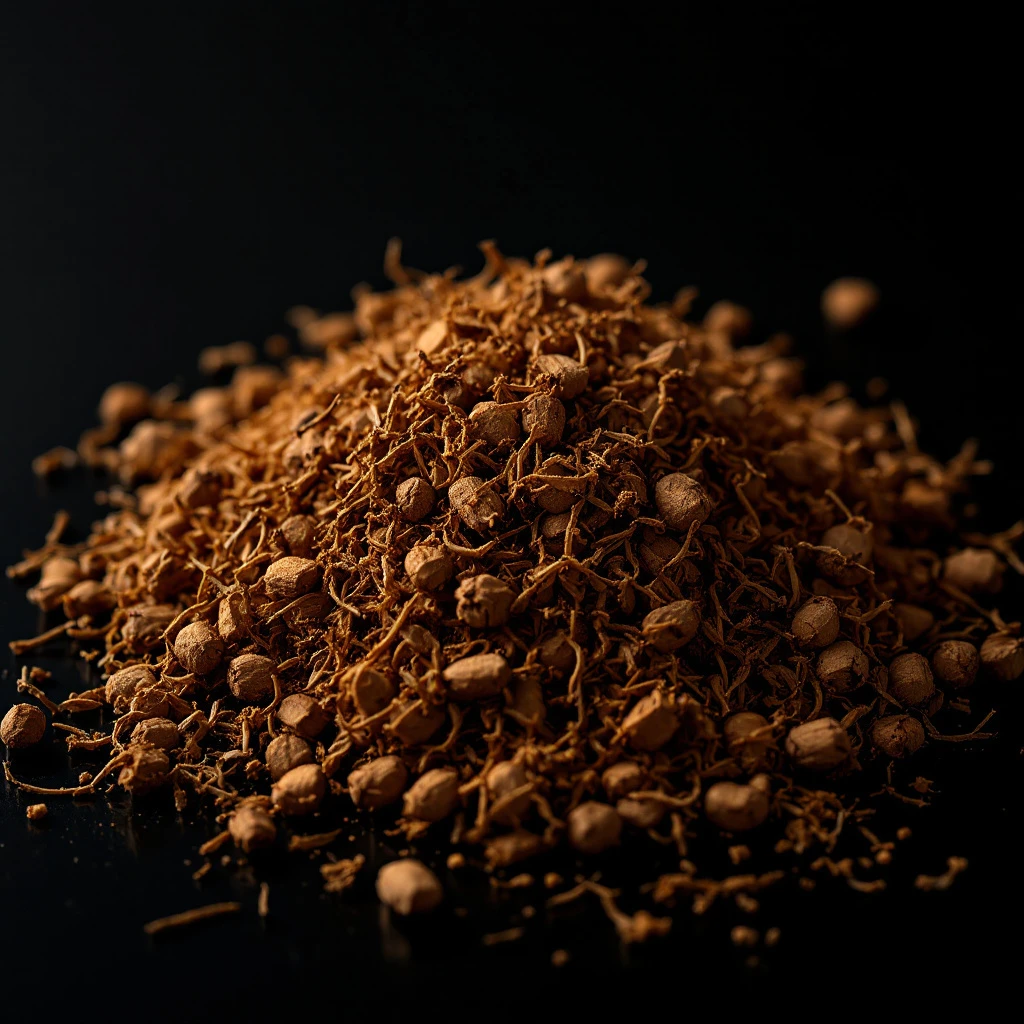
Shisha Tobacco
Shisha tobacco refers to the sweetened, flavored tobacco used in hookahs—known in Arabic as mu'assel, meaning "honeyed." This molasses-infused tobacco creates dense, aromatic clouds that have shaped social traditions across the Middle East for over a century.
Character
How it smells
Smoke, sweetness, and centuries of ritual.
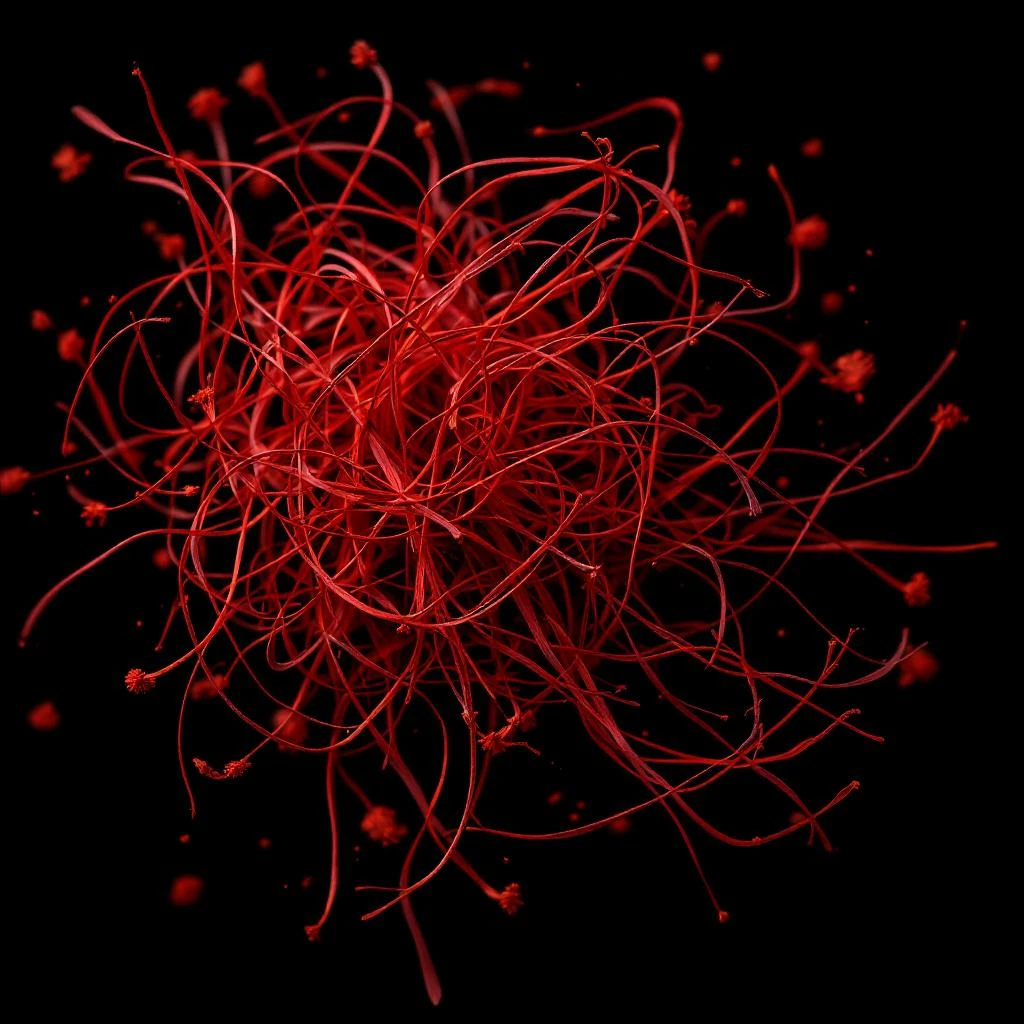
The earliest mu'assel recipes emerged in early 20th-century Egypt—hookah pipes existed for centuries before the sweetened tobacco blend was invented.


Origin
Egypt
The practice of smoking tobacco through water pipes dates back several centuries across the Middle East and South Asia. The sweetened, flavored tobacco known as mu'assel—Arabic for "honeyed"—first appeared in early 20th-century Egypt. This innovation replaced lightly processed tobacco previously used in hookah pipes with a blend containing molasses, vegetable glycerin, and flavorings that produced smoother, more aromatic smoke.
The appeal of flavored tobacco, combined with increased internet availability, rapidly popularized mu'assel worldwide. In many Arab nations, smoking shisha became a significant social custom—a ritual of connection passed through generations. Scientific research has shown that herbal shisha products without tobacco still produce similar smoke composition, containing equal or greater levels of carbon monoxide, nitric oxide, aldehydes, tar, and carcinogenic polycyclic aromatic hydrocarbons.
Wears it best
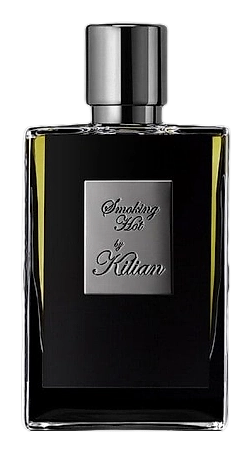
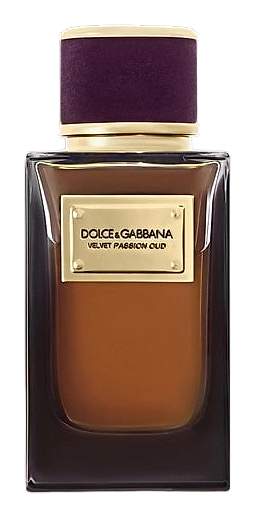
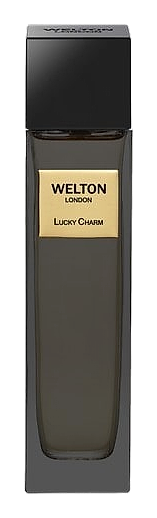
Fragrances featuring Shisha Tobacco

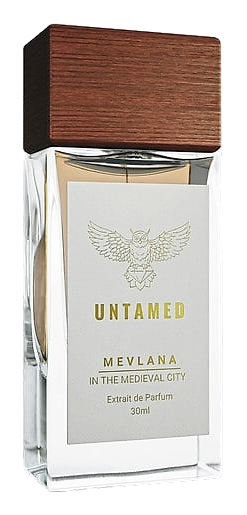
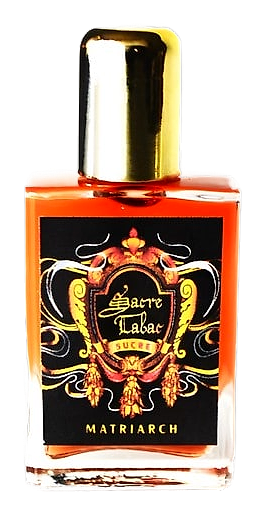
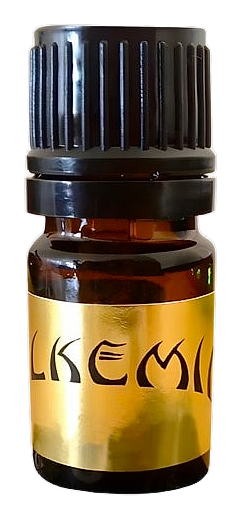
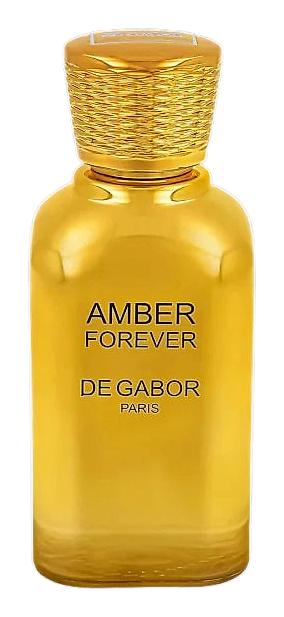
Brands
Brands known for Shisha Tobacco
Good to know
Questions, answered
The essentials on Shisha Tobacco in perfumery: how it smells, where it comes from, and how it behaves on skin.
Is shisha tobacco the same as cigarette tobacco?
Shisha tobacco differs significantly from cigarette tobacco. Shisha uses cured, often washed tobacco leaves mixed with molasses, glycerin, and flavorings, while cigarettes use processed tobacco with additives. Shisha smoking involves passing smoke through water and heating at lower temperatures, producing a different smoking experience.
What makes shisha tobacco sweet?
Molasses and honey provide the primary sweetness in shisha tobacco. Producers add these binding agents along with vegetable glycerin to create the characteristic moist, sweet mixture. Natural fruit extracts or food-grade flavorings then enhance the sweetness and aroma profiles.
Why does shisha smoke produce thick clouds?
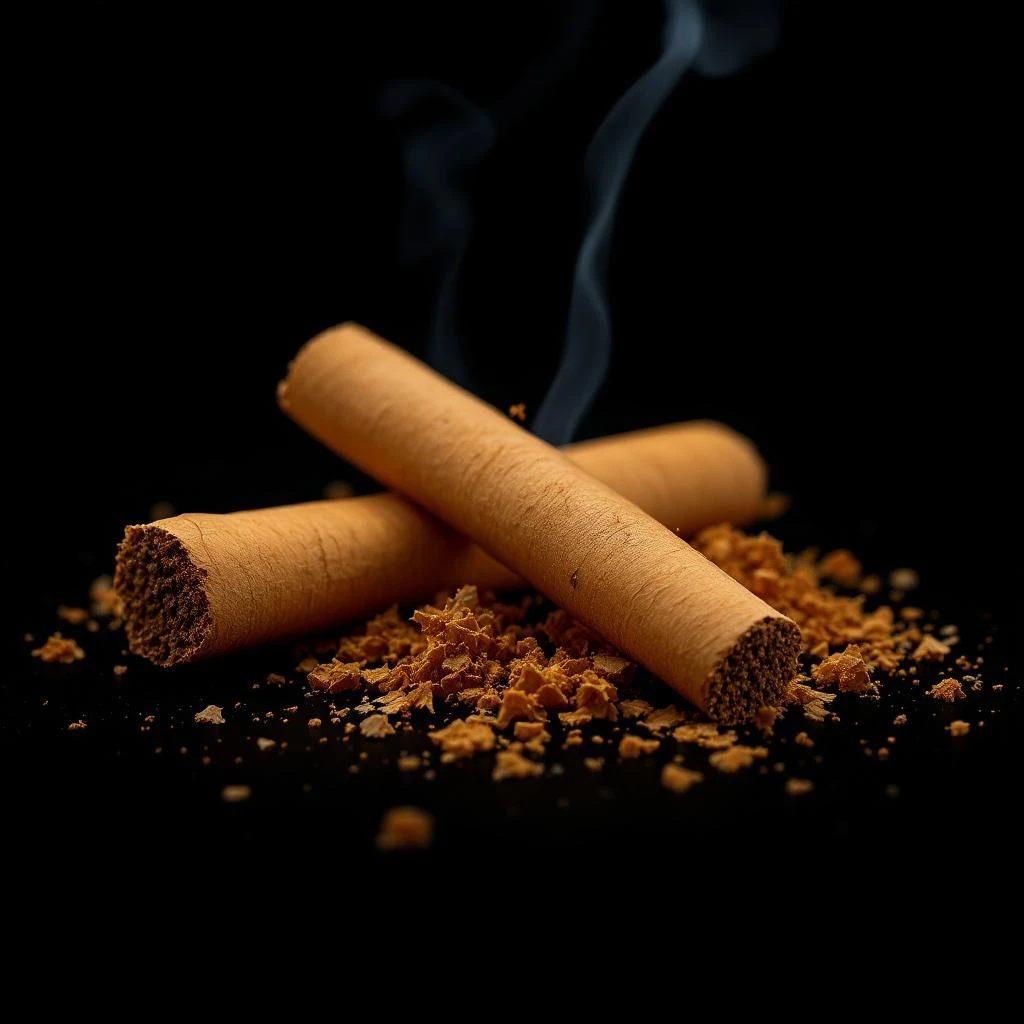
Vegetable glycerin produces those thick, visible clouds when heated. Shisha tobacco typically contains glycerin as a main ingredient, which boils at approximately 290 degrees Celsius and carries flavor compounds in a dense white aerosol vapor. The water pipe setup also filters and cools the smoke, increasing cloud density.
Is tobacco absolute used in perfumery?
Perfumers extract tobacco absolute through solvent extraction and reduce nicotine content during processing. However, many perfumers construct tobacco accords using spices, florals, resins, fruits, liquors, and aroma chemicals instead of the absolute itself, creating complex tobacco-like notes through blending.
What is the origin of flavored hookah tobacco?
Flavored hookah tobacco originated in early 20th-century Egypt with mu'assel—meaning honeyed—a sweetened tobacco blend containing molasses, glycerin, and flavorings. Before this innovation, hookah pipes contained only lightly processed tobacco. The new formulation quickly spread across the Middle East and beyond.
What determines tobacco leaf quality in shisha?
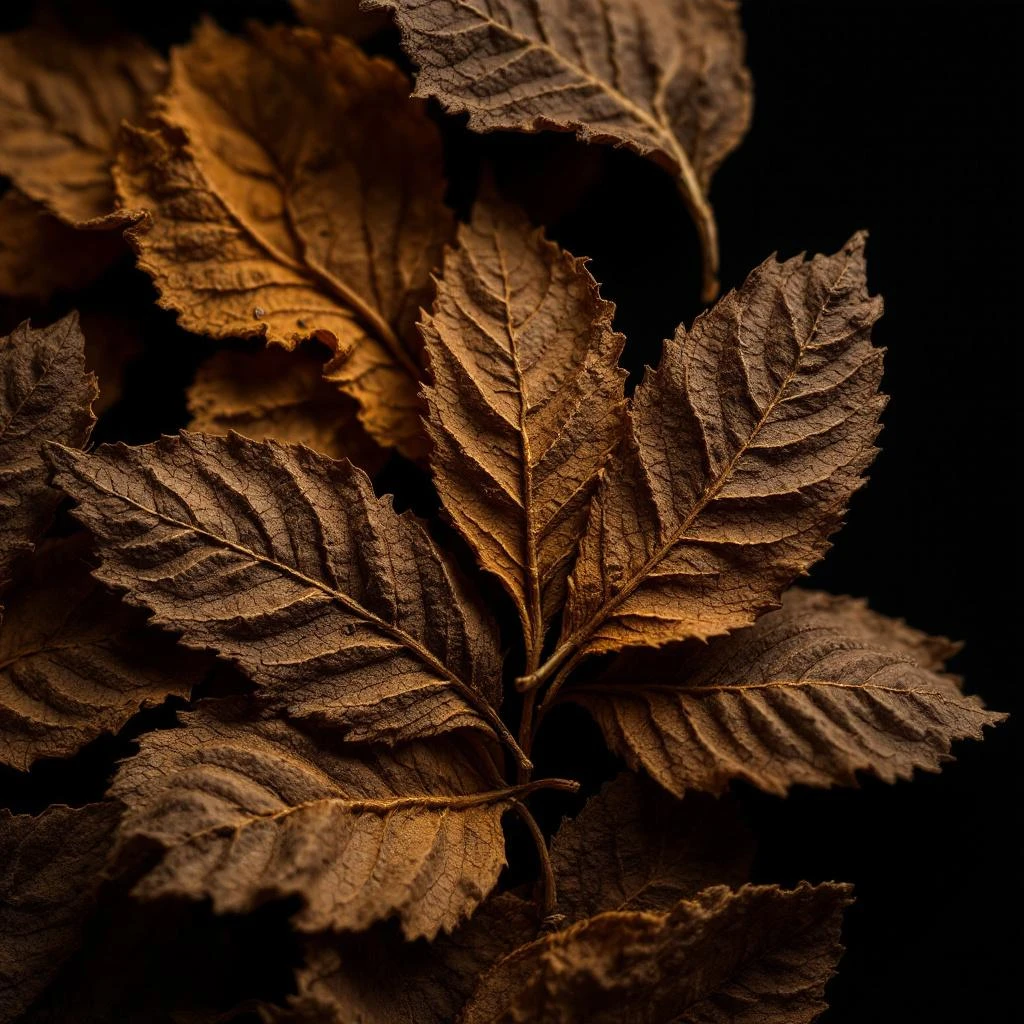
Burley air-cured tobacco forms the standard base for dark shisha varieties. This leaf undergoes air-drying in open barns for several weeks, developing low sugar content and high nicotine absorption capacity. Unwashed leaves retain natural nicotine and tars, producing robust, earthy tobacco notes.
Does herbal shisha differ from tobacco shisha?
Herbal shisha substitutes tobacco with fruit extracts, herbs, and flavorings but produces similar smoke composition. Research shows herbal shisha contains equal or greater levels of carbon monoxide, nitric oxide, aldehydes, tar, and carcinogenic polycyclic aromatic hydrocarbons as tobacco-containing smoke.
How does the washing process affect tobacco leaves?
The washing process extracts alkaloids and significantly reduces nicotine content. Single washing creates a milder tobacco character suitable for flavored blends. Double washing removes nearly all tobacco flavor for ultra-blonde leaves, creating a neutral base. Unwashed leaves preserve natural nicotine and tars for heavy, robust blends.