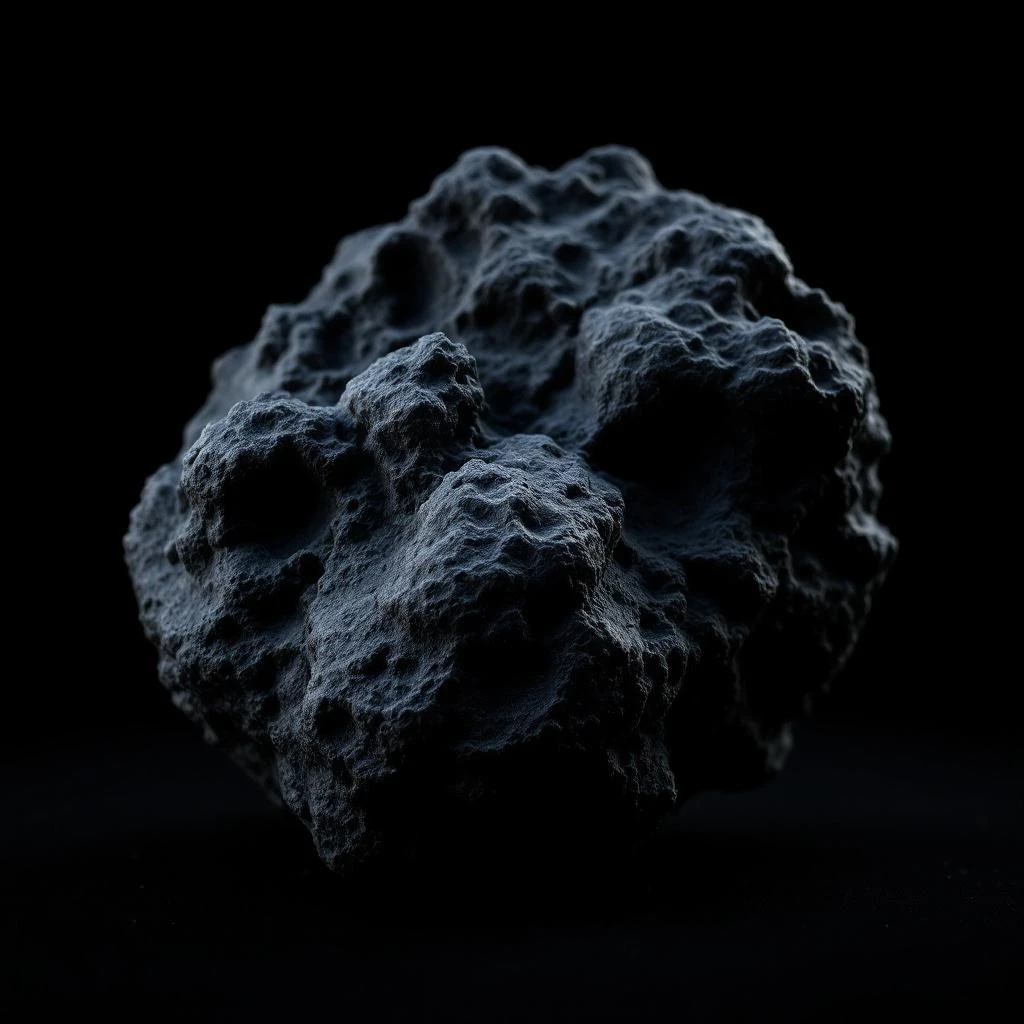
Tibetan Deer Musk
Tibetan Deer Musk is one of perfumery's rarest and most storied ingredients. Harvested from the musk gland of the endangered Tibetan musk deer, it carries a warm, primal scent prized as the ultimate fixative for over a thousand years.
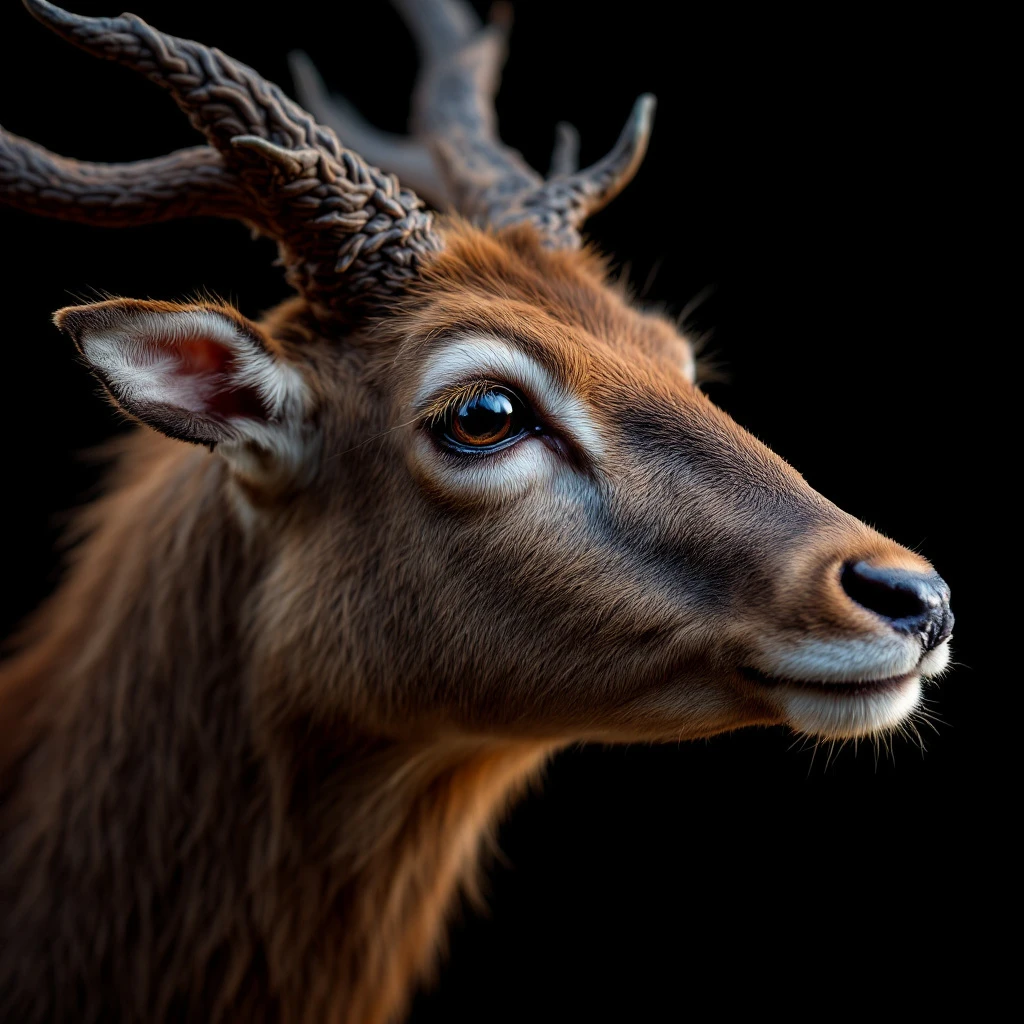
Character
How it smells
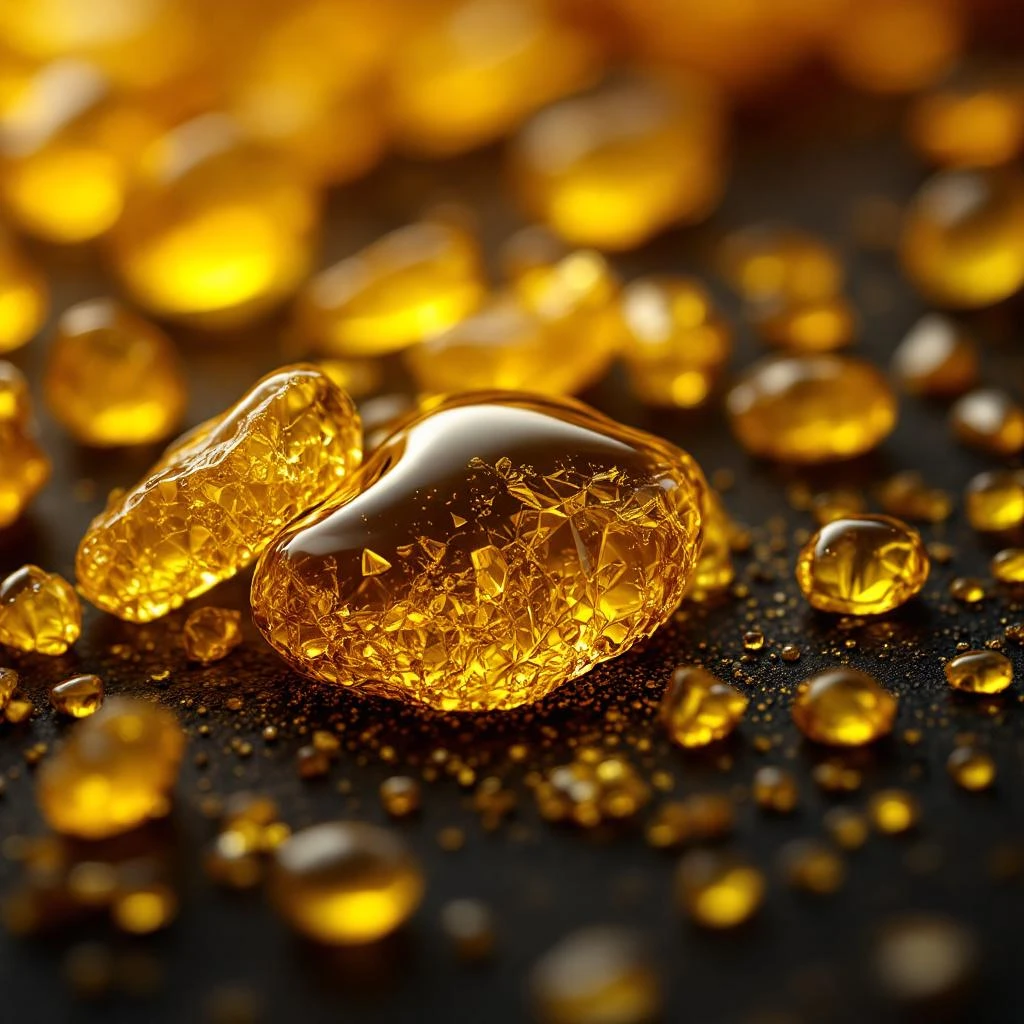
The ancient gold of perfumery
A single Tibetan musk deer yields only about 25 grams of musk, which made it historically worth more per gram than gold in trade routes across Asia.
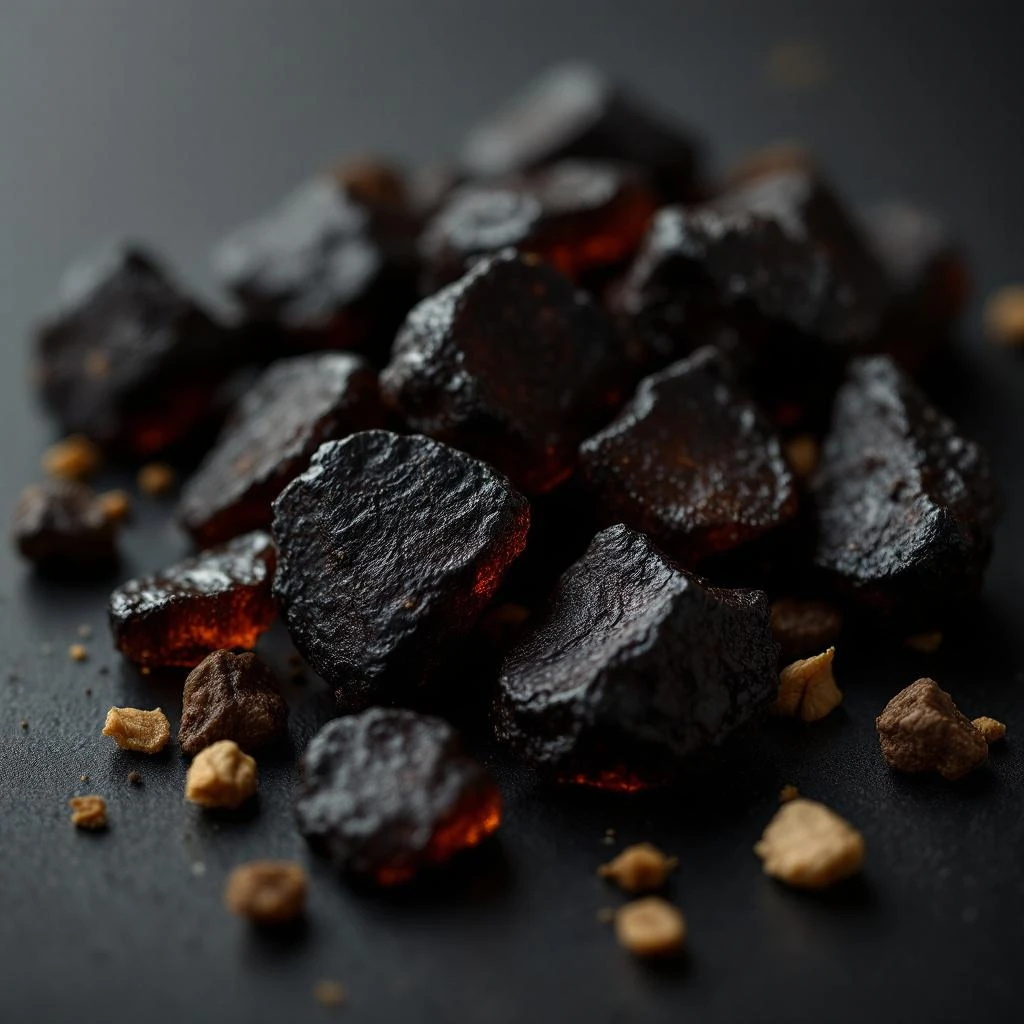
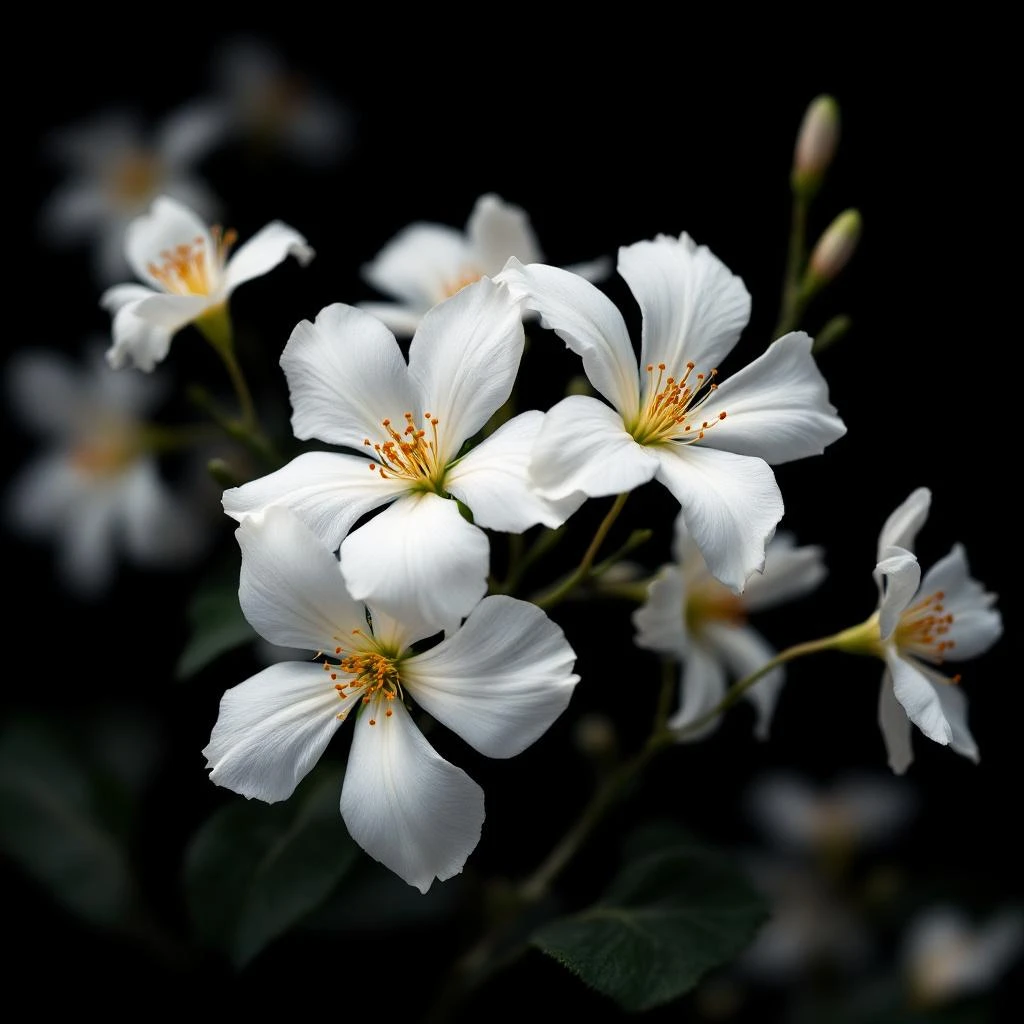
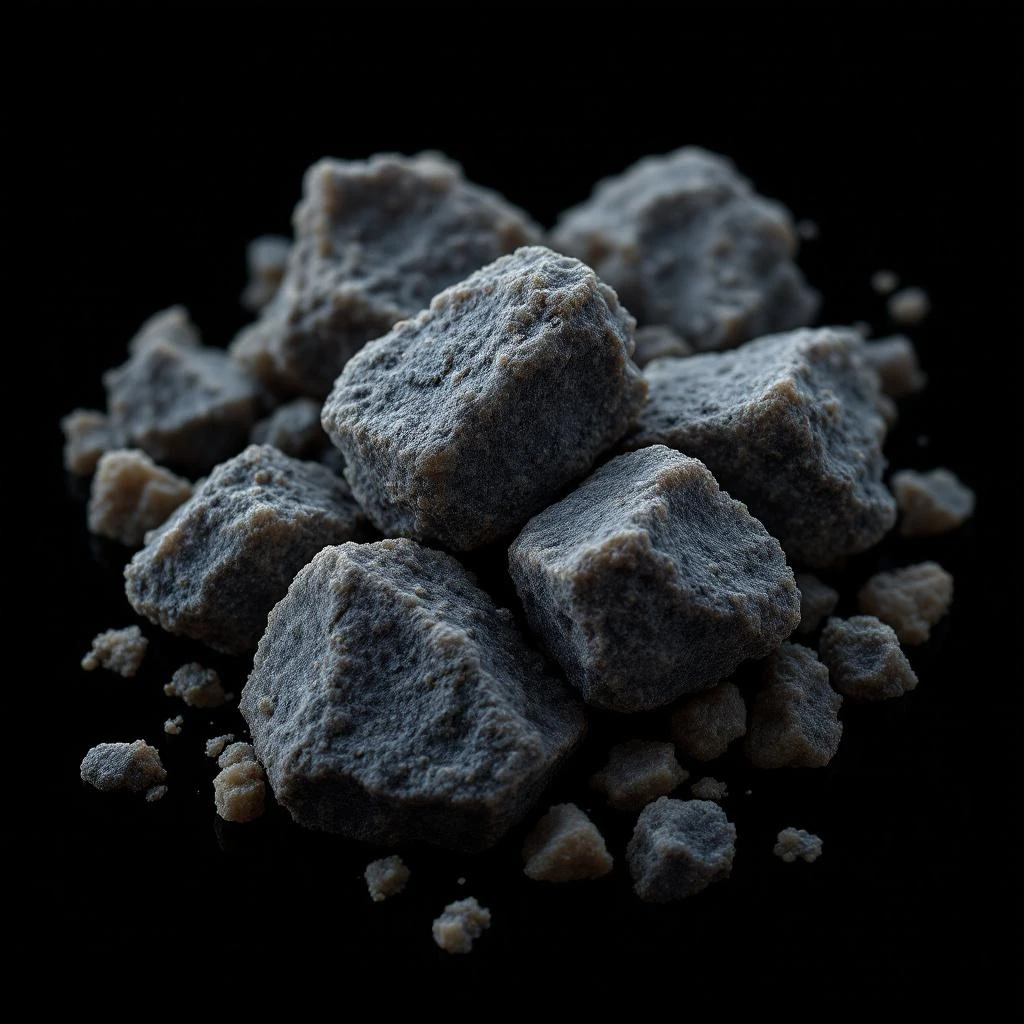
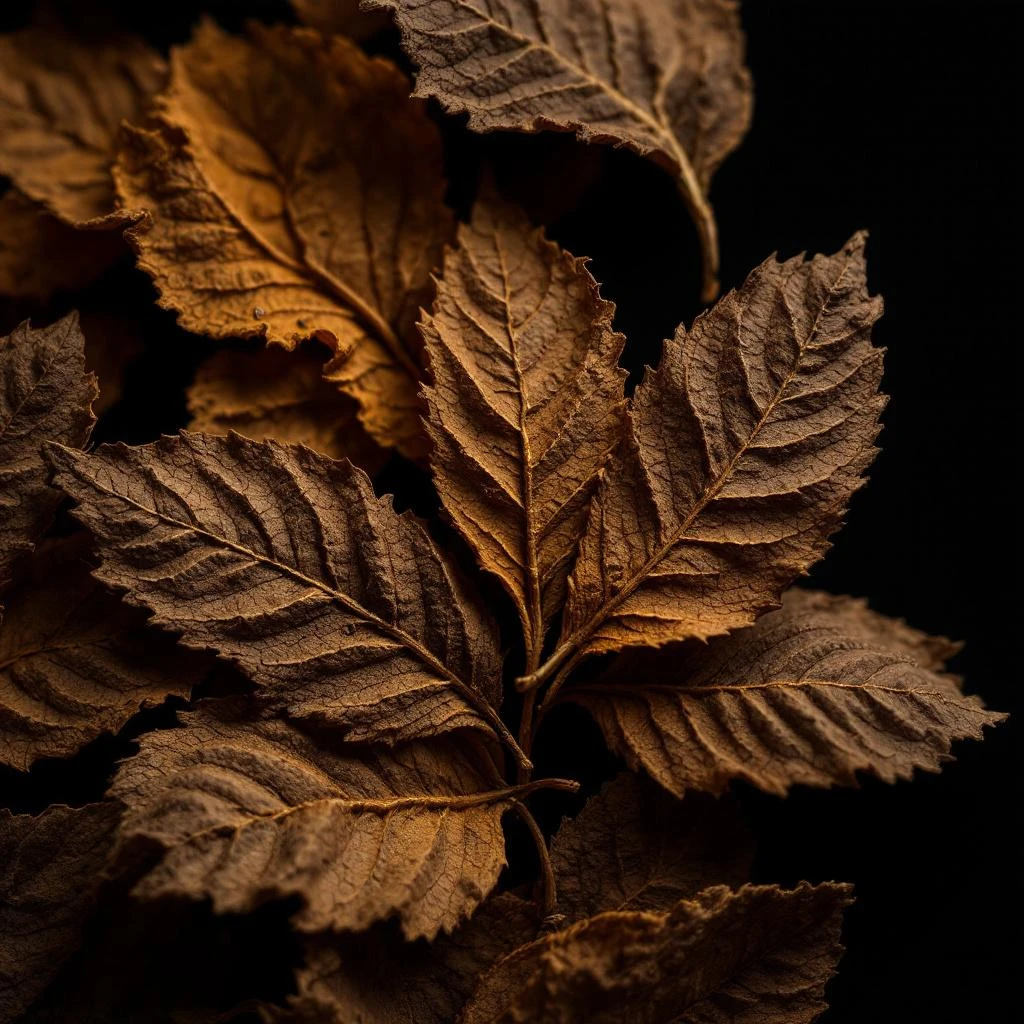
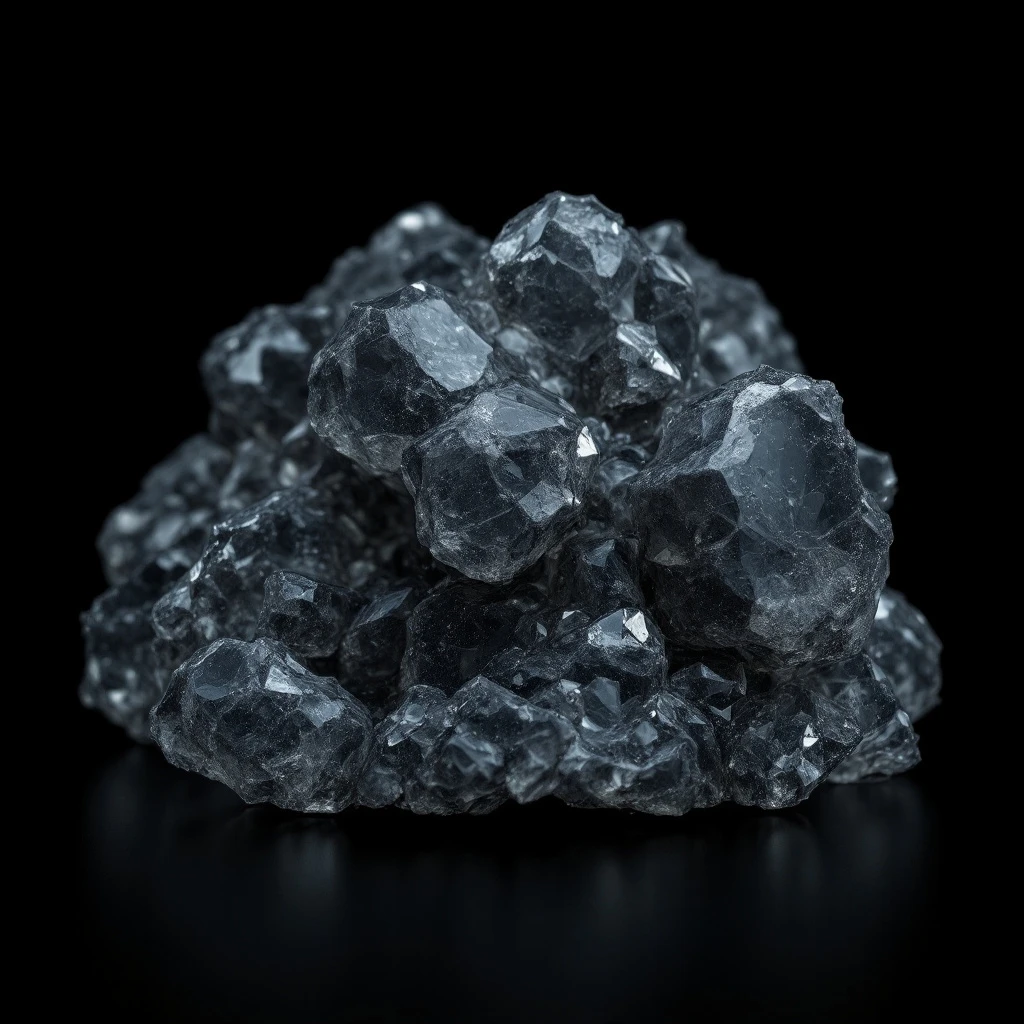
Origin
Tibetan Plateau (China)
The earliest written references to musk appear in Chinese and Tibetan texts over 1,300 years old, where it served as medicine, incense, and royal tribute. The name itself traces from Sanskrit mushka through Persian mushk to Late Greek moskhos, reflecting the ancient Silk Road trade that carried Tibetan musk westward. Tibetan and Chinese physicians prescribed it for cardiac, respiratory, and neurological ailments, while aristocrats burned it as incense in temples and palaces.
By the Tang Dynasty, musk had become a staple of Chinese medicine and perfumery, and it flowed along trade routes to Persia, Arabia, and eventually Europe. Marco Polo noted its value in the 13th century. Demand exploded during the 19th century European perfume boom, pushing the Tibetan musk deer toward extinction.
China listed it as endangered in 1979, and international trade now falls under strict CITES Appendix I protection. Synthetic musks, developed throughout the 20th century, finally replaced natural deer musk in nearly all modern perfumery.
Wears it best
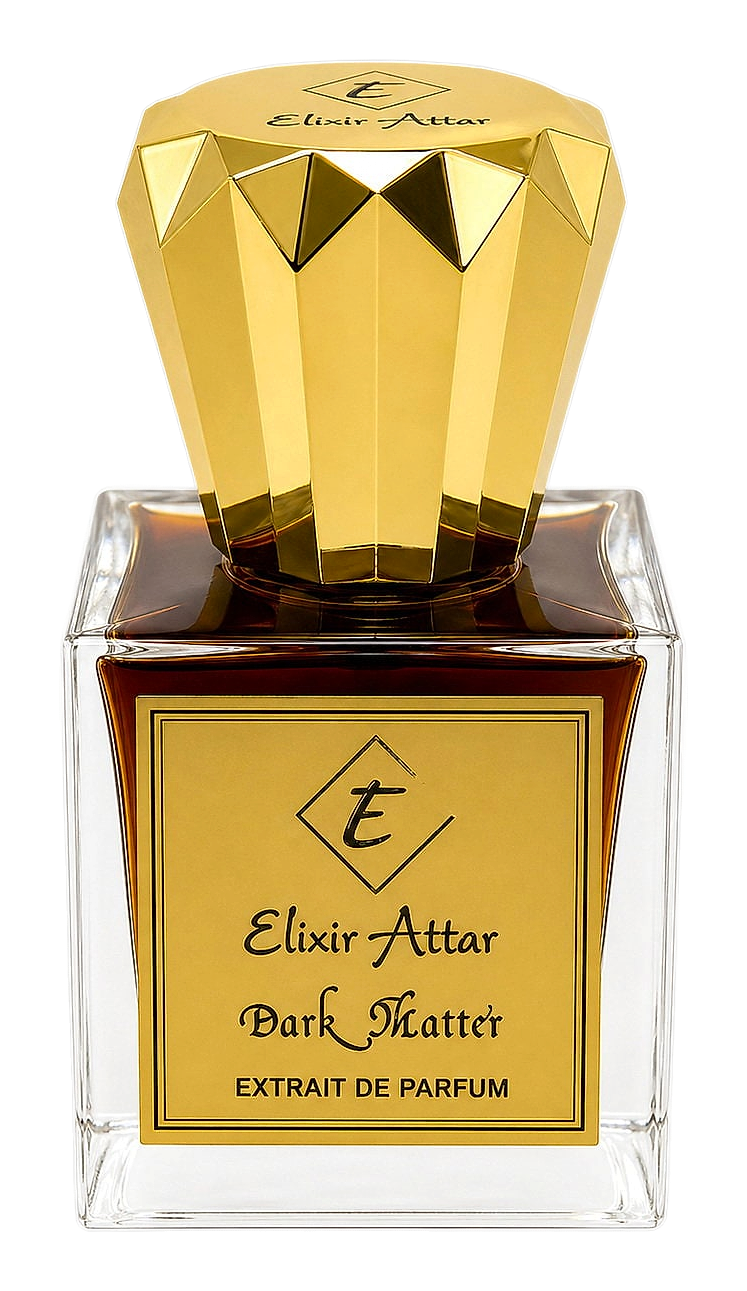
Fragrances featuring Tibetan Deer Musk
Brands
Brands known for Tibetan Deer Musk
Good to know
Questions, answered
The essentials on Tibetan Deer Musk in perfumery: how it smells, where it comes from, and how it behaves on skin.
What does Tibetan Deer Musk smell like?
Natural Tibetan deer musk has a warm, animalic, slightly fecal odor in concentrated form that softens into a clean, skin-like warmth once diluted. Its primary value lies in fixative power, anchoring volatile top notes and making other ingredients last far longer on skin.
Is Tibetan Deer Musk used in modern perfume?
Real Tibetan deer musk is extremely rare in modern commercial perfumery due to CITES Appendix I protections. Nearly all contemporary fragrances use synthetic muscone or white musk substitutes developed to mimic its fixative qualities.
Why was Tibetan Deer Musk so valuable historically?
Its rarity, potency, and unique fixative properties made it worth more than gold by weight along the Silk Road. One deer yielded only about 25 grams, and centuries of intensive hunting nearly drove the species to extinction.
Is the Tibetan musk deer endangered?
Yes. The Tibetan musk deer is listed as endangered, and international commercial trade has been banned under CITES Appendix I since 1979. Wild populations continue to face pressure from poaching and habitat loss.
What is the difference between natural and synthetic musk?
Natural musk contains over 40 aromatic compounds in a complex matrix. Synthetic musks, particularly macrocyclic muscone, replicate one or two key molecules. Synthetics lack the full complexity of natural musk but offer ethical, consistent, and affordable alternatives.
How was musk harvested from the Tibetan deer?
Traditional harvesting required killing the deer and removing its pod-shaped gland, which was dried and tinctured. Today, legal programs in China anesthetize captive deer and extract musk without killing them, though quantities remain minimal.
When was musk first used in perfumery?
Chinese and Tibetan documents over 1,300 years old record musk as incense and medicine. It reached European perfumers through Arab trade routes and became a cornerstone of fine fragrance from the Renaissance onward.
What is muscone?
Muscone is the principal odor molecule in natural deer musk, a macrocyclic ketone first isolated in 1906. Modern perfumery relies on synthetic muscone and related macrocyclic musks as ethical, scalable replacements for the natural ingredient.