Tasmanian Blackcurrant
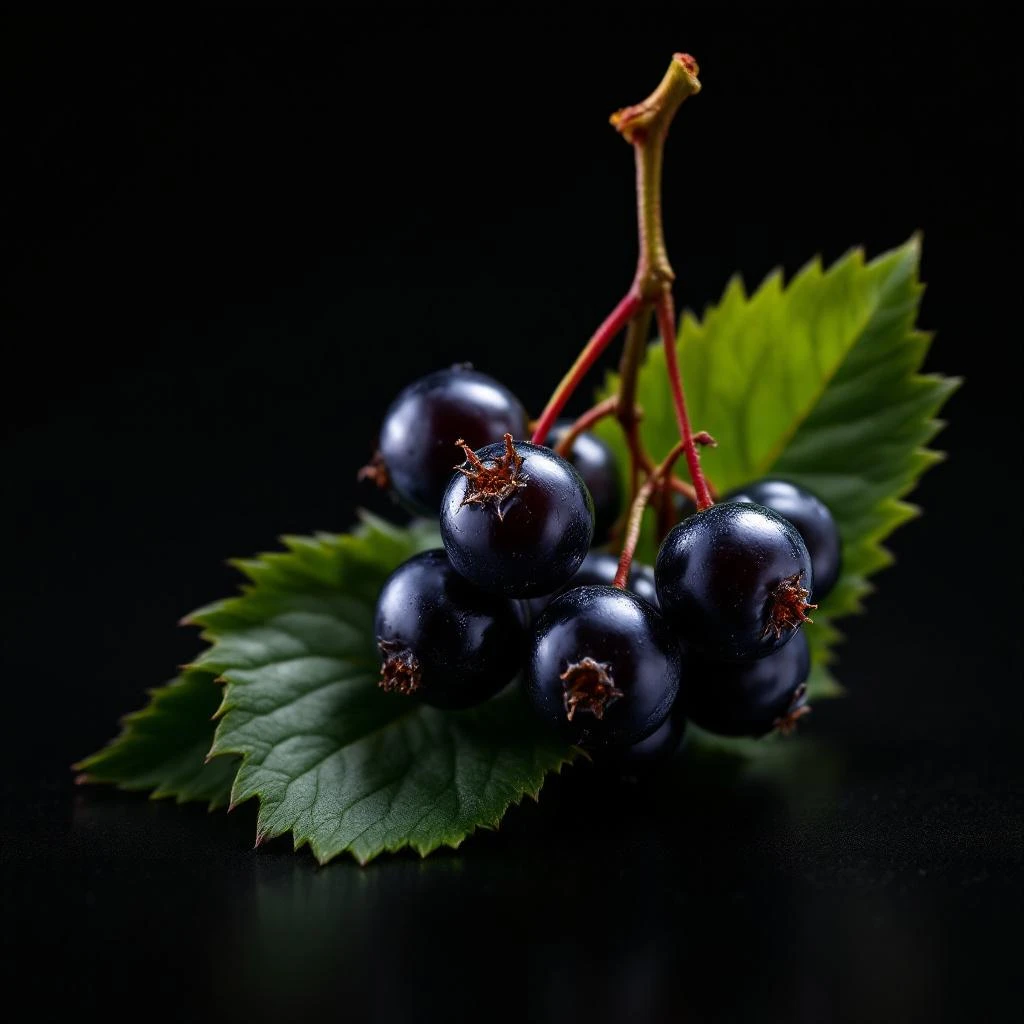
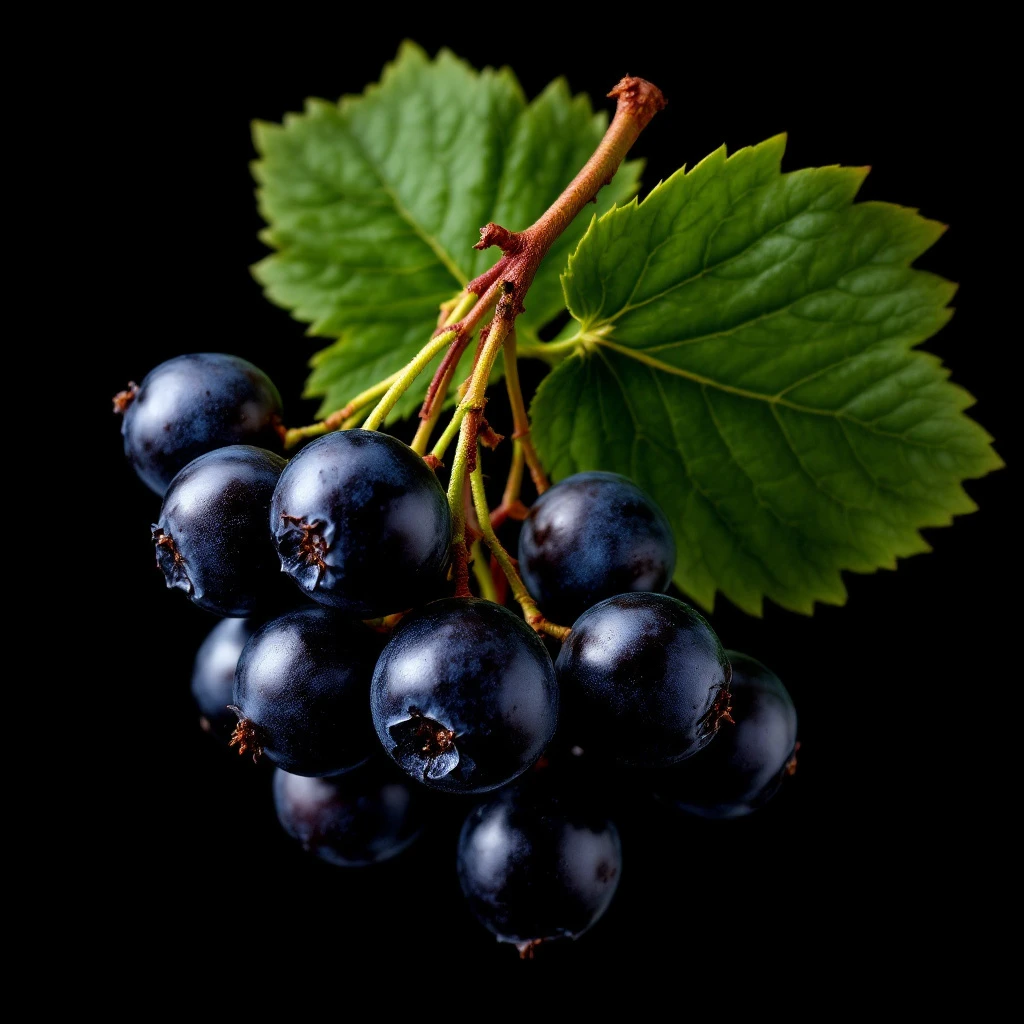
Tasmanian blackcurrant delivers a sharper, wilder cousin of the classic French note. Think jammy dark fruit cut with eucalyptus-leaf coolness, lifted by a slightly musky, cat-like undertone that gives it depth beyond sweetness.
Character
How it smells
Wild dark fruit with a cool, green edge
Tasmanian blackcurrants (Ribes nigrum) thrive in the island's cool maritime climate, producing berries with higher natural acid levels than their French counterparts, which translates to a brighter, more tart aromatic profile.




Origin
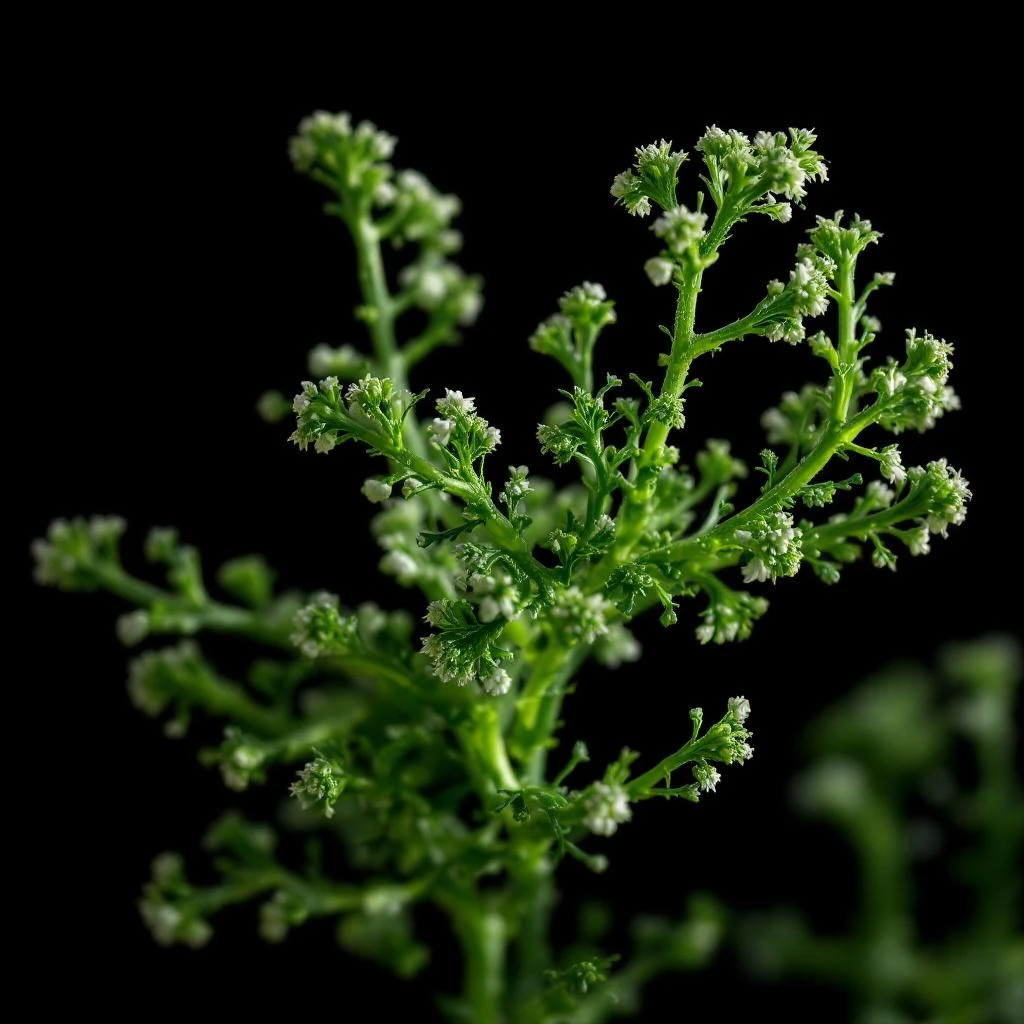
Australia (Tasmania)
The blackcurrant plant, Ribes nigrum, is native to northern Europe and Asia, where its berries have been eaten and its leaves used medicinally for centuries. The plant reached France in the late 16th century, earning the old regional name 'poivrier' for its pungent, pepper-like leaf aroma. Its arrival in Tasmania dates to the early 19th century when British settlers brought cuttings to the colony, and the cool, wet island climate proved ideal for cultivation.
In perfumery, the bud absolute was rarely used before the 1960s, when Guerlain's 1969 launch Chamade brought blackcurrant bud into the spotlight as a modern, sparkling top note. Throughout the 1970s, perfumers explored the ingredient's green, fruity, and slightly animalic facets, often pairing it with florals, woods, and musks. Tasmania emerged as a distinct source during the late 20th century as growers sought regions free from the fungal pressures affecting European crops.
Today, Tasmanian blackcurrant remains a specialty material, prized for its brighter acidity and cleaner green character compared to the deeper, more jam-like French Burgundy bud absolute that still dominates global supply.
Wears it best
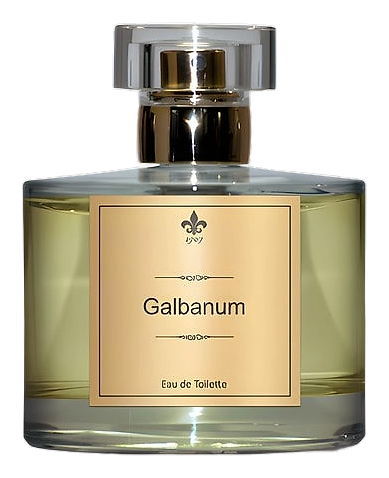
Fragrances featuring Tasmanian Blackcurrant
Brands
Brands known for Tasmanian Blackcurrant
Good to know
Questions, answered
The essentials on Tasmanian Blackcurrant in perfumery: how it smells, where it comes from, and how it behaves on skin.
What does Tasmanian blackcurrant smell like in perfume?
It smells like dark jammy fruit sharpened with green, leafy coolness and a faint musky undertone. Tasmanian material tends to read slightly more tart and less syrupy than French Burgundy bud absolute.
How is Tasmanian blackcurrant extracted for perfumery?
The buds are processed using volatile solvent extraction, typically with hexane, to produce a concrete that is then washed with alcohol to yield an absolute. Steam distillation is possible but captures fewer of the fruity facets.
What is the difference between Tasmanian and French blackcurrant bud?
Approximately 90% of perfumery-grade blackcurrant buds come from Burgundy, France, with a deeper, jam-like profile. Tasmanian buds develop in a cooler maritime climate, yielding a brighter, more acidic and greener character.
When was blackcurrant bud first used in perfumery?
Blackcurrant bud became a notable perfumery ingredient in 1969 with Guerlain's Chamade, and the 1970s saw broader experimentation with its green-fruity facets across fine fragrances.
Is Tasmanian blackcurrant natural or synthetic?
Natural Tasmanian blackcurrant bud absolute exists, but many modern fragrances use synthetic reconstructions, including molecules like beta-Damascenone, to replicate or extend the natural aroma.
What fragrance families feature Tasmanian blackcurrant?
It appears most often in fruity-floral, green, and aromatic compositions, where its sharp berry brightness can cut through heavier base notes like woods, ambers, and musks.
Is Tasmanian blackcurrant safe for skin?
When used at standard perfumery concentrations, blackcurrant bud absolute is generally considered safe. IFRA guidelines regulate usage levels to prevent sensitization in finished products.
Why is Tasmanian blackcurrant rare in perfumery?
Tasmania produces a small share of global bud supply compared to Burgundy, and the absolute's strong green-animalic edge means perfumers use it sparingly, making it a specialty rather than bulk ingredient.