Argentinian Bitter Orange
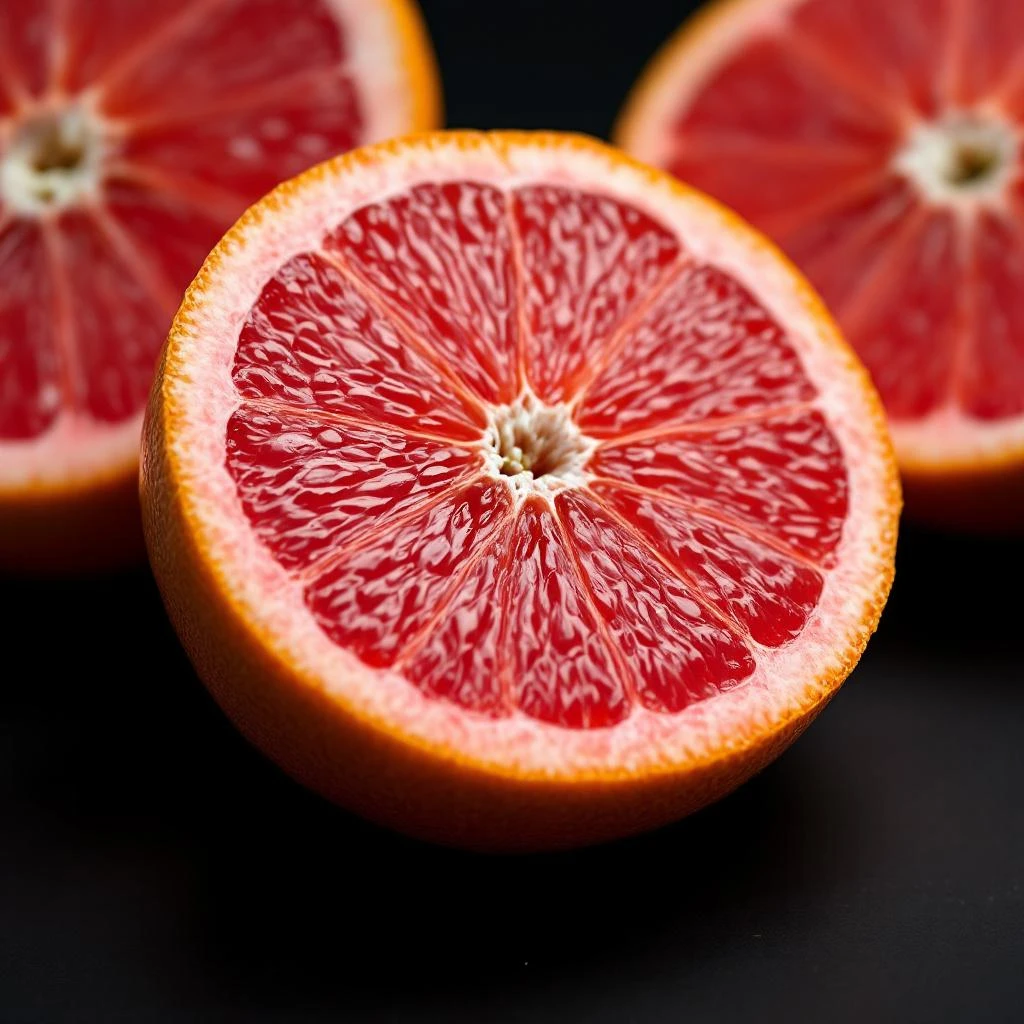
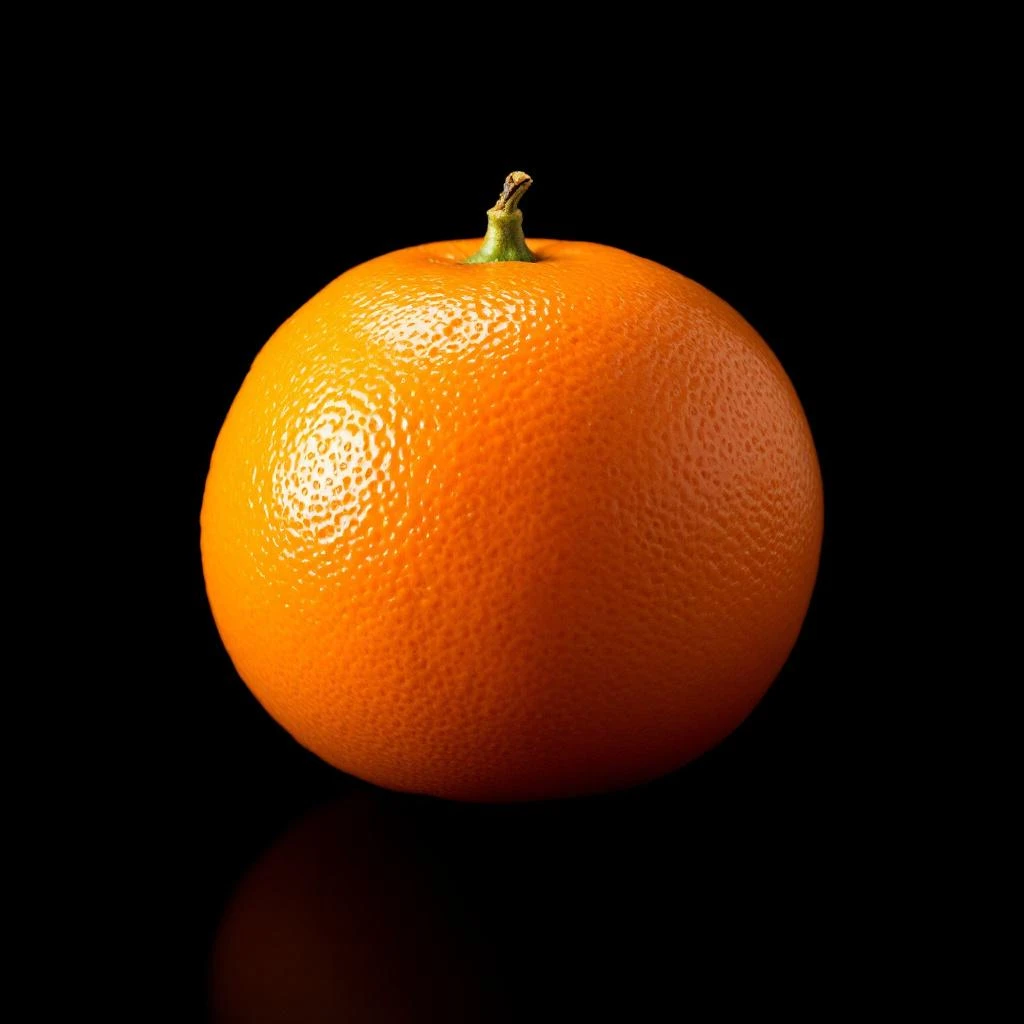
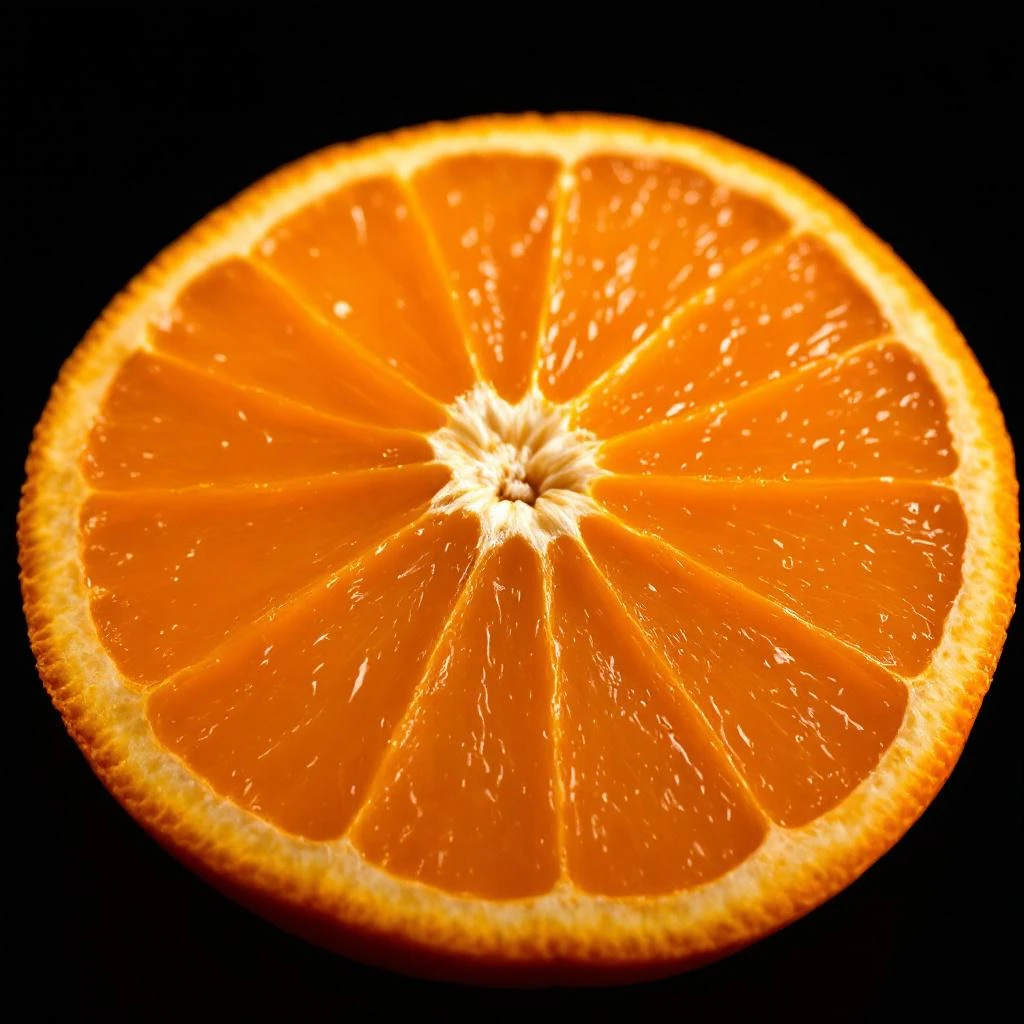
Argentinian Bitter Orange carries the sun-drenched intensity of South American citrus. From the same tree that yields neroli and petitgrain, this ingredient channels the bold, bittersweet character that defines Argentine aromatic tradition.
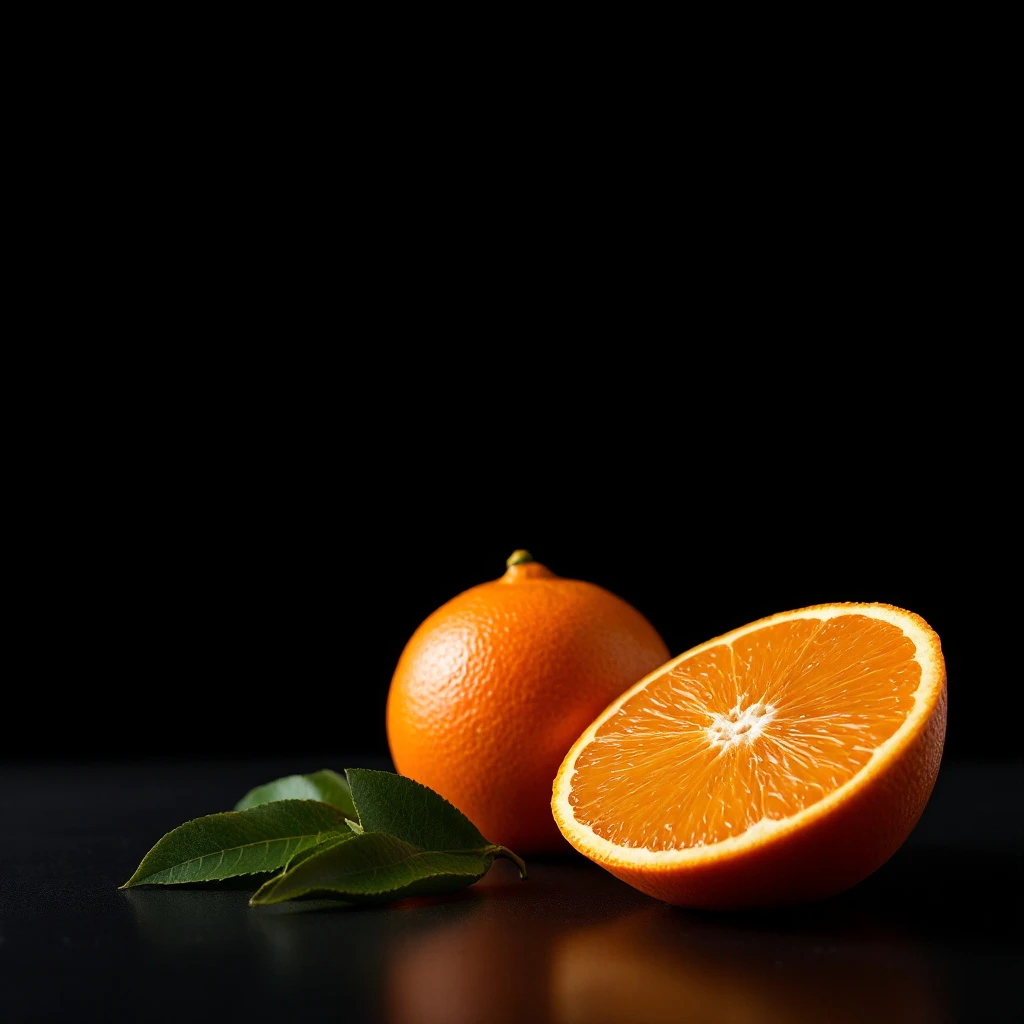
Character
How it smells
South American citrus intensity, distilled from tradition.
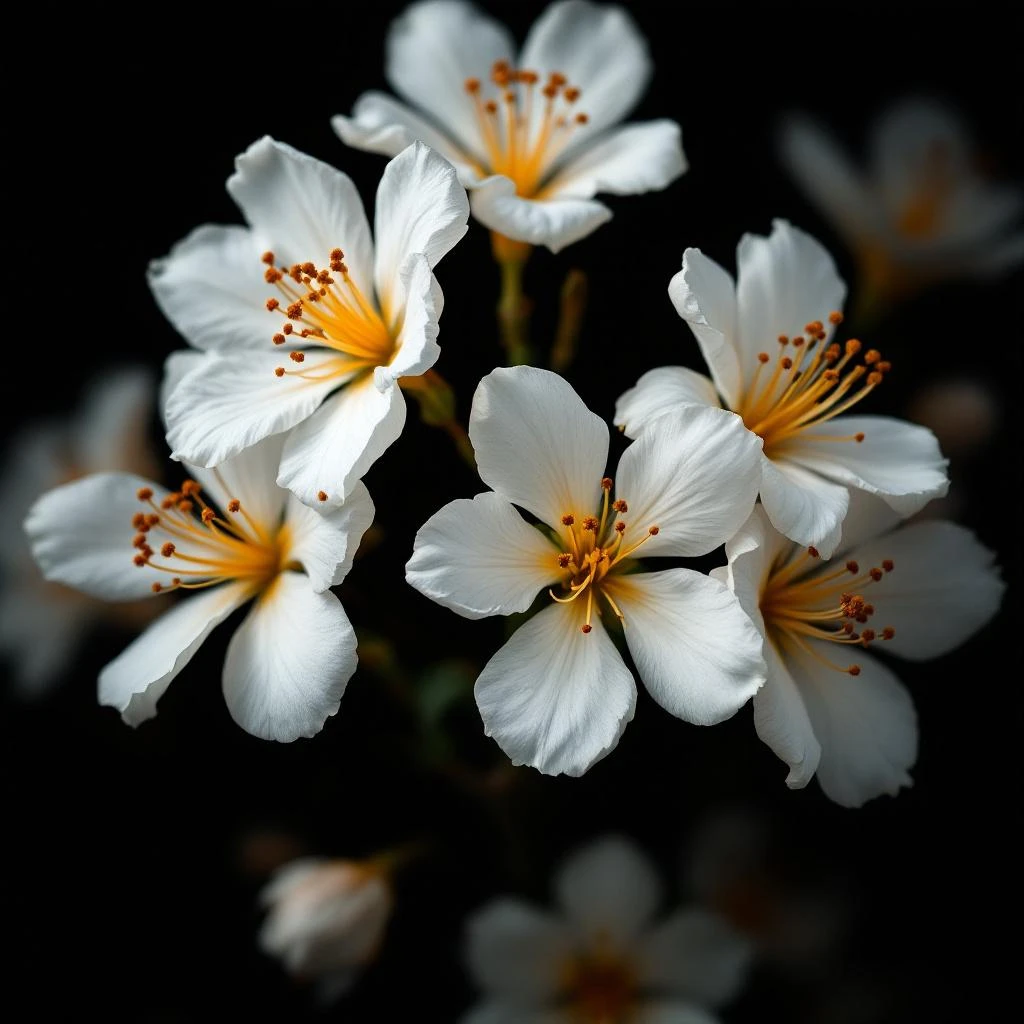
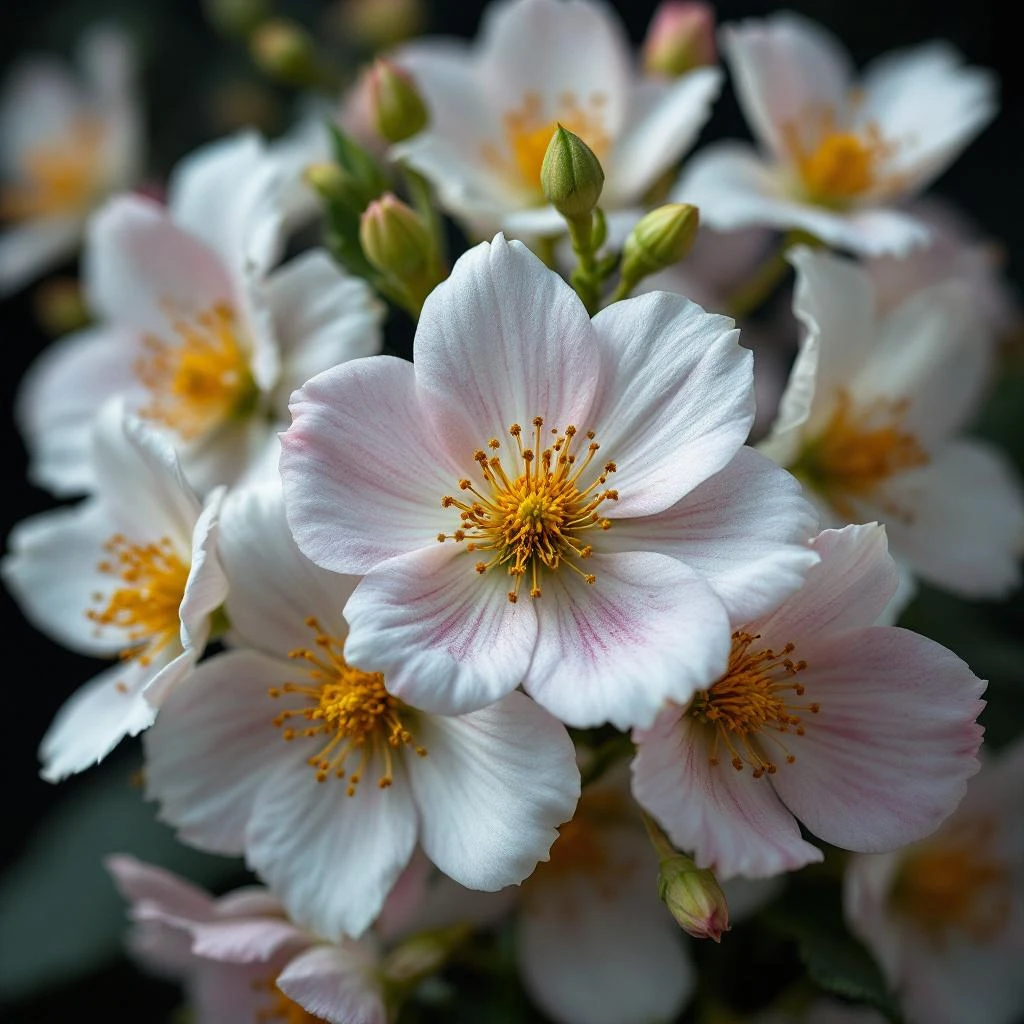
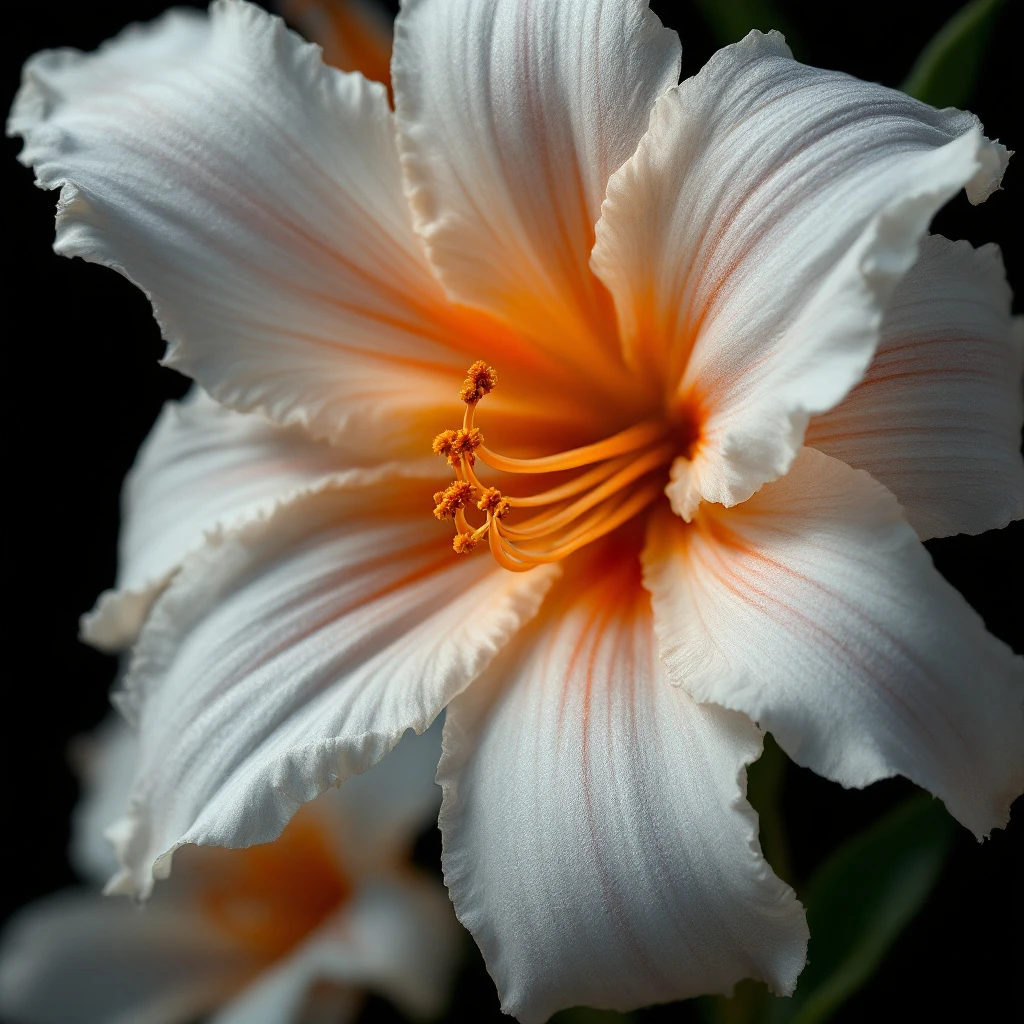
The same bitter orange tree produces four distinct perfume materials: neroli, petitgrain, orange blossom, and aromatic peel.



Origin
Argentina
While bitter orange (Citrus aurantium) traces its origins to Southeast Asia, Argentina developed its own deep relationship with this ingredient through the flourishing amaros tradition. Italian immigrants brought bitter orange cultivation to Argentina in the 19th century, where it became essential to the production of Fernet and other bitter digestifs.
The country's subtropical citrus regions, particularly in the provinces of Córdoba and Entre Ríos, produce fruit with pronounced bitterness prized for both culinary and aromatic applications. This distinct terroir produces bitter oranges with a sharper, more assertive character than Mediterranean varieties, making Argentine-sourced material increasingly valued in fine perfumery for its authentic intensity.
Wears it best
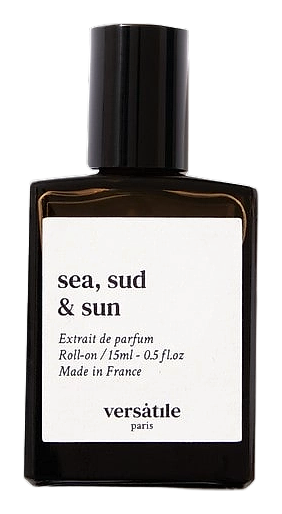
Fragrances featuring Argentinian Bitter Orange
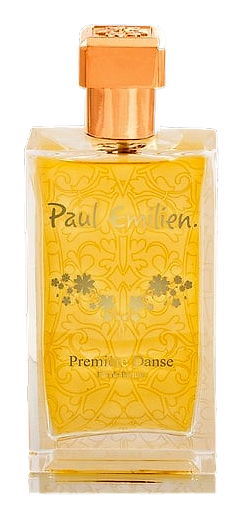
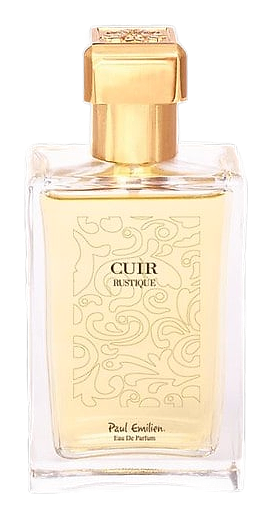
Brands
Brands known for Argentinian Bitter Orange
Good to know
Questions, answered
The essentials on Argentinian Bitter Orange in perfumery: how it smells, where it comes from, and how it behaves on skin.
What does Argentinian Bitter Orange smell like?
It presents sharp citrus brightness with a pronounced bitter-green backbone. Unlike sweet orange, it carries herbal and slightly floral nuances reminiscent of neroli, giving perfumers a more complex citrus signature.
How is bitter orange peel different from sweet orange in perfumery?
Bitter orange peel contains higher concentrations of limonene and adds bitter, almost medicinal quality notes absent in sweet orange. Sweet orange delivers pure sweetness; bitter orange adds dimension and structure.
What fragrances use Argentinian Bitter Orange?
Bitter orange appears in both men's and women's fragrances as a top note. It works particularly well in chypres, fougères, and modern citrus compositions where it adds sophistication beyond standard lemon or bergamot.
Is bitter orange the same as Seville orange?
Yes, bitter orange, Seville orange, and sour orange all refer to Citrus aurantium. The Seville designation comes from the Spanish city historically central to European trade of this fruit.
Can bitter orange cause skin sensitivity?
Like most citrus oils, bitter orange peel oil contains furanocoumarins that can cause photosensitivity. IFRA guidelines recommend limiting topical use to 0.8% in leave-on body products.
What other materials come from the bitter orange tree?
The same botanical source yields four distinct materials: neroli (steam-distilled blossoms), petitgrain (steam-distilled leaves and twigs), orange blossom absolute (solvent-extracted flowers), and aromatic peel.
Why is Argentina significant for bitter orange production?
Argentina developed extensive bitter orange cultivation through the 19th-century amaros industry. The country's climate produces fruit with elevated bitter compounds, making Argentine material distinctive in flavor and aroma.
How does bitter orange appear in fragrance pyramids?
Bitter orange peel oil functions as a top note, offering immediate citrus impact with quick evaporation. In combination with neroli or petitgrain from the same tree, perfumers create layered citrus complexity across fragrance development.