Tart Notes
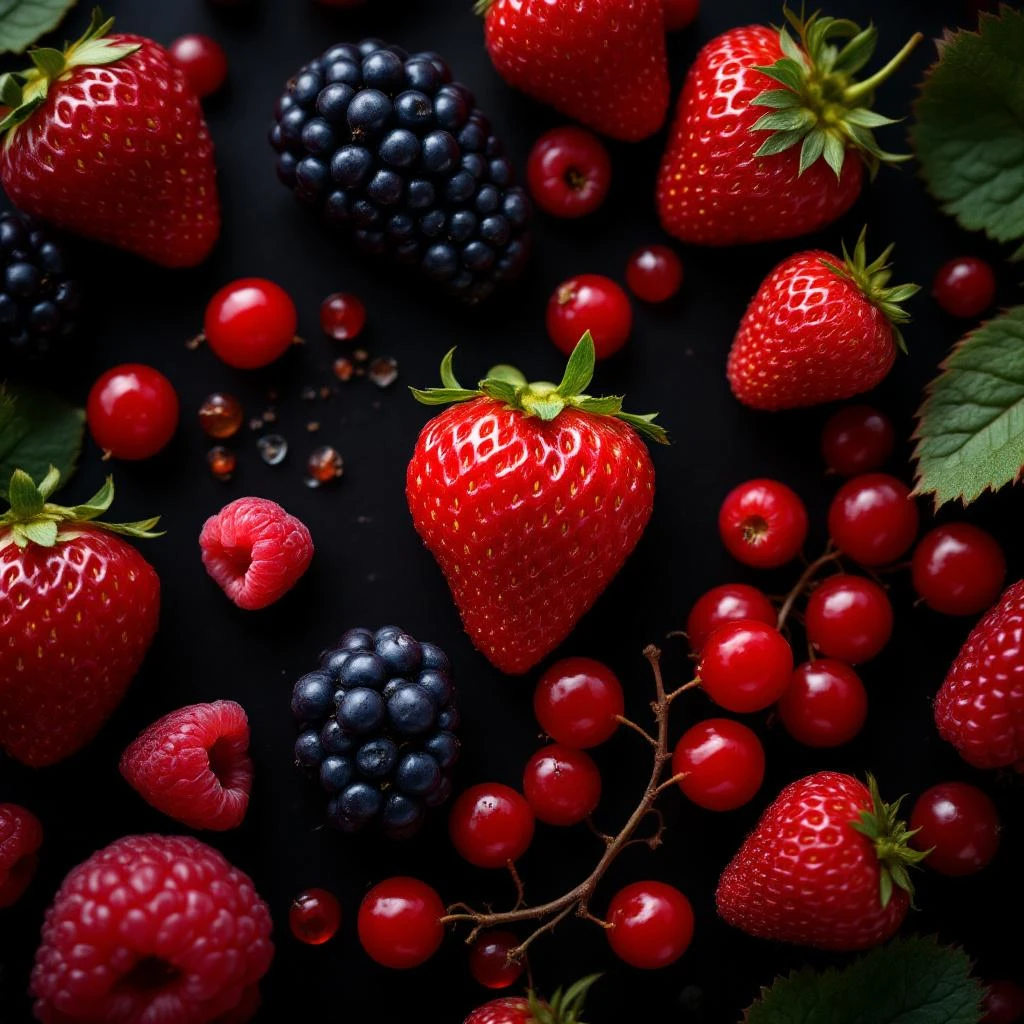
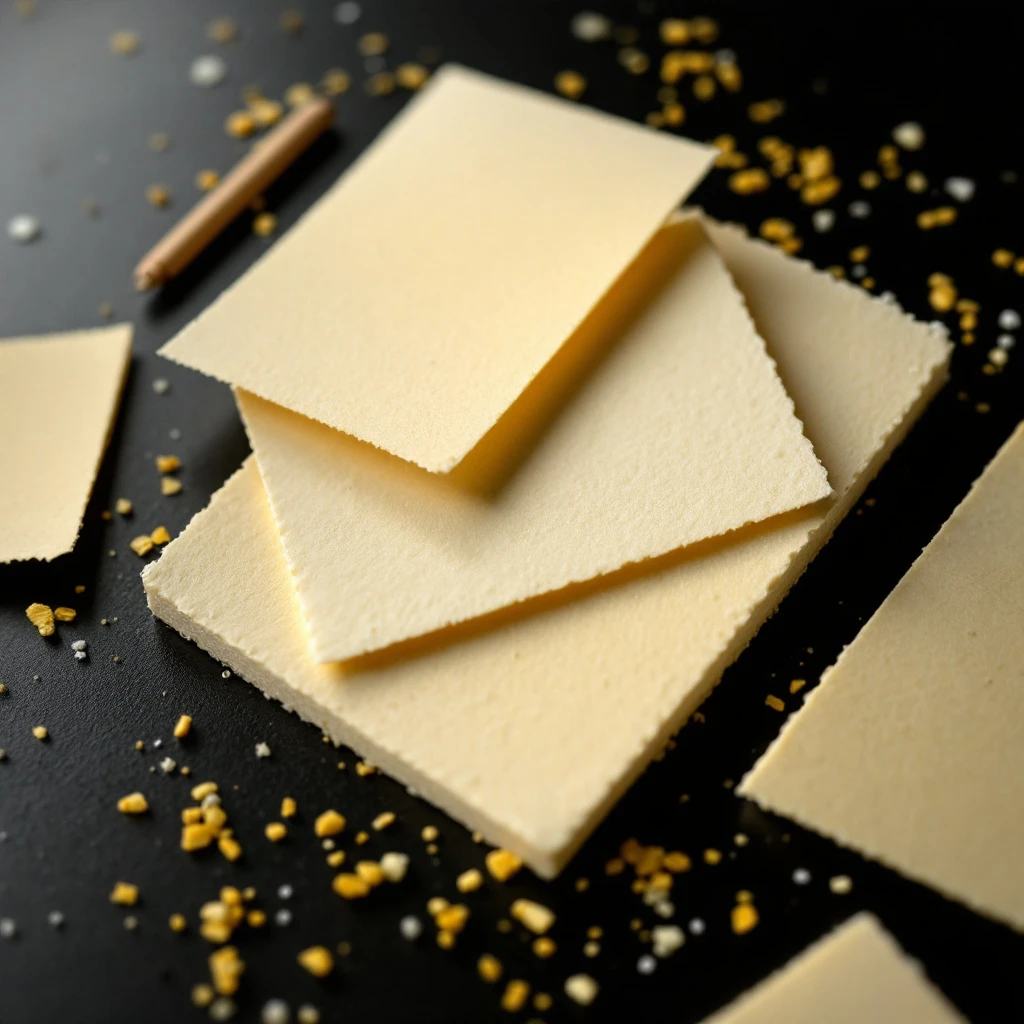
Tart notes bring sharp, mouth-puckering brightness to fragrance, channeling the zing of unripe berries, green apple skins, and yuzu pulp. They cut through heavy bases, lift florals, and create an electrifying tension that makes compositions feel alive.
Character
How it smells
The spark that wakes a fragrance up.
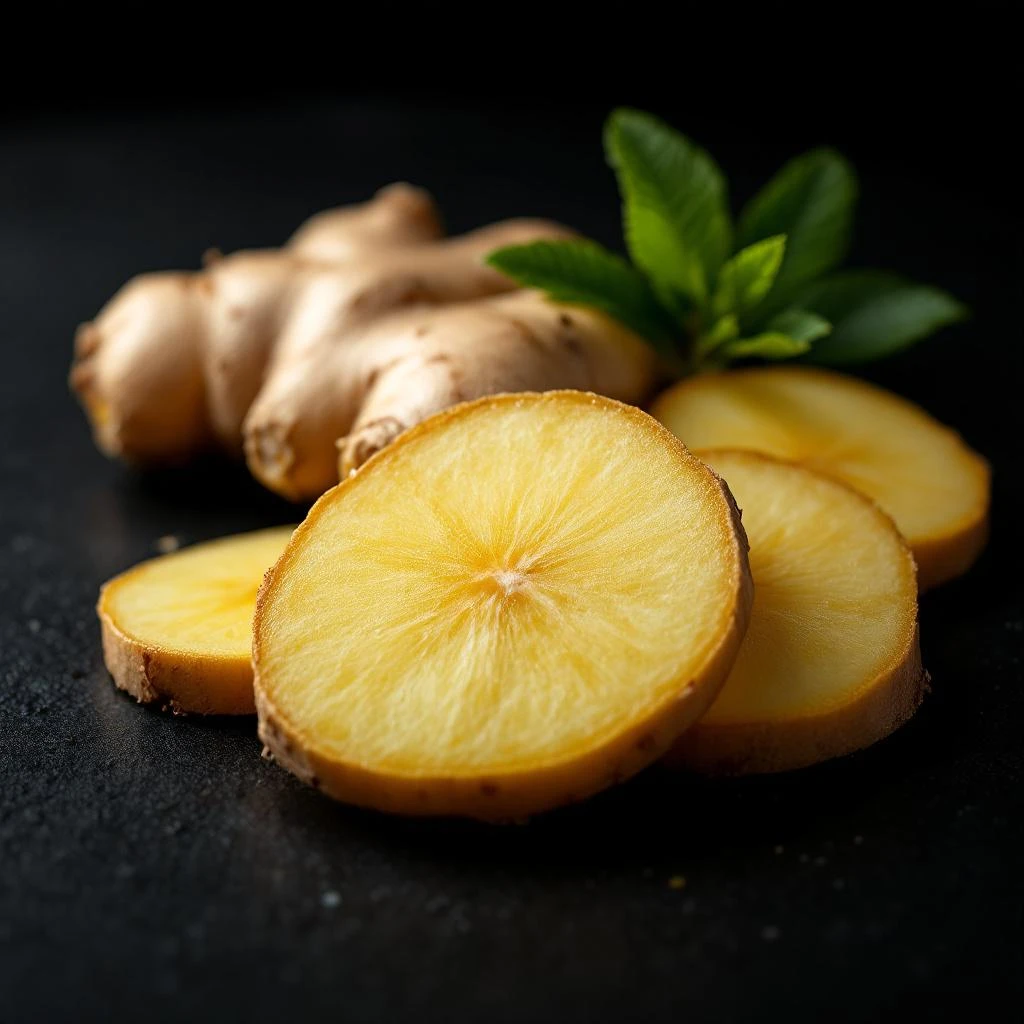
Rhubarb root, a classic tart note in perfumery, contains over 100 volatile aromatic compounds that perfumers isolate to recreate its signature acidic snap.




Origin
France
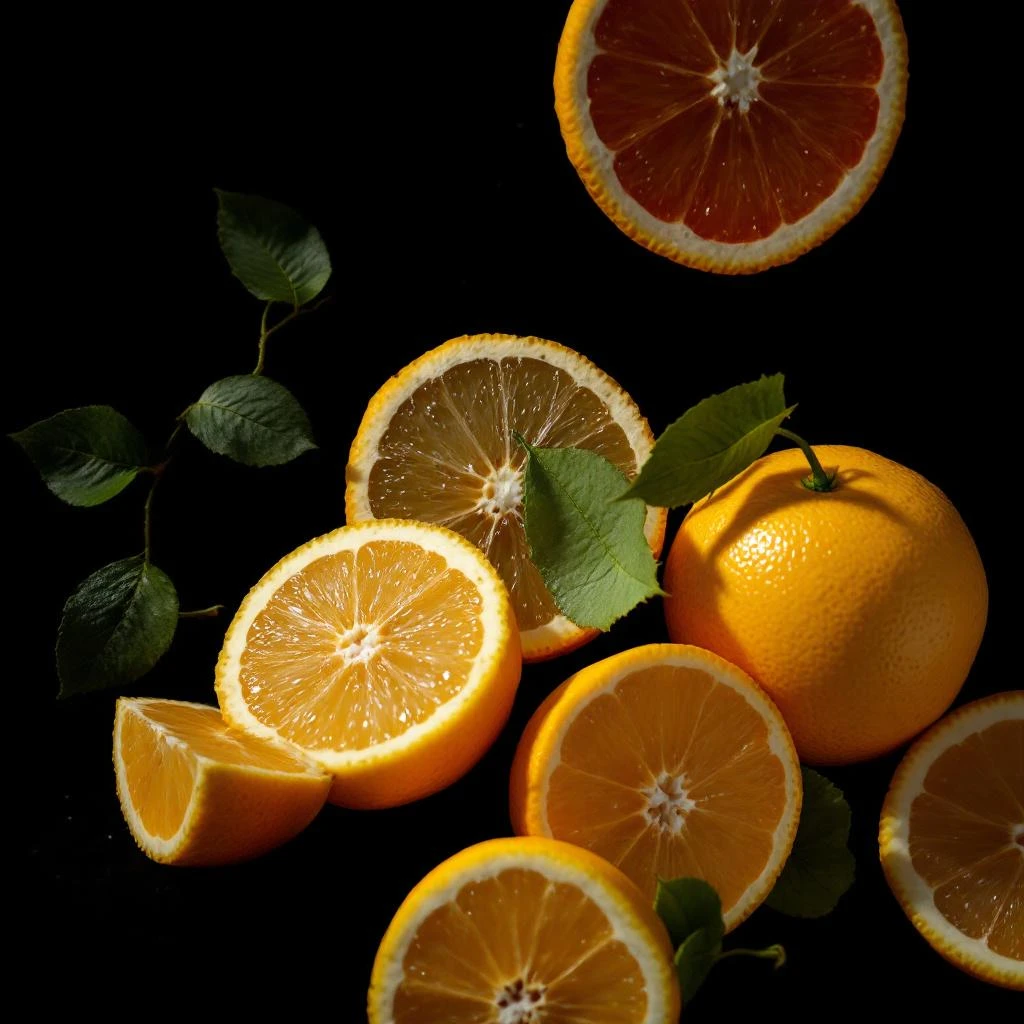
The appeal of sharp, acidic aromas in perfumery stretches back centuries, though early perfumers worked with tangy essences rather than dedicated tart notes. Citrus oils, pressed by hand in Sicily and the Mediterranean since the 11th century, gave ancient compositions their brightest edges. Rhubarb entered the European fragrance vocabulary through trade routes from China, where the root had been valued medicinally for over 4,000 years.
By the 18th century, perfumers in Grasse were incorporating citrus and green herbal materials to create invigorating eaux de cologne. The deliberate construction of tart notes as a category, however, is a modern phenomenon. The development of headspace technology in the 1970s and 1980s allowed chemists to capture the aroma of living fruits and plants, revealing the sulfurous, acidic compounds responsible for genuine sourness.
Firms like Givaudan and Firmenich began isolating thiols from black currant, grapefruit, and tropical fruits in the 1990s. Today, tart notes anchor some of the most celebrated contemporary fragrances, proving that a sharp edge can be as compelling as any blossom.
Wears it best
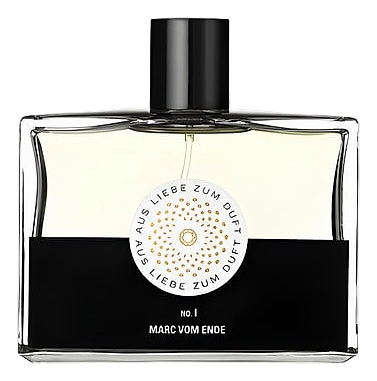
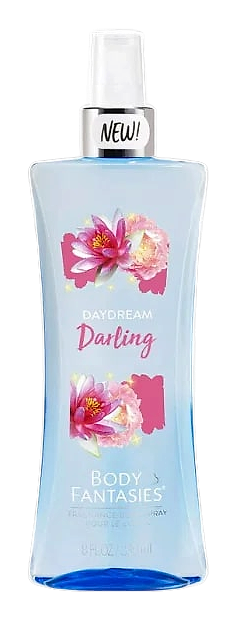
Fragrances featuring Tart Notes
Brands
Brands known for Tart Notes
Good to know
Questions, answered
The essentials on Tart Notes in perfumery: how it smells, where it comes from, and how it behaves on skin.
What does tart mean in perfumery?
Tart refers to sharp, sour-smelling accords built from acidic fruit compounds, green notes, and specific aldehydes. These notes mimic the sensation of biting into unripe berries or citrus pulp, adding brightness and tension to a composition.
Which ingredients create tart notes?
Rhubarb root, bergamot, yuzu, black currant bud, gooseberry, and green tomato are primary sources. Perfumers also use synthetic materials like fructone and specific thiols to amplify the sour, mouth-puckering quality.
Are tart notes natural or synthetic?
Both. Natural citrus and rhubarb oils provide genuine acidity, while synthetic isolates and reconstructed accords allow perfumers to achieve sharper, longer-lasting sourness that naturals alone cannot deliver.
What fragrance families use tart notes?
Tart notes appear most frequently in fruity florals, aromatic green fragrances, and modern chypres. They also feature heavily in sport fragrances and gender-neutral compositions seeking freshness and lift.
How long do tart notes last on skin?
Tart notes are predominantly top notes, lasting roughly 15 to 30 minutes. Their volatility is inherent to the sharp, volatile molecules involved, though some rhubarb and black currant elements can persist into the heart.
Can tart notes smell unpleasant?
Yes, poorly balanced tart accords can veer into sour, sweaty, or metallic territory. Skilled perfumers dose these materials carefully, often below one percent of the formula, to maintain pleasant acidity without crossing into unpleasant sharpness.
What is the difference between tart and sour in fragrance?
Tart notes tend to combine sourness with green or fruity sweetness, creating a balanced sensation. Pure sour notes can smell acidic or fermented, while tart suggests a controlled, appetizing sharpness.
Which famous perfumes feature tart notes prominently?
Composition-based classifications vary, but tart rhubarb accords gained prominence in several 2010s niche releases, while citrus-forward colognes like the classic 4711 have showcased tart facets for over two centuries.