Swiss Pine Tar
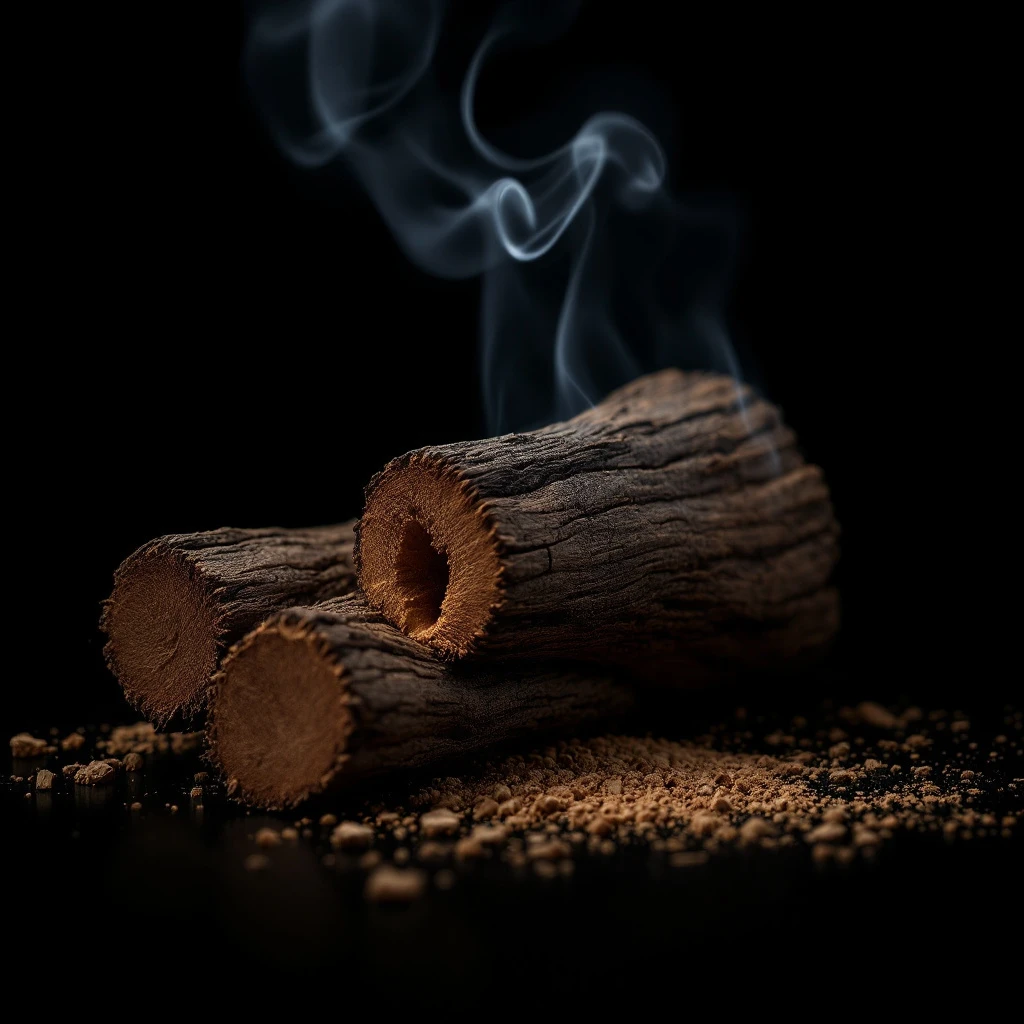
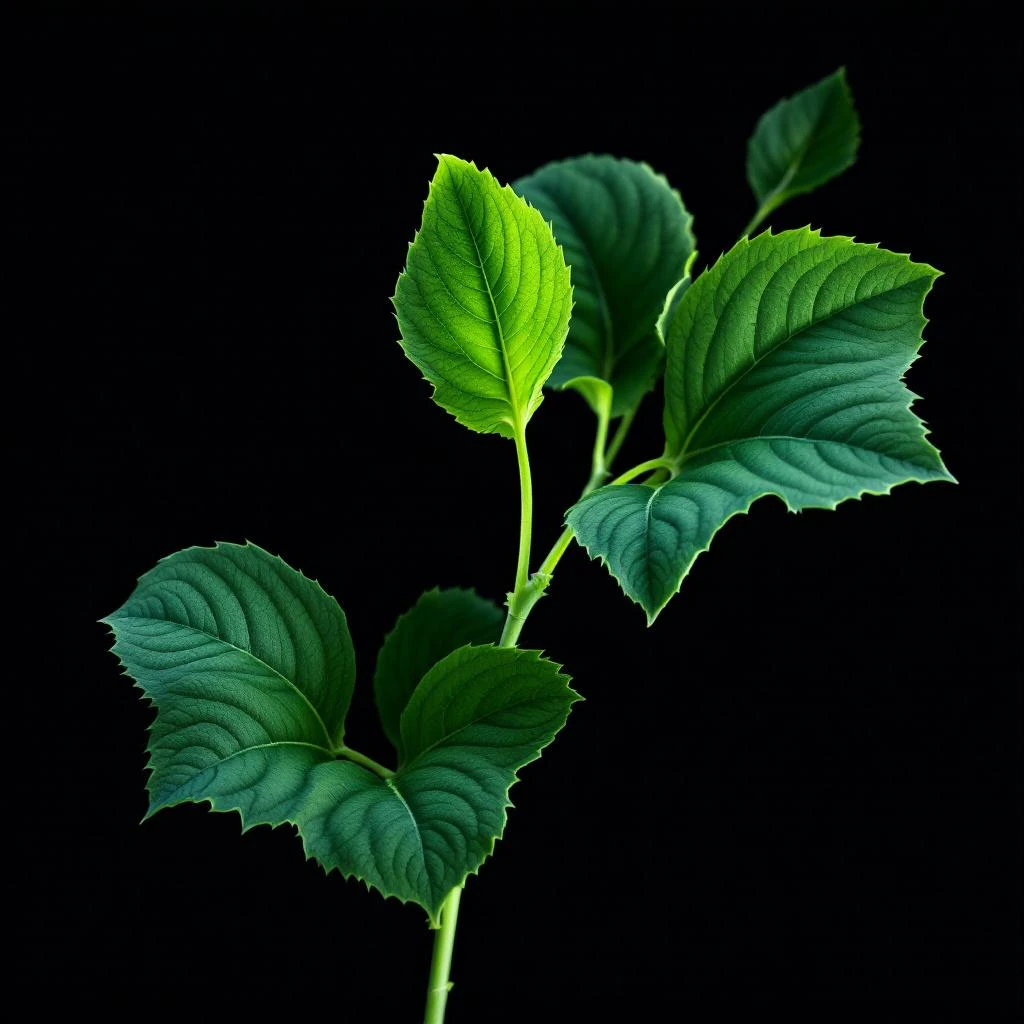
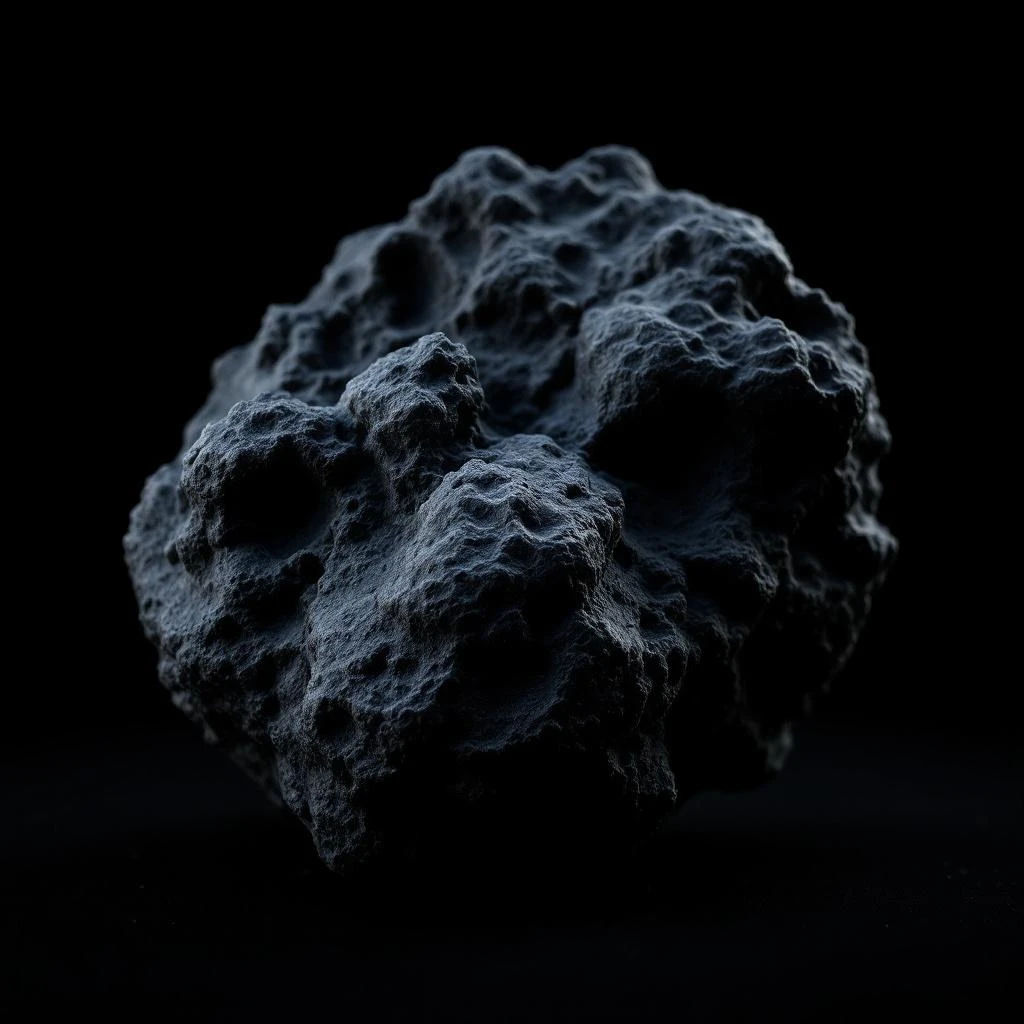
Swiss Pine Tar captures the rugged essence of Alpine forests. Distilled from the wood of Pinus cembra growing in high-altitude Swiss mountains, this smoky, resinous material adds profound depth and a distinctly Northern character to fragrance compositions. Its aromatic signature evokes cold air, ancient trees, and distant hearth fires.
Character
How it smells
The smoke of ancient Alpine forests, rendered in aromatic form.
Swiss stone pines can live for over 500 years, and the tar produced from their wood was traditionally used by Alpine communities to waterproof boats and preserve timber structures.


Origin
Switzerland
The Swiss stone pine has held cultural significance in Alpine regions for centuries. Ancient communities in what is now Switzerland, Austria, and northern Italy discovered that the dense, slow-growing trees yielded a remarkable tar when processed. This tar served multiple practical purposes in pre-industrial Alpine life. Shepherds and farmers used it to waterproof leather goods, boots, and wooden containers.
Boat builders applied it to vessels that navigated mountain lakes and rivers. Woodworkers relied on it as a preservative treatment for structural beams and tool handles exposed to harsh weather. Beyond practical applications, the tar entered traditional medicine cabinets. Alpine folk practitioners used it for its purported antiseptic properties, applying it to wounds and skin conditions.
The distinctive smoky aroma became associated with mountain living, and certain perfumers incorporated small quantities into specialized preparations. The advent of modern chemistry and synthetic alternatives reduced reliance on natural pine tar in mainstream perfumery, but a niche tradition persisted. Contemporary natural perfumers and fragrance houses committed to authentic natural materials have revived interest in Swiss Pine Tar, using it to create compositions with genuine Alpine character and historical resonance. The ingredient now appears in fine fragrances seeking forest, smoke, and resinous wood notes that cannot be replicated by synthetic substitutes.
Wears it best
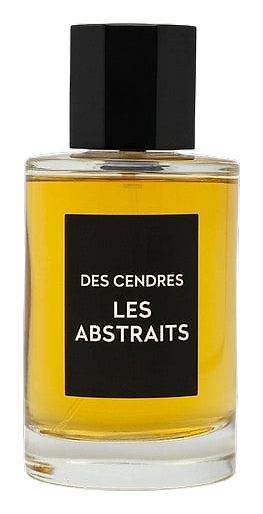
Fragrances featuring Swiss Pine Tar
Brands
Brands known for Swiss Pine Tar
Good to know
Questions, answered
The essentials on Swiss Pine Tar in perfumery: how it smells, where it comes from, and how it behaves on skin.
What does Swiss Pine Tar smell like?
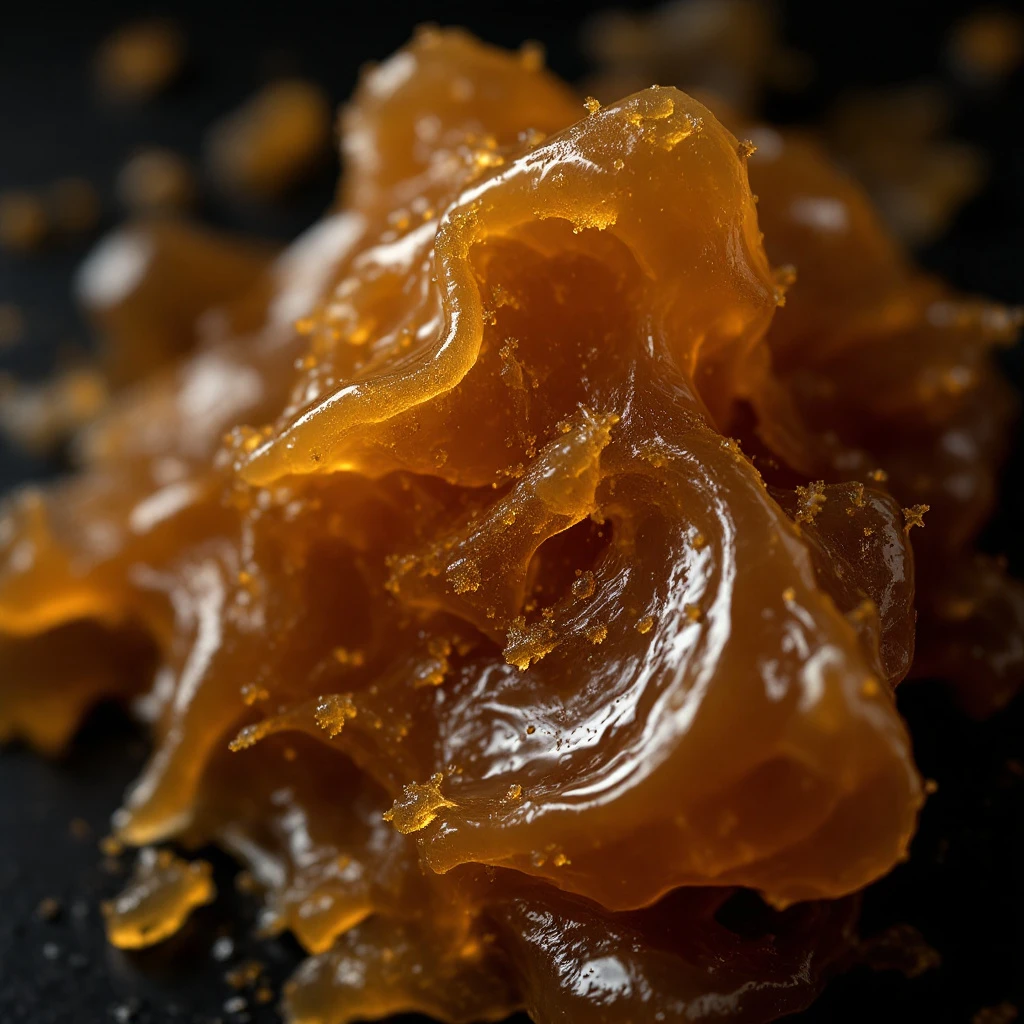
Swiss Pine Tar presents a bold smoky character backed by deep resinous and balsamic notes. Think woodsmoke, aged leather, and damp forest floor. It adds immediate depth and a slightly medicinal edge that blends well with other woody and aromatic materials.
Where is Swiss Pine Tar used in perfumery?
Swiss Pine Tar functions as a base note ingredient in fragrance compositions. Perfumers use it to create forest, outdoor, and atmospheric accords. It works particularly well in masculine and unisex fragrances designed around wood, smoke, and nature themes.
How does Swiss Pine Tar differ from other pine tars?
The distinction comes from Pinus cembra itself, a high-altitude Alpine species with distinct aromatic compounds. The growing conditions at 1,500 to 2,500 meters elevation and the tree's slow growth produce a tar with specific ratios of phenolic compounds, guaiacol, and syringol derivatives that differ from tars derived from maritime pine or Scots pine.
Is Swiss Pine Tar a natural ingredient?
Yes, Swiss Pine Tar is a fully natural material. It is produced through dry distillation of Swiss stone pine wood without synthetic chemicals or artificial modifications. The process draws on traditional Alpine techniques.
How should Swiss Pine Tar be stored?
Store Swiss Pine Tar in a cool, dark environment in tightly sealed containers. The material is stable and does not require refrigeration, but exposure to air and light over extended periods can cause gradual changes in color and aroma. Properly stored, it remains usable for years.
What fragrance families commonly feature Swiss Pine Tar?
Swiss Pine Tar appears most frequently in woody, chypre, and fougere fragrance families. Perfumers also use it to create leather, tobacco, and atmospheric compositions. It pairs naturally with notes like cedarwood, vetiver, oakmoss, and various resins.
Is Swiss Pine Tar considered rare in the fragrance industry?
Swiss Pine Tar occupies a niche position. Production is limited to small batches in Alpine regions, and only a subset of perfumers regularly incorporate it. This makes it considerably less common than mainstream ingredients like patchouli or sandalwood, though availability remains consistent through specialty suppliers.
What safety considerations apply to Swiss Pine Tar?
Swiss Pine Tar is generally recognized as safe for use in consumer fragrances when employed at appropriate dilutions. Like most natural tars, it contains phenolic compounds that may cause skin sensitization in susceptible individuals. Perfumers typically use it at low concentrations, and IFRA guidelines provide standards for tar materials in finished products.