Sulphur
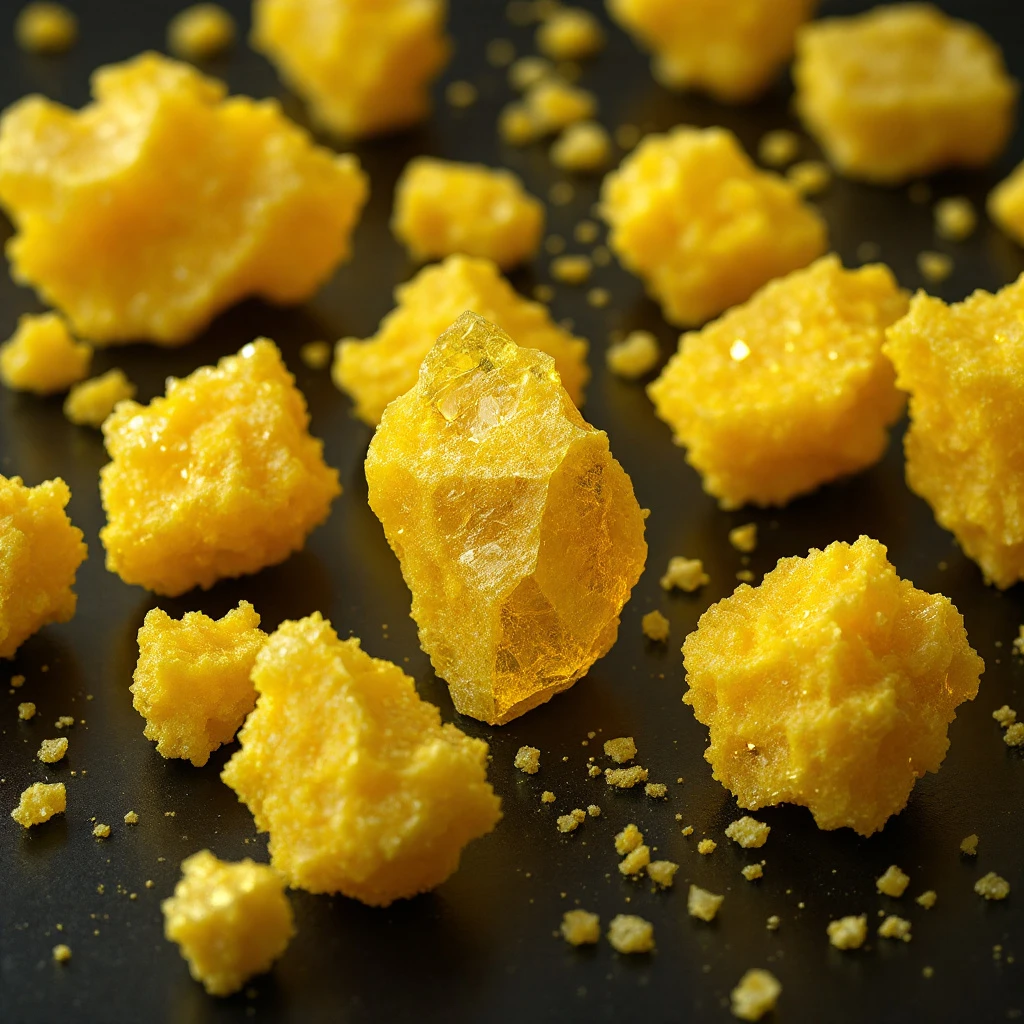
Sulphur is a bold, polarizing note in perfumery, evoking volcanic vents, struck matches, and rotten eggs. Its rotten, mineral character adds a brutalist edge to avant-garde and gothic compositions.
Character
How it smells
Fire, brimstone, and deliberate provocation.
Sulphur compounds called mercaptans are added to natural gas supplies so leaks can be detected by smell, even though pure sulphur itself is nearly odorless until it reacts.

Origin
France
Sulphur has appeared in ritual and alchemy for over 4,000 years, with Mesopotamians burning sulphur resins as incense around 2000 BCE. Ancient Egyptians used sulphur compounds in embalming and ceremonial fires, valuing the sharp, transformative smoke. In medieval Europe, alchemists considered sulphur one of the three primal elements alongside salt and mercury, linking its fiery nature to the spirit world.
Sulphur entered modern perfumery slowly, because its harshness made it difficult to balance. The 1980s and 1990s avant-garde movement changed that, when perfumers like those at independent houses began deliberately using sulphur notes to challenge conventions. Luca Turin later praised certain sulphur molecules for their bizarre, lifelike quality, noting how thiols can mimic the smell of fresh blood or ocean spray with uncanny precision.
Today, sulphur notes appear primarily in experimental fragrances, gothic florals, and compositions seeking raw, primal impact.
Wears it best
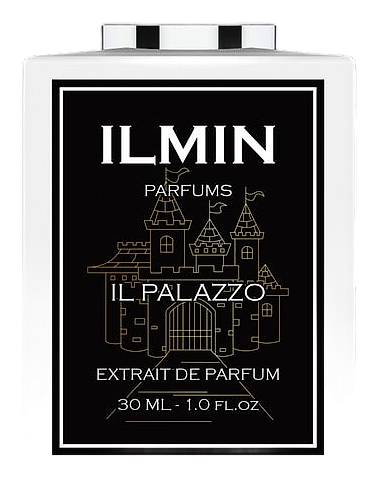
Fragrances featuring Sulphur
Brands
Brands known for Sulphur
Good to know
Questions, answered
The essentials on Sulphur in perfumery: how it smells, where it comes from, and how it behaves on skin.
Why do some perfumes smell like sulphur or rotten eggs?
These perfumes contain synthetic thiol compounds, sulphur-based molecules that mimic decay, volcanic gas, or struck matches. Perfumery uses them in trace amounts because their intensity registers powerfully on olfactory receptors.
Is sulphur in perfume dangerous?
No. Sulphur-based fragrance molecules are used at extremely low dilutions, typically parts per million. They pose no health risk and are common in mainstream fine fragrances as functional ingredients.
What does sulphur smell like in nature?
Natural sulphur smells like rotten eggs, hot springs, decomposing seaweed, and volcanic vents. The scent comes from hydrogen sulphide gas released during bacterial breakdown of organic matter.
Can sulphur notes smell pleasant?
Yes. At low concentrations, sulphur compounds contribute tropical fruit notes like passionfruit and guava, plus fresh sea-breeze effects. The same chemistry that smells foul at high levels becomes fruity in trace doses.
Which famous fragrance families use sulphur?
Sulphur molecules appear in chyprefragrances for catty blackcurrant effects, in tropical fruit accords, and in avant-garde compositions seeking raw, animalic, or mineral impact.
How are sulphur notes created in the lab?
Chemists synthesize thiols and thioesters by reacting sulphur with specific hydrocarbon chains. Fermentation of certain yeasts also produces natural thiols used as starting materials for fragrance compounds.
Are sulphur notes the same as skunk spray?
Chemically similar. Both contain thiol compounds with the same sulphur-hydrogen bond structure. Perfumery isolates and dilutes these molecules to capture the effect without overwhelming the wearer.
Who first used sulphur in modern perfumery?
Avant-garde perfumers in the 1980s and 1990s pioneered deliberate sulphur use, building on earlier discoveries of fruit thiols. Luca Turin later championed these molecules for their lifelike, sometimes shocking realism.