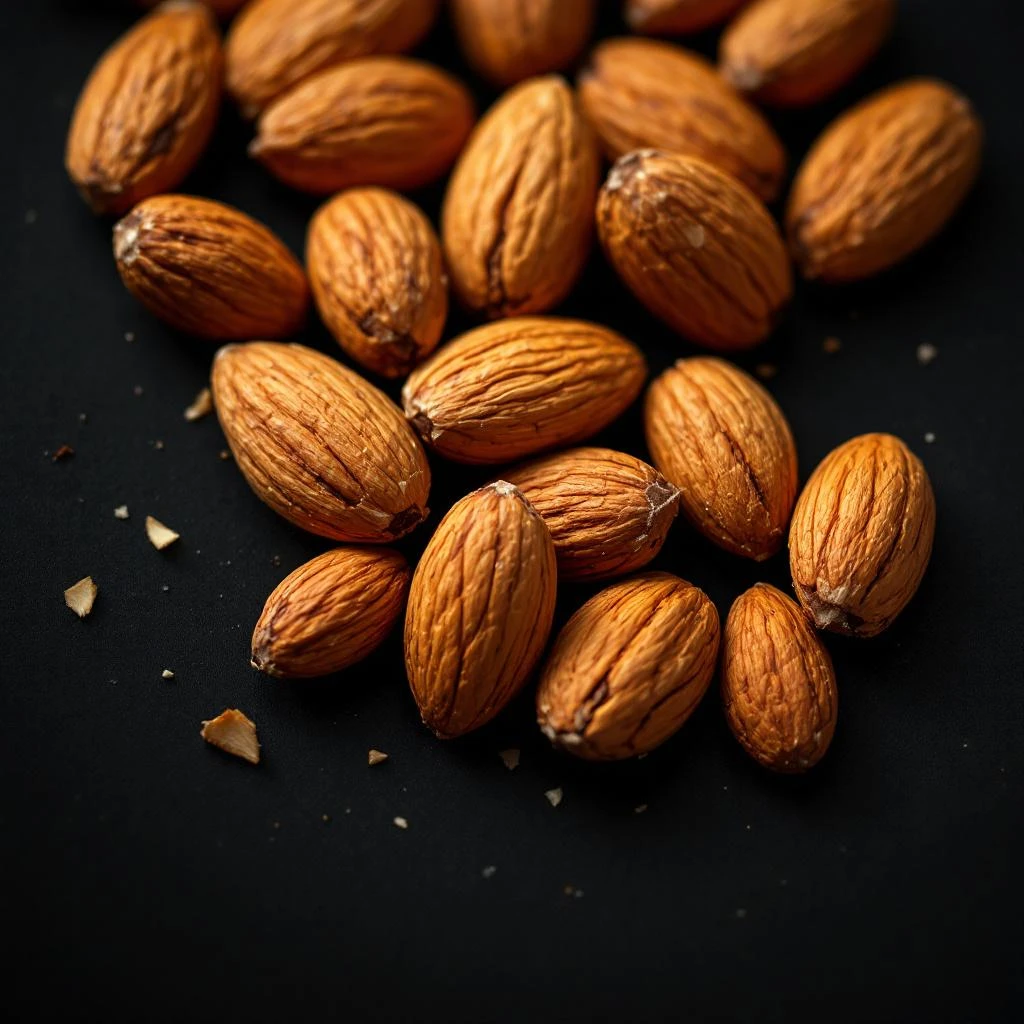
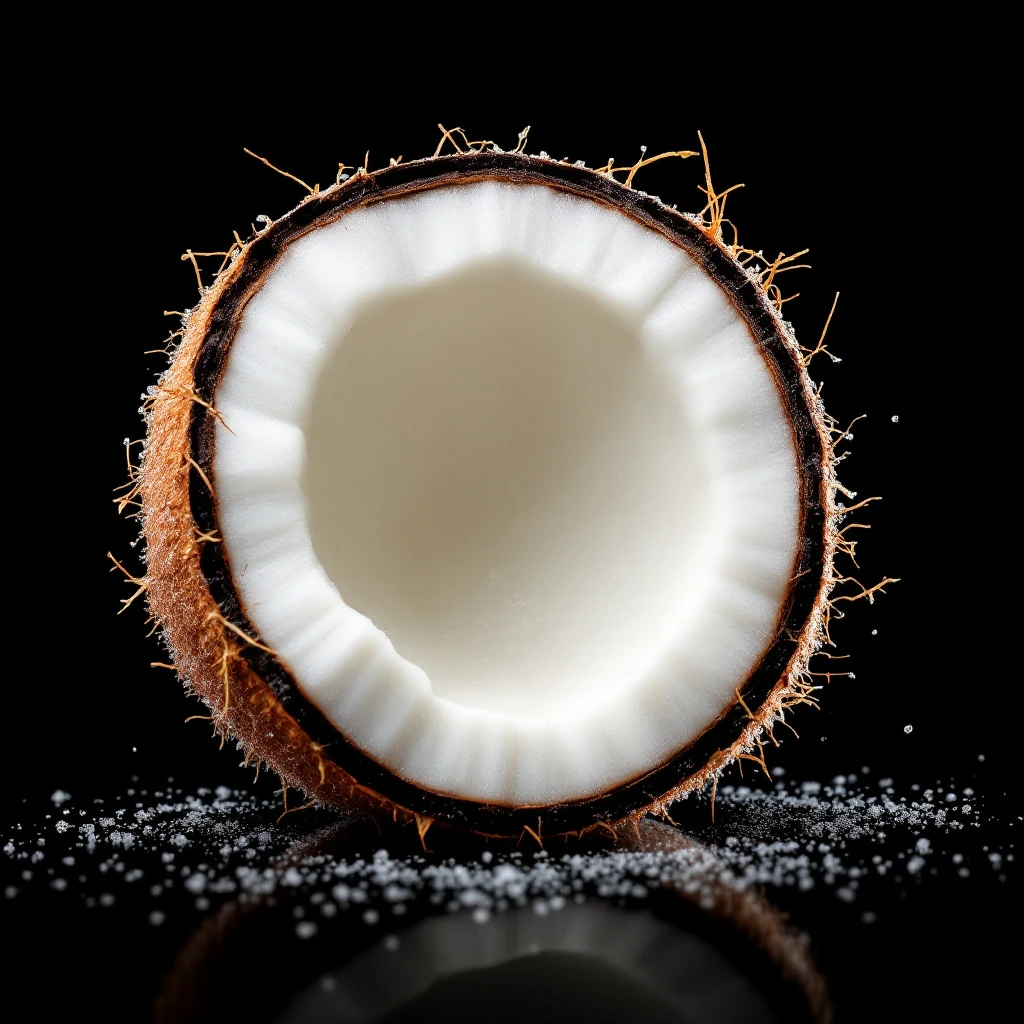
Sugared Coconut
Sugared coconut delivers the warm, lactonic sweetness of toasted tropical flesh dusted with caramelized sugar. Perfumers prize it for gourmand accords that bridge creamy comfort and sunlit indulgence.
Character
How it smells
Toasted tropical sweetness, crystallized.
Coconut absolute requires roughly 4,000 mature coconuts to produce a single kilogram of aromatic concentrate, making it one of the more labor-intensive naturals.




Origin
Philippines
The coconut palm, Cocos nucifera, has sustained coastal communities across the tropics for over 3,000 years, with archaeological evidence placing its cultivation in South Asia and Oceania during the late Neolithic period. Its fibrous husk, nutrient-rich water, and oil-rich flesh made it one of humanity's most versatile food crops, and traditional Ayurvedic and Pacific Island medicine systems long valued coconut oil for skin and hair applications. In fragrance, coconut entered Western perfumery relatively late, arriving through colonial trade routes linking the Philippines, Sri Lanka, and the Caribbean to European ports during the 19th century.
Early formulations used coconut oil as a gentle fixative in hair pomades and sachet powders rather than as a featured note. The gourmand revolution of the 1990s, led by fragrances that placed edible-smelling notes at the center of compositions, repositioned coconut as a star ingredient. Maison Margiela's Beach Walk, released in 2007, helped cement sugared coconut as a signature of solar, beach-inspired fragrances.
Today, the note appears across mainstream and niche houses, often paired with vanilla, sandalwood, and tiare flower to evoke tropical escapism.
Wears it best
Fragrances featuring Sugared Coconut
Brands
Brands known for Sugared Coconut
Good to know
Questions, answered
The essentials on Sugared Coconut in perfumery: how it smells, where it comes from, and how it behaves on skin.
What does sugared coconut smell like in perfume?
Sugared coconut presents a warm, creamy sweetness with toasted nuttiness, soft caramel facets, and a milky lactonic quality. It smells edible and comforting, often described as reminiscent of toasted coconut flakes or coconut macaroons rather than fresh coconut water.
Is sugared coconut a natural or synthetic note?
Sugared coconut exists in both forms. Natural coconut absolute comes from solvent extraction of dried coconut flesh, though it is costly. Most commercial fragrances use synthetic lactones, primarily gamma-nonalactone and delta-decalactone, to recreate the creamy, nutty character affordably.
Where does coconut for perfume come from?
Coconut palms grow throughout the tropics, but the Philippines, Indonesia, India, and Sri Lanka dominate production for both culinary and fragrance use. Philippine copra has historically supplied much of the raw material for coconut-derived absolutes.
What fragrances pair well with sugared coconut?
Sugared coconut blends naturally with vanilla, sandalwood, tiare flower, and salted caramel for gourmand compositions. It also pairs well with white rum, pineapple, and frangipani for tropical profiles, or with bergamot and jasmine for sunnier floral structures.
How long does sugared coconut last on skin?
Coconut lactones are moderate in tenacity, typically lasting 4 to 6 hours on skin in a fragrance composition. Their sweet, creamy drydown lingers as a base note, particularly when anchored by woods or heavier musks.
Why is coconut absolute so expensive?
Coconut absolute requires thousands of coconuts and extensive solvent processing to produce a small yield. The lipid-rich flesh yields relatively little aromatic concentrate compared to flowers like rose or jasmine, which drives its high market price.
Is coconut safe for people with nut allergies?
Coconut is botanically a drupe, not a true tree nut, and the FDA classifies it separately. Most allergists consider coconut safe for individuals with tree nut allergies, though anyone with specific concerns should consult a medical professional.
What is the difference between coconut note and coconut water note?
Coconut notes in perfumery reference the fatty, toasted flesh, lactonic and creamy. Coconut water notes are fresher, lighter, and slightly green, often built with different aroma chemicals to suggest the clear liquid inside young coconuts.