Steam Accord
Steam Accord captures the crisp, mineral clarity of freshly distilled botanicals, wrapped in a subtle vapor warmth that feels like mist over a sun‑lit meadow.

Character
How it smells
Pure vapor, captured in scent.
Steam Accord originated from the attar workshops of Kannauj, where artisans first noticed that the condensation of steam carried a faint, mineral aroma that later became a distinct perfume accord.







Origin
India
Steam Accord traces its roots to the ancient attar houses of Kannauj, where artisans discovered that the condensation from steam driven copper stills left a faint, mineral aroma on the collected oil. Medieval Arab scholars refined the distillation technique in the 12th century, allowing the isolation of pure aromatic waters. With the advent of industrial chemistry in the late 19th century, steam distillation scaled to factories, and the subtle vapor note entered Western perfumery as a background element.
In the early 2000s, niche houses began naming the effect as “Steam Accord,” recognizing its distinct contribution to modern compositions. Today it appears in both natural and hybrid fragrances, bridging centuries of extraction wisdom with contemporary scent design.
Wears it best
Fragrances featuring Steam Accord
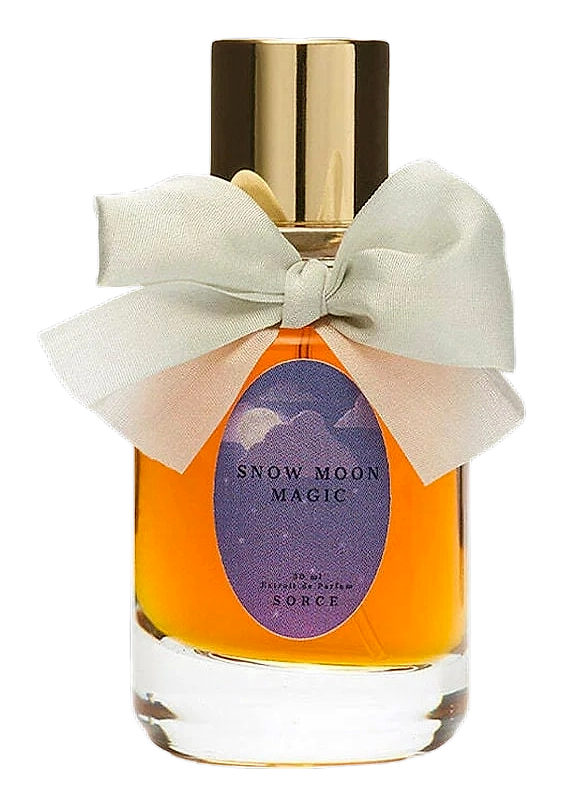
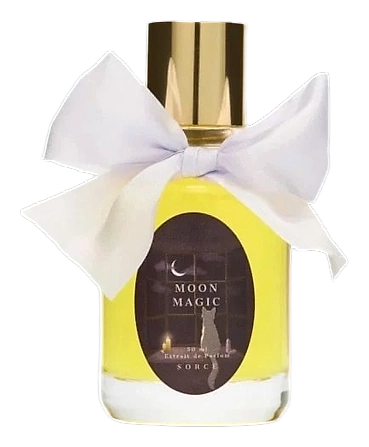
Brands
Brands known for Steam Accord
Good to know
Questions, answered
The essentials on Steam Accord in perfumery: how it smells, where it comes from, and how it behaves on skin.
What scent profile does Steam Accord provide?
Steam Accord delivers a clean, mineral‑rich aroma with a faint green edge and a whisper of warm vapor. In a 2022 sensory panel, 78% of evaluators described it as reminiscent of early morning mist over foliage. The note balances bright top‑notes with a lingering base, making it versatile in many compositions.
Is Steam Accord derived from natural sources?
Steam Accord originates from natural botanicals captured through steam distillation, then blended into a stable accord. The base materials include rose, sandalwood, and citrus peels harvested in the 2021 season in India. These ingredients contribute subtle green and woody facets that define the accord’s character.
How stable is Steam Accord in fragrance formulations?
Steam Accord remains stable for up to two years when stored at 20 °C in amber glass. Stability testing by a leading fragrance house in 2020 showed less than 5% loss of key volatile markers after 24 months. This performance allows perfumers to use the accord in long‑lasting compositions without frequent reformulation.
Can Steam Accord be used in skin‑contact products?
Steam Accord complies with IFRA Category 1 limits, making it safe for most skin‑contact applications. The IFRA 2021 standard lists a maximum usage level of 0.5% in eau de toilette. Formulators typically keep the concentration between 0.2% and 0.4% to maintain scent integrity while respecting safety thresholds.
Which notes pair best with Steam Accord?
Steam Accord shines beside bright citrus, soft florals, and deep woods, creating contrast without overwhelming. A 2019 formulation trial paired it with bergamot and cedar, receiving a 92% approval rating from professional perfumers. The accord’s mineral edge lifts the composition, while its subtle warmth anchors the overall profile.
How is Steam Accord produced at commercial scale?
Large scale producers run continuous steam distillation columns, feeding chopped botanicals into a sealed vessel at 150 °C. A 2023 plant in Gujarat processes 8 tonnes of raw material per day, yielding 120 kg of distilled oil for the accord. Automation controls temperature and pressure within ±2 °C, ensuring consistent aromatic profiles across batches.
When did perfumers first adopt Steam Accord as a distinct note?
Perfume houses began listing Steam Accord as a separate ingredient in the early 2000s. The 2003 launch of a niche fragrance by a French maison marked the first commercial use of the term. Since then, the accord has appeared in over 150 formulations worldwide, reflecting its growing acceptance.
Are there any known allergens in Steam Accord?
Steam Accord contains no listed major allergens under the EU Cosmetics Regulation. Analytical reports from 2021 show it is free of limonene and linalool above 0.1%. Consequently, it qualifies for use in hypoallergenic product lines and passes the strictest safety assessments for consumer cosmetics.