Spanish Cade Tar
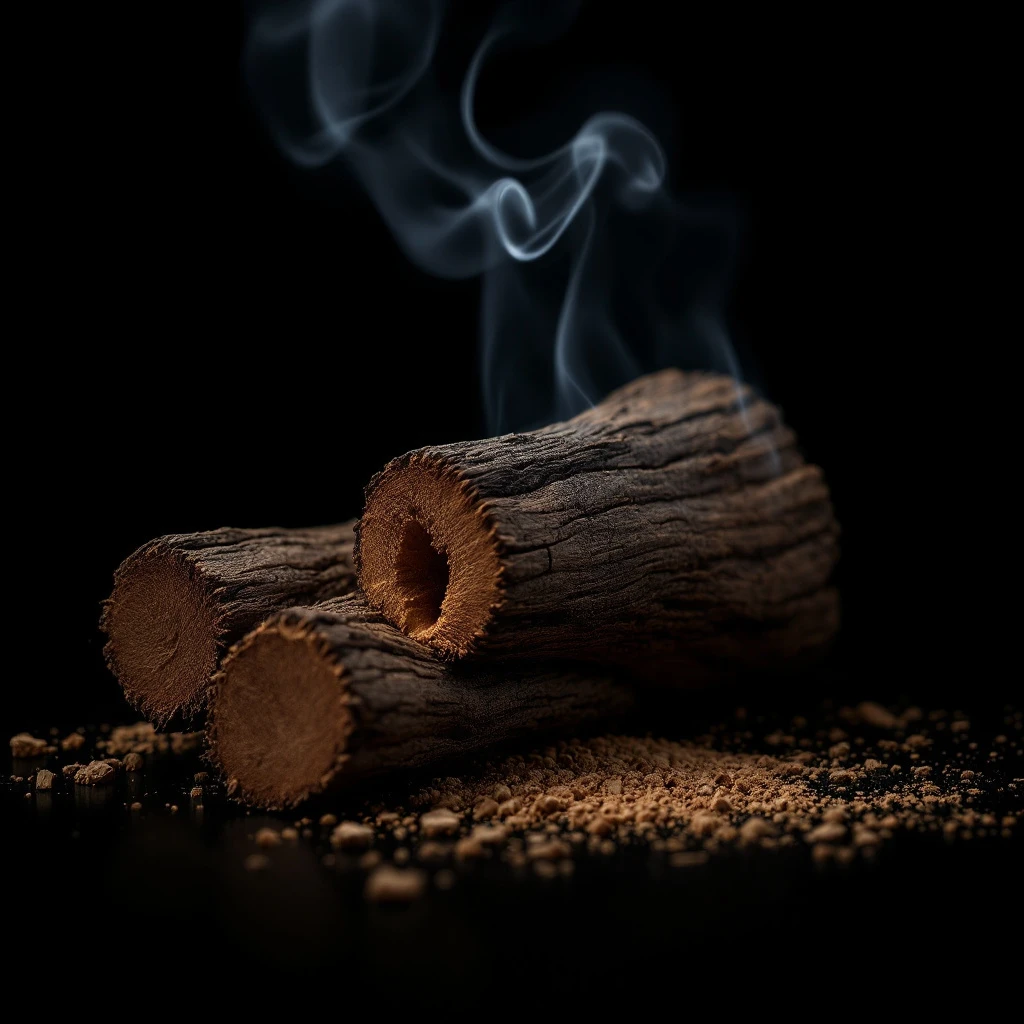
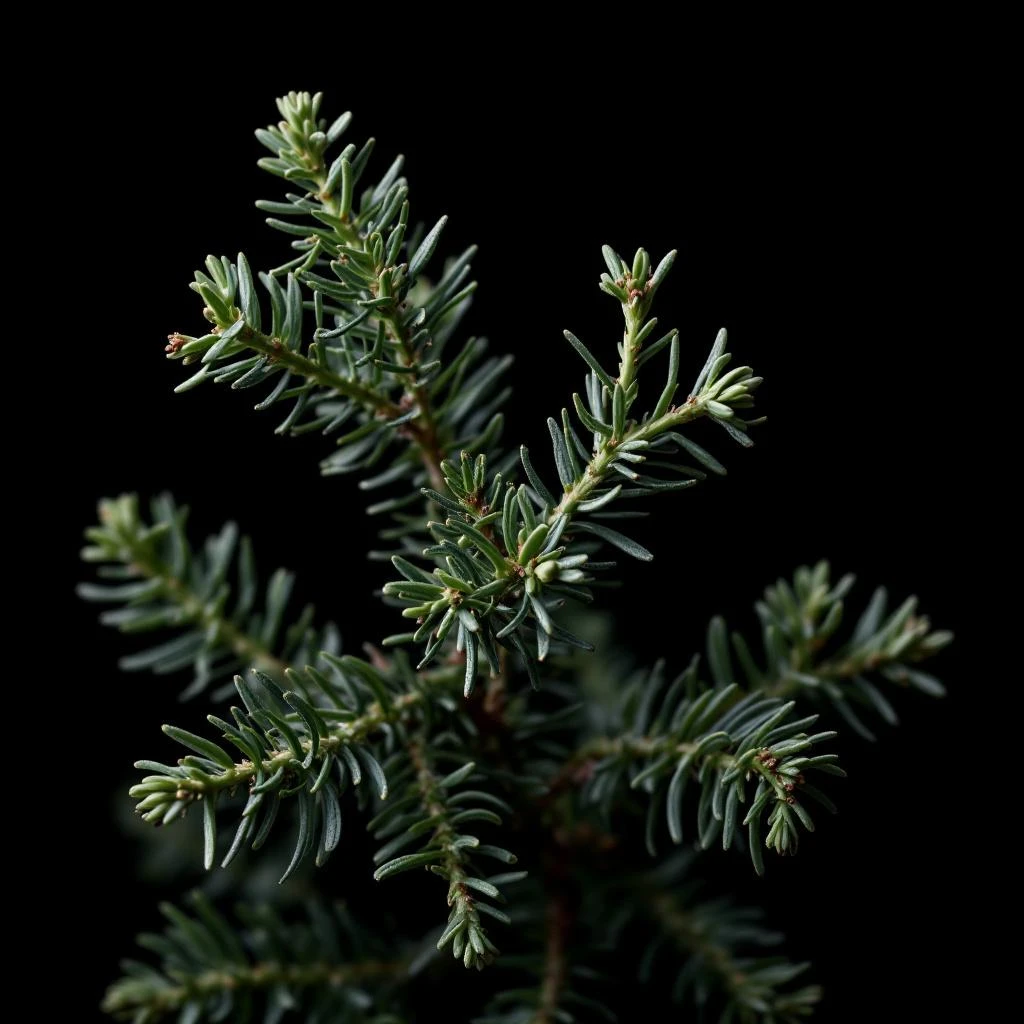
Spanish Cade Tar is a dark, smoky resin obtained through the destructive distillation of prickly juniper heartwood. It brings intense leathery, tarry depth to masculine and chypre compositions, anchoring bright citrus and floral notes with its bold, burnt-wood character.
Character
How it smells
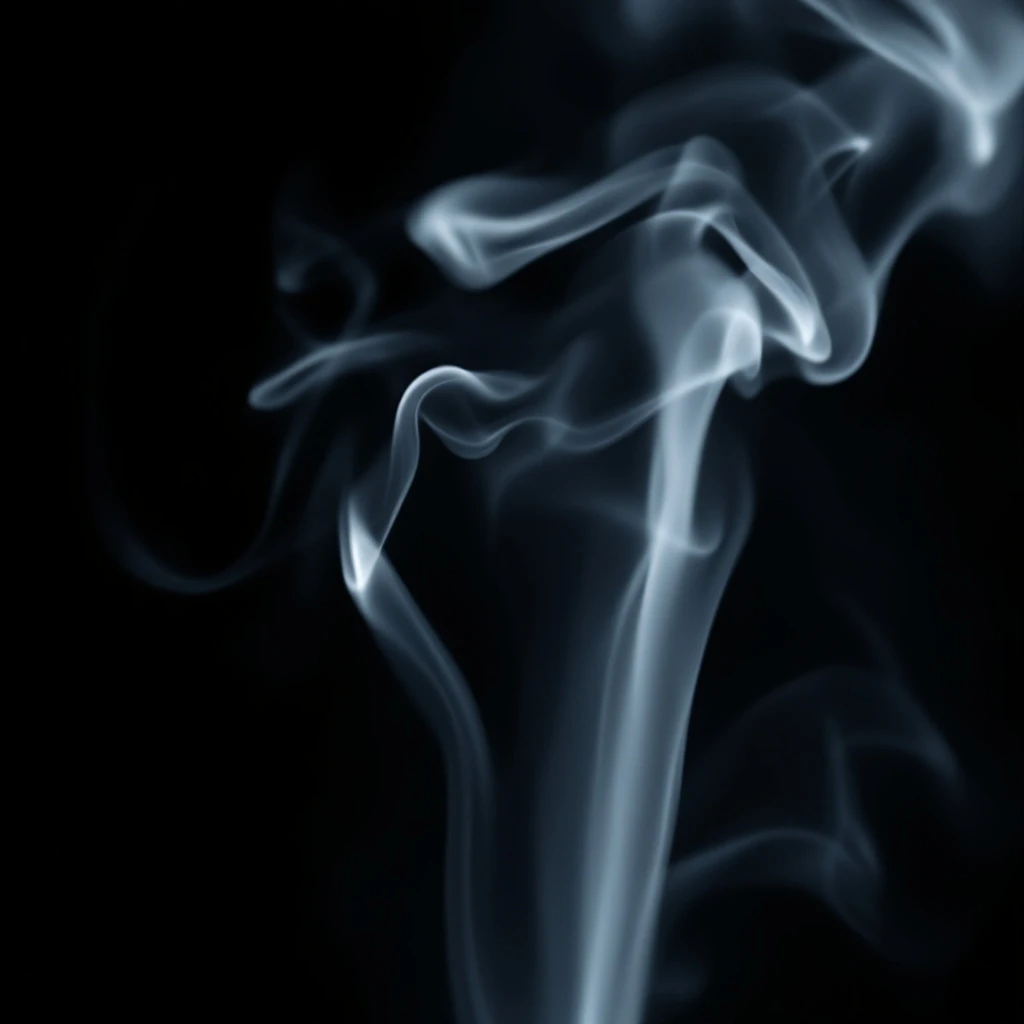
Smoke, leather, and ancient juniper wood.
Cade tar was historically burned as a veterinary antiseptic and skin remedy long before perfumers recognized its deep, smoky signature in late 19th-century fragrances.
Pairs beautifully with




Origin
Spain
Spanish Cade Tar carries one of the oldest documented histories in European perfumery, stretching back to Iberian folk medicine and leatherworking traditions. Rural Spaniards harvested prickly juniper wood for centuries, burning it in pits to produce a black, antiseptic salve used on livestock and working animals. Shepherds and farriers treated saddle galls and hoof rot with the same tar, and tanners applied it directly to hides as a waterproofing agent. By the late 19th century, French and Spanish perfumers recognized that this working-class material possessed extraordinary aromatic potential.
The transition into mainstream perfumery began in earnest around 1890, when houses like Galimard and later Robertet began sourcing crude cade from Catalan distillers. The ingredient proved ideal for masculine fougères and oriental compositions, lending a rugged counterpoint to bright lavender and citrus top notes. In the early 20th century, cade tar became a cornerstone of leather accords, particularly in formulations designed to evoke cured tobacco, saddle leather, and woodsmoke. Spanish pharmacists in the 1920s even patented cade-based soaps for dermatological use.
Today, the ingredient remains a fixture in niche perfumery, prized for its uncompromising intensity and connection to pre-industrial craft. Its enduring appeal speaks to how a humble byproduct of charcoal burning earned a permanent place in the perfumer's organ.
Wears it best
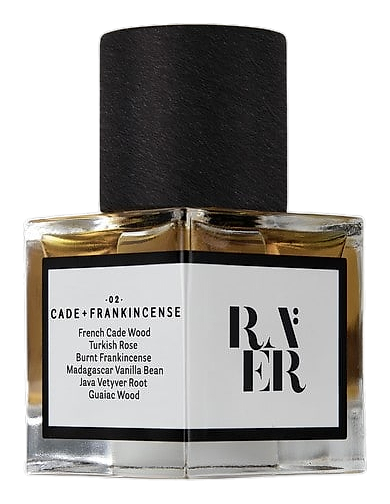
Fragrances featuring Spanish Cade Tar
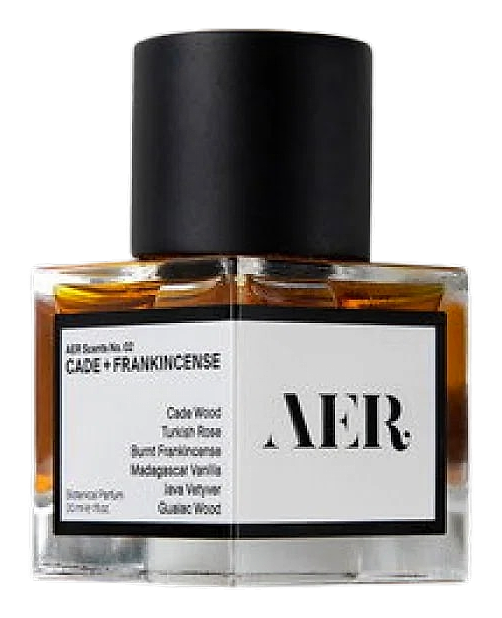
Brands
Brands known for Spanish Cade Tar
Good to know
Questions, answered
The essentials on Spanish Cade Tar in perfumery: how it smells, where it comes from, and how it behaves on skin.
What does Spanish Cade Tar smell like?
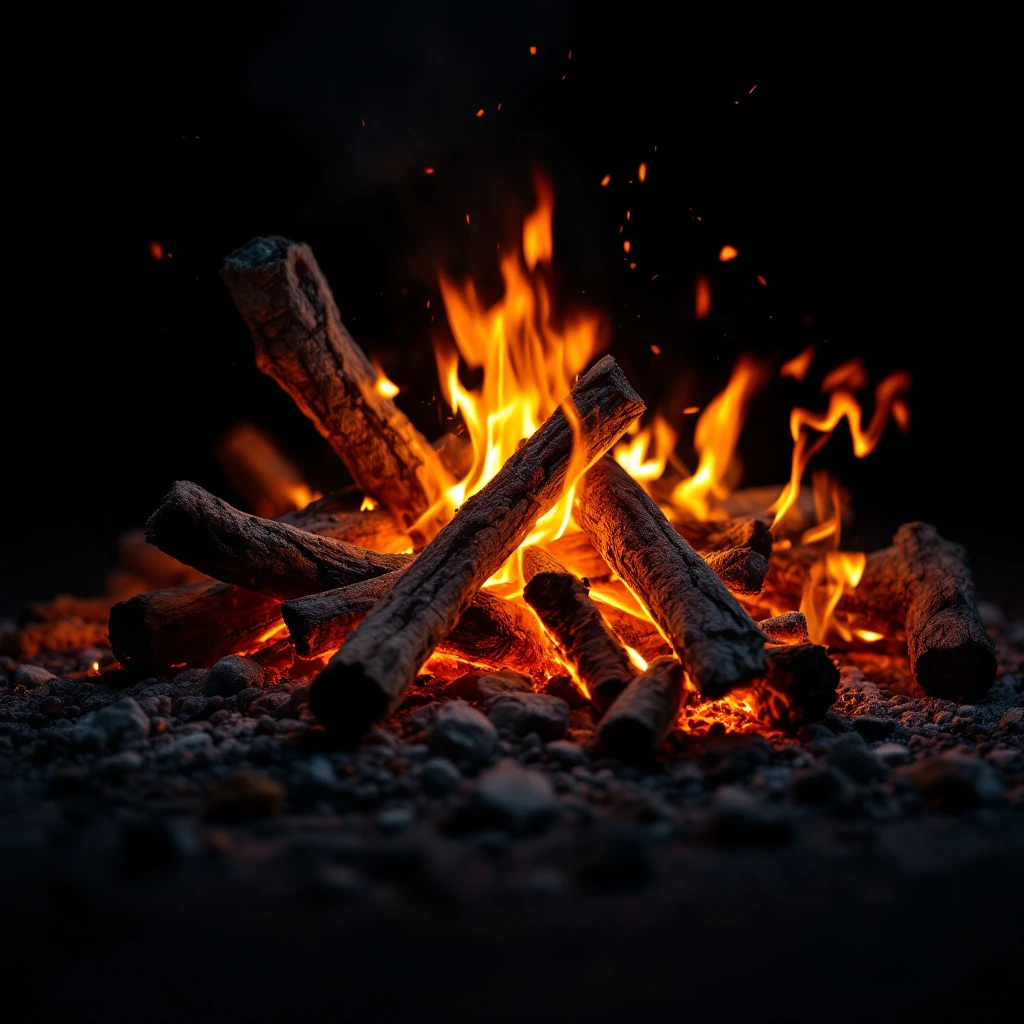
Spanish Cade Tar smells intensely smoky, tarry, and leathery with dry woody undertones. The aroma carries phenolic bitterness and a burnt-meat quality reminiscent of cured leather, wood fire, and damp campfire ash. It reads as one of the darkest, most aggressive naturals in a perfumer's palette.
Is Spanish Cade Tar safe in perfume?
Yes, when properly diluted. Cade tar contains guaiacol and cresol derivatives that can irritate skin at high concentrations. Reputable perfumers typically work at concentrations below one percent and recommend a skin patch test for first-time users with reactive skin.
How is Spanish Cade Tar produced?
Producers subject juniper heartwood to destructive distillation, heating sealed retorts above 400 degrees Celsius without oxygen. The pyrolysis vapor condenses into watery and tarry phases. The denser black tar is decanted and aged before use.
What is the difference between Cade Oil and Spanish Cade Tar?
Cade oil is the rectified, redistilled version of cade tar. The rectification process removes heavier polycyclic hydrocarbons, producing a lighter, more refined liquid. Spanish Cade Tar retains the crude, undiluted character that perfumers prize for maximum smoky impact.
Which perfumes famously use Spanish Cade Tar?
Several niche houses feature cade tar prominently, including Sonoma Scent Studio's Eucalyptus and Comme des Garçons Series 3 Incense descriptors. The ingredient also appears in historic masculine chypres from the 1920s through the 1960s.
Can Spanish Cade Tar be synthetically replicated?
Partial replication exists through molecules like 4-ethyl guaiacol and various smoky pyrogenic accords. However, perfumers widely agree that no synthetic blend fully captures the complexity of genuine cade tar's leathery, phenolic depth.
Where does Juniperus oxycedrus grow?
Juniperus oxycedrus thrives across the western Mediterranean, including Spain, Portugal, southern France, Morocco, and Algeria. Spanish populations in Andalusia and Catalonia produce the most prized tar for perfumery due to their resinous heartwood.
Why is Spanish Cade Tar considered a base note?
Its low volatility classifies Spanish Cade Tar as a base note. The dense molecular weight of its phenolic and aromatic compounds means it evaporates slowly, anchoring top and heart notes for many hours on skin.