South American Heliotrope
Powdery, sweet, and softly floral with unmistakable vanilla and almond warmth. Heliotrope wraps the skin in creamy comfort, a perfumery classic cherished since the 19th century.
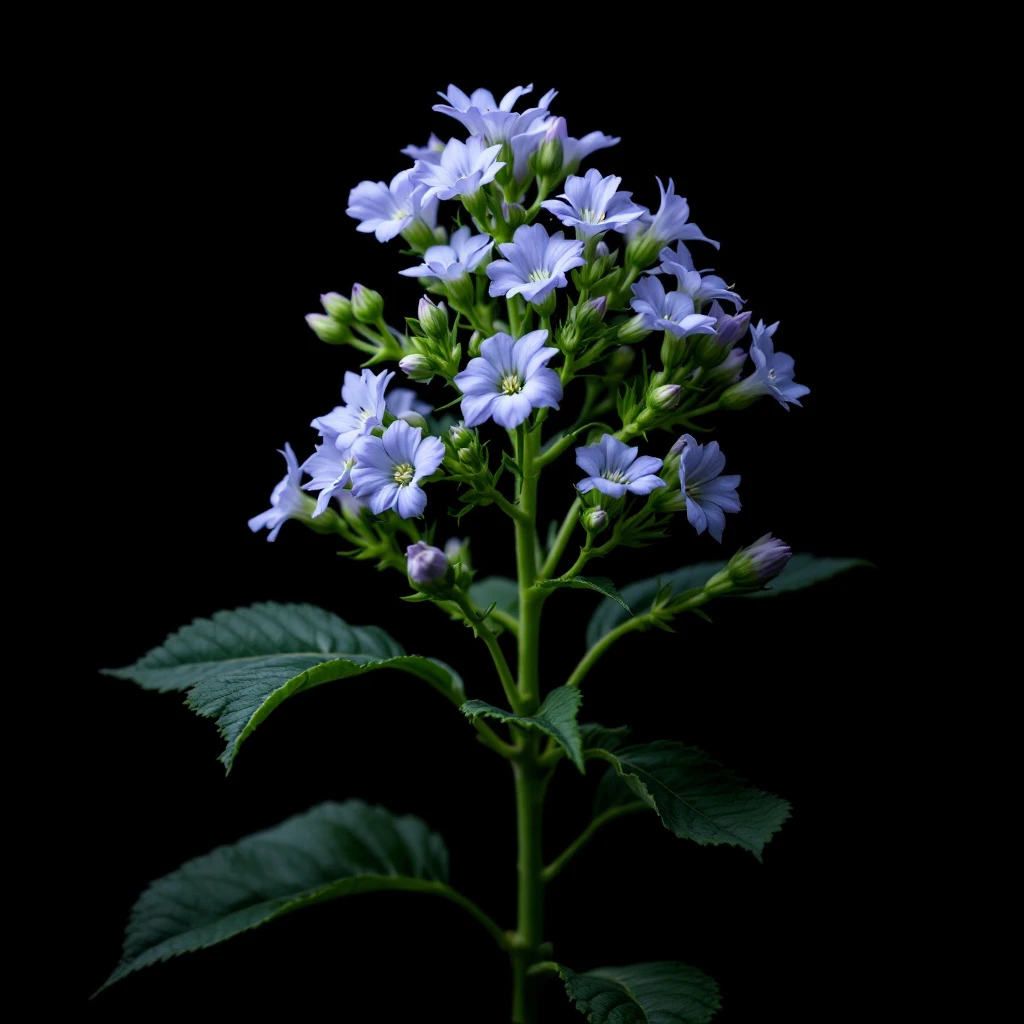
Character
How it smells
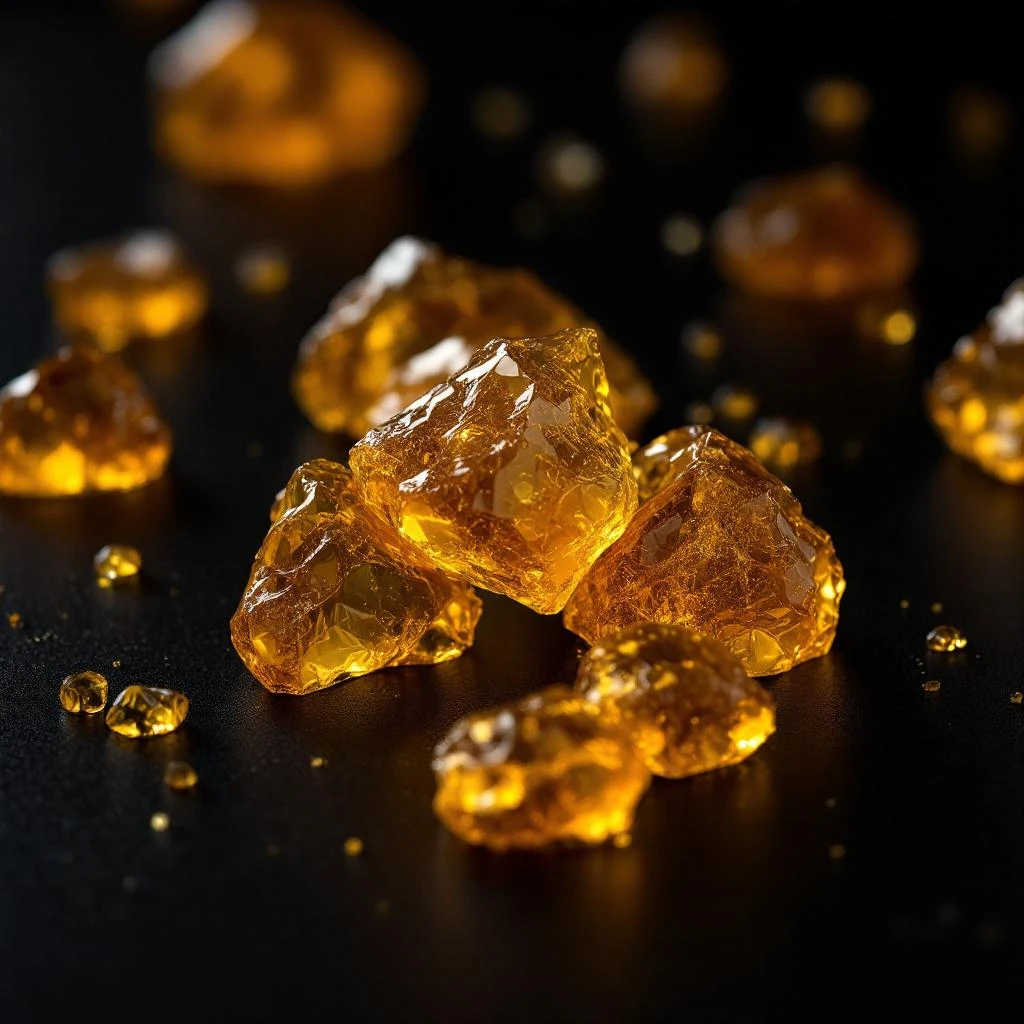
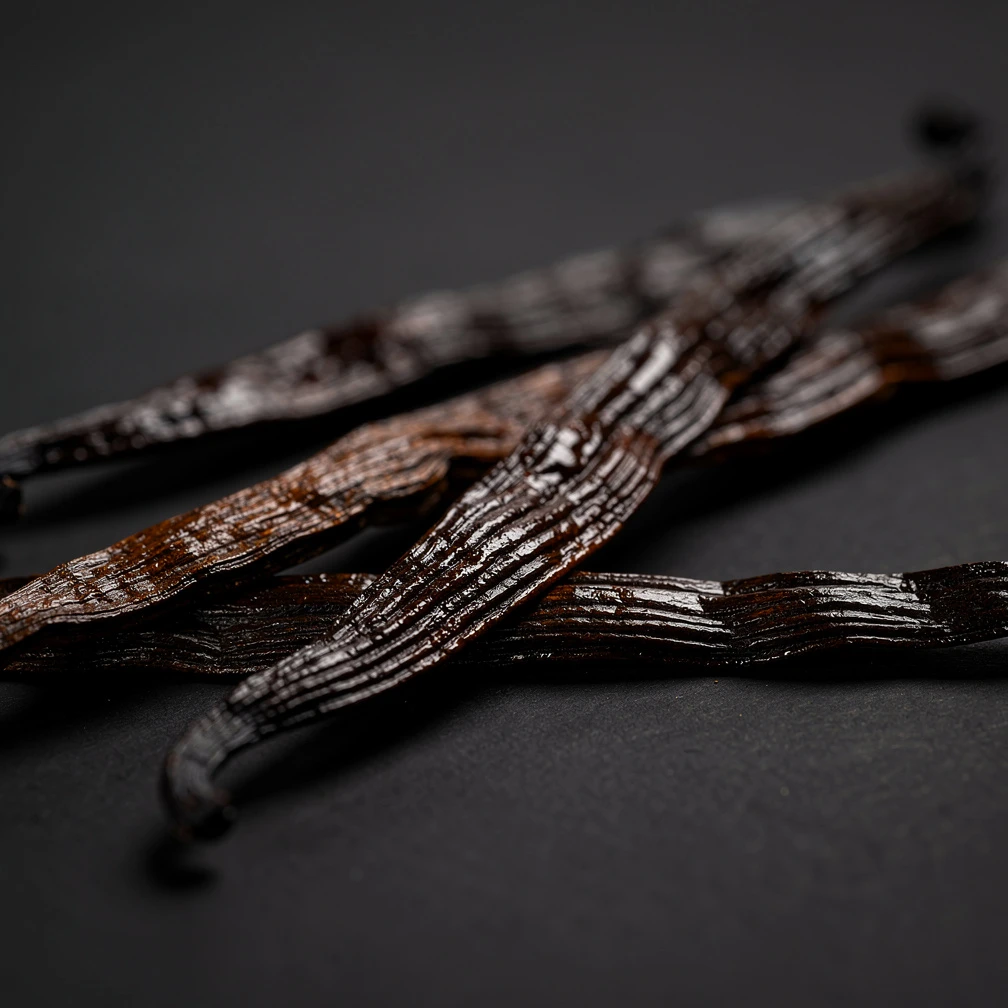
A soft, vanilla-almond bloom with powdery warmth.
Heliotrope earns its name from the Greek words for sun and turn, reflecting how its purple flowers track the sun across the sky.

Origin
South America
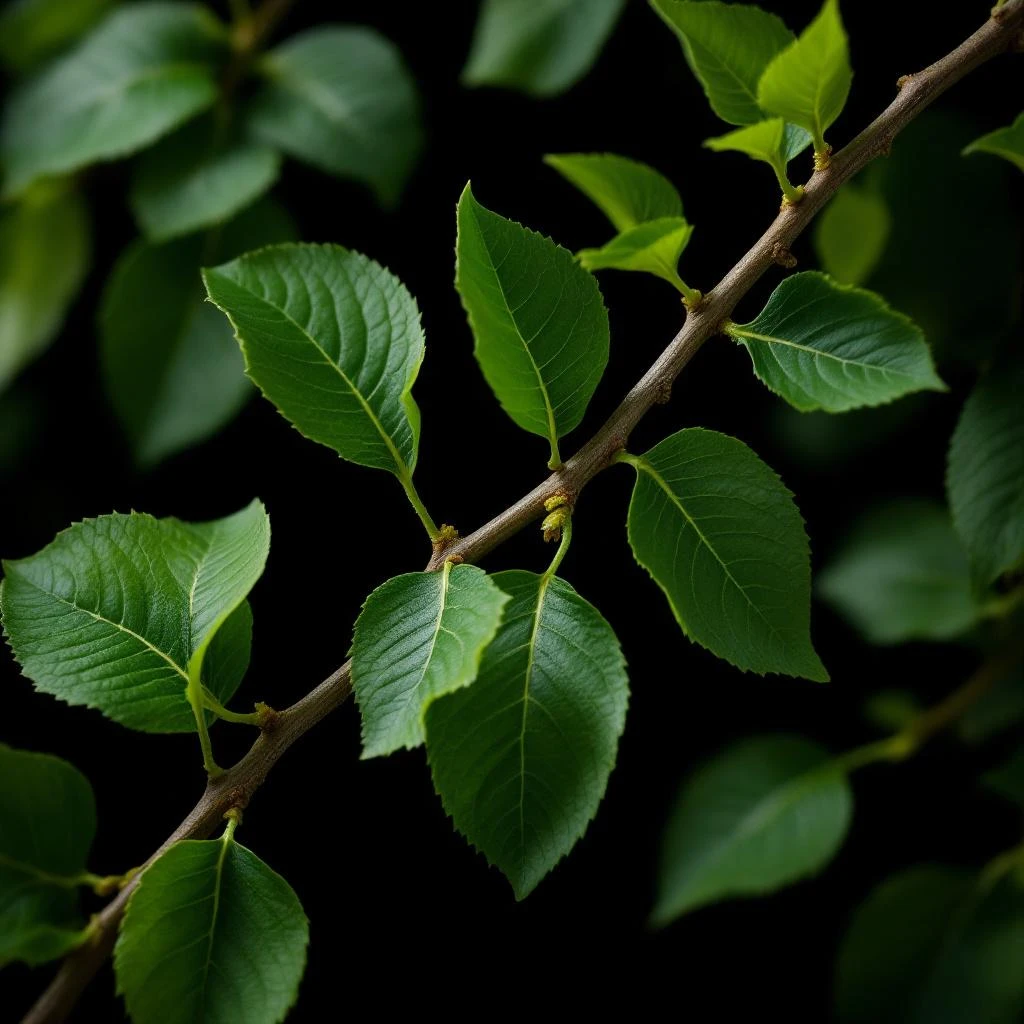
Heliotrope is a plant with ancient roots. Ancient Egyptians recognized its fragrant purple blooms and incorporated the flower into ceremonial garlands and remedies. The Greeks later named it heliotrope, combining words meaning sun and turn, because the blossoms visibly track the sun across the sky each day.
For centuries, perfumers worked only with the whole flower, infusing it into pomades and sachets. The scientific transformation came in 1869, when German chemists Fittig and Mielck first isolated the aromatic compound heliotropin from sassafras oil. This breakthrough allowed chemists to understand exactly what made heliotrope smell the way it did.
By the late 19th century, perfumers gained access to both natural extracts and synthetic heliotropin, opening new possibilities for the ingredient. Today, natural heliotrope absolute remains rare and costly, while synthetic versions make the note accessible across the fragrance industry.
Wears it best
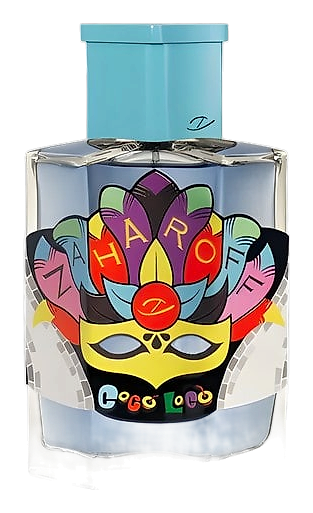
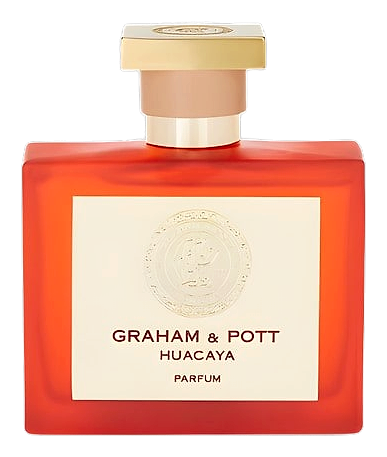
Fragrances featuring South American Heliotrope
Brands
Brands known for South American Heliotrope
Good to know
Questions, answered
The essentials on South American Heliotrope in perfumery: how it smells, where it comes from, and how it behaves on skin.
What does South American heliotrope smell like?
Heliotrope has a sweet, powdery, floral scent often compared to warm vanilla and maraschino cherries. Its distinctive nutty quality comes from heliotropin, the primary aromatic compound. The overall impression is creamy and comforting, with soft almond undertones that make it feel intimate and familiar.
Is heliotrope used more in masculine or feminine fragrances?
Heliotrope appears far more frequently in feminine fragrances, where its soft, powdery warmth serves as a bridge between floral and gourmand accords. That said, it occasionally shows up in gender-ambiguous compositions where perfumers use it to add softness and depth to woody or aromatic foundations.
Why does heliotrope smell slightly nutty?
The nutty quality comes from heliotropin, the key aromatic molecule in heliotrope. This compound carries a characteristic marzipan-like character that perfumers rely on to add an edible, almost confectionery depth. Heliotropin occurs naturally in heliotrope flowers and can also be synthesized for commercial fragrance use.
How many heliotrope species exist, and which ones does perfumery use?
Botanists have documented more than 200 heliotrope species worldwide. Only a handful grow in the tropical and subtropical regions of Central and South America, and these are the ones that supply the fragrance industry. The exact species varies by producer, but all share the characteristic powdery-vanilla scent profile.
When did perfumers first isolate heliotrope is key scent compound?
Chemists Fittig and Mielck isolated heliotropin in 1869 by distilling sassafras oil. Before this discovery, perfumers worked only with whole plant material. The isolation enabled both natural extraction and synthetic reproduction, dramatically expanding the ingredient is availability and use in modern perfumery.
What extraction method works best for heliotrope flowers?
Solvent extraction produces the best results for heliotrope flowers. The delicate petals lose their scent when exposed to steam, so producers use food-grade solvents instead. This method captures the full aromatic profile, including the volatile top notes that give heliotrope its characteristic sweetness.
Is heliotrope related to vanilla?
Heliotrope and vanilla share a similar sweet, warm character, but they come from entirely different botanical families. The vanilla-like quality in heliotrope comes from coumarin, a compound found naturally in many plants. Vanilla, by contrast, derives from the orchid Vanilla planifolia and contains its own distinct set of aromatic molecules.
Is heliotrope a natural or synthetic ingredient in modern perfumery?
Both forms exist. Natural heliotrope absolute remains rare because the flowers yield very little material per kilogram. Most commercial heliotrope used today comes from synthetic heliotropin, which captures the characteristic powdery-nutty scent accurately and at scale. Perfumers choose between natural and synthetic based on budget, sourcing goals, and the specific fragrance they are building.





