Red Clementine
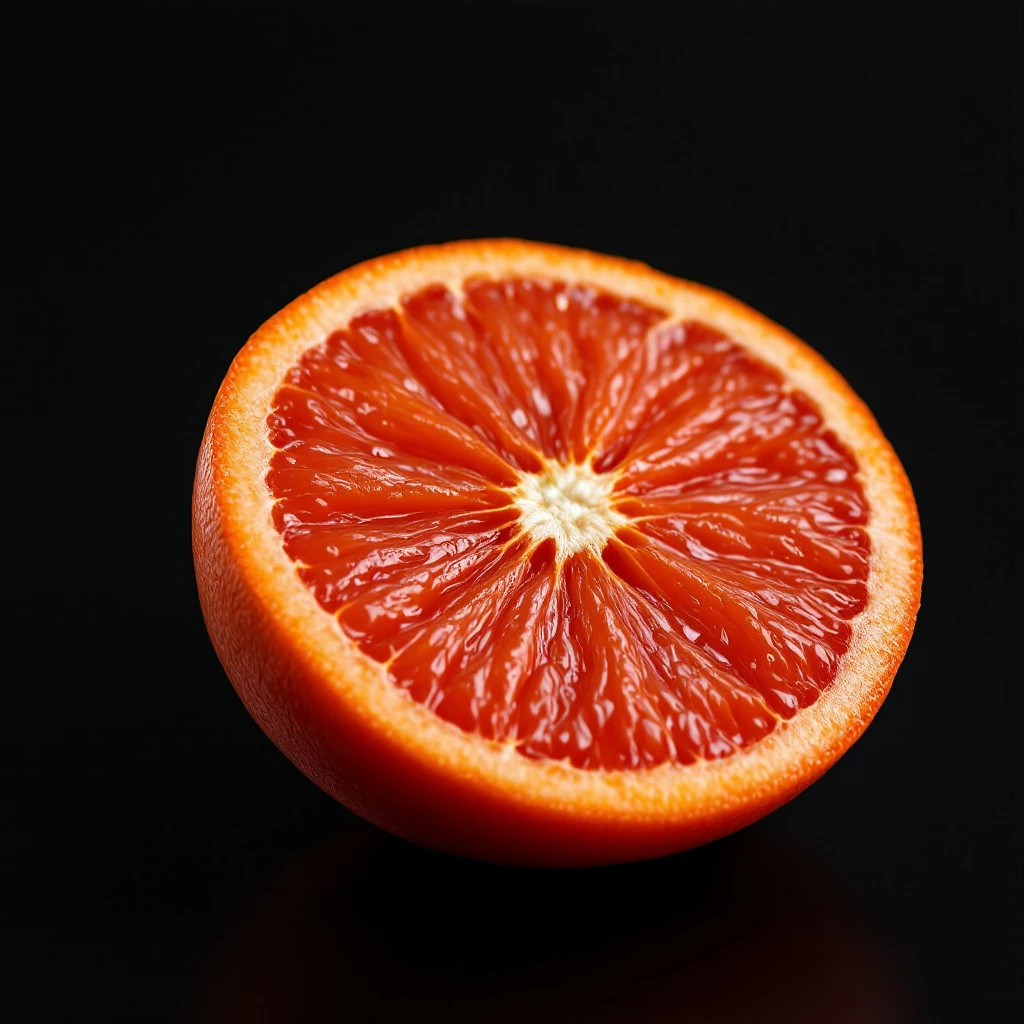
Red Clementine brings a sun-drenched sweetness to perfumery, its crimson-tinted flesh delivering a citrus brightness tempered by deep berry-like undertones that set it apart from ordinary tangerine.
Character
How it smells
Citrus brilliance with crimson depth.
The striking red flesh comes from anthocyanins, the same pigments that give blueberries their color, a rare trait in citrus fruits.

Origin
United States
Red Clementine represents a modern chapter in citrus hybridization, developed to combine the easy-peeling appeal of clementines with the dramatic coloration and complex flavor of blood oranges. The parent fruit, clementine itself, traces disputed origins to late 19th-century Algeria, where Father Rodolphe Amicis reportedly cultivated the first specimens from a mandarin-orange cross. Citrus cultivation stretches far deeper, however.
Ancient Egyptians documented aromatic citrus preparations, while Greek and Roman civilizations prized citrus oils for both fragrance and medicinal applications. The Red Clementine's emergence speaks to contemporary perfumery's appetite for distinctive citrus materials that offer more complexity than traditional orange or lemon notes.
Wears it best
Fragrances featuring Red Clementine

Brands
Brands known for Red Clementine
Good to know
Questions, answered
The essentials on Red Clementine in perfumery: how it smells, where it comes from, and how it behaves on skin.
What does Red Clementine smell like?
Red Clementine offers bright citrus sweetness with tart undertones and subtle berry-like nuances from its anthocyanin content. The scent is more complex than standard tangerine, with a depth that resembles sun-warmed fruit skin.
Is Red Clementine a natural or synthetic ingredient?
Both forms exist in perfumery. Natural cold-pressed oils come from the fruit peel, while nature-identical and synthetic accords replicate the profile for consistency and cost efficiency.
What gives Red Clementine its red color?
Anthocyanins, the same pigments found in blueberries and grapes, accumulate in the fruit flesh. This rare trait among citrus fruits develops when the fruit experiences cool nighttime temperatures during ripening.
How long has Red Clementine been cultivated?
Red Clementine is a 20th-century hybrid, developed within the last few decades as breeders sought to combine the easy-peeling trait of clementines with the visual drama and flavor complexity of blood oranges.
Which fragrance families commonly use Red Clementine?
Red Clementine appears most often in bright citrus compositions, summer florals, and fruity chypres. It adds sparkling top notes in oriental fragrances and provides lift in modern gourmand creations.
Does Red Clementine have aromatherapeutic uses?
Citrus oils, including Red Clementine essence, are associated with uplifting effects in aromatherapy. Research published in the Journal of Alternative and Complementary Medicine documented mood enhancement from citrus fragrance exposure.
How should I store products containing Red Clementine?
Keep Red Clementine-scented products away from heat and direct sunlight. Citrus oils oxidize over time, which dulls both the scent and the characteristic bright color of products containing this note.
Can Red Clementine cause skin sensitivity?
Like other citrus oils, Red Clementine peel oil contains furanocoumarins that may cause photosensitivity. Cold-pressed versions used in skincare require specific dilution guidelines established by IFRA.