Solanum
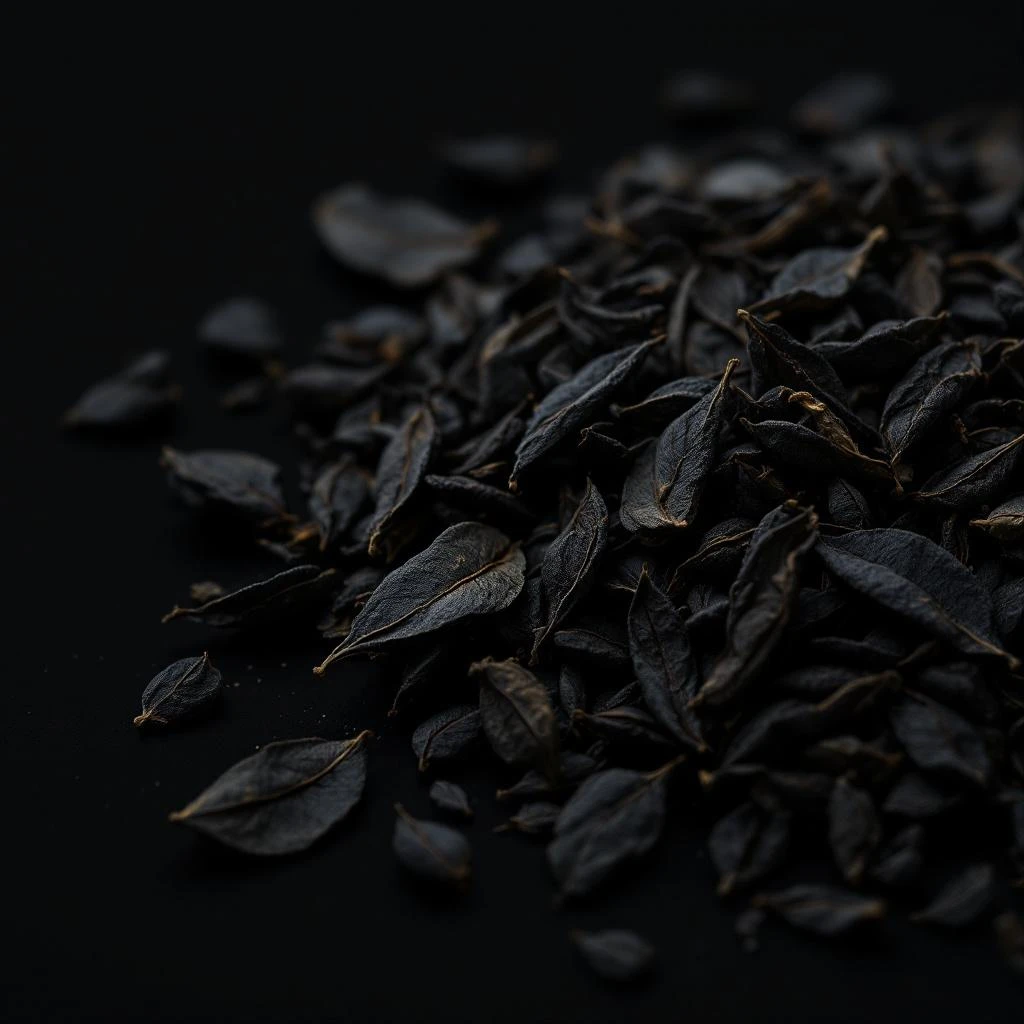
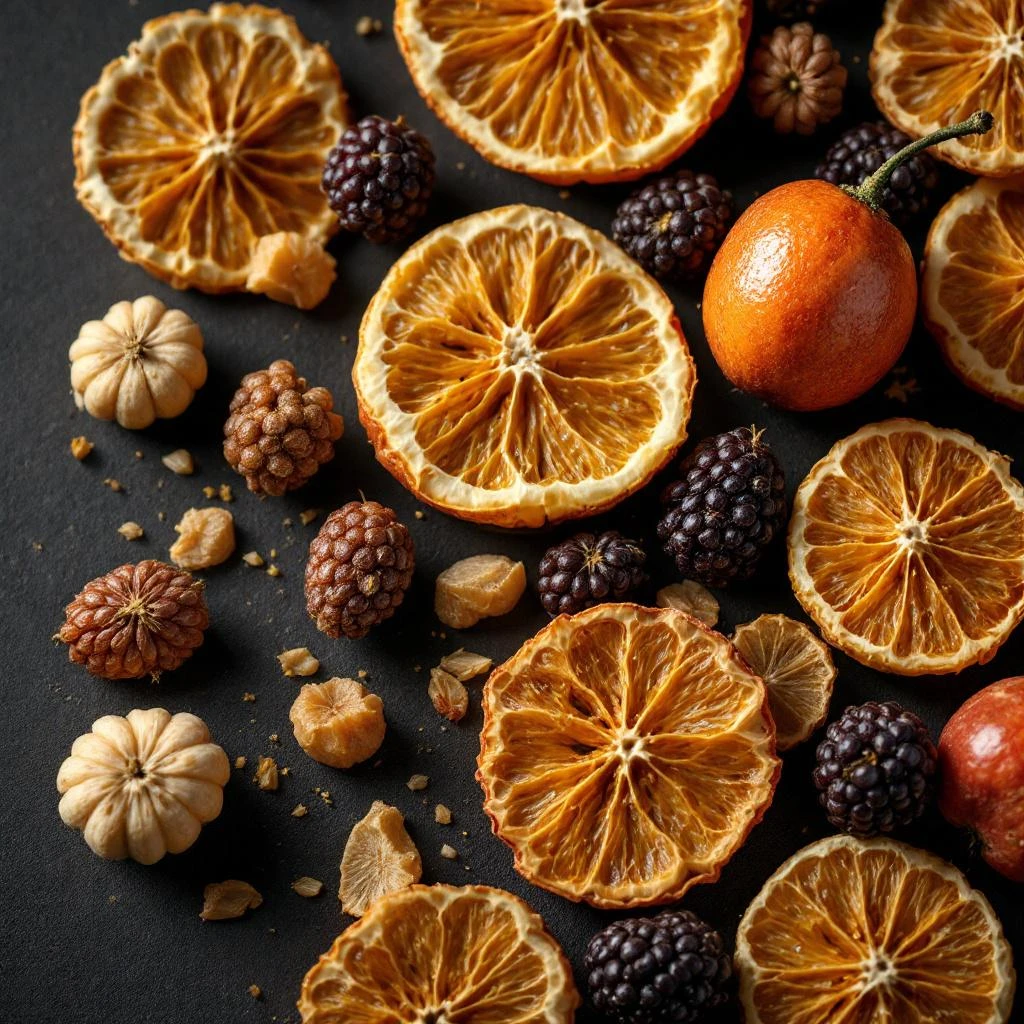
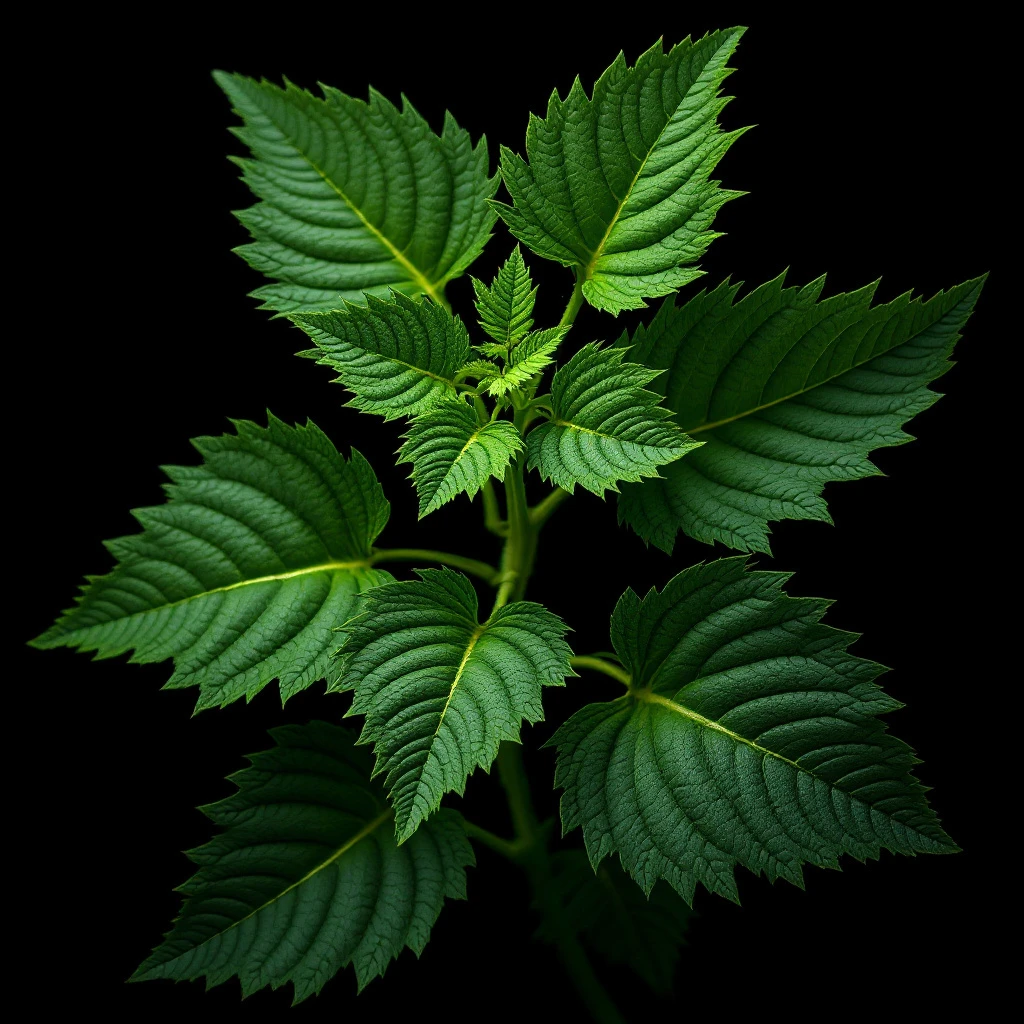
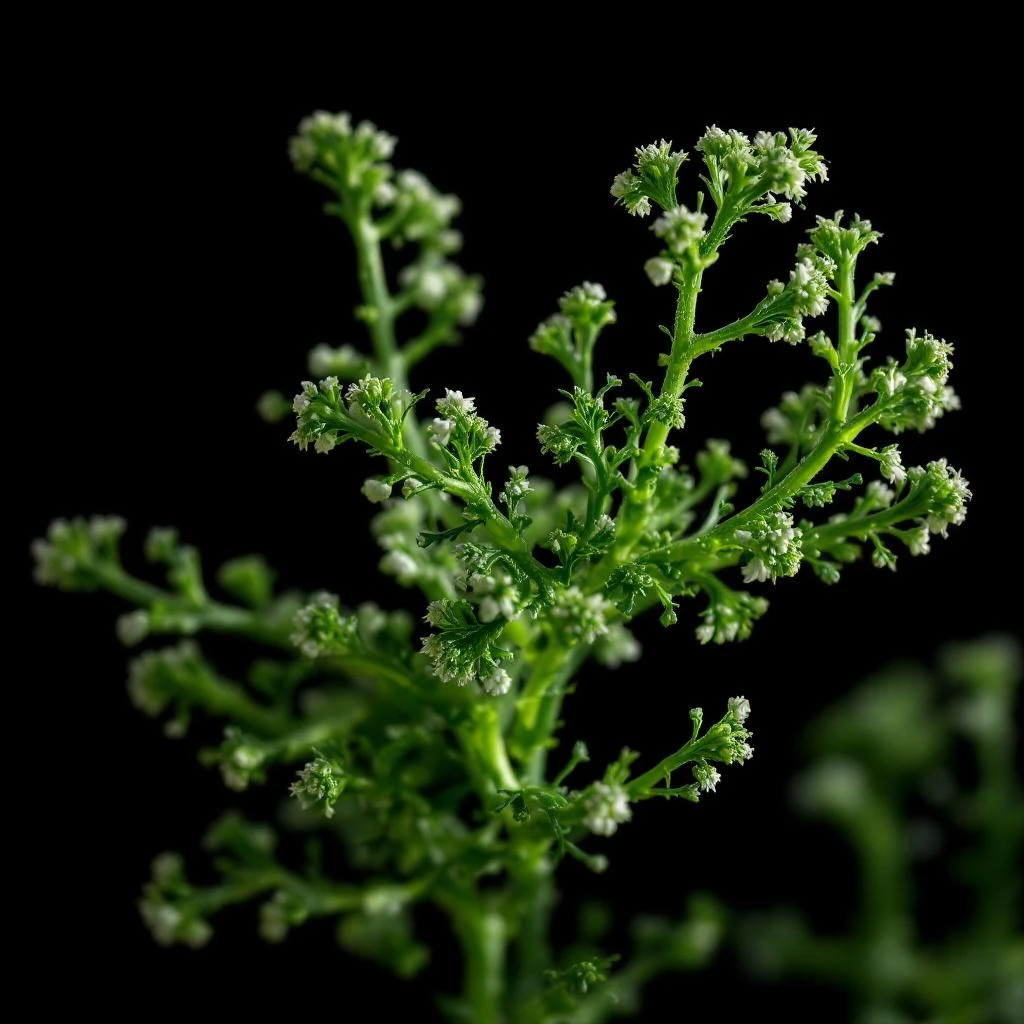
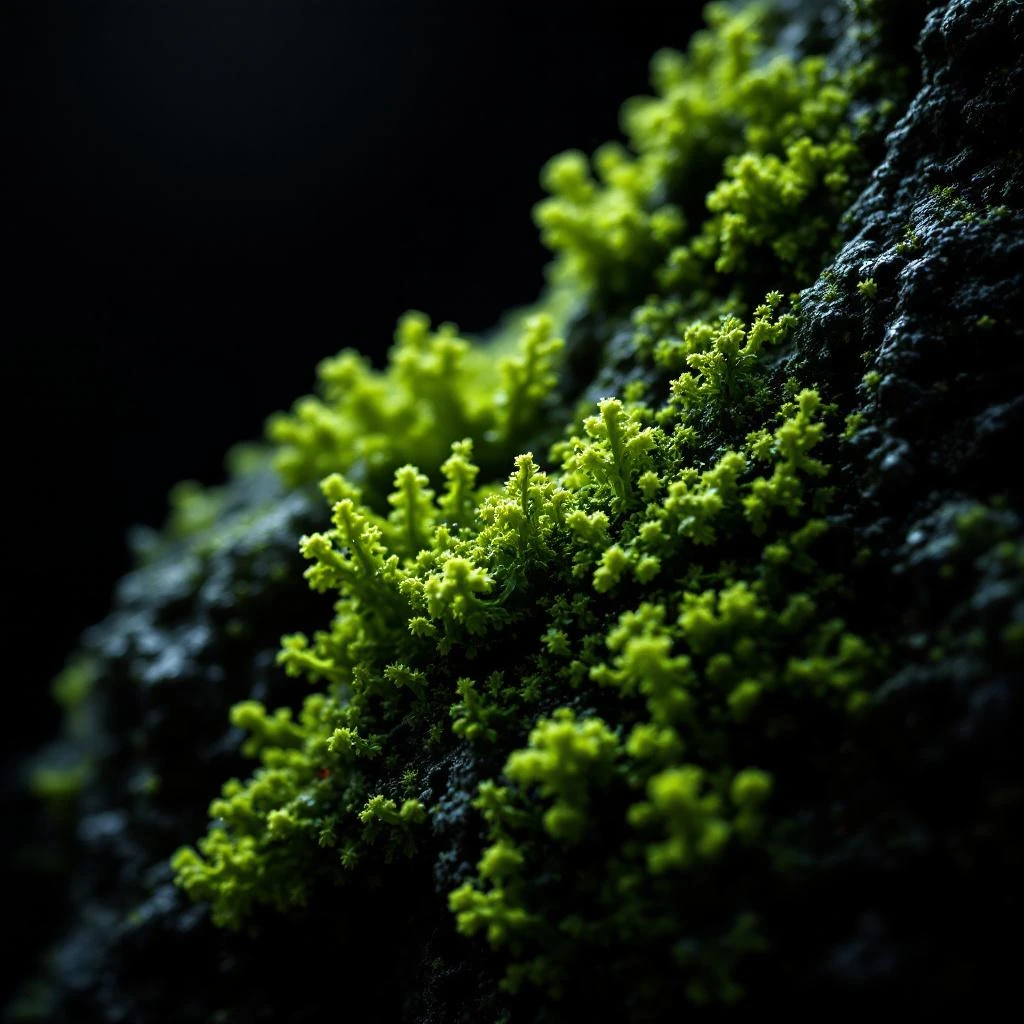
Solanum brings a rare green, herbaceous edge to modern perfumery. Sourced from select species of the vast nightshade genus, its leafy, slightly bitter aroma adds a botanical realism that grounds brighter florals and citrus top notes.
Character
How it smells
The wild green note hiding in plain sight
The Solanum genus contains over 1,500 species, including tomatoes and eggplants, yet only a handful contribute aromatic molecules considered useful in fragrance composition.


Origin
Peru
The Solanum genus has accompanied humans for millennia as a food source, medicinal plant, and occasional curiosity in folk pharmacopoeias across the Americas, Asia, and Europe. Ancient Andean civilizations cultivated native Solanum species thousands of years before colonial contact. In European botanical tradition, herbalists from the 16th century onward documented various nightshade species for their physiological effects, rarely noting their scent.
The genus only entered fragrance consciousness in the late 20th century, as perfumers began exploring unconventional green notes beyond the classical violet leaf and galbanum templates. Contemporary artisan and indie perfumers have since championed Solanum-derived accords, drawn to its raw, untamed green character that recalls freshly turned soil and sun-warmed foliage.
Wears it best
Fragrances featuring Solanum
Brands
Brands known for Solanum
Good to know
Questions, answered
The essentials on Solanum in perfumery: how it smells, where it comes from, and how it behaves on skin.
What does Solanum smell like in perfume?
Solanum contributes a green, herbaceous, slightly bitter aroma with grassy and leafy undertones. It reads as raw and botanical, often used to add realism to compositions featuring florals or bright citrus notes.
Is Solanum a natural or synthetic fragrance ingredient?
Solanum can be both. Natural extracts come from specific aromatic species within the genus, while perfumers also use synthetic reconstructions built from isolated green-leaf molecules for consistency and sustainability.
What perfume families use Solanum notes?
Solanum appears most often in green and aromatic fragrance families, where its raw herbal character complements galbanum, violet leaf, fig leaf, and fresh-cut-grass accords. It occasionally appears in unisex and indie botanical compositions.
Where does Solanum for perfumery come from?
Aromatic Solanum species used in fragrance are primarily sourced from South America, particularly Peru, where native varieties grow wild. Some experimental cultivation occurs in southern Europe for research purposes.
Is Solanum the same as tomato or eggplant in perfume?
No. While tomato and eggplant belong to the Solanum genus, they are not used in perfumery. Fragrance-grade Solanum comes from specific leafy species selected for their aromatic green profile, not culinary fruit.
How rare is Solanum as a fragrance ingredient?
Solanum remains uncommon in mainstream perfumery, appearing more frequently in niche and indie houses. Its limited cultivation and variable yield from wild harvesting keep production volumes low compared to mainstream green notes.
Does Solanum last long on skin?
Solanum functions as a top-to-middle note, lasting roughly one to three hours depending on concentration and supporting ingredients. Its volatile green character fades faster than resinous or woody base materials.
Is Solanum safe to wear in fragrance?
Yes, when used at standard perfumery concentrations. Aromatic Solanum extracts and their synthetic reconstructions are considered safe for topical use, though the raw plants themselves can be toxic if ingested.