Cherry Wood
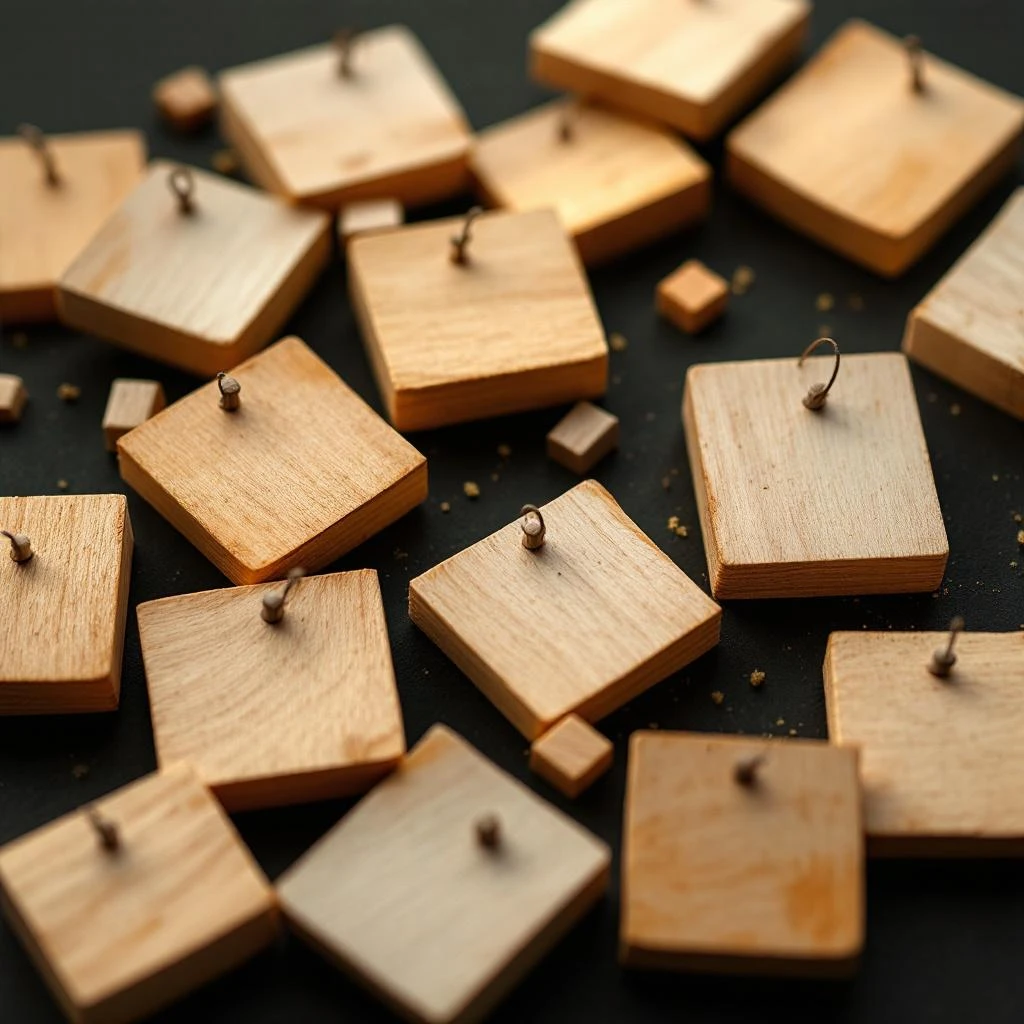
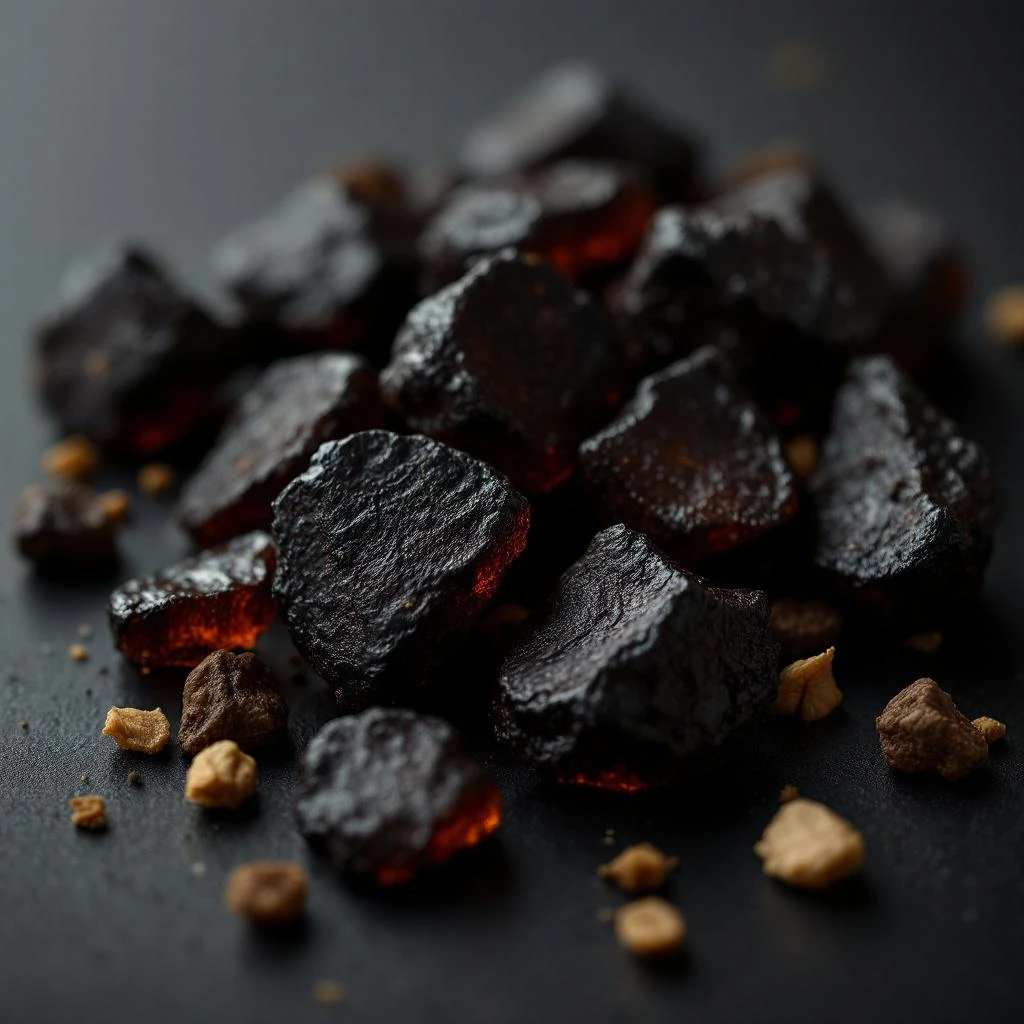
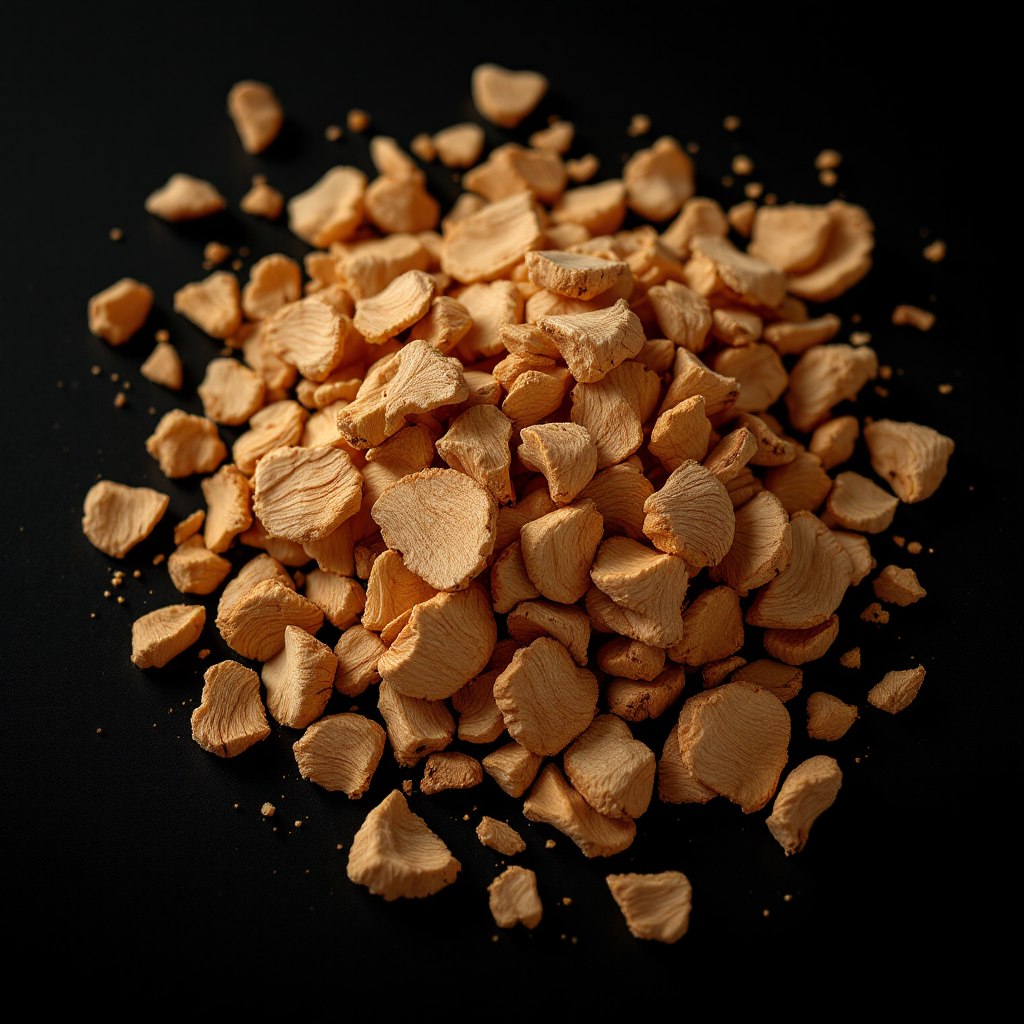
Cherry wood delivers warm, sweet-woody depth with subtle bitter almond and marzipan facets. This elegant material adds resinous warmth and gentle sweetness to oriental and woody fragrance compositions.
Character
How it smells
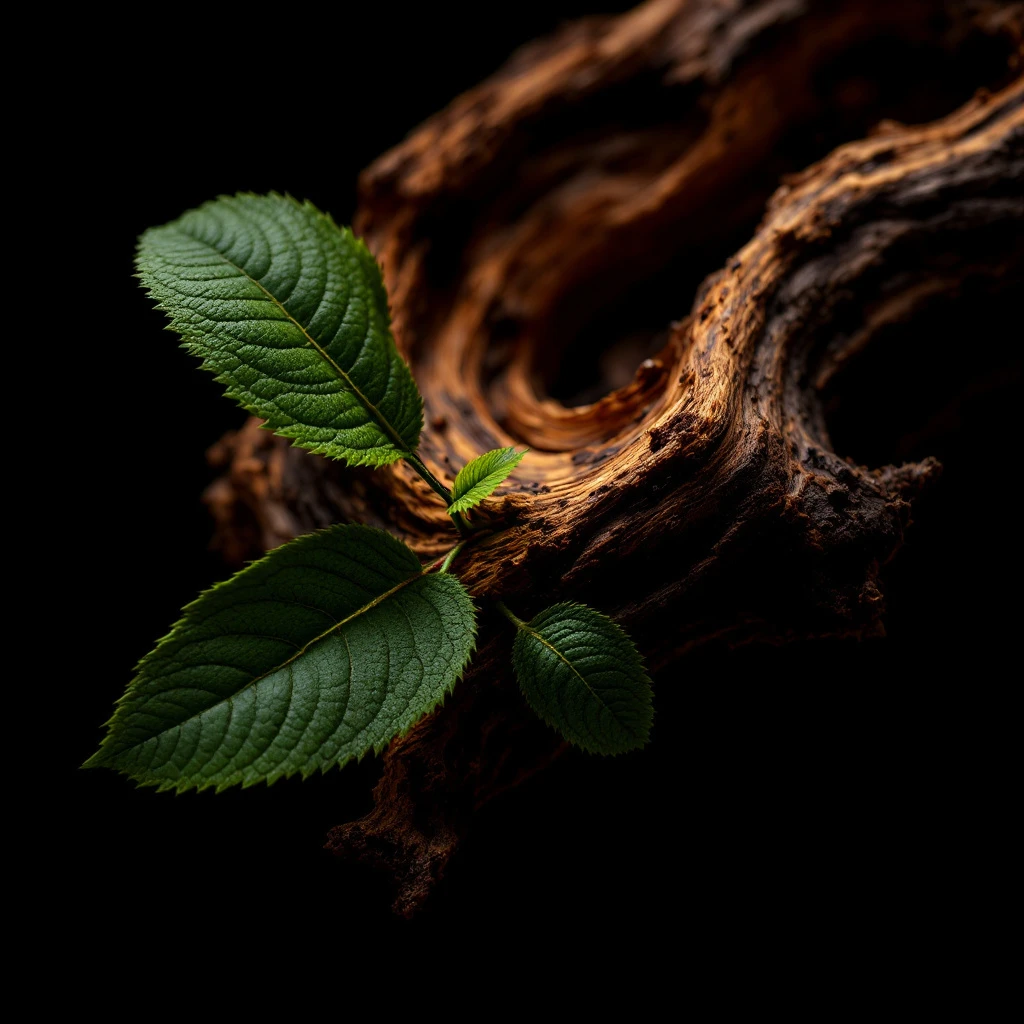
Warm, sweet, and quietly sophisticated.
Ancient Romans prized cherry wood for its durability and aromatic properties, using it to craft furniture, wine barrels, and ceremonial objects.





Origin
Turkey
Cherry wood has been valued since ancient times across Europe and Western Asia, where the Prunus avium tree flourishes in temperate climates. The ancient Romans recognized the wood's exceptional qualities, utilizing it extensively for furniture, wine barrels, and ceremonial objects due to its durability and subtle aromatic properties.
When warmed or worked, cherry wood releases a gentle, pleasing fragrance that made it prized for both practical and luxury items. During the Renaissance, Italian craftsmen refined techniques for working with cherry wood, creating prized furniture that emitted a faint, warm scent.
The development of steam distillation in the 19th century allowed perfumers to capture and preserve these aromatic qualities, introducing cherry wood to modern perfumery as a sophisticated base note material. Today it remains valued for its approachable warmth and ability to add depth without heaviness.
Wears it best
Fragrances featuring Cherry Wood
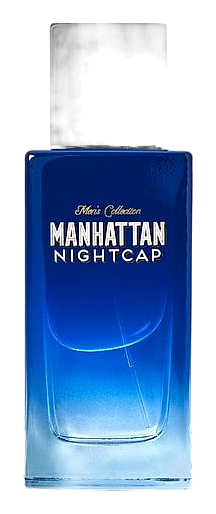
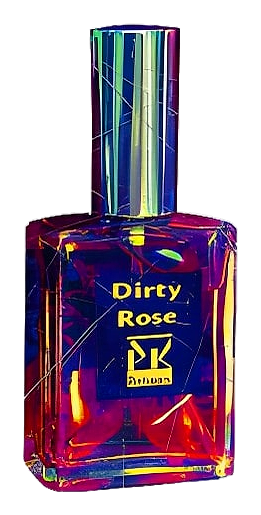
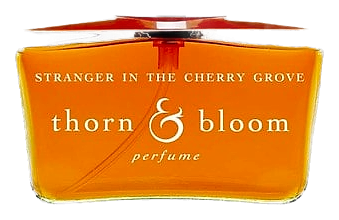
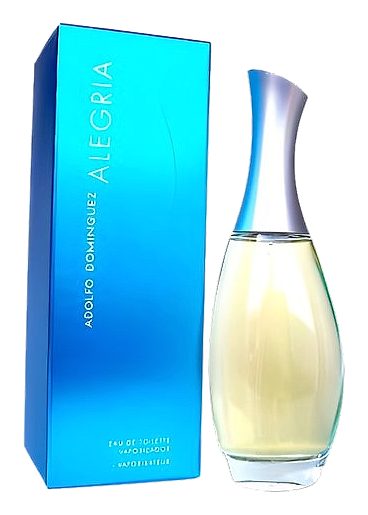
Brands
Brands known for Cherry Wood
Good to know
Questions, answered
The essentials on Cherry Wood in perfumery: how it smells, where it comes from, and how it behaves on skin.
Where does cherry wood for perfumery come from?
Turkey leads cherry wood production, with significant cultivation across Eastern Europe and the Caucasus region. The temperate climate of these areas produces Prunus avium with optimal aromatic compound concentration in the heartwood.
What does cherry wood smell like?
Cherry wood delivers warm, sweet-woody character with subtle bitter almond and marzipan facets. The scent is resinous, slightly powdery, and more approachable than other woody materials, creating a soft, comforting base note in compositions.
How is cherry wood oil extracted?
Steam distillation of dried wood chips and sawdust produces cherry wood essential oil. The process runs 8-12 hours, extracting aromatic compounds from the heartwood and inner bark that contain coumarin derivatives and phenolic substances.
What type of fragrance does cherry wood work best in?
Cherry wood performs exceptionally in oriental and woody fragrance families. Its sweet-woody character complements amber, vanilla, and other resinous materials, while its subtle almond nuance pairs well with floral elements like cherry blossom and heliotrope.
Is cherry wood a natural or synthetic ingredient?
Cherry wood is a natural ingredient derived from Prunus avium through steam distillation. Its characteristic scent can be approximated synthetically using coumarin and benzaldehyde combinations, though the natural oil offers superior complexity.
What part of the cherry tree is used in perfumery?
Perfumers primarily use the heartwood and inner bark of mature cherry trees. Older trees yield more concentrated aromatic compounds in their heartwood. The wood is harvested from pruned branches or trees at the end of their fruit-producing lifecycle.
How does cherry wood compare to other woody notes?
Cherry wood offers a sweeter, more approachable alternative to sandalwood or cedar. Unlike oud's intensity or vetiver's earthiness, cherry wood provides gentle warmth with subtle almond nuances that create an inviting, cozy character.
What compounds give cherry wood its distinctive aroma?
Coumarin derivatives and phenolic compounds create cherry wood's characteristic warm, sweet-woody aroma. These natural constituents also contribute subtle bitter almond and marzipan facets that distinguish it from other woody materials.